

|
Product Name |
Stage-tip Desalting Kit |
Solvent Compatibility |
TFA、ACN |
|
Packing Material |
C18 reversed-phase membrane |
Functional Group |
Octadeyl |
|
Tip Volume |
200 µL |
Surface Area |
Diameter 47 mm |
Proteomics research relies heavily on high-quality sample preparation workflows, where post-digestion peptide processing is a critical step for ensuring the accuracy and sensitivity of mass spectrometry (MS) analysis. After enzymatic digestion, samples often contain high concentrations of salts, buffer components, and other impurities that can interfere with ionization efficiency, ultimately reducing peptide detection sensitivity.
Desalting and enrichment processes effectively remove these interfering substances while concentrating target peptides, thereby improving the signal-to-noise ratio of the analysis. Traditional methods, such as solid-phase extraction (SPE) or magnetic bead-based approaches, may result in significant sample loss, complex operation, and poor compatibility with automation when processing small sample volumes. As a result, a high-efficiency desalting tool based on stage-tip technology has become an ideal solution for MS sample preparation.
The stage-tip desalting kit from MtoZ Biolabs is specifically designed for proteomics research. It utilizes high-quality membrane materials and efficient binding and elution techniques to achieve rapid desalting and concentration of peptides. The kit offers simple operation, high recovery rates, and is broadly applicable for purifying both standard and post-translationally modified peptides, significantly enhancing the accuracy and sensitivity of mass spectrometry analysis.
Product Overview
The stage-tip desalting kit from MtoZ Biolabs utilizes optimized C18 reversed-phase membranes to efficiently bind peptides, remove salts and small-molecule contaminants, and ensure high peptide recovery, delivering high-quality samples for LC-MS/MS analysis. Key features of stage-tip desalting kit include:
1. High Compatibility
Suitable for peptide cleanup following enzymatic digestion with proteases such as trypsin and Lys-C.
2. Efficient Impurity Removal
Effectively eliminates salts, urea, and detergents (e.g., SDS, NP-40).
3. Low Sample Loss
Offers higher recovery rates than traditional SPE methods, ideal for low-abundance peptide samples.
4. High-Throughput Adaptability
Compatible with automated platforms and integrable into 96-well processing systems.
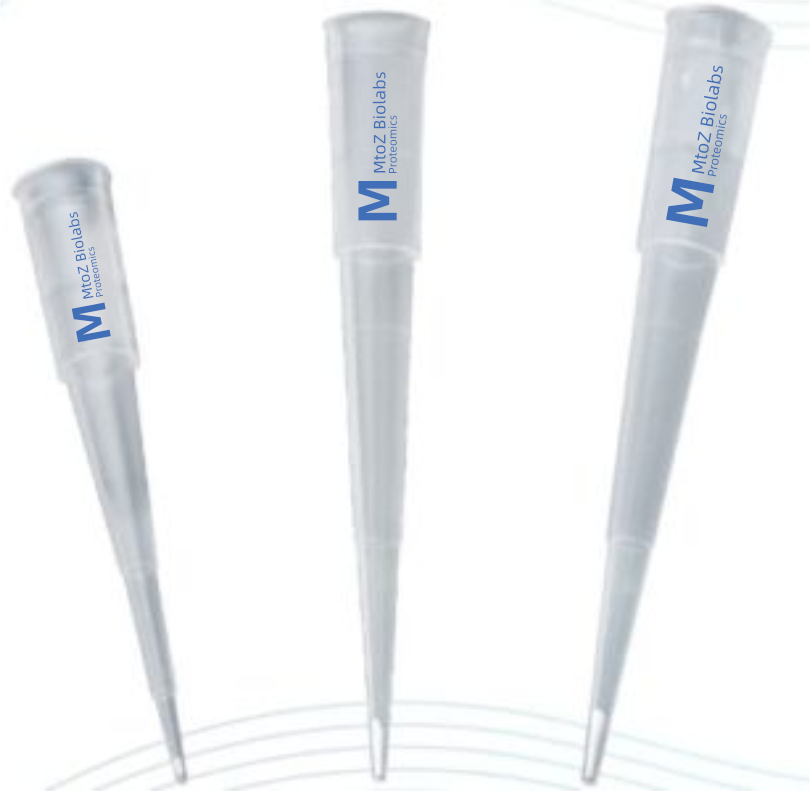
Figure 1. Photograph of the Stage-tip Desalting Column.
Protocol
The stage-tip desalting kit from MtoZ Biolabs offers a user-friendly workflow that enables peptide desalting and concentration to be completed within 30 minutes. The main steps are as follows:
1. Membrane Activation
(1) Pre-wet the membrane with 200 µL of 100% acetonitrile (ACN), then briefly centrifuge using a benchtop centrifuge for 30 seconds (centrifugal force ~2000-3000 rpm).
(2) Equilibrate the membrane with 200 µL of 0.1% formic acid (FA), followed by another brief 30-second centrifugation.
2. Peptide Loading
(1) Dissolve the lyophilized peptide powder in an appropriate volume (recommended 150-200 µL) using 0.1% trifluoroacetic acid (TFA) as the solvent.
(2) Slowly aspirate and load the sample onto the upper layer of the C18 membrane using a pipette.
(3) Briefly centrifuge for 30 seconds to complete the first loading.
(4) Collect the flow-through and reload it onto the desalting column for a second loading step.
3. Impurity Washing
(1) Wash the membrane with 200 µL of wash buffer (0.1% TFA in water) and centrifuge briefly for 30 seconds to remove salts and small-molecule contaminants.
(2) Repeat the wash once more.
4. Peptide Elution
(1) Elute the peptides with 200 µL of 80% ACN / 20% 0.1% TFA, and collect the eluate.
(2) Repeat once more to obtain a total of 400 µL of eluate.
5. Sample Concentration (Optional)
(1) Concentrate the sample slightly using a SpeedVac or nitrogen evaporator to increase peptide concentration.
The processed samples are ready for direct LC-MS/MS analysis, improving signal intensity and quantitative accuracy in mass spectrometry detection.
Features and Benefits
1. Efficient Desalting to Enhance MS Sensitivity
(1) Removes salts, urea, and detergents to effectively reduce matrix effects and improve signal-to-noise ratio.
(2) Minimizes ion suppression, optimizing peptide signal detection.
2. Low Sample Loss, Ideal for Low-Abundance Peptides
(1) High Recovery Rate: Retains peptides more effectively than traditional SPE methods.
(2) Low Variability: Suitable for high-throughput experiments with minimal batch-to-batch variation.
3. User-Friendly and Automation-Compatible
(1) Compatible with 96-well high-throughput workstations, meeting the demands of large-scale MS sample processing.
(2) The entire workflow can be completed with a pipette without centrifugation or magnetic beads.
4. Adaptable to Various MS Workflows
(1) Compatible with DDA, DIA, TMT, iTRAQ, and other quantitative strategies.
(2) Suitable for sample preparation in post-translational modification (PTM) studies such as phosphorylation and acetylation.
Applications
The stage-tip desalting kit from MtoZ Biolabs is suitable for a wide range of proteomics applications, including:
1. Desalting and Concentration of Routine Protease-Digested Samples
2. Pre-treatment of TMT/iTRAQ-Labeled Samples
3. Enrichment of Post-translationally Modified Samples (e.g., Phosphorylation, Acetylation)
4. Cleanup of Complex Biological Samples Such as Plasma and Tissue Lysates
5. High-Throughput Sample Processing in Automated Proteomics Workflows
The MtoZ Biolabs' stage-tip desalting kit provides an efficient and standardized solution for peptide desalting in proteomics research. It is suitable for workflows ranging from small-scale manual operations to high-throughput automated experiments. With advantages such as high recovery rates, minimal sample loss, and automation compatibility, it serves as an ideal choice for sample preparation in LC-MS/MS analysis. For detailed product information or bulk purchasing inquiries, please contact the professional team at MtoZ Biolabs.
Q1: What Is the Main Difference Between Stage-tip Desalting and Magnetic Bead-Based Desalting?
A1: Stage-tip desalting uses C18 membranes to bind peptides, with solid-phase extraction performed via pipetting. In contrast, magnetic bead desalting relies on the adsorption and release properties of magnetic microspheres. Stage-tips are ideal for low-input samples requiring high recovery, while magnetic beads are better suited for high-throughput automation.
Q2: Is it Suitable for Processing Phosphorylated or Other Modified Peptides?
A2: Yes. Stage-tip technology is well-suited for post-translational modification (PTM) studies and efficiently retains modified peptides, particularly those with phosphorylation, acetylation, or methylation.
Q3: What Mass Spectrometry Platforms Are Compatible with the Kit?
A3: The processed samples are compatible with a wide range of LC-MS/MS platforms, including Orbitrap, Triple TOF, Q Exactive, and others.
Q4: How Can Stage-tip Desalting Be Optimized for the Best Recovery?
A4: To improve binding efficiency, it is recommended to adjust peptide loading amounts, optimize the elution solvent composition, and ensure thorough membrane preconditioning.
Q5: What Is the Maximum Sample Capacity Per Stage-tip?
A5: Each Stage-tip is recommended for 5-100 µg of peptide sample, with a maximum handling volume of up to 200 µL.