|
Product Name |
Nano LC Column (C18, 75 µm × 15 cm) |
Packing Material |
C18 |
|
Matrix |
ODS |
Recommended Flow Rate |
200-400 nL/min |
|
Particle Size |
1.9 μm |
Recommended Column Temperature |
60℃ |
|
Pore Size |
120 Å |
pH Range |
2-8 |
With the continuous advancement of proteomics, metabolomics, and related life science research, there is an increasing demand for high-resolution and high-sensitivity separation and analysis tools. Nano-scale liquid chromatography technology (Nano-LC), known for achieving highly efficient separation and ultra-sensitive detection at extremely low flow rates, has gradually become a common approach for protein and peptide separation analysis. For many complex samples that require high-precision identification, Nano-LC not only reduces sample and reagent consumption but also enhances signal response and coverage in subsequent mass spectrometry detection. Therefore, a high-quality Nano LC column plays a critical role in proteomics, scientific testing, pharmaceutical R&D, and other fields. Based on years of technical accumulation and industry experience, MtoZ Biolabs, a supplier specializing in protein sample preparation consumables, has launched a Nano LC-MS column (C18, 75 µm × 15 cm), aimed at helping researchers and technical personnel achieve more stable, accurate, and high-throughput analysis results in micro-scale protein/peptide separation.
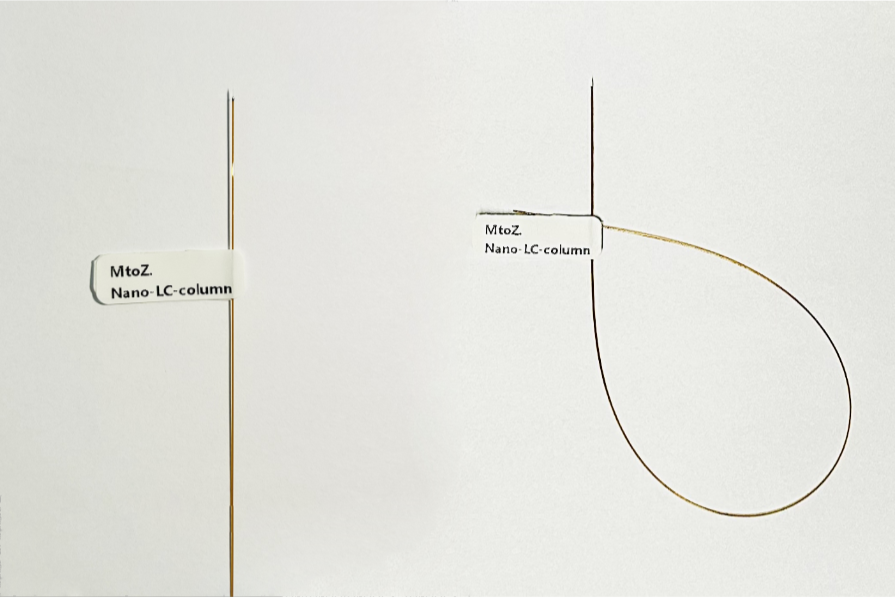
Figure 1. The Nano LC Column Provided by MtoZ Biolabs.
Product Overview
The Nano LC-MS column (C18, 75 µm × 15 cm) from MtoZ Biolabs features a narrow inner diameter, uniform packing, appropriate particle size, and stable bonded phase. The column is built upon a high-purity silica matrix and undergoes a rigorous C18 bonding process to ensure reliable separation efficiency and durability under low flow rate conditions. The small inner diameter (75 µm) maximizes peak resolution, which is especially beneficial for capturing signals from low-abundance peptide segments in subsequent mass spectrometry analysis. Meanwhile, the 15 cm length strikes a balance between separation depth and resolution, enabling high peak capacity while reducing analysis time and solvent consumption.
In proteomics and related scientific analyses, samples often exhibit a wide molecular weight distribution and large differences in concentration. MtoZ Biolabs fully considered these characteristics in the design of the Nano LC-MS column (C18, 75 µm × 15 cm), selecting packing materials with high stability and inertness to maintain excellent separation performance in complex matrix backgrounds. Thanks to its superior surface modification process, the column effectively reduces peak tailing and nonspecific adsorption of target molecules, thereby achieving more accurate quantitative analysis while maintaining a high signal-to-noise ratio.
Protocol
1. Recommended Mobile Phase
Phase A: 0.1% FA in water; Phase B: 0.1% FA in 80% ACN.
2. New Column Conditioning
When using a new column, flush it with 95% organic phase at a flow rate of 200 nL/min for 30 minutes. Then increase the flow rate to 400 nL/min and continue flushing with 95% organic phase for another 30 minutes. Adjust the organic phase to 50% and flush the column for 30 minutes. Finally, adjust the organic phase to 8% and equilibrate for 30 minutes.
3. Pre-Run Preparation
Before starting the experiment, flush the Nano LC column with the appropriate initial mobile phase for several minutes to ensure a stable baseline and match the solvent environment within the column to that of the sample.
4. Sample Loading
Dilute the peptide solution obtained from proteolysis or other pretreatment steps to an appropriate concentration (typically within nanoliter volumes). Use a micro-injection device or autosampler to introduce the sample at low flow rates to the Nano LC column inlet, avoiding high backpressure or sample overloading.
5. Gradient Elution
Set the elution gradient according to experimental requirements. As the proportion of organic solvent increases programmatically, peptides with different hydrophobicities elute sequentially, achieving good chromatographic separation. A recommended gradient duration is 60-120 minutes, with an effective gradient range of 8%-40% phase B.
6. Detection and Data Acquisition
Nano LC columns are commonly coupled with mass spectrometry for highly sensitive peptide detection. During gradient elution, the mass spectrometer continuously scans the eluate and performs qualitative and quantitative analysis of the separated components.
7. Post-Run Maintenance
After analysis, flush the column with a high organic phase (e.g., >90% acetonitrile or methanol) to remove residual hydrophobic molecules, and then restore column equilibrium with the equilibration solvent. For long-term storage, use a preservation solution containing a suitable amount of organic phase (e.g., 50% acetonitrile + 0.1% formic acid) to extend the column's service life and maintain stable performance.
Features and Benefits
1. High Resolution and Sensitivity
The 75 µm inner diameter combined with high-purity C18 packing facilitates efficient separation of target peptides under micro-flow conditions. The sharp peak shapes and enhanced signal intensity provide more accurate data for subsequent mass spectrometry analysis.
2. Excellent Peak Capacity
The 15 cm column length ensures sufficient separation depth while also reducing overall analysis time, playing a key role in high-throughput experiments.
3. Stable and Durable
Meticulous manufacturing processes ensure the stability of the bonded phase, reducing the risk of performance degradation with frequent use and enabling consistent separation performance over extended periods.
4. Reduced Nonspecific Adsorption
The optimized inertness of the packing surface effectively minimizes nonspecific interactions between the sample and the column, lowers background noise, and improves the reliability of detection results.
5. Broad Compatibility
The Nano LC-MS column (C18, 75 µm × 15 cm) is suitable for various gradient elution modes and commonly used liquid chromatography systems. It is compatible with nano-LC-MS platforms from multiple brands, meeting the analytical needs of different laboratories.
Applications
1. Proteomics Research
In the analysis of complex protein samples such as cell lysates and tissue homogenates, high-resolution peptide separation combined with mass spectrometry enables rapid screening and identification of various proteins using the Nano LC-MS column (C18, 75 µm × 15 cm), providing strong data support for elucidating biological mechanisms.
2. Biomarker Discovery
In disease diagnosis and drug mechanism studies, accurate separation and detection of low-abundance peptides are crucial for identifying potential biomarkers and developing novel diagnostic reagents.
3. Protein Modification Detection
Using Nano-LC-MS/MS technology, post-translational modifications (such as phosphorylation and glycosylation) can be precisely identified, contributing to a deeper understanding of signaling pathway regulation and cellular processes.
4. New Drug Development and Quality Control
In the biopharmaceutical field, high-resolution separation is essential for the characterization and quantification of biomacromolecules and their degradation products. It supports impurity identification and drug consistency evaluation, providing reliable data for R&D and quality control.
5. Trace Sample Analysis
MtoZ Biolabs' Nano LC-MS column (C18, 75 µm × 15 cm) is suitable for analyzing valuable or limited biological materials (such as serum and microbial culture supernatants), helping researchers obtain reliable detection results even when sample availability is constrained.
The Nano LC-MS column (C18, 75 µm × 15 cm) provided by MtoZ Biolabs offers high-resolution and high-sensitivity separation capabilities, enabling researchers to achieve outstanding experimental results in micro-scale protein and peptide analysis. With its stable performance and broad applicability, this column meets the stringent demands of proteomics research while also providing efficient and reliable solutions for fields such as biopharmaceutical development, disease diagnostics, and molecular biology. By following proper usage and maintenance protocols, users can fully harness the potential of this Nano LC column in both scientific research and industrial applications, gaining more comprehensive and accurate biological insights to advance life science innovation.
Q1: How Should the Column Be Activated?
A1: Generally, Nano LC columns are pretreated before delivery. Users only need to flush the column briefly with a solvent system similar to the experimental mobile phase before use. If the column has not been used for an extended period, flushing with an appropriate organic phase followed by re-equilibration is recommended.
Q2: How Should Flow Rate and Pressure Be Controlled?
A2: Nano LC typically operates at flow rates in the hundreds of nanoliters per minute or even lower. It is recommended to start at a low flow rate during initial use, observe the backpressure and elution performance, and then gradually adjust based on separation requirements and instrument capabilities. If excessive backpressure is observed, check for potential blockages or dead volume.
Q3: Can It Be Used for Separation of Other Types of Samples?
A3: Although the column is primarily designed for peptide separation, it can also be used for other samples compatible with C18 reversed-phase mode, such as small molecules or certain polypeptides. However, the mobile phase system and gradient program should be carefully designed according to the hydrophobicity and molecular weight of the target molecules.
Q4: How Can the Column Lifespan Be Extended?
A4: Maintain sample cleanliness to prevent particle and salt buildup; regularly flush with a high organic phase to remove hydrophobic contaminants; use proper storage solvent for long-term storage; avoid frequent pressure shocks or drastic solvent changes. These practices help preserve column performance.
Q5: What Should I Do If Peak Tailing or Resolution Loss Occurs?
A5: First, check the mobile phase and sample matrix composition to ensure appropriate acidity and organic phase content. Then inspect the column for packing damage or clogging. If needed, replace the filter or flush the column with a high organic phase or cleaning solution. If issues persist, consider replacing the column with a new one of the same model for comparison and troubleshooting.