
In plasma proteomics research, a small number of high-abundance proteins (such as albumin and immunoglobulins) account for over 90% of the total protein mass in plasma. These proteins severely mask the signals of low-abundance proteins, limiting the depth and sensitivity of mass spectrometry detection. This presents a major barrier to biomarker discovery and disease mechanism studies. Therefore, in proteomics, precision medicine, and clinical research, the development of efficient and mild methods for depleting high-abundance proteins has become a critical sample preparation step for improving data quality.
Traditional high-abundance protein depletion methods, such as immunoaffinity chromatography (IMAC) and organic solvent precipitation, often suffer from drawbacks such as significant non-specific protein loss, low recovery of low-abundance proteins, and inconsistent depletion efficiency. The abundant plasma protein depletion kit utilizes magnetic nanoparticle-based enrichment technology to efficiently remove 80-95% of high-abundance proteins while maximizing the retention of the integrity and biological activity of low-abundance proteins. This provides a superior sample preparation solution for proteomics, disease biomarker research, and clinical bioanalysis.
Product Overview
The abundant plasma protein depletion kit from MtoZ Biolabs employs magnetic nanoparticle-based enrichment technology to selectively recognize and remove major high-abundance proteins from plasma samples. It is suitable for the pretreatment of human plasma as well as animal plasma (including mouse, rat, rabbit, etc.). This method leverages the high affinity between magnetic nanoparticles and low-abundance proteins under mild buffer conditions, enabling efficient and selective enrichment while minimizing non-specific adsorption and structural disruption of low-abundance proteins.
Product Notes
1. Lysis Buffer 1 must be freshly prepared by mixing components A and B prior to use.
2. After sample preparation, use immediately or aliquot and store at -80°C.
3. The abundant plasma protein depletion kit is capable of processing 8 samples.
4. Avoid generating foam during operation, as it may interfere with protein binding efficiency.
5. It is recommended to use low-protein-binding microcentrifuge tubes to collect the eluate in order to prevent loss of low-abundance proteins due to adsorption to the tube walls.
6. Due to potential variation in protein concentration between plasma batches, a preliminary experiment is recommended to determine the optimal dilution ratio and incubation time.
Product Details
|
Product Details |
Size |
Storage Conditions |
|
Wash buffer 1 |
2 mL×1 |
RT |
|
Wash buffer 2 |
8 mL×1 |
RT |
|
Lysis buffer A |
3.75 mg×1 |
RT |
|
Lysis buffer B |
1 mL×1 |
RT |
|
Beads |
0.8 mg×1 |
4℃ |
Protocol
The abundant plasma protein depletion kit utilizes magnetic nanomaterial-based enrichment to capture low-abundance proteins, enabling rapid and efficient pre-treatment of plasma samples. The entire workflow is simple and time-saving, making it suitable for a variety of laboratory settings and experimental scales. As a magnetic bead-based kit, it follows the standardized protocol outlined below. Researchers may adjust the dilution ratio and incubation time according to specific experimental requirements.
1. Sample Pre-treatment
(1) Take an appropriate volume of fresh or thawed plasma sample, typically 10-100 µL (depending on kit size).
2. High-Abundance Protein Depletion
(1) Take an appropriate amount of pre-washed magnetic beads and add them to the corresponding volume of plasma sample.
(2) Mix thoroughly and incubate on a rotator for 10-15 minutes.
(3) Place the tube on a magnetic stand and allow the beads to separate; carefully discard the supernatant.
(4) Elute the low-abundance proteins from the beads using the provided lysis buffer.
3. Sample Concentration (Optional Step)
(1) If the eluted sample requires further concentration or buffer exchange, use an ultrafiltration tube for processing.
4. Sample Storage and Application
(1) Immediate Use: The protein sample, after high-abundance protein removal, can be directly used for SDS-PAGE, Western blotting, ELISA, LC-MS/MS, and other downstream applications.
(2) Storage: For later use, aliquot the sample and store at -80°C to avoid repeated freeze-thaw cycles and prevent protein degradation.
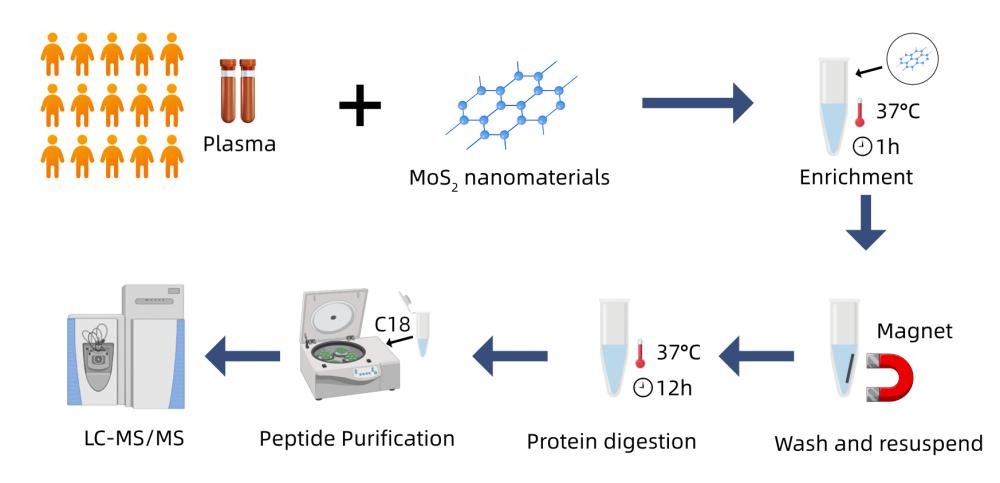
Figure 1. Experimental Flow Chart of Abundant Plasma Protein Depletion Kit.
Figures
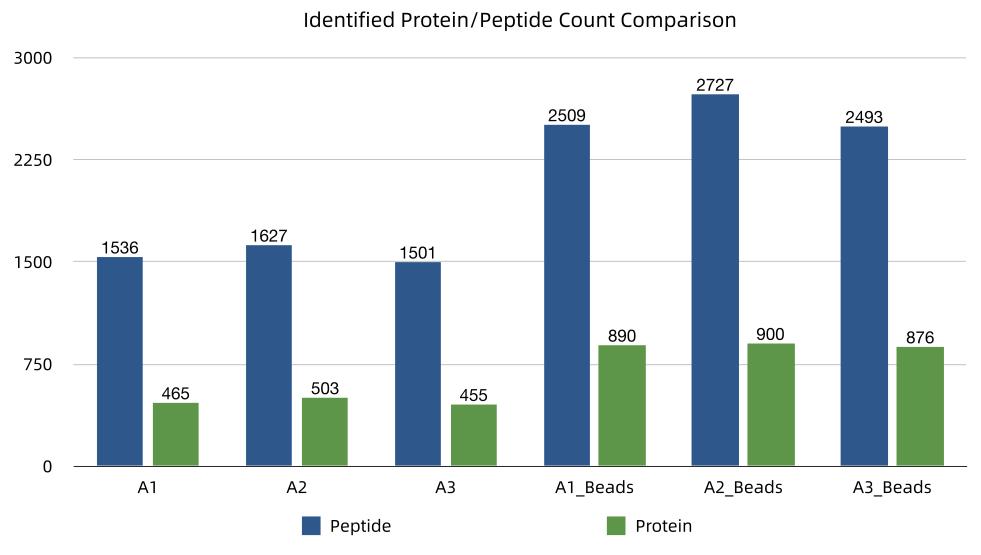
Figure 2. Experimental Renderings of Abundant Plasma Protein Depletion Kit.
Features and Benefits
1. High Depletion Efficiency
The abundant plasma protein depletion kit enables specific adsorption of high-abundance proteins in plasma samples, achieving a removal rate of up to 80-95%. It significantly increases the relative abundance and detection coverage of low-abundance proteins, enhancing the sensitivity of mass spectrometry analysis.
2. Minimal Protein Loss
Utilizing optimized affinity chromatography materials and a gentle buffer system, nonspecific binding and structural damage to proteins are minimized. It ensures selective depletion of high-abundance proteins while preserving low-abundance proteins.
3. Broad Sample and Downstream Compatibility
Compatible with plasma samples from humans, mice, rats, and other mammals, supporting multiple downstream applications including LC-MS/MS, Western blotting, SDS-PAGE, and ELISA.
4. Simple and Fast Operation
The entire procedure is easy to follow and can be completed within 30-40 minutes. No complex equipment is required, making it more suitable for standard laboratory environments and routine workflows.
Applications
1. Proteomics Research
By removing high-abundance proteins from plasma, the abundant plasma protein depletion kit significantly reduces sample complexity and enhances the detection of low-abundance proteins. It supports comprehensive proteomic profiling using LC-MS/MS to explore plasma protein expression patterns.
2. Biomarker Discovery
Analysis of changes in the expression of disease-associated low-abundance proteins can help identify potential biomarkers for cancer, metabolic disorders, neurodegenerative diseases, and more.
3. Functional Studies of Specific Proteins
Eliminating interfering high-abundance proteins allows for more accurate investigation of low-abundance proteins, enabling detailed studies on protein function and signaling pathway analysis.
4. Immunology and Inflammation Research
By improving the detectability of immune-related low-abundance proteins, the abundant plasma protein depletion kit supports the study of immune regulation, chronic inflammatory responses, and the expression profiles of proteins related to autoimmune diseases.
Q1: What Types of Samples Is the Kit Suitable for?
A1: The abundant plasma protein depletion kit is suitable for human plasma as well as animal plasma samples (e.g., mouse, rat, rabbit). It is designed to remove high-abundance proteins and enhance the detection of low-abundance proteins.
Q2: Is the Sample Compatible with Mass Spectrometry after High-Abundance Protein Removal?
A2: Yes, the optimized depletion buffer system in the kit is fully compatible with LC-MS/MS mass spectrometry analysis and does not interfere with protein identification or quantification.
Q3: Will Low-Abundance Proteins Be Lost during the Depletion Process?
A3: The abundant plasma protein depletion kit employs high-specificity affinity chromatography to preserve low-abundance proteins while minimizing nonspecific protein loss.
Q4: What Is the Sample Volume Capacity Per Run?
A4: The standard kit typically supports 10-100μL of plasma per run. For high-throughput applications, larger-volume versions are available upon request.