|
Product Name |
Nano LC Column (C18, 150 µm × 15 cm) |
Packing Material |
C18 |
|
Matrix |
Silica microspheres |
Recommended Flow Rate |
300-700 nL/min |
|
Particle Size |
1.9 μm/3 μm |
Recommended Column Temperature |
60 ℃ |
|
Pore Size |
120 Å |
pH Range |
2-8 |
In high-precision analytical fields such as proteomics and metabolomics, liquid chromatography-mass spectrometry (LC-MS) has become a vital tool for protein separation, identification, and quantification. Among LC-MS techniques, nano-flow liquid chromatography (NanoLC) stands out for its high separation efficiency and sensitivity, making it widely applicable in low-abundance protein analysis, post-translational modification studies, and single-cell proteomics. As one of the core components of a NanoLC system, the Nano LC column plays a critical role in determining both separation efficiency and mass spectrometric sensitivity. MtoZ Biolabs provides high-quality Nano LC-MS columns (C18, 150 µm × 15 cm), specifically optimized for protein and peptide separation, ensuring excellent resolution and reproducibility to meet the demands of cutting-edge life science research.
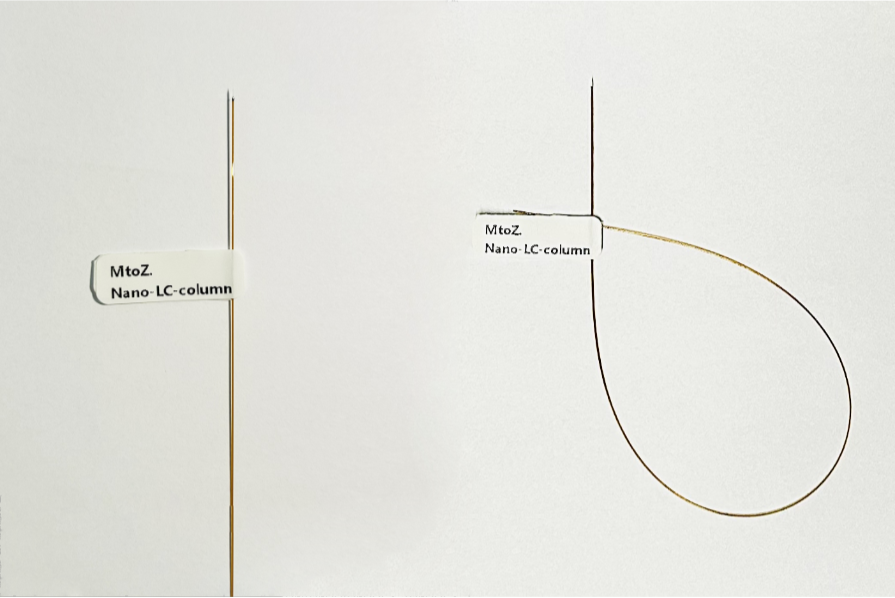
Figure 1. The Nano LC Column Provided by MtoZ Biolabs.
Product Overview
The Nano LC-MS column (C18, 150 µm × 15 cm) from MtoZ Biolabs is packed with a high-performance C18 stationary phase, combined with optimized particle size and bonding technology to deliver outstanding separation capability and durability. The column is suitable for protein and peptide analysis, particularly for the enrichment and separation of low-abundance samples. The 150 µm inner diameter ensures stable nano-flow rates, while the 15 cm column length enhances separation efficiency, balancing experimental throughput and data reproducibility.
Product Specifications Overview:
(1) Stationary Phase Type: C18 (octadecyl-bonded silica)
(2) Inner Diameter: 150 µm
(3) Column Length: 15 cm
(4) Particle Size: 1.9 µm or 3 µm (optional)
(5) Pore Size: 120 Å
(6) pH Tolerance Range: 2-8
(7) Compatible Systems: Compatible with various NanoLC systems, including Thermo Fisher, Agilent, Waters, and others
This product is specifically designed for high-sensitivity protein research, ensuring excellent peak shape and efficient separation performance while minimizing nonspecific adsorption of peptides and proteins, thereby enhancing detection sensitivity.
Protocol
Proper use and maintenance of Nano LC columns are essential to ensure optimal separation performance. The following are the recommended operating procedures:
1. Recommended Mobile Phases
Phase A: 0.1% formic acid in water; Phase B: 0.1% formic acid in 80% acetonitrile.
2. New Column Equilibration
When activating a new column, flush it at a flow rate of 300 nL/min with 95% organic phase for 30 minutes. Then increase the flow rate to 600 nL/min and continue flushing with 95% organic phase for another 30 minutes. Adjust the organic phase to 50% and flush for 30 minutes. Finally, reduce the organic phase to 8% and equilibrate the column for 30 minutes.
3. Pre-Run Preparation
Before beginning the experiment, flush the Nano LC column with the initial mobile phase for several minutes to ensure a stable baseline and match the solvent environment inside the column with the mobile phase system of the sample.
4. Sample Loading
Dilute the peptide solution obtained through enzymatic digestion or other pretreatment to an appropriate concentration (typically in the nanoliter volume range). Use a micro-sample injection device or autosampler to introduce the sample at a low flow rate into the Nano LC column inlet, avoiding excessive backpressure or sample overloading.
5. Gradient Elution
Set the elution gradient according to experimental needs. As the proportion of organic solvent increases programmatically, peptides with varying hydrophobicity elute sequentially, resulting in effective chromatographic separation. A recommended gradient duration is 60-120 minutes, with an effective gradient range of 8%-40% phase B.
6. Detection and Data Acquisition
Nano LC columns are commonly coupled with mass spectrometry for highly sensitive peptide detection. During gradient elution, the mass spectrometer continuously scans the eluent and performs qualitative and quantitative analysis of the separated components.
7. Post-Run Maintenance
After analysis, flush the column with a high organic phase (e.g., >90% acetonitrile or methanol) to remove residual hydrophobic compounds, then re-equilibrate the column with the appropriate solvent. For long-term storage, use a preservation solution containing a suitable amount of organic solvent (e.g., 50% acetonitrile + 0.1% formic acid) to extend the column's lifespan and maintain stable performance.
Features and Benefits
The Nano LC-MS column (C18, 150 µm × 15 cm) from MtoZ Biolabs undergoes rigorous quality control to ensure outstanding performance in protein and peptide separations. The main advantages include:
1. High Separation Efficiency and Excellent Peak Shape
(1) Utilizes an optimized C18 stationary phase to achieve exceptional retention and separation capability.
(2) Suitable for high-resolution analysis of complex protein and peptide mixtures.
2. Stable Performance at Low Flow Rates
(1) The 150 µm inner diameter is optimized for improved fluid dynamics, reducing the risk of column clogging.
(2) Maintains excellent peak shapes and data reproducibility at low flow rates (300–700 nL/min).
3. Wide pH Tolerance Range
Compatible with buffer systems in the pH range of 2-8, supporting various sample types and experimental needs.
4. Compatibility with Multiple Mass Spectrometry Platforms
Adaptable to major NanoLC-MS systems from Thermo Fisher, Agilent, Waters, and others, enhancing experimental versatility.
5. Durability and Batch-to-Batch Consistency
Manufactured with strict quality control and packing technology to ensure consistency between batches, minimizing experimental variability.
Applications
The Nano C18 column from MtoZ Biolabs is widely applicable across various fields of life science research and is suitable for a broad range of protein and peptide analysis needs:
1. Proteomics Research
Suitable for LC-MS/MS analysis to explore the composition and abundance variations of complex protein mixtures.
2. Post-Translational Modifications (PTMs) Analysis
Applicable to in-depth studies of modified proteins, including phosphorylation, glycosylation, ubiquitination, and more.
3. Biomarker Discovery
Enables high-sensitivity separation and detection of low-abundance proteins, facilitating the screening of disease-related biomarkers.
4. Drug Metabolism and Target Studies
Used for analyzing protein-drug interactions and metabolic pathways.
5. Single-Cell Proteomics
Plays a critical role in ultra-low input analyses, making it suitable for single-cell studies.
The Nano LC-MS column (C18, 150 µm × 15 cm) from MtoZ Biolabs is an ideal choice for proteomics and bioanalytical applications, offering high separation efficiency, stable performance at low flow rates, broad pH compatibility, and outstanding durability. Whether used for protein identification, post-translational modification studies, or single-cell proteomics, the column delivers reliable separation performance and high-quality data. Through optimized manufacturing processes and stringent quality control, MtoZ Biolabs ensures that every column provides researchers with consistent and dependable analytical results.
Q1: What Types of Samples Are Suitable for the Nano C18 Column?
A1: It is suitable for protein hydrolysates, peptides, polypeptides, metabolites, and especially protein samples for LC-MS/MS analysis.
Q2: How Should the Column Be Stored to Maintain Performance?
A2: It is recommended to flush the column with 50% acetonitrile aqueous solution after use and store it at 4°C to avoid drying and contamination.
Q3: How Can Clogging Be Prevented During Use?
A3: Filter samples using a 0.22 µm membrane to remove particulates, and avoid introducing high concentrations of salts or protein precipitates into the LC system.
Q4: What Is the Typical Lifespan of the Column?
A4: It depends on usage frequency and sample type. With proper maintenance, the column can deliver good performance for several hundred injections.
Q5: Which Liquid Chromatography Systems Are Compatible with this Column?
A5: It is compatible with all major NanoLC systems, including Thermo-EasynLC, Agilent-nanoLC, and Waters-nanoAcquity.