






Exosome-Mediated ASO Delivery Service
- Electroporation: Applies controlled electrical pulses to allow ASO entry into vesicles.
- Chemical Transfection: Utilizes lipid-based reagents to promote ASO incorporation.
- Donor Cell Engineering: Involves transfection of parent cells to enable endogenous ASO packaging into secreted exosomes.
- Nanoparticle tracking analysis (NTA)
- Western blot or ELISA for exosomal markers (CD63, CD81, etc.)
- TEM imaging for morphology
- qPCR and fluorescence assays for ASO loading efficiency
- Target gene knockdown assays
- Reporter assays
- Cell viability and uptake studies
- Comprehensive experimental details (materials, instruments, and methods)
- Purified exosomes loaded with ASOs
- Characterization report of exosomes including size, concentration, and loading efficiency
- Summary of surface modifications (if applicable)
- Quality control documentation
- Custom reports tailored to research needs and project goals
Antisense oligonucleotides (ASOs) are short, synthetic single-stranded DNA or RNA molecules designed to specifically bind to target RNA sequences through Watson-Crick base pairing. By altering splicing, inhibiting translation, or promoting RNA degradation, ASOs offer a powerful tool for modulating gene expression at the post-transcriptional level. Over the past decade, ASO-based therapeutics have shown great promise in the treatment of various genetic, neurological, oncological, and inflammatory disorders. Despite their therapeutic potential, the clinical translation of ASOs faces significant delivery-related challenges. These include rapid degradation by nucleases in biological fluids, poor cellular uptake, off-target effects, and limited tissue specificity. Systemic administration of naked ASOs often results in suboptimal bioavailability and undesired immune activation, especially in sensitive tissues such as the brain, liver, and kidneys. To fully realize the clinical potential of ASO therapeutics, a safe, efficient, and targeted delivery system is critical.
Exosomes, endogenous nano-sized extracellular vesicles secreted by various cell types, have emerged as promising natural carriers for nucleic acid drugs including ASOs. Their lipid bilayer protects nucleic acids from enzymatic degradation, while their innate biocompatibility, low immunogenicity, and ability to cross physiological barriers such as the blood-brain barrier make them ideal vehicles for therapeutic delivery. Moreover, exosomes can be engineered for surface modification to enhance tissue tropism and cellular uptake, offering precise control over biodistribution.
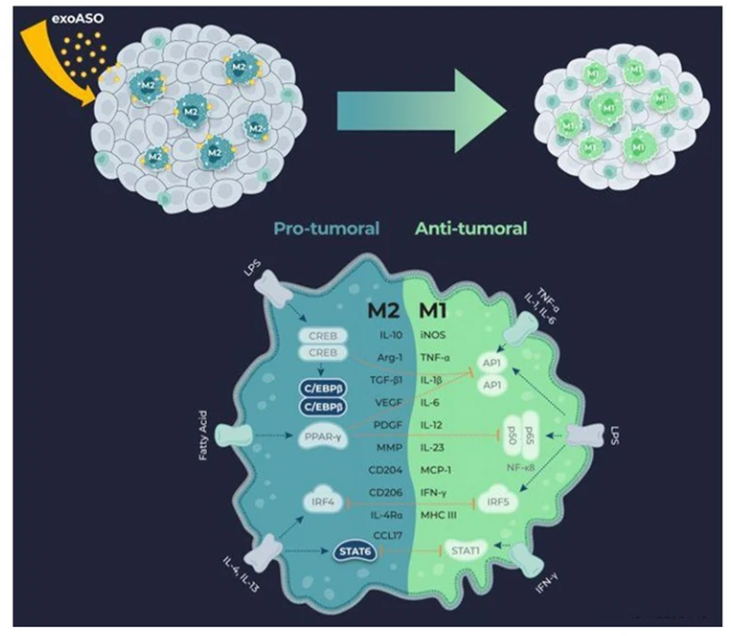
Figure 1. Engineered Exosomes to Deliver ASO to Produce Effective Antitumor Activity
Service at MtoZ Biolabs
MtoZ Biolabs provides a comprehensive Exosome-Mediated ASO Delivery Service, supporting both preclinical and translational research. Our service enables researchers to load antisense oligonucleotides into exosomes, optimize delivery efficiency, and evaluate biological activity in targeted systems. We aim to bridge the gap between therapeutic potential and delivery challenges by offering reliable, customizable, and scalable ASO delivery solutions. In addition to supporting exosome-mediated ASO delivery, we also offer customized services for protein, RNA and small molecule drug delivery. Our tailored solutions ensure that RNA-based therapies such as mRNA, siRNA, miRNA, and circRNA, as well as small molecule and protein drugs, are efficiently delivered using exosomes, providing a versatile platform for a wide range of therapeutic applications.
MtoZ Biolabs applies a streamlined and customizable workflow to support each client's unique ASO delivery requirements. Our platform includes:
1. Exosome Isolation and Purification
We isolate exosomes from cell culture supernatants or body fluids using ultracentrifugation, size exclusion chromatography, or immunoaffinity capture. The selected method ensures purity, integrity, and scalability based on your sample type and project goals.
2. ASO Cargo Loading
We provide multiple strategies for loading ASOs into exosomes:
All loading methods are optimized to preserve exosome structure and maximize ASO encapsulation efficiency.
3. Surface Functionalization (Optional)
For targeted delivery, we offer exosome surface modification via ligand conjugation, peptide tagging, or antibody anchoring to direct vesicle tropism toward specific cell types or tissues.
4. Characterization and Quality Control
We perform detailed quality assessment using:
5. In Vitro or In Vivo Functional Validation (Optional)
We assist in evaluating ASO bioactivity through:
All validation workflows are tailored to your experimental system.
Service Advantages
✔️Advanced Analysis Platform
MtoZ Biolabs established an advanced Exosome-Mediated ASO Delivery Service platform, guaranteeing high-quality deliverables for your projects.
✔️Expertise in Exosome Technologies
MtoZ Biolabs specializes in cutting-edge exosome technologies. Our team has extensive experience in exosome isolation, engineering, and functionalization, ensuring optimal ASO loading and delivery for a wide range of applications.
✔️Comprehensive Service Offering
From exosome production and ASO encapsulation to quality control and in vivo validation, MtoZ Biolabs offers a full suite of services. We provide end-to-end support, saving you time and ensuring a seamless workflow from research to clinical application.
✔️Tailored Solutions
Our services are highly customizable to accommodate various ASO types, targeted delivery needs, and disease-specific challenges. Our flexible platform is designed to meet your specific research needs.
Applications
1. Neurological Disorders: Efficient ASO delivery across the blood-brain barrier (BBB) to regulate gene expression at the RNA level in diseases such as Alzheimer's, Parkinson's, and Huntington's.
2. Cancer Therapeutics: Exosome-mediated ASO delivery can be used to silence oncogenes, modulate tumor suppressor gene expression, or address resistance mechanisms in tumor cells.
3. Functional Genomics: Modulating gene expression to study gene function, regulation, and interaction for functional genomics research.
Deliverables
Our Exosome-Mediated ASO Delivery Service is designed to provide more rapid, high-throughput, and cost-effective analysis, with exceptional data quality. Free project evaluation, welcome to learn more details.
Related Services
|
Comprehensive Exosome Analysis Services by MtoZ Biolabs |
|||
|
Ultracentrifugation and Microfiltration based Exosome Purification |
Classical method for enriching exosomes from large-volume samples; suitable for preparative applications. |
||
|
Size Exclusion Chromatography (SEC) based Exosome Purification |
Gentle, size-based separation preserving exosome integrity; ideal for downstream functional studies. |
||
|
High-purity isolation targeting specific exosome surface markers using antibody-conjugated platforms. |
|||
|
Physical Characterization |
Measures particle size distribution and concentration; widely used for routine exosome quality assessment. |
||
|
Provides direct visualization of exosome morphology; considered the gold standard for structural validation. |
|||
|
Enables single-particle analysis of size, concentration, and zeta potential with high precision. |
|||
|
Confirms exosome identity and purity by detecting classical (e.g., CD63) and negative (e.g., Calnexin) markers. |
|||
|
Quantifies surface proteins and distinguishes subpopulations using fluorescent antibody labeling. |
|||
|
High-sensitivity single-particle analysis of exosome size, concentration, and surface marker expression. |
|||
|
Mass spectrometry-based profiling of exosomal proteins to reveal functional content and biomarkers. |
|||
|
Identifies low-molecular-weight metabolites in exosomes to explore their metabolic roles and signatures. |
|||
|
Comprehensive analysis of lipid species involved in membrane structure and signaling. |
|||
|
High-throughput sequencing of total RNA to reveal lncRNA, miRNA, and mRNA content. |
|||
|
Fluorescent or functional labeling for exosome tracking and uptake studies. |
|||
|
Custom engineering of exosomes for targeted delivery to disease-specific tissues or cells. |
|||
|
Incorporates therapeutic cargos such as RNA, proteins, or small molecules into exosomes. |
|||
|
Exosome-Associated Adeno-Associated Virus (AAV) Vector Production |
Combines exosomes with AAV vectors to enhance gene delivery and targeting efficiency. |
||
|
Assesses cellular-level effects such as proliferation, migration, and immune modulation. |
|||
|
Evaluates biodistribution and biological activity of exosomes in animal models. |
|||
How to order?




