






Cardiovascular Disease Exosome Research Service
- Ultracentrifugation
- Microfluidic device
- Size exclusion chromatography (SEC)
- Polymer-based precipitation
- Immunoaffinity capture
- Nanoparticle tracking analysis (NTA)
- Transmission electron microscope (TEM)
- Western blotting
- Flow cytometry
- Fluorescent labeling
- Bioluminescence imaging (BLI)
- Magnetic resonance imaging (MRI)
- Computed tomography (CT)
- Animal models
- Genetic engineering
- Electroporation
- Chemical conjugation
- Sonication
- Genetic editing
- Metabolic labeling
- Biomarker Discovery: Identification of disease-specific exosomal signatures for early diagnosis and risk stratification
- Mechanistic Studies: Elucidation of the roles of exosomes in inflammation, thrombosis, oxidative stress, and cardiac fibrosis
- Therapeutic Target Identification: Discovery of exosome-mediated pathways or cargo molecules as therapeutic targets
- Drug Response Monitoring: Evaluation of treatment efficacy by profiling exosome-derived molecular changes pre- and post-intervention
- Regenerative Cardiology: Investigating the role of stem-cell-derived exosomes in promoting myocardial repair and angiogenesis
- Exosome-Based Drug Delivery: Development and validation of engineered exosomes as targeted delivery vehicles for RNA, peptides, or small molecules in cardiovascular therapies
- Sample Types: Serum, plasma, urine, tissue lysate, cell culture media, or other biological samples
- Volume Requirements: Minimum 500 μL for fluids, or 50 mg for tissue samples
- Storage and Transport: Store samples at −80°C and ship on dry ice; avoid repeated freeze–thaw cycles
Exosomes are small extracellular vesicles released by various cell types that mediate intercellular communication through the transfer of bioactive molecules such as proteins, lipids, and nucleic acids. In cardiovascular research, exosomes have emerged as critical regulators and potential biomarkers due to their capacity to reflect the physiological and pathological state of their cells of origin. They are found in virtually all biological fluids, including plasma and serum, enabling non-invasive access to molecular information from cardiovascular tissues.
Exosomes contribute to a wide range of cellular processes in the pathophysiology of cardiovascular diseases, including inflammation, oxidative stress response, fibrosis, angiogenesis, and apoptosis. These vesicles not only serve as indicators of disease progression but also mediate cross-talk between the heart and distant organs such as the liver and kidneys. Multiple cardiac and stem cell types have been identified as major sources of exosomes involved in cardiovascular regulation:
🔺Cardiomyocyte-derived exosomes themselves play roles in mediating fibrosis, remodeling, and hypertrophic signaling under pathological stress.
🔺Cardiosphere-derived cells (CDCs) produce exosomes with strong regenerative capacity, which have been demonstrated to improve myocardial function and reduce infarct size following myocardial infarction.
🔺Cardiac progenitor cells (CPCs) release exosomes that enhance neovascularization and cardiomyocyte survival, particularly under ischemic conditions.
🔺Mesenchymal stromal cells (MSCs) secrete exosomes enriched in immunomodulatory and anti-apoptotic molecules that support cardiac injury repair by mitigating inflammation and promoting regeneration.
🔺Induced pluripotent stem cell (iPSC)-derived exosomes protect cardiac tissue from oxidative stress and apoptosis, offering promise for cell-free cardiac therapy.
🔺Embryonic stem cell (ESC)-derived exosomes have shown potential in facilitating cardiomyocyte proliferation and tissue repair.
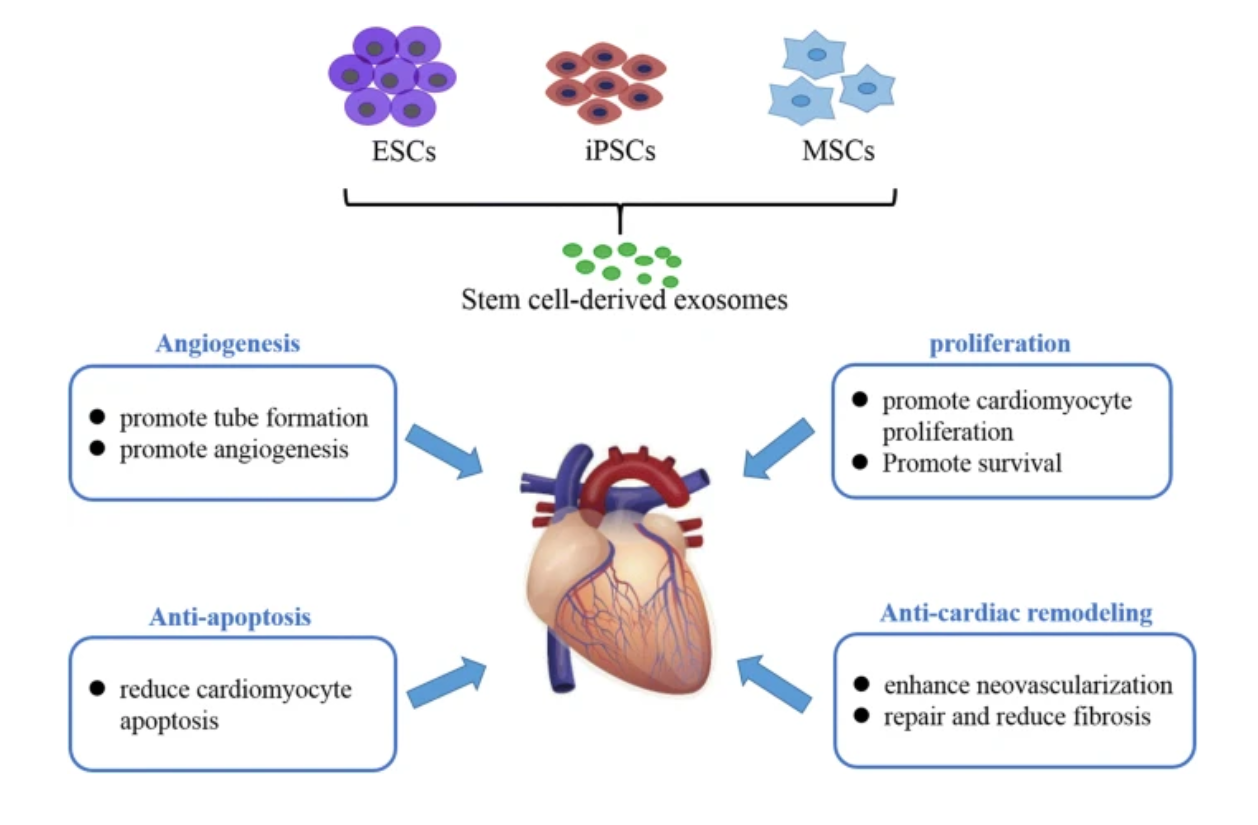
Figure 1. Exosomes in Cardiovascular Pathophysiology
Moreover, owing to their natural biocompatibility, low immunogenicity, and ability to traverse biological barriers, exosomes have emerged as promising delivery vehicles for therapeutic molecules such as miRNAs, siRNAs, peptides, and small-molecule drugs. Engineered exosomes can be modified to enhance tissue targeting, stability, and therapeutic efficacy.
Service at MtoZ Biolabs
MtoZ Biolabs offers a dedicated Cardiovascular Disease Exosome Research Service designed to support basic, translational, and preclinical research in cardiovascular disease pathophysiology and therapy. Our platform integrates state-of-the-art exosome technologies, advanced multi-omics profiling, and customizable bioinformatics pipelines to help researchers systematically explore the roles of exosomes in cardiovascular disease.
We provide tailored solutions for a range of cardiovascular research objectives, including:
💠Exosome Isolation and Purification
Using advanced techniques, we ensure the isolation of high-purity and intact exosomes from blood, serum, cardiac tissue, or cell culture media.
We provide comprehensive analysis of physical characterization and exosome markers (CD63, CD81, TSG101, etc.).
💠Exosomal Cargo Profiling
We conduct in-depth analysis of proteins (LC-MS/MS), RNAs (miRNA/lncRNA/circRNA-seq), metabolites, and lipids to define functional signatures and biomarker candidates.
💠Exosomes Labeling and Tracking
Our service supports exosome labeling and real-time tracking to investigate cell-specific exosome origin, cargo loading mechanisms, and downstream biological effects.
We conduct in vitro and in vivo functional assays to determine the effects of exosomes, including their roles in angiogenesis, apoptosis regulation, cardiomyocyte viability, and anti-fibrotic processes.
Our team supports exosome modification to deliver therapeutic RNAs or proteins into cardiac cells, facilitating regenerative medicine research.
Analysis Workflow

Service Advantages
✅Advanced Analytical Platforms: MtoZ Biolabs established an advanced Cardiovascular Disease Exosome Research Service platform, guaranteeing reliable, fast, and highly accurate analysis service.
✅Specialized Expertise: We have a dedicated team with deep experience in cardiovascular biology, exosome analytics, and systems biology
✅Customizable Services: MtoZ Biolabs offers flexible service models tailored to client-specific goals, from exploratory studies to clinical validation
✅High Quality Standards: Rigorous QC checkpoints, standardized protocols, and reproducibility assurance
Applications
Our Cardiovascular Disease Exosome Research Service can be applied in a wide array of research areas:
Sample Submission Suggestions
To ensure optimal results, we recommend the following:
*Please consult us for tailored sample collection and storage protocols to maximize data quality.
Deliverables
1. Comprehensive experimental details (materials, instruments, and methods)
2. Raw data
3. Processed omics data files
4. Quality control reports (NTA, Western blot, TEM images)
5. Functional assay results
6. Bioinformatics analysis
7. Customized report based on project requirements
In addition to our Cardiovascular Disease Exosome Research Service, MtoZ Biolabs also offers comprehensive exosome research solutions for a wide range of diseases. Our expertise extends to cancer, neurological diseases, tissue regeneration and repair, as well as infectious diseases. By leveraging cutting-edge technologies and a deep understanding of exosome biology, we provide tailored solutions to accelerate research, biomarker discovery, and therapeutic development across these critical areas.
Our Cardiovascular Disease Exosome Research Service is designed to provide more rapid, high-throughput, and cost-effective analysis, with exceptional data quality and minimal sample consumption. Free project evaluation, welcome to learn more details.
Related Services
Exosomal Biogenesis and Identification Service
Exosomal Cargo and Loading Mechanism Service
Exosome-Based Drug Delivery Service
Exosome Antibody Development Service
How to order?




