






Cancer Exosome Research Service
- Ultracentrifugation
- Microfluidic Device
- Size exclusion chromatography (SEC)
- Polymer-based precipitation
- Immunoaffinity capture
- Nanoparticle tracking analysis (NTA)
- Transmission Electron Microscope (TEM)
- Western Blotting
- Flow cytometry
- High-resolution LC-MS/MS for proteomics , lipidomics, and metabolomics
- RNA sequencing for miRNAs and mRNAs profiling
- Fluorescent Labeling
- Bioluminescence Imaging (BLI)
- Magnetic Resonance Imaging (MRI)
- Computed Tomography (CT)
- Fluorescent labeling
- Genetic engineering
- Functional reporter systems
- Biomarker Discovery: Identify exosomal proteins or RNAs for early detection, prognosis, or treatment response.
- Tumor Microenvironment (TME) Interaction: Investigate how cancer exosomes influence stromal cells, angiogenesis, or immune escape.
- Metastasis Mechanisms: Explore pre-metastatic niche formation, organotropism, and exosome-mediated cell migration.
- Therapeutic Resistance: Examine exosome-driven transmission of resistance factors and their role in drug failure.
- Immuno-Oncology: Study how tumor exosomes modulate T cells, dendritic cells, or macrophage polarization.
- Isolated Exosomes: ≥200 μg total protein or ≥100 μL in PBS
- Plasma/Serum: ≥2 mL per sample
- Cell Culture Supernatants: ≥5 mL per sample
- Other Body Fluids: Please inquire for specific requirements
Cancer is a highly complex and heterogeneous disease characterized by uncontrolled cell growth, tissue invasion, and metastatic spread. Exosomes, nano-sized extracellular vesicles, have emerged as critical mediators in tumor biology. Secreted by virtually all cancer and stromal cells, exosomes facilitate cell-to-cell communication by transporting diverse biomolecular cargoes including proteins, nucleic acids, lipids, and metabolites.
These vesicles play vital roles in cancer progression, including tumor growth, immune modulation, angiogenesis, epithelial-mesenchymal transition (EMT), drug resistance, and pre-metastatic niche formation. Moreover, cancer-derived exosomes mirror the molecular features of their parent tumor cells and circulate stably in biofluids such as blood, urine, and saliva—making them attractive candidates for non-invasive diagnostics, prognostics, and therapeutic targeting.
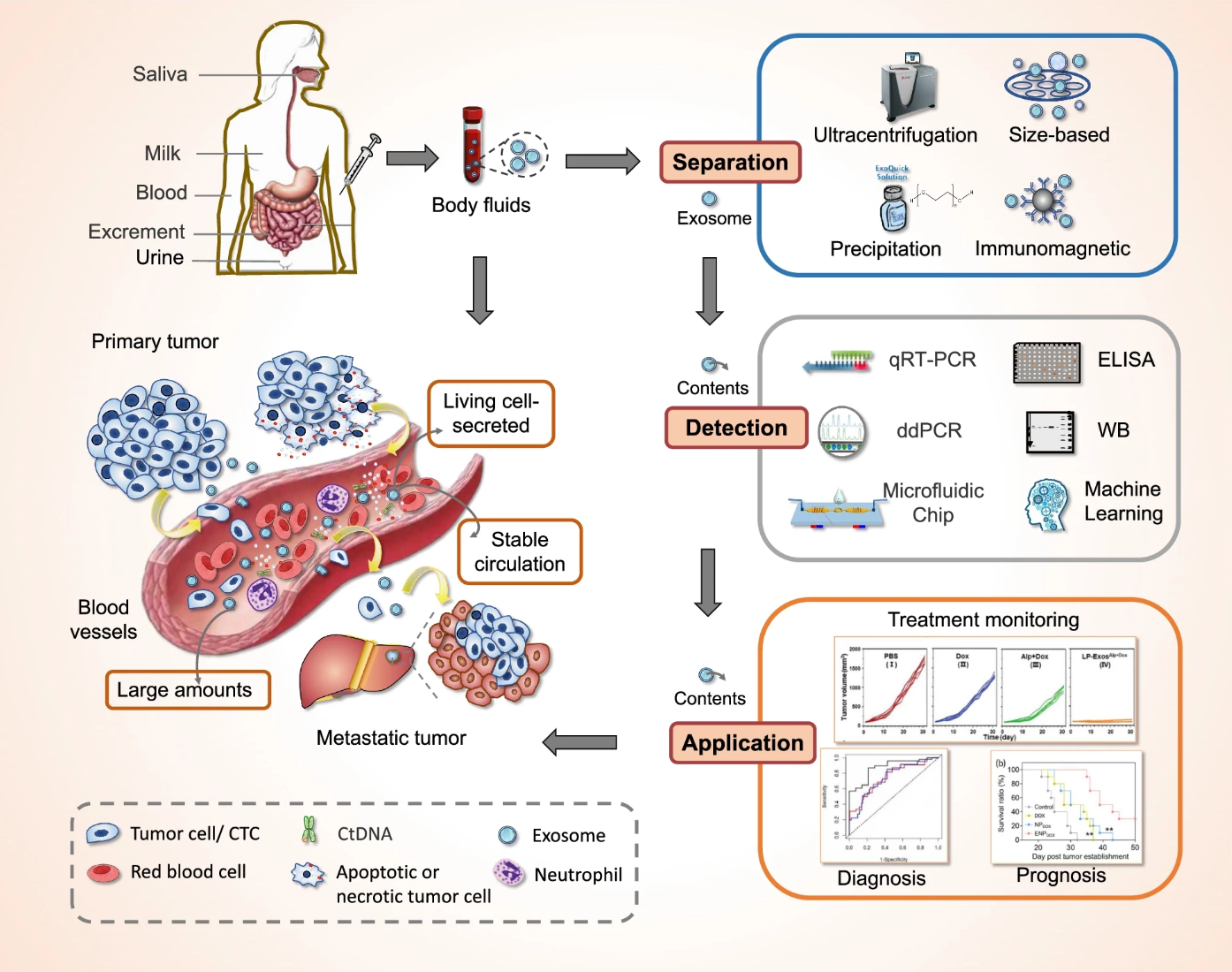
Figure 1. The Role of Exosomes in Cancer and Methods for Their Separation and Detection
Service at MtoZ Biolabs
To unlock the full potential of exosome-based oncology research, MtoZ Biolabs offers a Cancer Exosome Research Service that integrates state-of-the-art exosome isolation technologies with high-resolution multi-omics platforms and functional validation assays. Our service enables researchers to discover novel biomarkers, explore tumor microenvironment interactions, and accelerate clinical translation.
MtoZ Biolabs' Cancer Exosome Research Service supports oncology studies across a variety of tumor types, including but not limited to:
🔺Breast Cancer Exosome Research
🔺Pancreatic Cancer Exosome Research
🔺Glioblastoma Exosome Research
🔺Prostate Cancer Exosome Research
🔺Colorectal Cancer Exosome Research
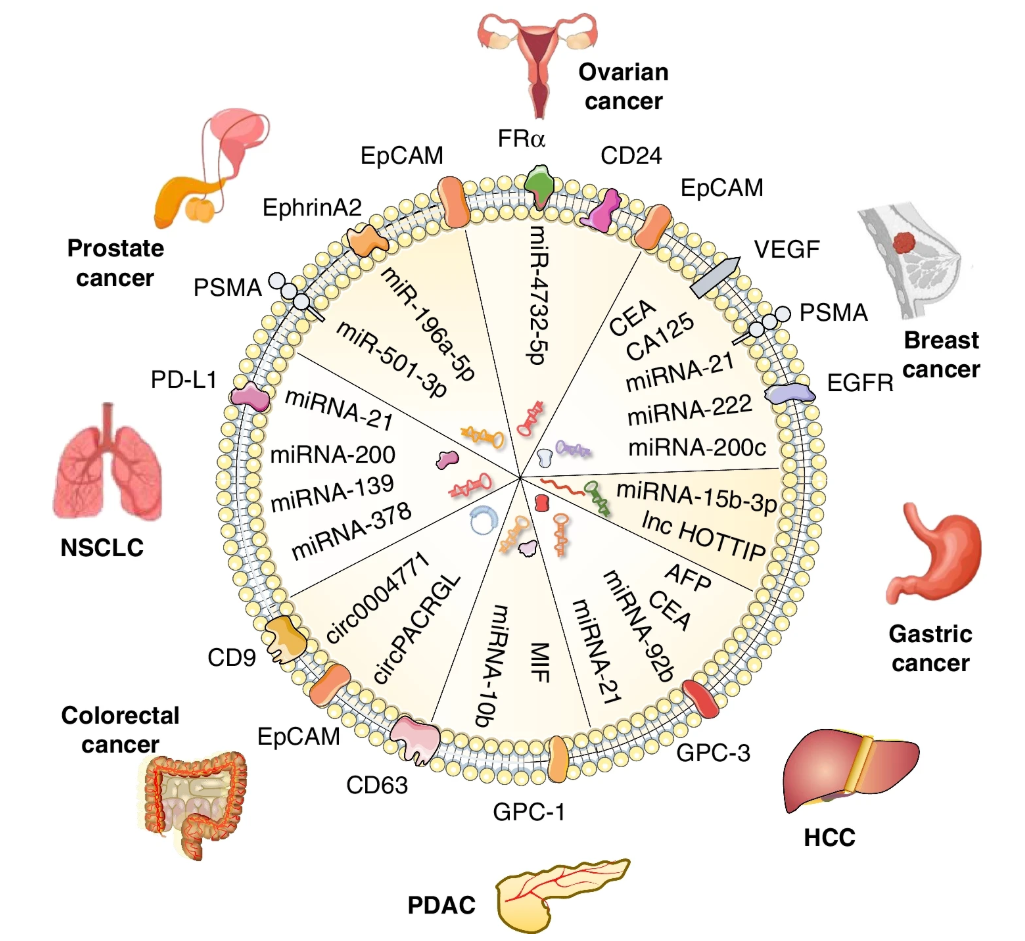
Figure 2. Cancer-derived Exosomes have been Tested as New Biomarkers for the Early Diagnosis, Stage Classification, and Prognosis Prediction of Different Cancers
We offer a flexible, customizable service that includes:
💠Exosome Isolation and Purification
💠Multi-Omics Analysis
💠Exosome Labeling and Tracking
💠Exosome Function Analysis (In Vitro & In Vivo)
Analysis Workflow
1. Sample Collection & Preprocessing
Collection of body fluid, tissue, or cell culture media, followed by standardized centrifugation and filtration steps to remove debris.
2. Exosome Isolation
Isolation using ultracentrifugation, size exclusion chromatography (SEC), or immunoaffinity capture, depending on sample type and research goals.
3. Exosome Characterization
Morphological validation by TEM and NTA, and molecular characterization of classical exosomal markers by Western blotting.
4. Cargo Extraction & Multi-Omics Profiling
Extraction of exosomal RNA, protein, and metabolites for subsequent sequencing or mass spectrometry analysis.
5. Functional Assays (Optional)
In vitro and in vivo experiments to assess exosome-mediated effects on cell proliferation, migration, immune modulation, or drug resistance.
6. Bioinformatics & Data Interpretation
Integrated analysis of omics data, pathway mapping, and biomarker identification with expert biological insights.
7. Reporting & Delivery
Delivery of raw data, processed results, and a customized interpretation report.
Service Advantages
✔️Advanced Analytical Platforms
✔️Expert Scientific Team
✔️Customizable & Scalable Solutions
✔️Stringent Quality Control
✔️End-to-End Workflow Support
Applications
Our Cancer Exosome Research Service supports multiple oncology-focused research directions, including but not limited to:
Sample Submission Suggestions
We accept the following sample types:
Samples should be stored at -80°C and shipped on dry ice. Avoid repeated freeze–thaw cycles.
*Please consult us for tailored collection and storage protocols to maximize data quality.
Deliverables
1. Comprehensive experimental details (materials, instruments, and methods)
2. Raw data
3. Processed omics data files
4. Quality control reports (NTA, Western blot, TEM images)
5. Functional assay results
6. Bioinformatics analysis
7. Customized report based on project requirements
If you are interested in our Cancer Exosome Research Service, please feel free to contact us. Our technical specialists are available to provide a free business assessment.
Related Services
Exosomal Biogenesis and Identification Service
Exosomal Cargo and Loading Mechanism Service
Exosome-Based Drug Delivery Service
Exosome Antibody Development Service
How to order?




