






What Mitochondrial Proteomics Can Reveal and How to Plan Your Study
Mitochondrial proteomics provides a protein-level view of mitochondria and mitochondrial-associated biological changes. It can be used to characterize mitochondrial protein composition, compare protein abundance between biological conditions, investigate coordinated pathway remodeling, and examine selected post-translational modifications when regulatory changes are part of the research question.
A mitochondrial proteomics study is most informative when the analytical strategy is defined around a clear biological question. Before starting mass spectrometry analysis, several decisions need to be made: whether mitochondrial-focused proteomics is necessary, what starting material should be analyzed, whether mitochondrial enrichment is appropriate, what type of quantitative comparison is required, and what level of biological evidence the resulting dataset is expected to provide.
This guide explains what mitochondrial proteomics can reveal, when it is useful, how samples and analytical strategies affect the study, and how protein-level results can be translated into biologically meaningful conclusions.
What Is Mitochondrial Proteomics?
Mitochondrial proteomics is the large-scale analysis of proteins associated with mitochondria or mitochondrial-enriched samples using mass spectrometry-based proteomic approaches. Depending on the study design, mitochondrial proteomics can support protein identification, abundance comparison, post-translational modification analysis, and pathway-level interpretation. The resulting data reflect protein-level molecular changes and can be used to investigate mitochondrial remodeling in response to biological or experimental perturbations.
What Can Mitochondrial Proteomics Reveal?
Mitochondrial proteomics provides a systematic view of the proteins detected in mitochondrial or mitochondria-enriched samples and how their abundance changes across experimental conditions.
A typical LC-MS/MS-based mitochondrial proteomics workflow can help reveal:
1. Mitochondrial protein composition: identify proteins detected in the analyzed mitochondrial sample and define the overall protein profile.
2. Differential protein abundance: determine which proteins show increased or decreased abundance between experimental groups.
3. Coordinated changes in functionally related proteins: examine coordinated changes in proteins associated with processes such as oxidative phosphorylation, mitochondrial metabolism, protein import, and mitochondrial quality control.
4. Pathway-level remodeling: interpret differential proteins within mitochondrial pathways and biological processes to identify broader molecular patterns associated with the experimental condition.
5. Candidate proteins for further investigation: prioritize proteins or protein groups that show consistent or biologically relevant changes for downstream validation or targeted analysis.
Together, these results provide a protein-level view of mitochondrial remodeling and help connect changes in individual proteins with broader mitochondrial biological processes.
When Is Mitochondrial Proteomics the Right Choice?
Mitochondrial-focused proteomics is most appropriate when mitochondria are central to the biological question and the study requires protein-level information about mitochondrial composition, abundance, pathways, or regulation.
Examples include studies asking whether:
- a treatment alters mitochondrial protein composition;
- a genetic perturbation changes respiratory-chain proteins;
- mitochondrial metabolic pathways are remodeled between experimental conditions;
- an observed mitochondrial phenotype is accompanied by coordinated protein-level changes;
- mitochondrial quality-control or stress-associated proteins change under a defined condition.
Whole-cell proteomics may be sufficient when the primary objective is broad cellular profiling and mitochondrial pathways represent only one component of the biological response.
By contrast, mitochondrial enrichment can provide a more focused dataset when changes within the mitochondrial-associated proteome are expected to be central to interpretation.
This does not mean mitochondrial enrichment is automatically preferable. Additional isolation or enrichment steps can introduce variability, and enrichment quality can influence the apparent protein composition of the sample. The decision should therefore be driven by the research question rather than by the assumption that a more specialized workflow is always better.
For a more detailed comparison, see Whole-Cell Proteomics vs Mitochondrial Proteomics: Which Fits Your Research Goal.
Research Questions and Applications of Mitochondrial Proteomics
Mitochondrial proteomics can support a range of research areas in which protein-level mitochondrial changes are mechanistically relevant.
|
Research Area |
What Proteomics Can Examine |
|
Oxidative phosphorylation and respiratory-chain research |
Abundance patterns across respiratory-chain components and associated mitochondrial proteins |
|
Mitochondrial metabolism |
Protein changes involving the TCA cycle, fatty acid metabolism, and other mitochondrial metabolic processes |
|
Oxidative-stress research |
Changes in proteins associated with redox regulation and mitochondrial stress responses |
|
Mitophagy and mitochondrial quality control |
Protein-level changes associated with mitochondrial maintenance, turnover, and quality-control processes |
|
Genetic perturbation studies |
Effects of gene disruption or modification on mitochondrial protein composition and pathways |
|
Drug and treatment-response studies |
Mitochondrial protein remodeling associated with experimental treatment |
|
Experimental disease-mechanism research |
Protein-level mitochondrial changes associated with disease-relevant experimental models |
The appropriate interpretation remains dependent on the evidence produced by the experiment.
For example, altered abundance of respiratory-chain proteins can indicate protein-level remodeling of oxidative phosphorylation-related machinery, but it does not by itself demonstrate a change in oxygen consumption. Similarly, changes in redox-associated proteins can provide molecular context for an oxidative-stress hypothesis without directly measuring intracellular ROS.
The strongest study design therefore aligns the proteomics measurement with the specific molecular question being investigated.
Samples and Mitochondrial Preparation
Mitochondrial proteomics projects may begin with cells, animal tissue, or already isolated mitochondria.
The appropriate starting material depends on sample availability, the research objective, and whether mitochondrial isolation has already been performed.
Upstream mitochondrial preparation can have a substantial effect on the proteomic dataset.
Differences in mitochondrial recovery, enrichment, contamination, protein extraction, or preparation consistency may alter the proteins detected and introduce variation between experimental groups.
Mitochondrial-enriched preparations may also contain proteins from the cytosol, endoplasmic reticulum, or other cellular compartments. Detection of such proteins should therefore be interpreted in the context of preparation quality rather than automatically being considered evidence of mitochondrial localization.
Consistency is particularly important in comparative studies. If experimental groups differ systematically in preparation quality, technical differences may become difficult to distinguish from true biological differences.
A more detailed discussion is available in How Mitochondrial Isolation Quality Affects Proteomics Results.
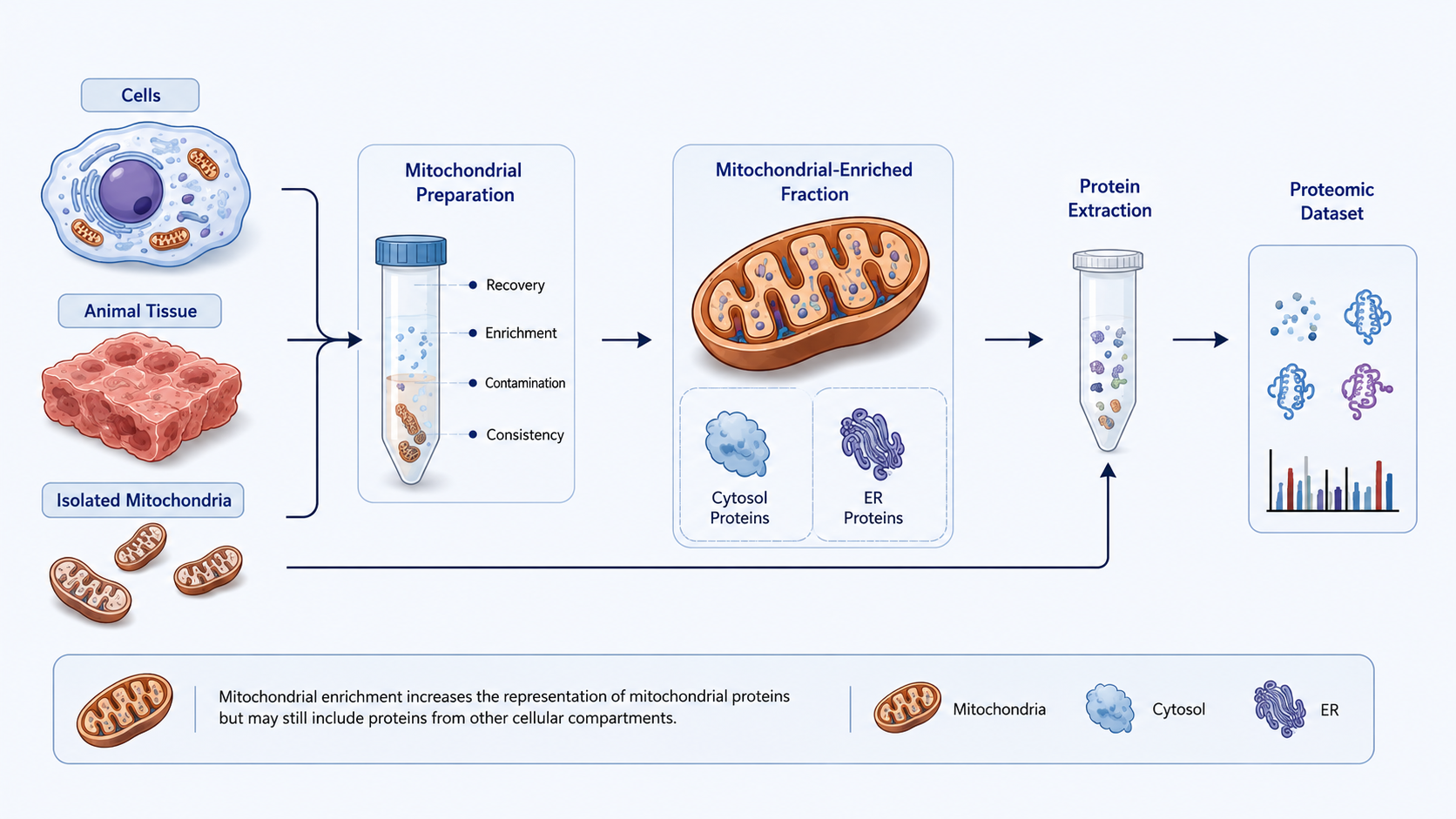
Figure 1. Mitochondrial Preparation and Dataset Quality
How Is Mitochondrial Proteomics Performed?
Most mitochondrial proteomics studies use bottom-up mass spectrometry-based proteomics.
At a high level, the workflow includes:
1. Mitochondrial preparation or enrichment, when required
2. Protein extraction
3. Protein digestion
4. Peptide separation by liquid chromatography
5. Tandem mass spectrometry analysis
6. Protein identification and, when required, quantification
7. Bioinformatic and biological interpretation
During sample preparation, proteins are extracted and digested into peptides suitable for LC-MS/MS analysis. Liquid chromatography separates the peptide mixture before tandem mass spectrometry generates data used for peptide and protein identification.
Quantitative workflows additionally compare protein abundance across defined experimental groups.
The exact analytical configuration depends on the sample type and research objective. A study aimed primarily at global protein identification does not necessarily require the same strategy as a comparative quantitative study, a membrane-protein-focused project, or a PTM-specific analysis.
For additional technical background, see How High-Resolution LC-MS/MS Supports Mitochondrial Protein Profiling.
Choosing the Right Proteomics Strategy
Quantitative mitochondrial proteomics can be implemented using different data acquisition and quantification strategies. These decisions address different aspects of the analytical workflow and should be considered separately.
The appropriate strategy depends on the study design, sample number, comparison structure, and the type of quantitative information required.
Choosing a Data Acquisition Strategy
Data-dependent acquisition (DDA) and data-independent acquisition (DIA) are two commonly used approaches for collecting LC-MS/MS data.
In DDA, precursor ions are selected for fragmentation based on their signal intensity during the MS analysis. This approach is widely used for proteome profiling and can support both label-free and labeling-based quantitative workflows.
DIA uses broader precursor isolation windows to systematically acquire fragment-ion information across the detectable mass range. The resulting data can provide consistent quantitative measurements across multiple samples, making DIA particularly useful for comparative proteomics studies requiring reproducible protein quantification across experimental groups.
Choosing a Quantification Strategy
Quantitative proteomics can generally be performed using label-free or labeling-based approaches.
Label-free quantification compares peptide or protein signals directly across separately analyzed samples without introducing isotopic or isobaric labels. It provides a flexible option for studies with different sample numbers and does not require samples to be combined before LC-MS/MS analysis.
Labeling-based quantification introduces chemical or isotopic labels that allow multiple samples to be distinguished during quantitative analysis. Isobaric labeling approaches such as TMT can enable multiplexed comparison of several experimental samples within the same analytical design.
The appropriate strategy depends on factors such as:
- the number of samples and experimental groups;
- the required comparison structure;
- whether sample multiplexing is advantageous;
- sample availability;
- the desired quantitative consistency across the dataset.
A more detailed decision framework is provided in Which Quantitative Strategy Fits a Mitochondrial Proteomics Study.
When Is PTM Analysis Needed?
Global proteomics primarily provides information about protein identification and protein abundance.
Post-translational modification analysis addresses a different biological question: whether specific regulatory modifications or modification sites change.
When modification status is central to the hypothesis, a dedicated PTM-focused analytical strategy should be considered.
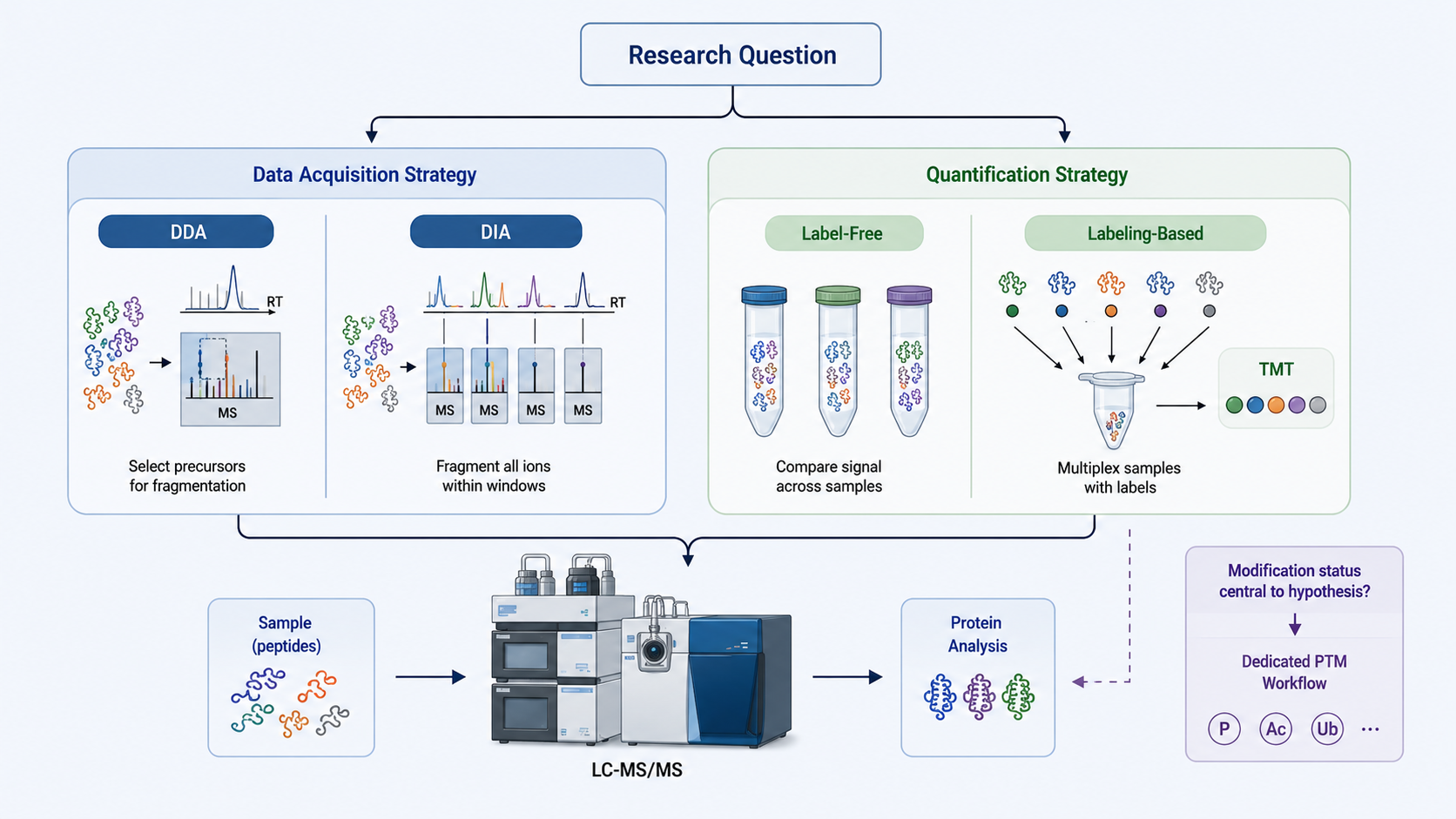
Figure 2. Choosing a Mitochondrial Proteomics Strategy
Analytical Considerations for Mitochondrial Proteins
Mitochondrial proteins do not all have the same analytical properties. Several factors can affect detection and coverage.
Mitochondrial Membrane Proteins
Mitochondria contain many proteins associated with the outer and inner mitochondrial membranes.
Highly hydrophobic membrane proteins can be more difficult to extract, digest, recover, and characterize by LC-MS/MS than many soluble proteins. As a result, proteomic coverage may not be uniform across different mitochondrial protein classes.
Failure to detect a specific membrane protein should therefore not automatically be interpreted as evidence that the protein is biologically absent.
If membrane proteins are central to the research hypothesis, sample preparation and expected analytical coverage should be considered during study planning.
For additional information, see How to Analyze Mitochondrial Membrane Proteins via LC-MS/MS.
Low-Abundance Proteins and Proteome Coverage
Proteomic datasets are influenced by protein abundance, peptide properties, extraction efficiency, digestion, chromatographic behavior, and mass spectrometric detectability.
Consequently, absence from a dataset is not equivalent to biological absence.
This distinction is particularly important when a hypothesis depends on a specific low-abundance or analytically difficult protein. In such cases, the expected detectability of the protein should be considered before interpreting a negative result.
Subcellular Contamination
Mitochondrial enrichment does not necessarily produce an exclusively mitochondrial protein population.
Proteins originating from other cellular compartments may remain in the sample. The presence of a protein in a mitochondrial preparation therefore does not by itself establish exclusive mitochondrial localization.
Proteomic evidence should be interpreted together with sample-preparation context and, when localization itself is the biological question, appropriate complementary evidence.
From Differential Proteins to Biological Interpretation
Differential protein analysis is usually an intermediate stage of interpretation rather than the final biological conclusion.
A useful analytical progression is:
Protein identification → quantitative comparison → differential proteins → pathway-level patterns → biological interpretation → refined hypothesis
Individual proteins may provide important clues, but coordinated changes across related proteins often provide a stronger basis for pathway-level interpretation.
For example, multiple differential proteins associated with oxidative phosphorylation may indicate remodeling of respiratory-chain protein composition. Coordinated changes across mitochondrial metabolic enzymes may suggest broader metabolic reorganization.
Pathway enrichment and functional annotation can help organize differential proteins into biological themes, but they should not be interpreted as direct measurements of pathway activity.
A proteomics dataset showing altered oxidative phosphorylation-associated proteins therefore supports a protein-level hypothesis involving oxidative phosphorylation. Confirmation that mitochondrial respiration itself has changed would require an appropriate functional measurement.
For a more detailed interpretation framework, see From Differential Proteins to Mitochondrial Pathways: How to Interpret Proteomics Data.
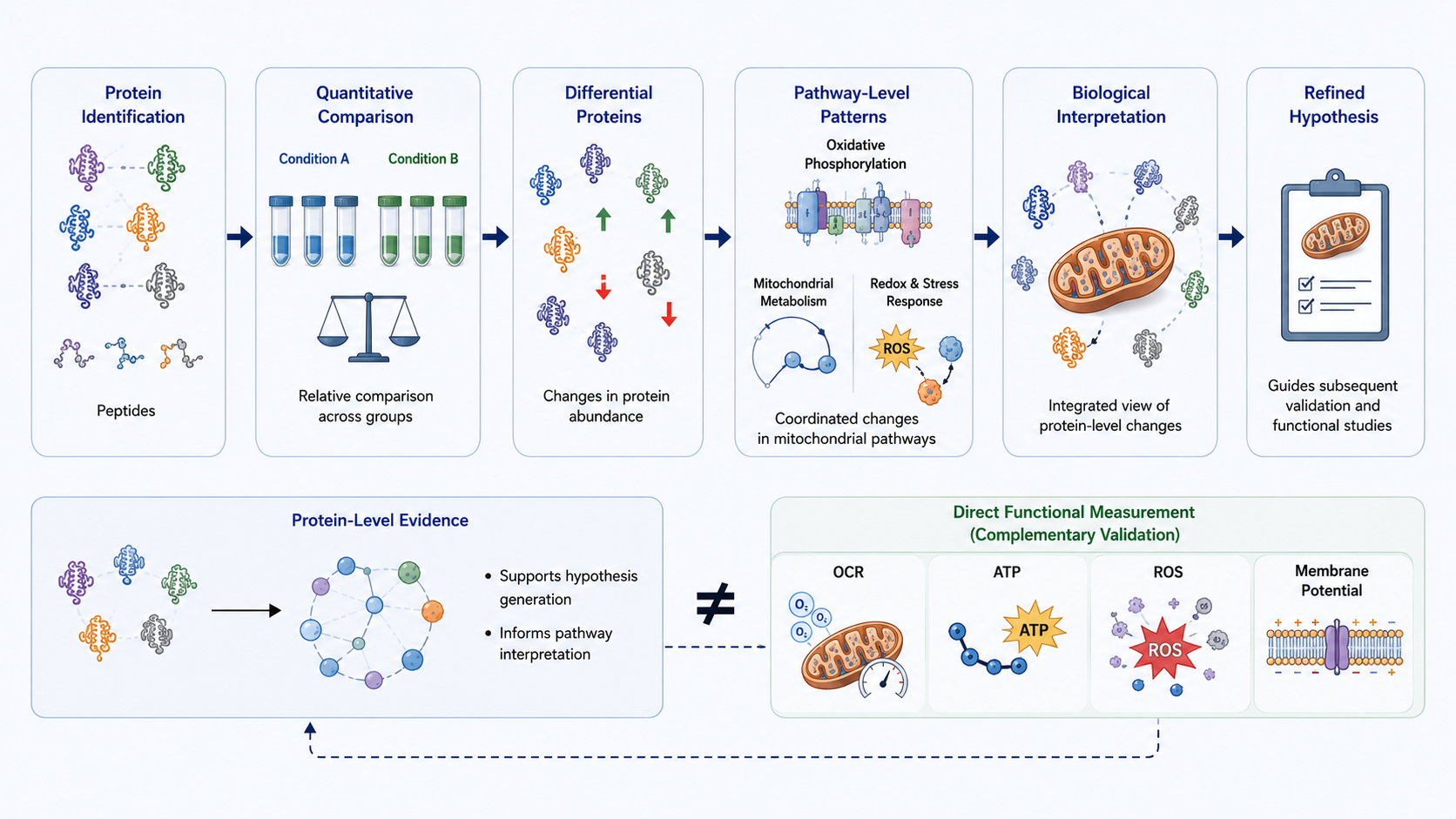
Figure 3. From Protein-Level Changes to Biological Interpretation
Connecting Mitochondrial Proteomics With Metabolomics
Proteomics and metabolomics examine different molecular layers of mitochondrial biology.
Proteomics measures proteins and, in dedicated workflows, selected protein modifications. Metabolomics measures small-molecule metabolites.
These approaches can be complementary when the research question involves mitochondrial metabolism.
Changes in the abundance of a metabolic enzyme do not automatically predict the concentration of its substrates or products. Conversely, a metabolite change does not necessarily identify the protein-level event associated with that change.
Integrated proteomic and metabolomic analysis can therefore help determine whether protein-level and metabolite-level changes form a coherent pattern across mitochondrial metabolic pathways.
Multi-omics analysis should nevertheless be driven by the biological question. Adding metabolomics is most useful when metabolite-level information addresses an important question that proteomics alone cannot answer.
If the objective is limited to mitochondrial protein identification or protein-abundance comparison, proteomics alone may be sufficient.
For further guidance, see When Should Mitochondrial Proteomics Be Integrated With Metabolomics.
Key Limitations and Evidence Boundaries
Mitochondrial proteomics provides valuable molecular detail, but several limitations should be considered before drawing strong biological conclusions.
Enrichment Does Not Guarantee Exclusive Mitochondrial Origin
Mitochondrial preparations may contain proteins from other cellular compartments. Protein detection in a mitochondrial-enriched sample therefore does not automatically establish exclusive mitochondrial localization.
Proteome Coverage Is Not Uniform
Low-abundance proteins, highly hydrophobic proteins, and other analytically difficult proteins may be underrepresented.
An undetected protein should not automatically be considered biologically absent.
Protein Abundance Is Not the Same as Protein Activity
A change in protein abundance does not necessarily indicate an equivalent change in enzymatic activity, pathway flux, or mitochondrial function.
Proteomics Does Not Directly Measure Mitochondrial Functional Phenotypes
Mitochondrial proteomics does not directly measure:
- oxygen consumption rate;
- ATP production;
- reactive oxygen species;
- mitochondrial membrane potential.
When a study already demonstrates a mitochondrial phenotype, proteomics can help investigate the protein-level changes associated with that phenotype. It does not replace the functional experiment used to establish the phenotype.
Keeping these evidence boundaries clear helps prevent overinterpretation and makes downstream validation more focused.
Building a Study Plan That Can Support Meaningful Comparison
A mitochondrial proteomics study becomes easier to design once several decisions are made in the right order.
First, define the biological question.
Determine whether the study is primarily about protein identification, quantitative differences between groups, pathway remodeling, PTMs, or integration with another molecular layer.
Second, define the analytical starting material.
Determine whether the project begins with cells, tissue, or isolated mitochondria and whether mitochondrial enrichment is needed to address the question.
Third, define the comparison.
Clarify the experimental groups, controls, biological replicates, and any factors that may influence sample-preparation consistency.
Fourth, match the analytical strategy to the question.
Decide whether global proteomics is sufficient or whether the project has a clear reason to add membrane-protein emphasis, PTM analysis, or metabolomics.
Finally, define the expected level of evidence.
Researchers should be clear about what the proteomics dataset is expected to support and which conclusions will still depend on complementary functional or validation experiments.
This sequence helps prevent a common study-design problem: choosing a technology first and only later deciding what biological question the resulting dataset is supposed to answer.
The deeper experimental-design considerations—including controls, biological replicates, comparison structure, and analytical alignment—are addressed in How to Design a Mitochondrial Proteomics Study: Controls, Replicates, and Comparisons.
FAQs
1. Can a protein detected in a mitochondrial preparation be considered mitochondria-specific?
No. Detection in a mitochondrial-enriched preparation does not by itself establish exclusive mitochondrial localization. Residual proteins from other cellular compartments may remain after enrichment, so localization claims require appropriate supporting evidence.
2. What does it mean if an expected mitochondrial protein is not detected?
Non-detection does not necessarily mean that the protein is biologically absent. Low abundance, hydrophobicity, extraction efficiency, digestion, peptide properties, and mass spectrometric detectability can all influence whether a protein appears in the final dataset.
3. Is quantitative proteomics necessary if only mitochondrial protein identification is needed?
Not necessarily. Quantitative analysis is primarily required when protein abundance must be compared across defined experimental groups. A study focused on identifying detectable mitochondrial-associated proteins may not require the same quantitative design.
4. Should PTM analysis be included in every mitochondrial proteomics study?
No. PTM analysis should be added when modification status is directly relevant to the biological hypothesis. Global protein-abundance measurements and PTM-specific measurements answer different questions and should not be treated as interchangeable.
5. Can mitochondrial proteomics show whether oxidative phosphorylation is increased or decreased?
Proteomics can show changes in proteins associated with oxidative phosphorylation, but protein abundance alone does not directly measure respiratory activity or pathway flux. Functional conclusions require appropriate complementary measurements.
6. When is mitochondrial proteomics combined with metabolomics?
Combined analysis is most useful when the study needs both protein-level and metabolite-level information about mitochondrial metabolic remodeling. Proteomics alone may be sufficient when the objective is limited to protein identification or abundance comparison.
Related Services
Mitochondrial Proteomics Service
Mitochondrial Isolation and Mitochondrial Protein Purification Service
Mitochondrial Protein Posttranslational Modification Analysis Service
Mitochondrial Protein Phosphorylation Analysis Service
Mitochondrial Metabolomics Analysis Services
Plan Your Mitochondrial Proteomics Study
A successful mitochondrial proteomics study starts with a clear research question, suitable samples, and a well-defined analytical goal.
Contact MtoZ Biolabs for a free consultation to discuss your study objectives, sample status, and the most appropriate analytical approach for your project.
How to order?




