






How Mitochondrial Isolation Quality Affects Proteomics Results
In mitochondrial proteomics, attention often goes first to the mass spectrometer, quantitative strategy, or downstream bioinformatics. Yet one of the most important variables is introduced much earlier: the quality of mitochondrial isolation.
Mitochondrial proteomics relies on isolated or enriched mitochondrial material to provide a focused view of mitochondrial-associated proteins. If that preparation contains substantial material from other cellular compartments, loses part of the mitochondrial protein population, or varies between experimental groups, those differences can carry directly into the LC-MS/MS dataset. The result may be misleading protein attribution, reduced mitochondrial coverage, or quantitative differences that partly reflect sample preparation rather than biology. Mitochondrial isolation should therefore be treated as part of the study design, not simply as a preprocessing step.
Why Mitochondrial Isolation Quality Matters for Proteomics
Whole-cell lysates contain proteins from the nucleus, cytoplasm, endoplasmic reticulum, mitochondria, and other cellular compartments. Mitochondrial enrichment reduces that broader background and shifts the analytical focus toward mitochondrial-associated proteins.
That focus is valuable when mitochondrial protein remodeling is central to the research question, but enrichment can also introduce bias. During homogenization and isolation:
- proteins from other compartments may remain in the mitochondrial fraction;
- damaged mitochondria may release soluble or intermembrane-space proteins;
- different mitochondrial populations may be recovered with different efficiencies;
- membrane-associated and soluble proteins may not be recovered equally;
- preparation efficiency may vary between samples.
The key question is therefore not simply whether mitochondria were isolated, but whether the resulting material represents the mitochondrial protein population consistently enough for the intended comparison.
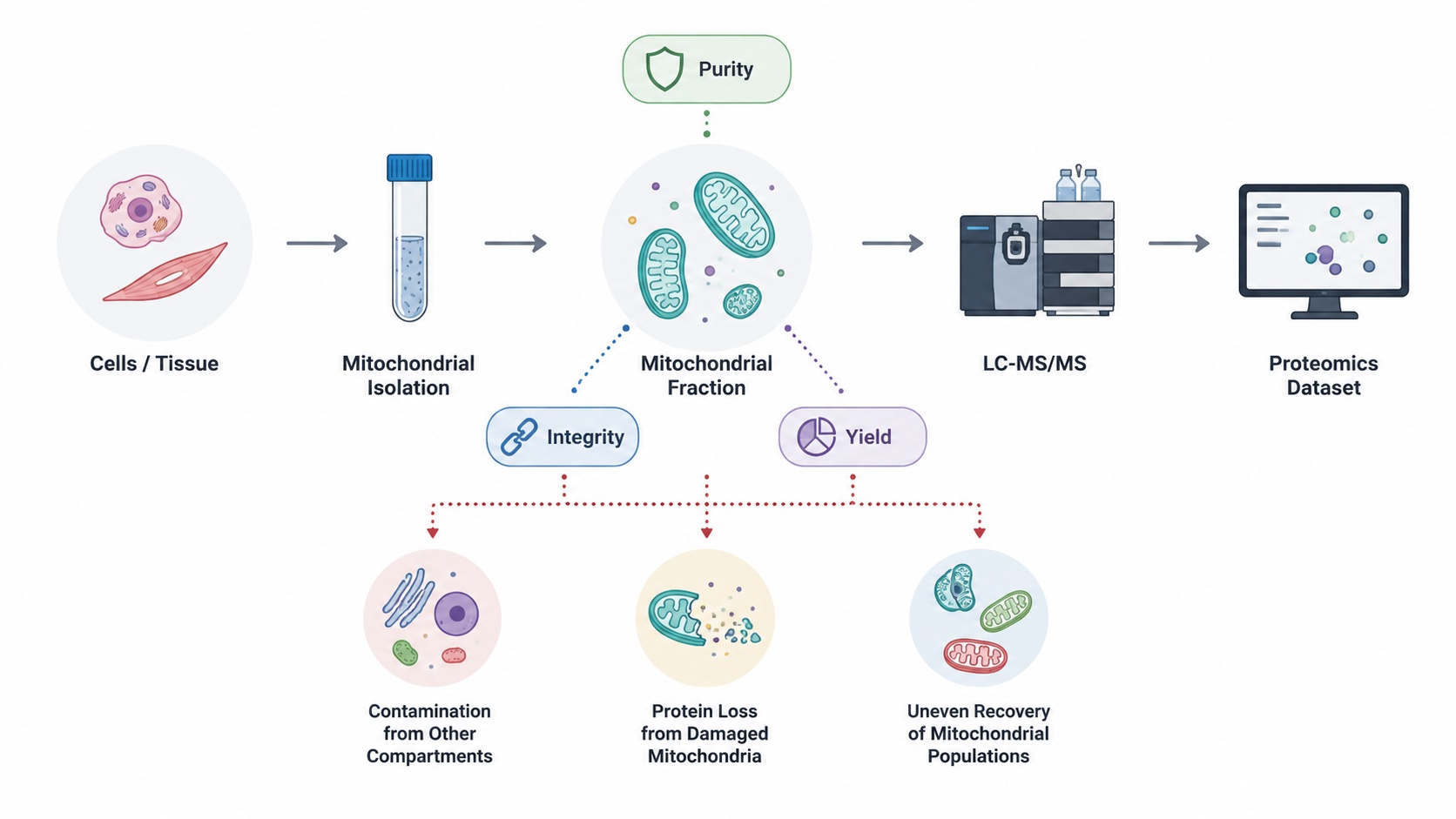
Figure 1. Mitochondrial Isolation Quality Shapes the Proteomics Dataset.
If mitochondrial isolation has already been completed, MtoZ Biolabs can help review the sample type, preparation status, available mitochondrial protein amount, and intended comparison before proteomic analysis is planned. If mitochondrial isolation or mitochondrial protein purification is difficult to complete in-house, MtoZ Biolabs also provides mitochondrial isolation and mitochondrial protein purification services to support downstream proteomic analysis.
Three Dimensions of Mitochondrial Isolation Quality
Isolation quality can be considered through three related dimensions: purity, integrity, and yield.
Purity
Purity describes how strongly the isolated fraction is enriched for mitochondria relative to material from other cellular compartments. Potential contaminants can originate from the cytoplasm, endoplasmic reticulum, nucleus, lysosomes, or other membranes.
Some contamination does not automatically invalidate a preparation, but extensive or inconsistent contamination can complicate interpretation, especially when detected proteins or pathway changes are being attributed specifically to mitochondria.
Integrity
Integrity concerns whether mitochondrial structures remain sufficiently preserved during preparation. Excessive mechanical disruption or inappropriate handling can damage mitochondrial membranes, allowing intermembrane-space or other soluble mitochondrial proteins to redistribute or be lost.
A preparation can therefore have sufficient total protein while still showing altered representation of mitochondrial components.
Yield
Yield refers to the amount of mitochondrial material recovered from the starting sample. Insufficient recovery may limit the protein available for proteomic analysis and make lower-abundance proteins more difficult to examine consistently.
These dimensions are interconnected. Greater purification stringency can reduce recovery, while aggressive homogenization intended to improve yield can compromise integrity. The goal is a reproducible balance among purity, integrity, and yield, not maximization of one parameter alone.
How Isolation Quality Can Distort Proteomics Results
1. Contamination Can Complicate Mitochondrial Protein Attribution
Non-mitochondrial proteins can remain in an enriched mitochondrial fraction. Detection of endoplasmic reticulum-associated proteins such as Calnexin or abundant cytosolic proteins such as GAPDH may indicate material from other compartments.
The main risk is interpreting every protein detected in the fraction as evidence of mitochondrial localization. Detection in a mitochondrial preparation does not by itself establish exclusive mitochondrial localization.
2. Low Purity Can Reduce Mitochondrial Analytical Focus
When substantial non-mitochondrial material remains, mitochondrial proteins are analyzed against a more complex protein background. This can reduce the analytical advantage of enrichment, particularly for lower-abundance mitochondrial proteins, transport proteins, and regulatory proteins.
3. Poor Integrity Can Change Fraction Composition
Membrane damage can cause mitochondrial proteins to redistribute during isolation. Intermembrane-space proteins such as cytochrome c are one example whose recovery may be influenced by membrane integrity.
An apparent decrease in a protein may therefore sometimes reflect differential recovery during preparation rather than a true biological decrease.
4. Between-Sample Variation Can Introduce Quantitative Bias
For comparative proteomics, consistency between samples can be as important as the quality of an individual preparation.
If one group has more efficient mitochondrial recovery while another has lower recovery or greater contamination, measured differences may reflect both biology and preparation. This can contribute to weaker replicate agreement, unstable differential protein patterns, and more difficult pathway interpretation.
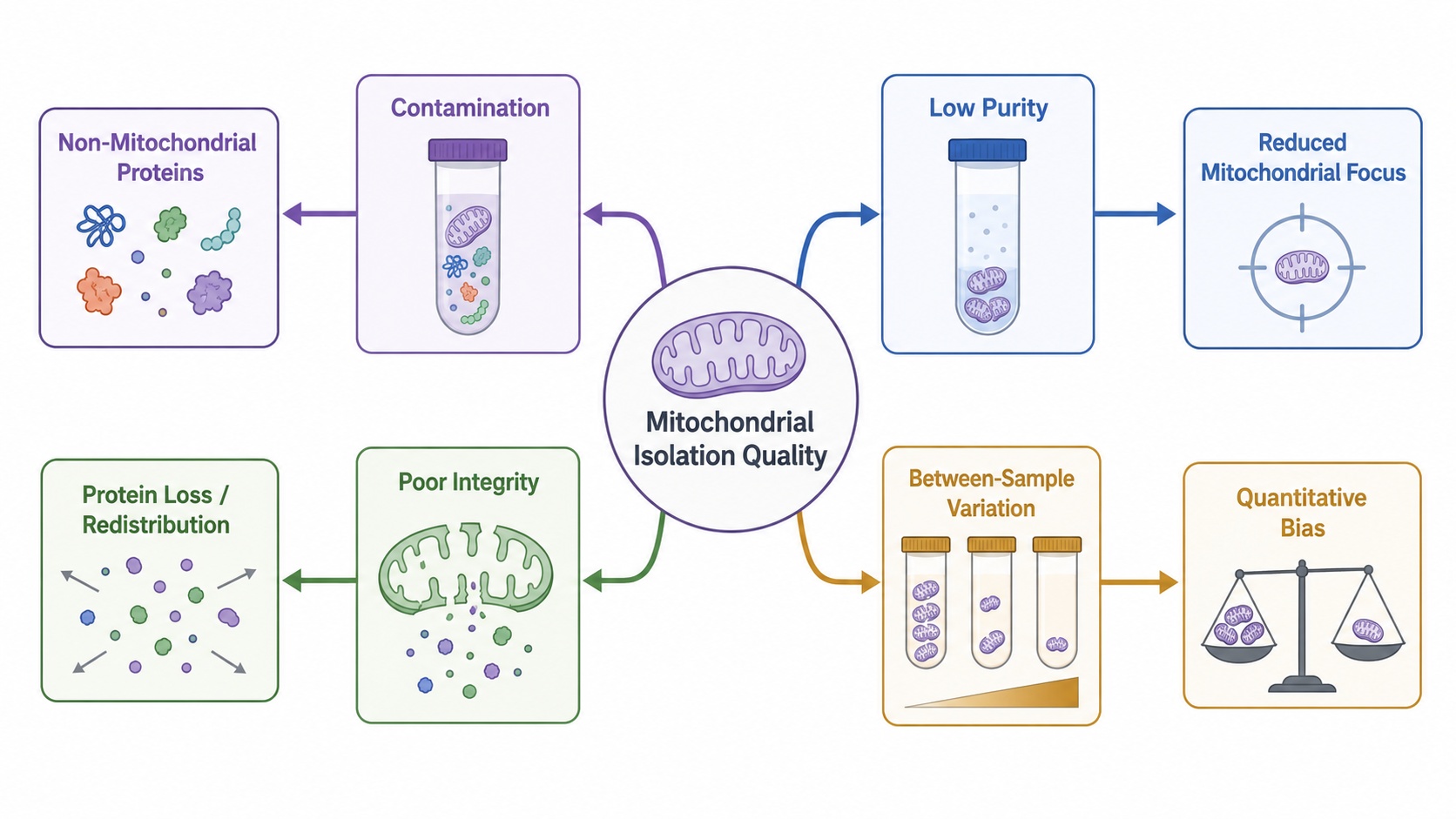
Figure 2. How Isolation Problems Affect Mitochondrial Proteomics.
Common Mitochondrial Isolation Approaches and Their Tradeoffs
Different approaches emphasize different aspects of recovery and purification.
|
Approach |
Advantages |
Main Limitations |
|
Differential Centrifugation |
Relatively fast and cost-effective |
Co-isolation of other cellular material may occur |
|
Density-Gradient Centrifugation |
Higher purity; morphology preservation |
More complex and time-consuming; additional purification steps may reduce recovery |
|
Commercial Isolation Kits |
Convenient and relatively standardized |
Performance may vary by sample type |
|
Immunomagnetic Enrichment |
High selectivity based on mitochondrial surface markers |
Potential enrichment bias; higher cost |
|
Free-Flow Electrophoresis |
Provides high-resolution organelle separation |
Specialized equipment; low throughput |
There is no universally optimal method for every mitochondrial proteomics study. The appropriate approach depends on sample type, starting material, biological question, required enrichment, and downstream analytical objective.
How Can Mitochondrial Isolation Quality Be Evaluated?
No single measurement captures every aspect of isolation quality. Complementary indicators are more informative.
1. Positive Mitochondrial Markers
Western blotting can examine mitochondrial-associated proteins such as VDAC1, TOM20, COX IV, HSP60, and ATP5A. Enrichment of suitable markers relative to the starting material can support successful mitochondrial enrichment.
2. Markers of Other Cellular Compartments
Common examples include GAPDH for cytosolic material, Lamin B for nuclear material, Calnexin for the endoplasmic reticulum, and LAMP2 for lysosomal material.
Marker selection should match the sample and isolation workflow. A single marker should not be treated as a universal pass-or-fail criterion.
4. Structural, Biochemical, and Proteomics-Based Assessment
Depending on the research objective, citrate synthase activity can provide information related to mitochondrial material, while electron microscopy can visualize mitochondrial morphology and membrane structure.
The proteomics dataset can also be reviewed for representation of annotated mitochondrial proteins, proteins from other cellular compartments, and consistency of mitochondrial-associated profiles across replicates. Downstream annotation, however, should not replace upstream sample-quality assessment.
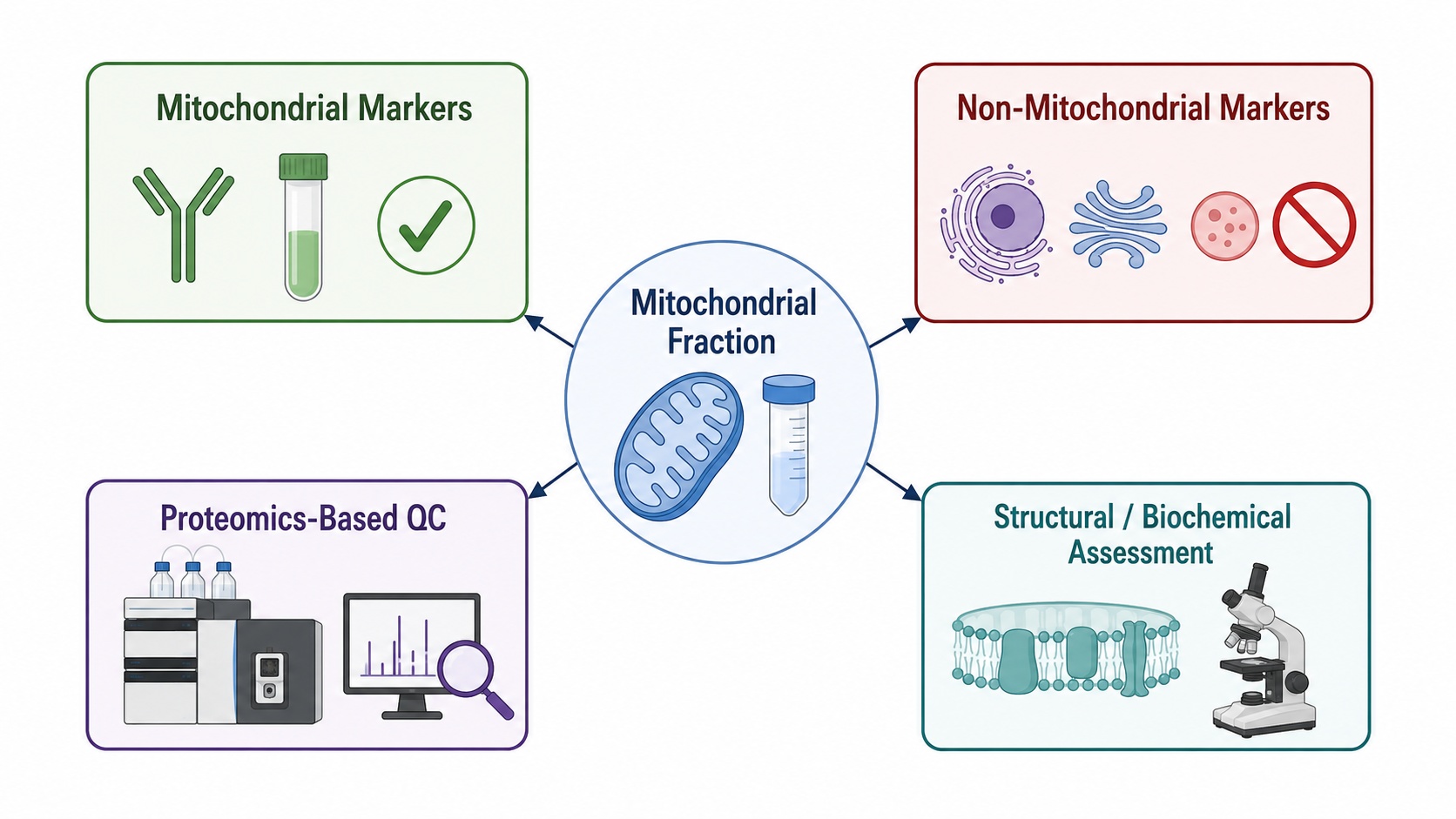
Figure 3. Multi-Dimensional Framework for Mitochondrial Isolation QC.
Planning Proteomics Around Isolation Quality
Before LC-MS/MS analysis, useful information to document includes:
- starting sample type;
- mitochondrial isolation method;
- whether all groups were processed using the same workflow;
- mitochondrial protein amount and concentration;
- known purity or contamination observations;
- storage and handling history;
- available marker-based or other QC information.
For projects submitting isolated mitochondria, current MtoZ Biolabs sample guidance is at least 50 μg mitochondrial protein per sample, with 80–100 μg preferred, at a concentration of at least 0.5 μg/μL, with 1 μg/μL preferred.
Providing preparation information together with the sample can help place downstream proteomics results in the correct experimental context.
Related Services
Teams linking isolation readiness to organelle proteomics options can review the services below while the project scope is still open.
Mitochondrial Proteomics Service
The main route for mitochondrial protein analysis once isolation quality, sample amounts, and group consistency are confirmed.
Subcellular Proteomics Service
Use this when isolation questions involve multiple subcellular fractions rather than a mitochondria-only preparation.
Subcellular Structure and Organelle Proteomics Service
A broader organelle proteomics option when cross-compartment contamination and multi-fraction designs are part of the study question.
Frequently Asked Questions
1. How does mitochondrial isolation quality affect proteomics results?
It changes which proteins are recovered, how stably they are measured across groups, and whether differentials reflect biology or preparation artifacts.
2. What counts as isolation quality in a proteomics project?
Enrichment success, contaminant burden, mitochondrial integrity, marker evidence and yield, and consistency across comparison groups.
3. Why is organelle cross-contamination a problem?
Contaminant proteins can dominate identification tables and create quantitative changes that are not mitochondrial biology.
4. How does mitochondrial breakage affect the data?
Breakage can leak or lose proteins before digestion, so apparent downregulation may actually be recovery loss.
5. What information should I provide before starting?
Sample type, amounts, isolation method and buffers, storage history, group design, and the claim the dataset must support.
6. Can a better mass spectrometer fix poor isolation?
No. Instruments measure the preparation they receive. Unmatched or damaged isolations still distort identification and quantification.
Conclusion
Mitochondrial isolation quality is part of the experiment design. Cross-contamination, breakage-related protein loss, and inconsistent group handling all propagate into identification tables, quantitative contrasts, and interpretation risk.
If you are planning mitochondrial proteomics, already have isolated mitochondrial samples, or need support with mitochondrial isolation or mitochondrial protein purification, contact MtoZ Biolabs to discuss your sample type, preparation status, and study objective. Our technical team will respond within 24 hours to help evaluate the next step for your project.
How to order?




