






When Should Mitochondrial Proteomics Be Integrated With Metabolomics?
Mitochondria sit at the center of cellular energy metabolism and participate in processes ranging from substrate utilization and redox balance to biosynthesis and cellular signaling. When mitochondrial biology changes, both the protein machinery and the surrounding metabolic state may change. Mitochondrial proteomics and metabolomics therefore answer related but different questions. Proteomics identifies changes in mitochondrial proteins, transporters, enzymes, and pathway components. Metabolomics measures changes in metabolites that can provide additional evidence about the biochemical state associated with those protein-level changes.
The two approaches, however, do not need to be combined in every project. Adding metabolomics to a study that only needs a mitochondrial protein inventory may create unnecessary complexity and cost. On the other hand, a study centered on energy metabolism or substrate utilization may remain difficult to interpret if it stops at a list of differential proteins. The practical question is therefore: When does metabolomics add information that mitochondrial proteomics alone cannot provide?
When Mitochondrial Proteomics Alone May Be Enough
Before planning a multi-omics project, it is useful to identify situations in which proteomics can already answer the primary research question.
1. Building a Mitochondrial Protein Inventory
Some studies primarily ask: Which proteins can be detected in the mitochondrial or mitochondrial-enriched fraction? This may be useful when profiling a new cell model, tissue type, treatment condition, or mitochondrial preparation. If the endpoint is a protein inventory, protein annotation, or baseline characterization of the mitochondrial proteome, metabolomics may not be necessary.
2. Comparing Mitochondrial Protein Abundance
Proteomics can also be sufficient when the goal is to determine which mitochondrial proteins differ between treatment and control groups, genotypes, disease-associated and reference samples, stress conditions, or time points. A quantitative proteomics workflow can identify abundance remodeling and generate candidates for downstream investigation. If the project endpoint is the differential protein list itself, additional metabolite measurements may not change the immediate conclusion.
3. Prioritizing Candidate Proteins
Mitochondrial proteomics is often used as a discovery step. Differential proteins can be ranked according to abundance change, pathway annotation, mitochondrial localization, or relevance to the biological hypothesis. A smaller set of candidates can then be taken into targeted validation or other functional studies. In this type of project, metabolomics is optional unless metabolite-level evidence is needed to prioritize or interpret the candidates.
4. Working With Limited Samples or Budget
A focused proteomics study may also be the more practical starting point when sample availability is limited.
Current MtoZ Biolabs guidance includes approximately:
- ≥5 × 10⁷ cells per sample
- ≥200 mg animal tissue per sample
- ≥50 μg isolated mitochondrial protein, with 80–100 μg preferred
If material is already difficult to obtain, adding another omics layer should be justified by a clear biological question rather than included automatically.
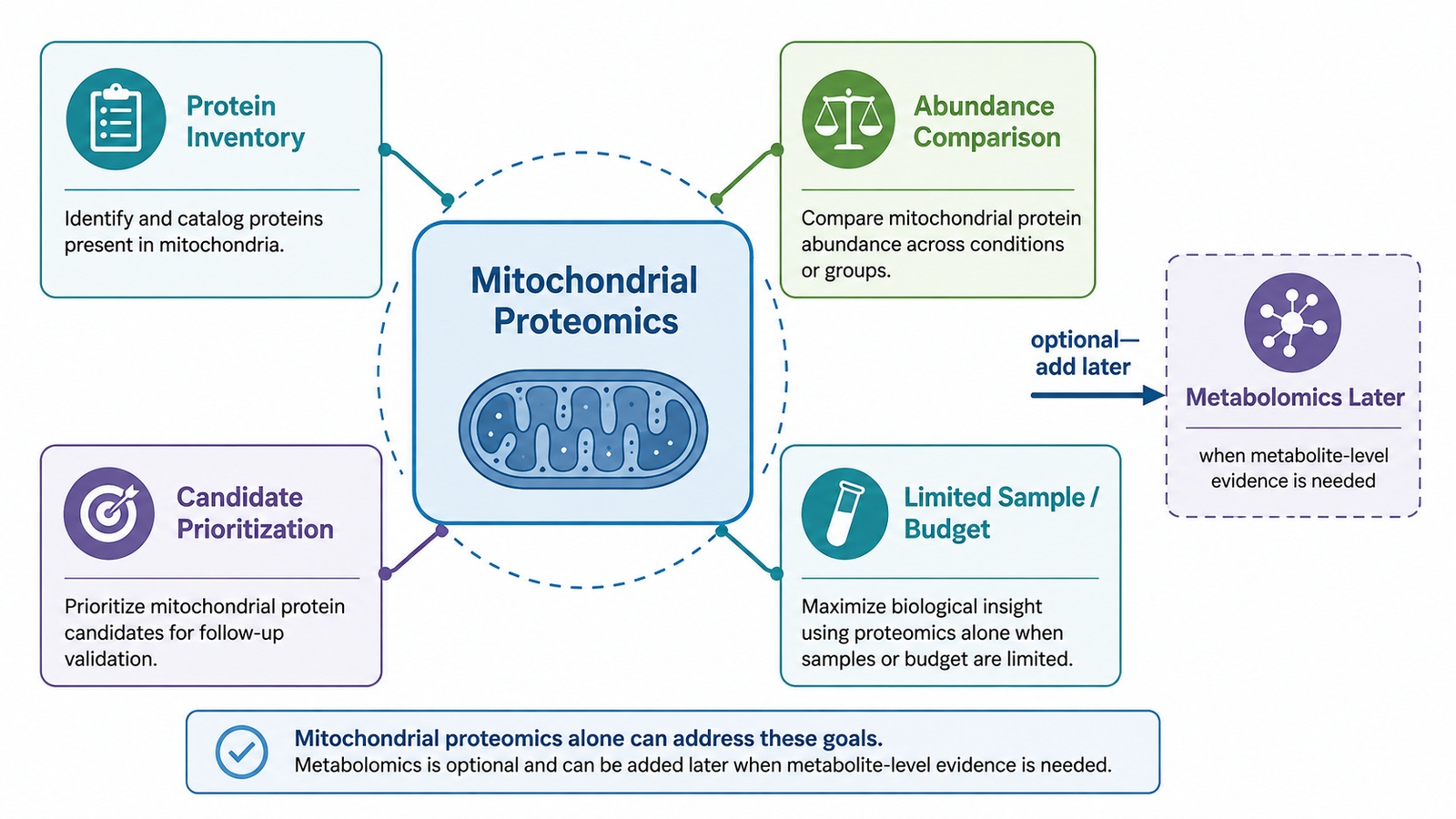
Figure 1. When Mitochondrial Proteomics Alone May Be Sufficient.
Not sure whether metabolomics will materially strengthen the study? Contact MtoZ Biolabs to discuss your research question, sample type, group design, and current pathway hypothesis before the analytical plan is finalized.
Five Signals That Metabolomics May Add Important Value
Integration becomes more useful when the research question moves beyond protein abundance and begins to ask about biochemical state.
1. The Study Centers on Energy Metabolism or Substrate Utilization
If the hypothesis involves TCA cycle activity, fatty-acid utilization, amino-acid metabolism, nucleotide metabolism, or related mitochondrial pathways, a protein list may provide only part of the picture. Proteomics may show that enzymes, transporters, or OXPHOS components change. Metabolomics can add evidence about whether relevant substrates, intermediates, or products also change.
Importantly, metabolite abundance does not directly equal metabolic flux. Flux requires dedicated experimental approaches. But metabolite measurements can provide a second molecular layer that helps interpret pathway remodeling.
2. Protein Abundance Changes Are Modest but Metabolic Remodeling Is Expected
Metabolic regulation does not always require large changes in protein abundance. Enzyme activity may also be influenced by substrate availability, cofactors, post-translational modifications, compartmentalization, and allosteric regulation.
In these situations, relatively small protein abundance changes can coexist with more noticeable differences in metabolite profiles. Metabolomics can therefore reveal biochemical changes that would not be obvious from protein abundance alone.
3. The Study Needs to Connect Protein Remodeling With Metabolite Patterns
Some projects are designed specifically to ask whether protein-level remodeling is accompanied by coordinated changes in metabolism. This is where proteomics-metabolomics integration can be particularly informative.
The goal should not be to claim causality simply because a protein and metabolite are correlated. Instead, the value lies in identifying coherent molecular patterns that can guide a more focused biological hypothesis.
4. Metabolite Evidence Is Likely to Become the Next Experimental Question
Consider what the next question will be after the proteomics results are available. If a pathway appears altered, will the next experiment immediately ask whether its substrates, intermediates, or products also changed?
If so, collecting metabolomics data within the original experimental design may avoid the need to recreate the biological experiment later. This is particularly useful when sample collection conditions strongly influence metabolite stability.
5. The Endpoint Is a Metabolic Phenotype Rather Than a Protein Candidate
Proteomics is well suited to answering: Which mitochondrial proteins changed? Metabolomics can help answer: What metabolite pattern accompanies those changes?
When the study endpoint is mitochondrial metabolic remodeling rather than candidate-protein discovery, integrating the two datasets can provide a more complete molecular description.
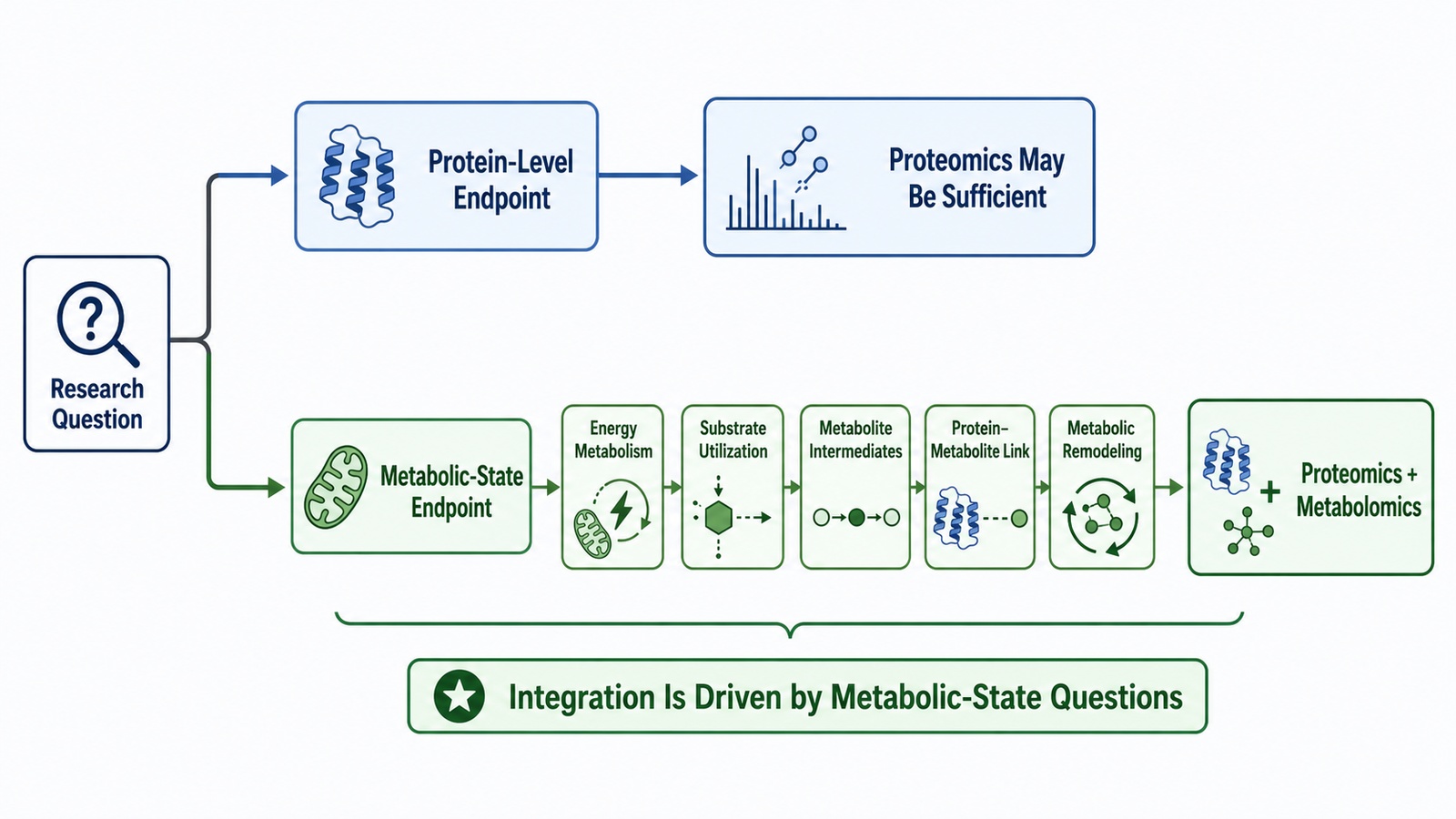
Figure 2. Decision Signals for Integrating Mitochondrial Proteomics With Metabolomics.
Four Checks Before Designing an Integrated Study
1. Separate the Protein Question From the Metabolite Question
Write one sentence describing exactly what proteomics needs to establish.
Then write a second sentence describing exactly what metabolomics needs to establish.
For example:
- Proteomics: Which mitochondrial enzymes and transporters change between groups?
- Metabolomics: Are metabolites within the associated pathway also altered?
If both statements simply say “find interesting changes,” the multi-omics design is not yet specific enough.
2. Ask Whether Metabolite Data Would Change the Interpretation
If the ranked protein list already answers the main research question, metabolomics can often wait.
If the biological interpretation remains incomplete without knowing what happens to pathway-associated metabolites, integration is more strongly justified.
3. Remember That Multi-Omics Does Not Replace Functional Experiments
Proteomics-metabolomics integration provides molecular evidence.
It does not directly replace measurements such as mitochondrial respiration, membrane potential, ROS, enzyme activity, or imaging-based phenotypes.
Those assays answer different questions and should be planned independently when required.
4. Confirm That the Sample Design Supports Both Omics Layers
Proteomics and metabolomics are most informative when they reflect comparable biological conditions.
Ideally, matched biological samples should be divided or processed in parallel for protein and metabolite analysis.
The group structure, biological replication, sample collection time, handling, and storage should be coordinated before data generation begins.
What Does an Integrated Workflow Look Like?
Coordinated Sample Preparation
Proteomics and metabolomics can use matched material from the same biological experiment, but they require different extraction procedures. Proteomics typically includes mitochondrial enrichment, protein extraction, digestion, and LC-MS/MS, whereas metabolomics requires extraction conditions that preserve the metabolites of interest.
Mass Spectrometry Strategies
For mitochondrial proteomics, DDA can support discovery-oriented identification, while DIA is commonly used for quantitative comparison.
For metabolomics, targeted analysis is suitable for defined metabolites or pathways, while untargeted analysis is better suited to broader discovery. The choice should follow the research question.
Integrated Data Interpretation
Proteomic and metabolomic results can be integrated through shared pathway annotation, protein–metabolite correlation, pathway comparison, and network analysis. Mapping proteins and metabolites to the same pathway can reveal whether both molecular layers support a common biological change.
Correlations can indicate associations between proteins and metabolites, but they should not be interpreted as evidence of direct causation.
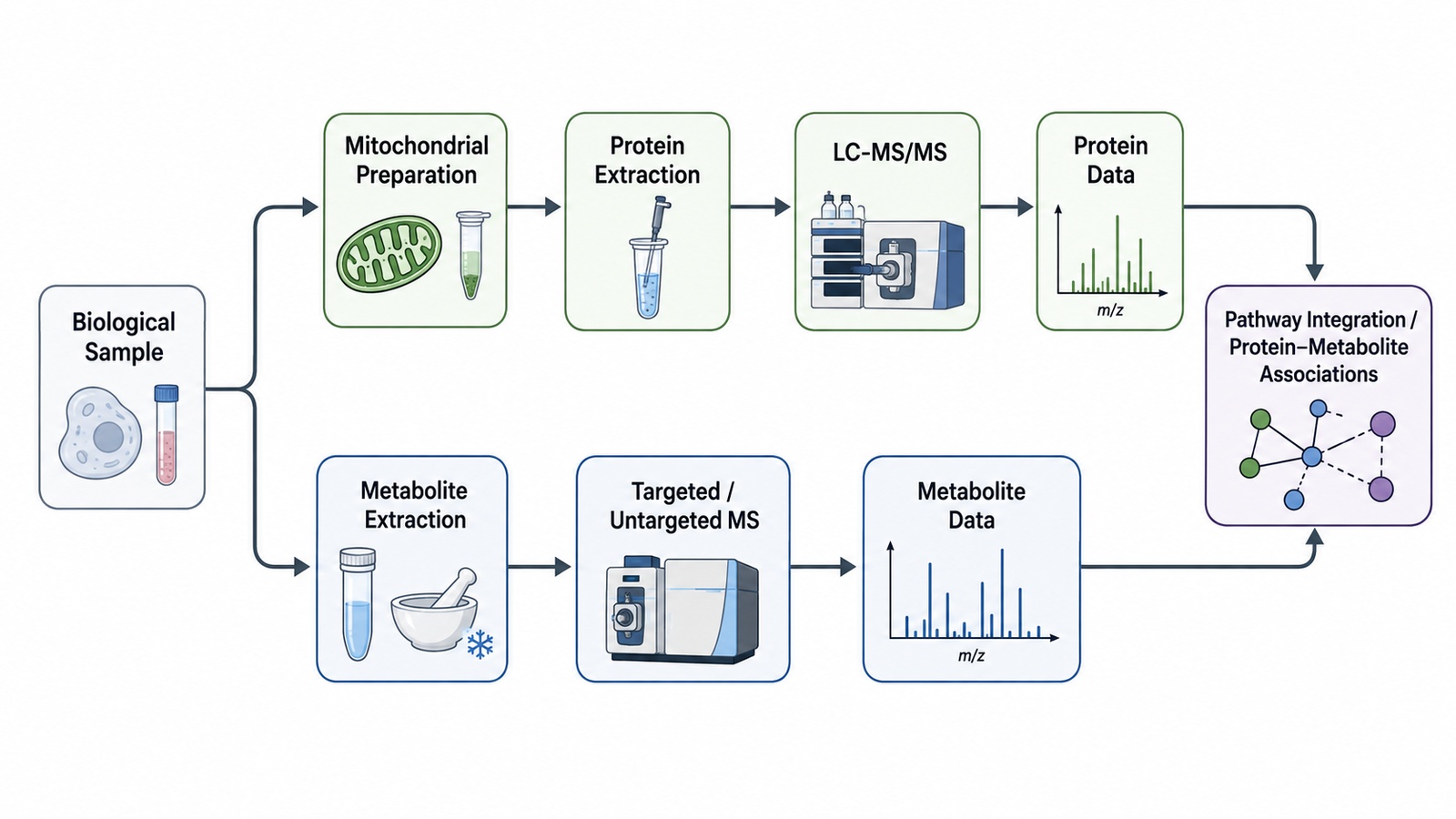
Figure 3. Integrated Mitochondrial Proteomics and Metabolomics Workflow.
Related Services
Mitochondrial Proteomics Service
Mitochondrial Metabolomics Analysis Service
Integrative Proteomics-Metabolomics Analysis Service
Frequently Asked Questions
1. When should mitochondrial proteomics be integrated with metabolomics?
An integrated workflow is appropriate when the study needs both protein-abundance information and metabolite-level evidence. It is particularly useful when researchers want to determine whether changes in mitochondrial or mitochondria-related proteins are accompanied by changes in energy metabolism, redox-related metabolites, or other relevant metabolic patterns.
2. Can Integrated Proteomics and Metabolomics Prove a Mitochondrial Mechanism?
No. Integrated analysis can reveal coordinated protein and metabolite differences and help prioritize biological hypotheses. It does not by itself prove pathway activation, mitochondrial function, or causal regulation. Functional or validation experiments are still required when the conclusion depends on those claims.
3. Can proteomics alone prove an energy-metabolism mechanism?
It can show protein remodeling linked to metabolic pathways. It cannot by itself measure metabolite state.
4. Should Proteomics and Metabolomics Use Samples From the Same Biological Replicates?
Whenever possible, the two analyses should use matched aliquots from the same independent biological units. This makes protein- and metabolite-level results easier to compare across the same groups. Sample allocation should be planned before collection so that both workflows receive sufficient material without reducing the number of biological replicates.
5. Does integration replace functional mitochondrial assays?
No. Respiration, membrane potential, ROS, and related phenotype assays remain outside this proteomics path and need separate plans.
Conclusion
Mitochondrial proteomics and metabolomics should not be combined simply to make a study appear more comprehensive. Proteomics alone may be sufficient for protein inventories, abundance comparisons, and candidate prioritization, whereas integration becomes more valuable when the goal is to connect mitochondrial protein remodeling with metabolic-state information.
MtoZ Biolabs provides mitochondrial proteomics, mitochondrial metabolomics, and integrated proteomics–metabolomics analysis. Contact us with your research objective, species, sample type, and group design to discuss an appropriate analytical strategy.
How to order?




