






How to Analyze Mitochondrial Membrane Proteins via LC-MS/MS?
Mitochondria, as central organelles in cellular energy metabolism and signal regulation, rely heavily on the precise regulation of membrane proteins for their functions. Mitochondrial membrane proteins are involved not only in oxidative phosphorylation and metabolite transport but also play critical roles in processes such as apoptosis and immune regulation. However, due to their high hydrophobicity, low abundance, and complex membrane architecture, proteomic analysis of mitochondrial membrane proteins remains technically challenging.
Core Challenges in Mitochondrial Membrane Protein Research
Prior to experimental procedures, it is essential to understand several key difficulties associated with membrane protein studies.
1. High Hydrophobicity Hampers Extraction
Mitochondrial inner membrane proteins are rich in transmembrane domains. Conventional lysis methods often fail to fully solubilize these proteins, resulting in potential protein loss.
2. Wide Dynamic Range Complicates Detection of Low-Abundance Proteins
Proteins of the respiratory chain complexes are typically abundant, whereas signaling-related membrane proteins are present at low levels, leading to detection bias in mass spectrometry.
3. Complex Membrane Architecture
Mitochondria consist of the outer membrane and inner membrane, and the protein compositions of these membrane regions differ substantially, necessitating precise separation.
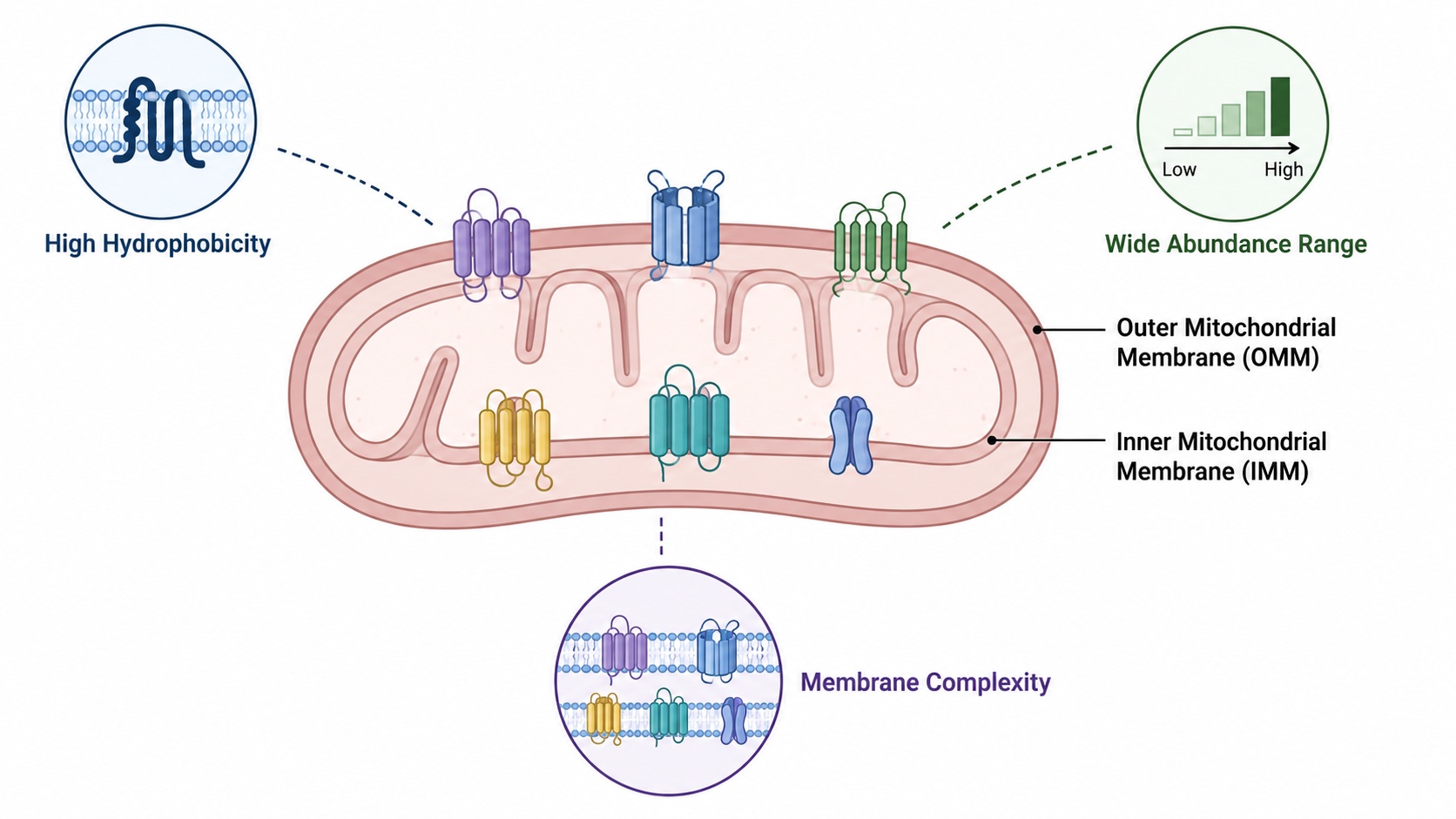
Figure 1. Why Mitochondrial Membrane Proteins Are Challenging for LC-MS/MS
If you are unsure how your sample type or mitochondrial preparation may affect membrane protein analysis, contact MtoZ Biolabs to discuss an appropriate workflow for your study.
Experimental Design: Key Steps from Sample to Data
1. Isolation of High-Purity Mitochondria
The initial step in mitochondrial membrane protein research is obtaining high-quality mitochondrial samples.
-
Differential centrifugation
-
Density gradient centrifugation using Percoll or sucrose
Key Considerations
-
Carefully control the degree of cell disruption to prevent mitochondrial rupture
-
Verify mitochondrial purity using marker proteins such as COX IV
2. Membrane Protein Enrichment Strategies
Specialized enrichment methods are required to accommodate the unique properties of membrane proteins.
(1) Carbonate Extraction
- Removes soluble proteins while retaining membrane-associated proteins
(2) Detergent Lysis
- Common reagents include SDS for strong denaturation, Triton X-100 for mild lysis, and Digitonin for selective solubilization of membrane structures
(3) Phase Separation Techniques
- For example, Triton X-114-based separation of hydrophobic proteins
3. Optimization of Proteolysis
The digestion efficiency of membrane proteins is generally low and requires optimization.
-
Use combinations of proteases such as Trypsin and Lys-C
-
Extend digestion times
-
Introduce surfactants such as RapiGest and SDC to enhance solubilization
4. Mass Spectrometry Detection Strategies
(1) Data-Dependent Acquisition
- Suitable for initial protein identification
(2) Data-Independent Acquisition
- Optimal for quantitative studies, particularly for low-abundance membrane proteins
(3) Parallel Reaction Monitoring
- Employed for targeted validation of key membrane proteins
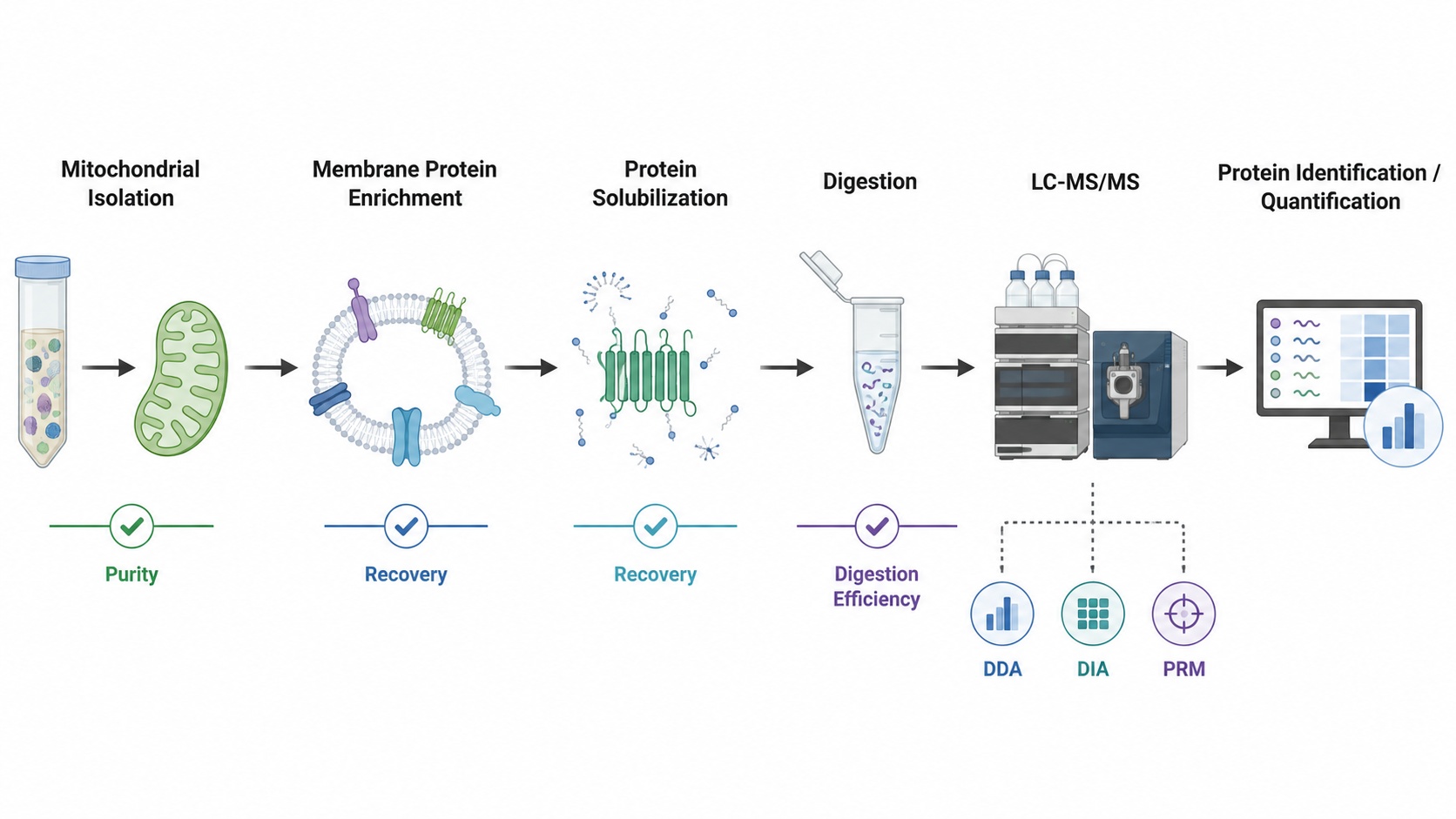
Figure 2. LC-MS/MS Workflow for Mitochondrial Membrane Protein Analysis
Data Analysis: From Identification to Functional Interpretation
1. Protein Identification and Quantification
Commonly used software includes MaxQuant, Spectronaut, and Proteome Discoverer.
Key Considerations
-
Membrane protein coverage
-
Identification of transmembrane domains using tools such as TMHMM
2. Subcellular Localization Analysis
Integrate with databases such as MitoCarta and UniProt. Identify mitochondrial-localized proteins to enhance the reliability of data.
3. Functional Enrichment Analysis
Use GO and KEGG analyses to examine energy metabolism pathways, the mitochondrial respiratory chain, and membrane transport proteins.
4. Protein Interaction Networks
Leverage tools such as STRING to elucidate membrane protein interactions and construct functional networks.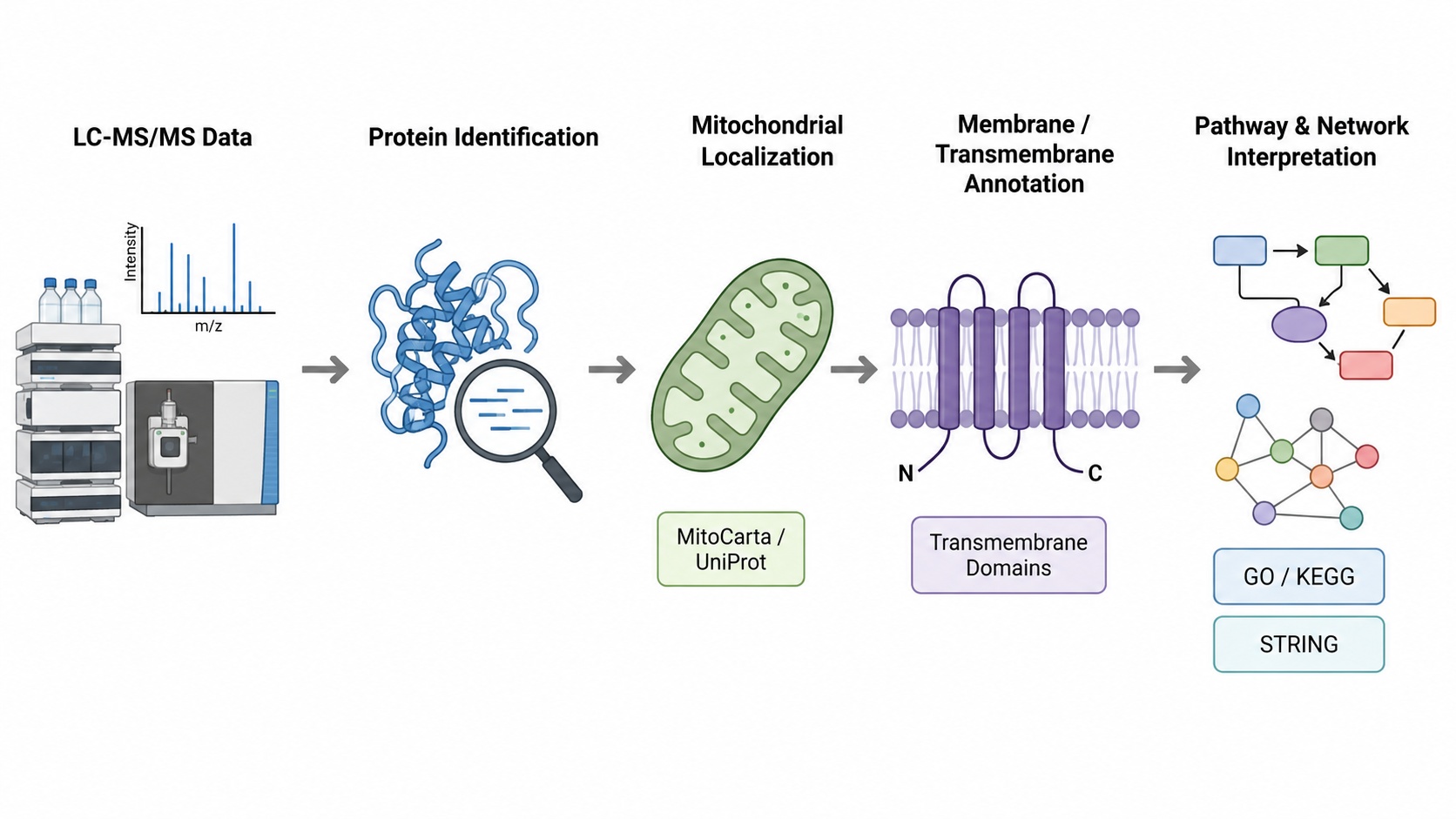
Figure 3. From Mitochondrial Membrane Protein Identification to Biological Interpretation
Cutting-Edge Techniques for Enhancing Membrane Protein Detection Depth
1. Proteomics Combined with Chemical Labeling
-
TMT and iTRAQ allow multi-sample quantification
-
Improve the detection capability for low-abundance membrane proteins
2. Spatial Proteomics
Combine subcellular fractionation with mass spectrometry to achieve:
-
Precise distinction between inner and outer membrane proteins
-
Investigation of dynamic localization of membrane proteins
3. Cross-Linking Mass Spectrometry (XL-MS)
Applied to study membrane protein complex structures:
-
Assembly of respiratory chain complexes
-
Analysis of supercomplexes
4. Structural Membrane Proteomics
- Integrate cryo-electron microscopy with mass spectrometry to reveal the relationship between membrane protein structure and function.
Application Scenarios: Value of Mitochondrial Membrane Protein Research
Mitochondrial membrane proteomics has been widely applied to:
-
Tumor metabolic reprogramming studies
-
Neurodegenerative diseases, such as Parkinson’s disease
-
Metabolic disorders, including diabetes and obesity
-
Drug target discovery
Key Points for Experimental Success
To obtain high-quality mitochondrial membrane proteomics data, researchers should focus on:
-
Prioritizing sample purity over quantity
-
Optimizing lysis and digestion conditions for hydrophobic proteins
-
Preferentially selecting high-coverage techniques such as data-independent acquisition
-
Using databases for precise annotation
Mitochondrial membrane proteomics is progressing from “detectable” to “high-precision analysis.” However, its technical complexity still requires high standards from experimental platforms. Each step, from sample preparation to mass spectrometry and bioinformatics interpretation, directly affects the comprehensiveness and reliability of the final results. For a broader overview of mitochondrial protein profiling, sample preparation, quantitative strategies, and biological interpretation, see our guide to mitochondrial proteomics study planning.
MtoZ Biolabs, as a professional institution specializing in multi-omics technical services, leverages high-resolution mass spectrometry platforms and established membrane protein workflows. The laboratory has accumulated extensive experience in mitochondrial proteomics, membrane protein enrichment, and quantitative analysis. We are committed to providing researchers with high-coverage, highly reproducible, publication-ready data to support in-depth exploration of complex life science questions.
MtoZ Biolabs, an integrated chromatography and mass spectrometry (MS) services provider.
Related Services
How to order?




