






Which Quantitative Strategy Fits a Mitochondrial Proteomics Study?
Mitochondrial proteomics often requires more than a standard quantitative workflow. Mitochondria are dynamic double-membrane organelles containing more than 1,000 proteins, but those proteins are not equally abundant or equally easy to measure. Highly abundant oxidative phosphorylation proteins may coexist with lower-abundance transporters, regulatory proteins, assembly factors, and modified peptides. Mitochondrial membrane proteins also introduce additional challenges because hydrophobic proteins and peptides can behave differently during extraction, digestion, and LC-MS/MS analysis. This means that the quantitative strategy can directly affect which mitochondrial proteins are measured consistently and what biological conclusions can be supported.
A common problem is applying a routine whole-cell quantitative workflow to a mitochondrial-focused question. Abundant mitochondrial proteins may dominate the dataset, while lower-abundance regulatory proteins that are central to the hypothesis remain difficult to quantify. The solution is not to choose the most complex method. It is to match the quantitative strategy to the research objective, sample type, sample number, and required level of quantitative evidence.
Major Challenges in Quantitative Mitochondrial Proteomics
Several factors should be considered before selecting a quantitative method.
Mitochondrial Purity
Differential centrifugation, density-gradient centrifugation, and other enrichment approaches can still leave cytosolic proteins, ER-associated material, or mitochondria-associated membrane components in the preparation. If the degree of enrichment varies between samples, quantitative differences may partly reflect preparation quality rather than biology.
Membrane Protein Extraction
The mitochondrial inner membrane contains many integral membrane proteins. Their hydrophobicity can make protein solubilization, digestion, and peptide recovery more difficult. Extraction and digestion conditions therefore need to be compatible with the proteins that are important to the study.
Wide Dynamic Range
Abundant OXPHOS and metabolic proteins can produce strong peptide signals, while lower-abundance kinases, transporters, assembly factors, and regulatory proteins may be more difficult to measure consistently.
PTMs and Protein Dynamics
Protein abundance is only one layer of mitochondrial regulation. Phosphorylation, acetylation, protein import, and protein turnover may require dedicated workflows rather than standard global protein quantification.
Limited Sample Amount
Primary cells, tissue samples, and isolated mitochondrial fractions may provide limited starting material. Sample availability can therefore restrict which enrichment, labeling, fractionation, or targeted strategies are practical.
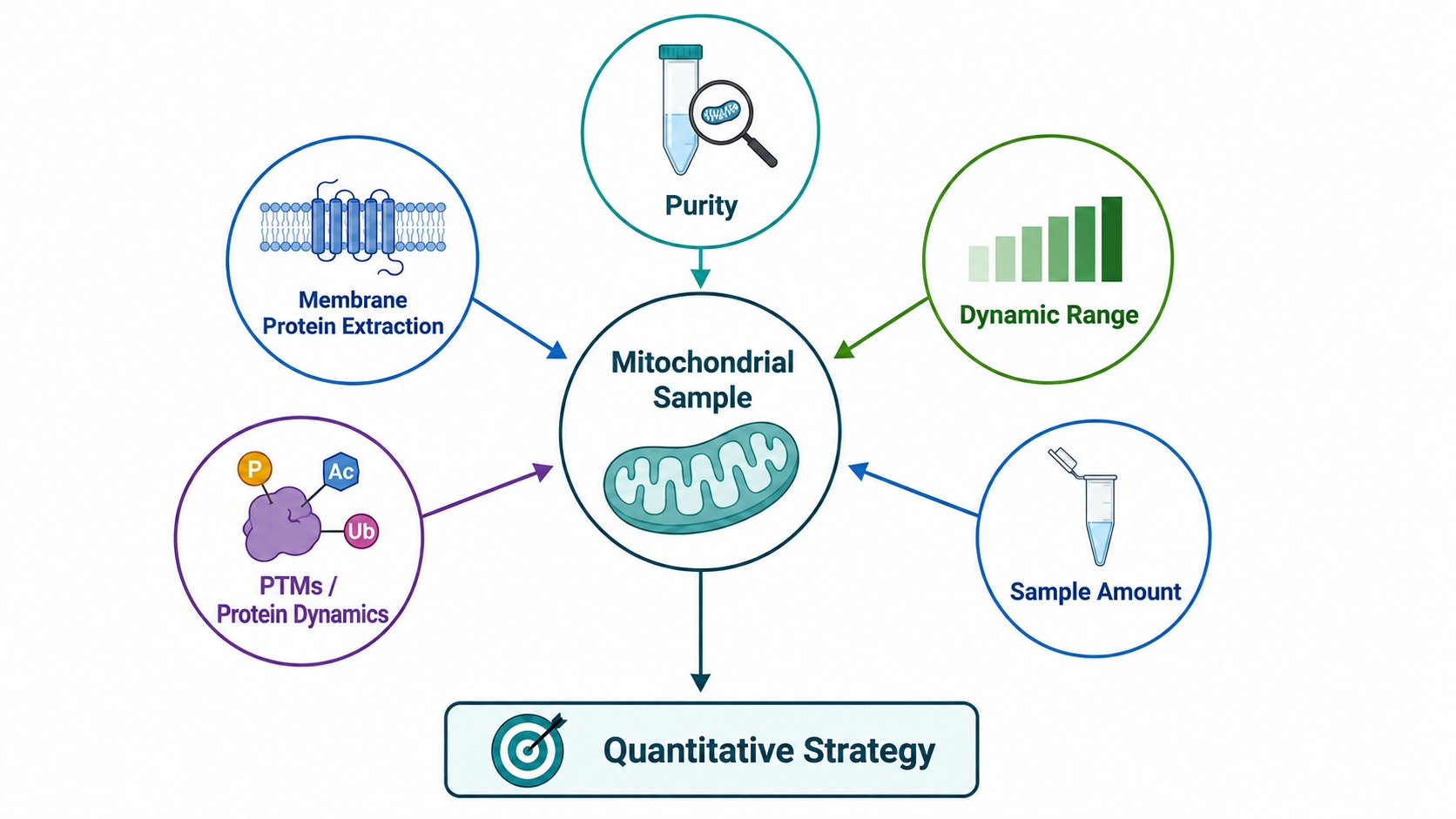
Figure 1. Major Challenges in Quantitative Mitochondrial Proteomics.
Comparing Quantitative Strategies for Mitochondrial Proteomics
The main options differ in how quantitative information is generated and what types of studies they support.
|
Strategy |
Principle |
Main Advantages |
Main Limitations |
Mitochondrial Applications |
|
Label-Free DDA/DIA |
Peptide ion signals compared without labeling |
Flexible sample number; scalable; DIA supports consistent acquisition |
Run-to-run and batch effects require control |
Discovery studies; larger sample sets |
|
TMT/iTRAQ |
Isobaric labeling for multiplexed quantification |
Multiplexing; samples compared within a defined design |
Higher workflow complexity; interference must be controlled |
Multi-group studies; deep profiling; PTM workflows |
|
SILAC |
Metabolic incorporation of heavy amino acids |
Early sample mixing; useful for dynamic studies |
Requires compatible cultured cells |
Cell mechanisms; protein turnover; interaction studies |
|
PRM/MRM |
Targeted measurement of predefined peptides |
High specificity and sensitivity; supports absolute quantification |
Requires known targets; limited breadth |
Candidate validation; targeted and absolute quantification |
Not sure which strategy fits your project? Contact MtoZ Biolabs for a free initial consultation and share your sample type, group design, biological replicate plan, and primary comparison. We can help assess which quantitative workflow fits the project.
A Decision Framework for Choosing the Right Strategy
1. Start With the Research Objective
Discover differential mitochondrial proteins? Consider label-free DDA/DIA or TMT/iTRAQ.
Validate selected candidate proteins? Consider PRM or MRM.
Need absolute quantification of predefined targets? Consider PRM/MRM with appropriate isotope-labeled internal standards.
Study phosphorylation, acetylation, or another PTM? Use modification-specific enrichment combined with a suitable quantitative strategy, such as TMT when multiplexed comparison is required.
Measure protein turnover or half-life? For compatible cell models, pulsed SILAC can distinguish newly synthesized and pre-existing protein populations.
Study mitochondrial protein complexes or assembly? The quantitative strategy needs to be coordinated with the upstream complex-separation workflow rather than relying on routine global proteomics alone.
2. Then Consider Sample Type and Sample Number
Cultured cells can support SILAC, TMT, or label-free/DIA approaches depending on the research objective.
Tissue and human research samples cannot normally use conventional SILAC labeling, making TMT or label-free/DIA more practical options.
For larger cohorts, DIA or other label-free workflows provide flexibility because samples are not restricted to a single labeling set. TMT can also be used across multiple batches when appropriate batch and reference designs are established.
For limited or valuable samples, sample preparation efficiency becomes particularly important. TMT and DIA may both be considered, but the choice should reflect available material and the intended analytical depth.
3. Balance Analytical Depth With Practical Constraints
After the objective and sample type are clear, the remaining tradeoffs usually involve analytical depth, scalability, budget, and study complexity.
|
Priority |
Main Consideration |
|
Broad discovery |
Global quantitative coverage |
|
Larger sample set |
Scalability and batch structure |
|
Lower-abundance proteins |
Sample preparation and analytical depth |
|
Multiplexed comparison |
Labeling capacity and batch design |
|
Protein turnover |
Compatibility with metabolic labeling |
|
Targeted confirmation |
Transition from discovery to PRM/MRM |
|
Limited material |
Sample consumption and workflow compatibility |
These are decision starting points rather than fixed rules. Sample condition, group structure, and specific analytical goals should still be reviewed before the workflow is selected.
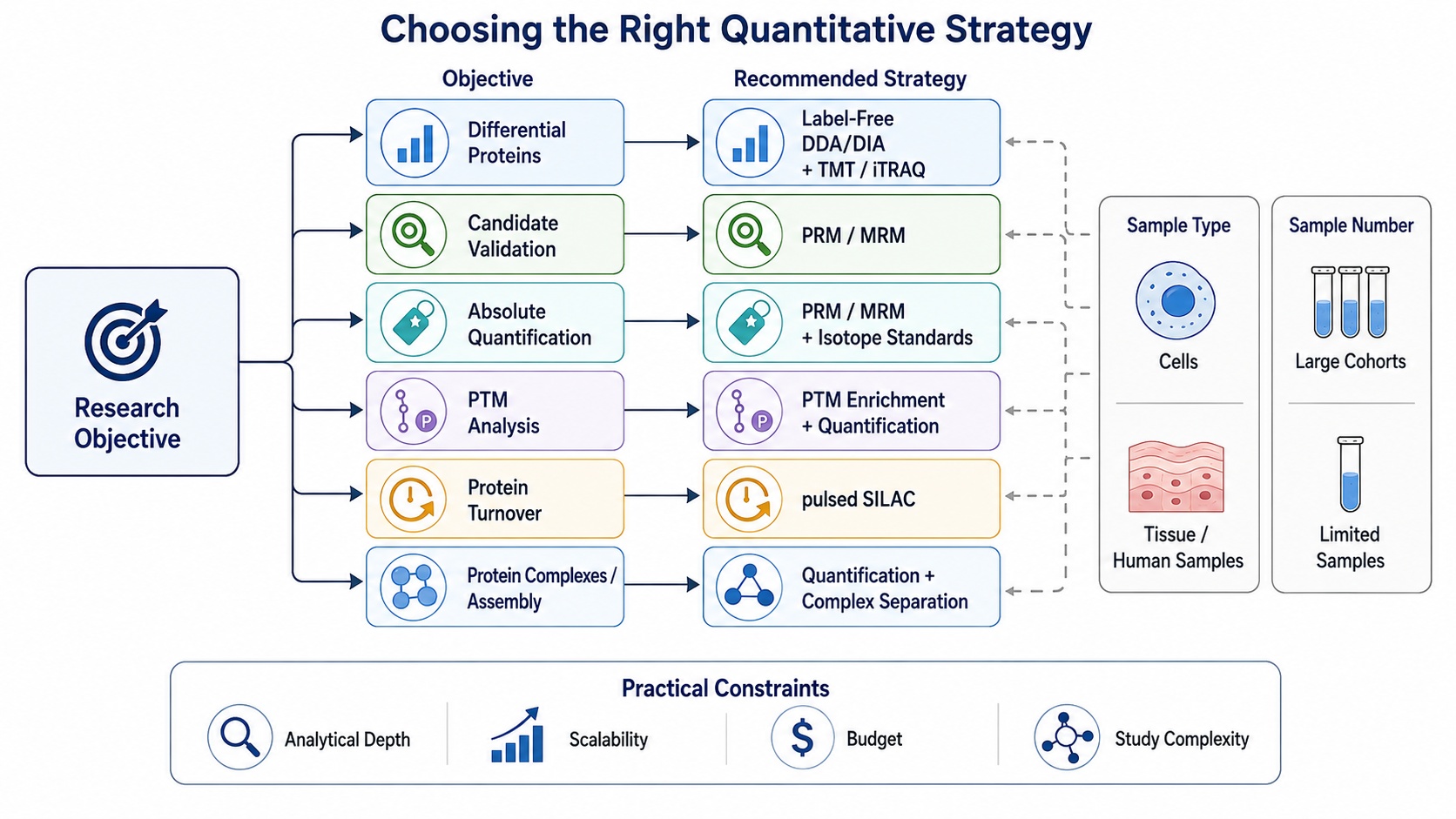
Figure 2. Choosing the Right Quantitative Mitochondrial Proteomics Strategy.
Experimental Design and QC Determine Whether Quantitative Data Are Usable
Verify Mitochondrial Preparation
Mitochondrial and non-mitochondrial marker proteins can be evaluated by Western blot when appropriate. This helps determine whether enrichment and contamination may affect downstream comparisons.
Optimize Protein Extraction and Digestion
Membrane-rich mitochondrial samples may require careful solubilization and digestion. Detergent-compatible workflows, chaotropic conditions, or complementary proteases such as Lys-C and trypsin may be considered depending on the analytical design.
Control Analytical Variation
Sample randomization, appropriate QC samples, internal references, and balanced batch design can help separate technical variation from biological differences.
Review Quantitative Data Quality
Useful QC considerations can include:
- mitochondrial protein representation using resources such as MitoCarta;
- quantitative variation across replicates;
- missing-value patterns;
- consistency across groups and batches.
Statistical analysis should also address multiple comparisons, missing-data handling, and predefined differential-analysis criteria.
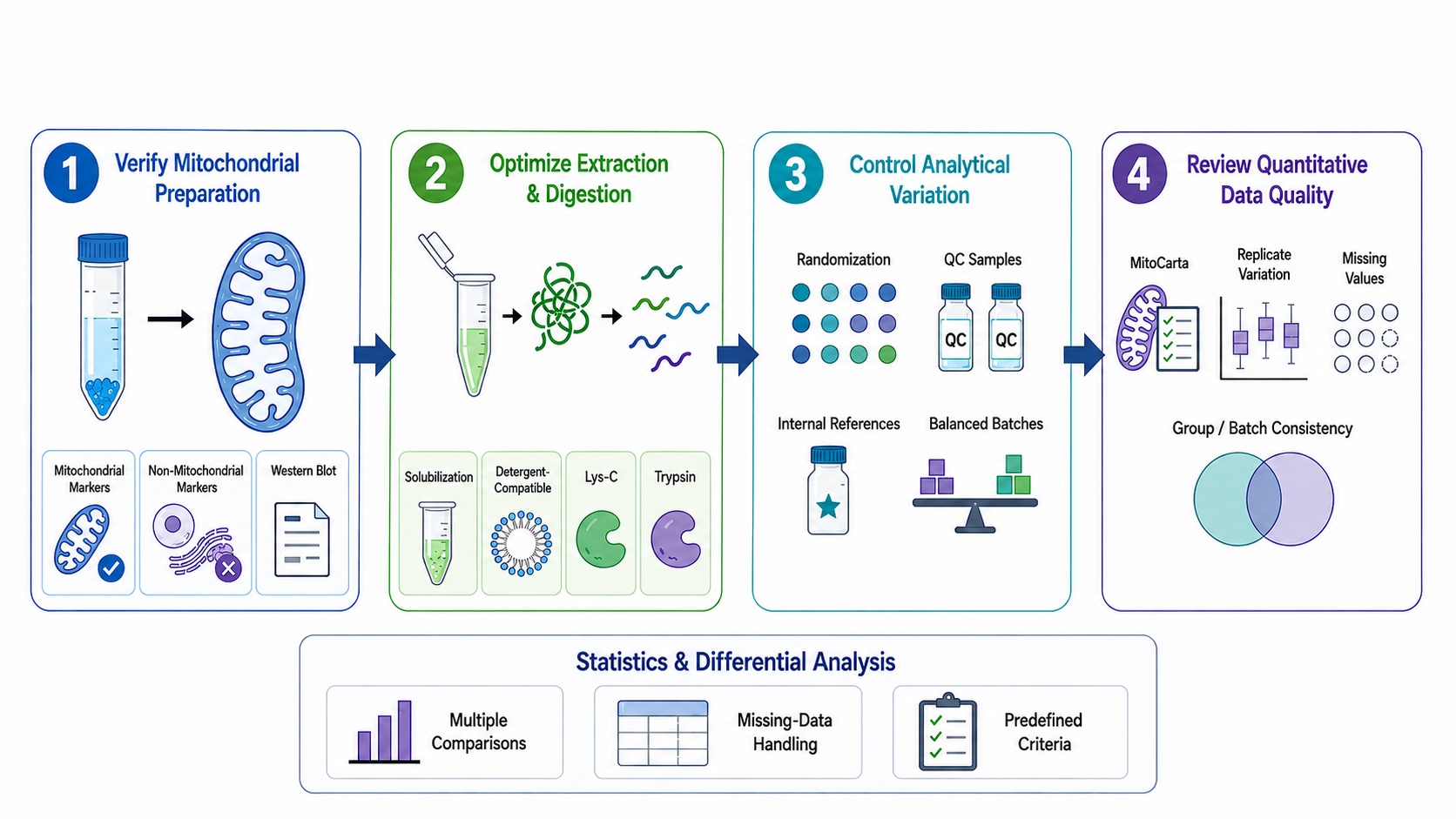
Figure 3. Experimental Design and QC Workflow for Quantitative Mitochondrial Proteomics.
Related Services
Mitochondrial Proteomics Service
Quantitative Proteomics Service
Frequently Asked Questions
1. Is TMT or DIA-based Label-Free better for mitochondrial proteomics?
Neither strategy is universally better. TMT is useful when multiple samples need to be compared within a multiplexed design, while DIA-based quantification provides greater flexibility when sample numbers increase or additional samples may be added later. The choice should depend on the number of samples, group structure, available material, and the type of quantitative comparison required.
2. Can PRM or MRM be used to validate mitochondrial proteomics results?
Yes. PRM and MRM are well suited to follow-up analysis when candidate proteins or peptides have already been identified. Instead of performing another broad discovery experiment, targeted proteomics focuses the measurement on predefined targets. Appropriate isotope-labeled standards can also be incorporated when absolute quantification is required.
3. What is the best quantitative strategy for a large mitochondrial proteomics study?
For larger sample sets, scalability and batch management become important. DIA-based Label-Free quantification can be useful because samples do not need to fit within a single labeling set. TMT can also be used across multiple batches, but the reference design and batch structure should be planned carefully. The appropriate strategy depends on the total number of samples, study design, and required analytical depth.
4. Does deeper protein coverage always require TMT?
No. Protein coverage depends on multiple factors, including mitochondrial preparation, protein extraction, peptide fractionation, LC-MS/MS acquisition, and data analysis. TMT combined with fractionation can support deeper profiling in some study designs, but selecting TMT alone does not guarantee broader mitochondrial protein coverage.
MtoZ Biolabs Helps Match the Strategy to the Project
MtoZ Biolabs can support mitochondrial isolation and protein preparation, followed by quantitative proteomics using approaches such as DIA-based Label-Free, TMT, SILAC, PRM, or MRM, depending on the research objective and sample type. A project can therefore be planned around the actual analytical task, whether the goal is global differential protein discovery, PTM analysis, protein turnover, or targeted follow-up.
If you are planning a mitochondrial proteomics study, submit your sample type, number of groups, and research question to MtoZ Biolabs. Our technical team can respond within 24 hours to help evaluate an appropriate quantitative strategy.
How to order?




