






How High-Resolution LC-MS/MS Supports Mitochondrial Protein Profiling
Mitochondrial proteomics projects can invest substantial effort in sample preparation and mitochondrial enrichment, yet still lose important protein-level information during mass spectrometry analysis.
High-resolution LC-MS/MS helps address these challenges by combining peptide separation, accurate mass measurement, and MS/MS fragmentation to generate more informative peptide-level data. Its value is not defined by resolution alone, but by how effectively chromatography, ion detection, acquisition strategy, and data analysis work together.
This article explains how high-resolution LC-MS/MS supports mitochondrial protein identification, quantitative analysis, membrane-protein profiling, and PTM-focused studies, and why instrument performance must be considered as part of the complete analytical workflow.
Why Is the Mitochondrial Proteome Analytically Challenging?
Mitochondrial proteomics involves more than identifying abundant metabolic enzymes. The mitochondrial protein population includes proteins with different abundance levels, physicochemical properties, subcellular locations, and regulatory states.
1. Broad Protein Abundance Range
Highly abundant mitochondrial proteins can coexist with lower-abundance transport proteins, assembly factors, signaling proteins, and regulatory components. Lower-abundance peptides may therefore compete with stronger signals during LC-MS/MS analysis, and their detection depends on the combined performance of sample preparation, chromatography, ion detection, and MS/MS acquisition.
2. Hydrophobic Membrane Proteins
The inner and outer mitochondrial membranes contain many integral and membrane-associated proteins. Their hydrophobicity can affect extraction, solubilization, digestion, and peptide recovery before the sample reaches the mass spectrometer. This is why membrane-protein analysis depends on the complete workflow rather than the instrument alone.
3. Low-Abundance Regulatory Information
Some biologically important mitochondrial changes involve proteins or peptides that are not among the most abundant components of the sample. Post-translationally modified peptides can present an additional challenge because only a fraction of the protein population may carry a particular modification.
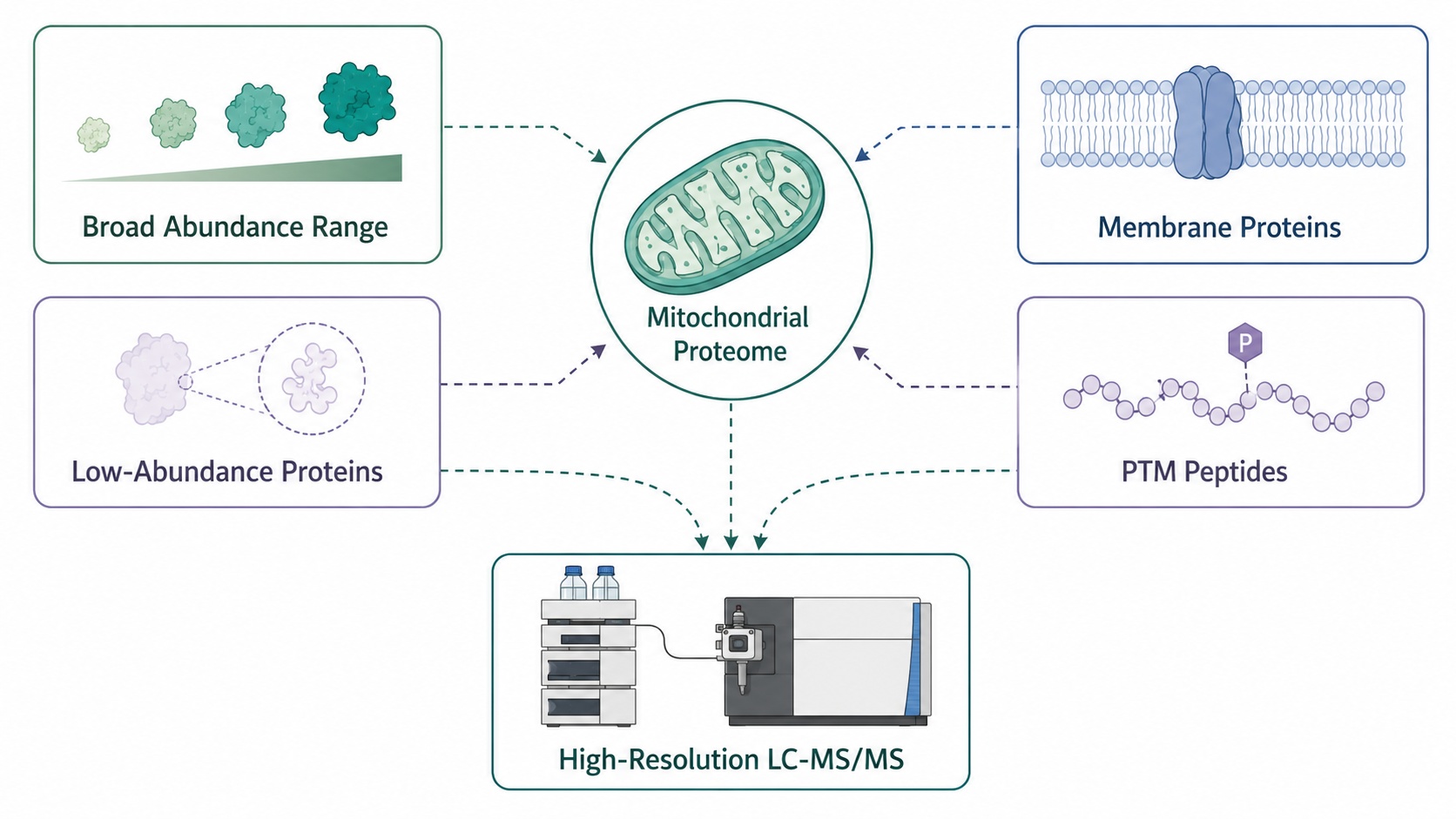
Figure 1. Analytical Challenges in Mitochondrial Protein Profiling
Need help before LC-MS/MS analysis? If mitochondrial isolation or mitochondrial protein preparation is limiting the project, MtoZ Biolabs can provide mitochondrial isolation and mitochondrial protein purification services. Sample type, preparation status, and the intended proteomics objective can be reviewed before the analytical strategy is finalized.
What Does "High Resolution" Contribute to LC-MS/MS?
High resolution refers to the ability of a mass spectrometer to distinguish ions with closely spaced mass-to-charge ratios. In a complex peptide mixture, different peptide ions may appear close together in m/z space. Greater resolving power helps separate these signals more clearly, while accurate mass measurement provides stronger constraints for peptide assignment.
|
Analytical Capability |
Relevance to Mitochondrial Proteomics |
|
High resolving power |
Separates closely spaced ion signals |
|
Accurate mass measurement |
Supports more specific precursor and peptide assignment |
|
Sensitive ion detection |
Helps capture lower-abundance peptide signals |
|
Efficient MS/MS acquisition |
Provides fragment information across complex peptide mixtures |
|
Nano-LC separation |
Reduces co-elution complexity before MS analysis |
These capabilities work together. High mass resolution cannot compensate for poor protein extraction, inefficient digestion, or weak chromatographic separation. Likewise, selecting an extremely high resolution setting is not automatically better for every experiment. Resolution, scan speed, sensitivity, and acquisition depth must be balanced according to the analytical objective.
Nano-LC Makes Complex Mitochondrial Peptide Mixtures More Manageable
High-resolution mass spectrometry is only one part of LC-MS/MS. After mitochondrial proteins are digested, thousands of peptide species may enter the analytical workflow. Nano-LC separates these peptides over time according to their chromatographic behavior.
Better separation reduces the number of peptides entering the mass spectrometer simultaneously and decreases co-elution complexity. This gives the MS system more opportunities to measure precursor ions and collect informative fragment spectra, especially in complex mitochondrial samples or peptide mixtures derived from hydrophobic proteins.
How High-Resolution MS Supports Mitochondrial Protein Identification
At the MS1 level, peptide precursor ions are detected according to their m/z values and signal characteristics. Accurate measurement helps distinguish candidate precursor signals in a complex background. Selected or grouped precursors are then fragmented, generating MS/MS information related to peptide sequence.
Higher-quality precursor and fragment information can support more confident peptide assignments, which in turn strengthens protein-level identification. This can be particularly useful when several peptide ions occur close together, lower-abundance signals are present beside stronger signals, related proteins share similar peptides, or modified and unmodified peptide forms need to be distinguished.
High-resolution data do not automatically guarantee identification of every mitochondrial protein. A protein that is poorly extracted, inadequately digested, very low in abundance, or represented by difficult peptides may still remain undetected.
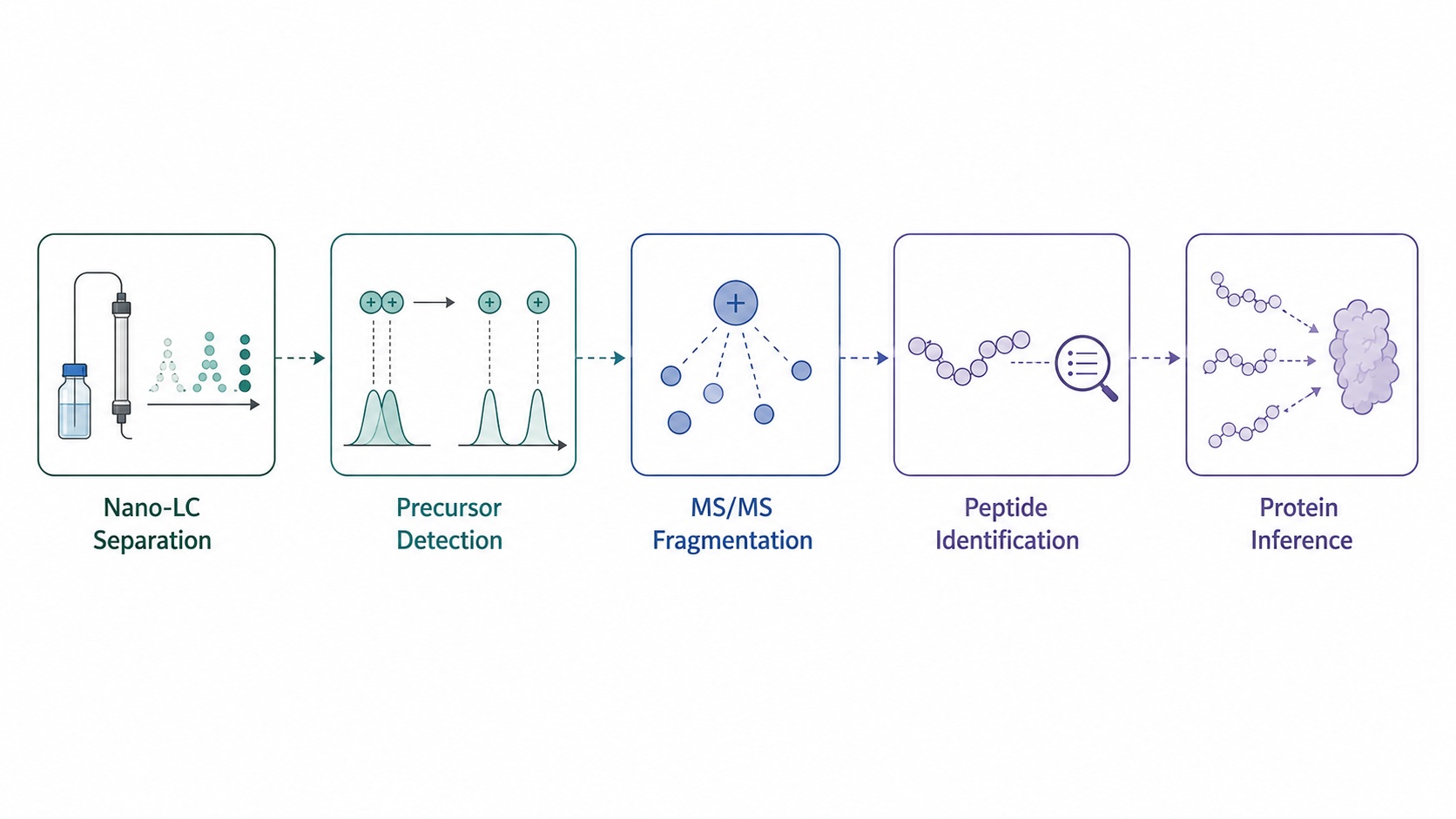
Figure 2. How High-Resolution LC-MS/MS Supports Protein Identification
DDA and DIA Use High-Resolution MS Information Differently
Both DDA and DIA can be used in mitochondrial proteomics, but they collect MS/MS information differently.
Data-Dependent Acquisition (DDA)
In DDA, precursor ions are detected and a subset is selected for fragmentation during each acquisition cycle. This approach provides detailed MS/MS information for selected peptide precursors.
Data-Independent Acquisition (DIA)
In DIA, predefined m/z windows are analyzed systematically, collecting fragment information across broader precursor ranges.
High-resolution measurement supports both approaches by helping distinguish complex precursor and fragment signals. Neither strategy is universally superior. The appropriate choice depends on study size, comparison structure, quantitative goals, and the type of protein-level information required.
How High-Resolution LC-MS/MS Supports Quantitative Proteomics
Label-Free Quantification
In label-free workflows, peptide signals are compared across LC-MS/MS runs. Accurate precursor measurement and reproducible chromatography support peptide matching and quantitative signal extraction.
Isobaric Labeling
TMT-based workflows use reporter-ion information to compare multiple samples within a multiplexed experiment. High-quality MS/MS data and appropriate acquisition settings are important for separating identification from quantitative information and limiting interference.
DIA Quantification
DIA collects fragment-ion information systematically across predefined precursor windows. High-quality precursor and fragment measurements support peptide identification, signal extraction, and quantitative comparison across multiple samples.
The choice among these strategies depends on the study design rather than resolution alone. For a more detailed method-selection framework, see Which Quantitative Strategy Fits a Mitochondrial Proteomics Study?
PTM Analysis Places Additional Demands on LC-MS/MS
Mitochondrial regulation can involve phosphorylation, acetylation, and other post-translational modifications. PTM analysis is more demanding than measuring total protein abundance because modified peptides may represent only a small portion of the total peptide pool.
A PTM-focused workflow may therefore include enrichment before LC-MS/MS, followed by mass spectrometric analysis that supports both peptide identification and modification-site assignment. High-resolution data are useful for distinguishing closely related peptide forms and supporting site-level interpretation, but dedicated sample preparation and data-analysis strategies remain essential.
Research Goals Determine How the LC-MS/MS Workflow Is Configured
|
Research Goal |
Main Analytical Consideration |
|
Mitochondrial protein identification |
Discovery LC-MS/MS profiling |
|
Group comparison |
Quantitative proteomics strategy |
|
Membrane protein analysis |
Extraction and solubilization |
|
PTM analysis |
Modification-specific enrichment and analysis |
|
Protein-metabolism research |
Proteomics-metabolomics integration |
A membrane-protein-focused project may require additional attention to extraction before LC-MS/MS, while a phosphorylation study requires a different peptide-preparation workflow from global protein profiling. High-resolution MS is therefore best understood as a flexible analytical foundation that must be configured around the biological question.
Frequently Asked Questions
Does higher mass resolution always mean better mitochondrial proteomics?
No. Higher resolving power can improve separation of closely spaced ion signals, but increasing resolution may also affect acquisition speed. The method needs to balance resolution, sensitivity, scan speed, and the analytical objective.
Can high-resolution LC-MS/MS compensate for poor mitochondrial preparation?
No. The mass spectrometer analyzes the material it receives. Contamination, protein loss, or inconsistent mitochondrial preparation can remain visible in the final dataset regardless of instrument performance.
Should protein identification count be the main measure of performance?
Not by itself. Protein coverage should be interpreted together with sample quality, mitochondrial representation, replicate consistency, the proteins relevant to the biological question, and the intended quantitative or PTM analysis.
Is DIA always better than DDA?
No. DDA and DIA use different acquisition strategies and can both support mitochondrial proteomics. Selection should depend on the study design and analytical objective.
Why are mitochondrial membrane proteins sometimes difficult to identify?
Hydrophobicity can affect extraction, solubilization, digestion, and peptide recovery. LC-MS/MS performance cannot fully recover information that is lost during upstream preparation.
How much isolated mitochondrial material is required?
Current MtoZ Biolabs guidance for isolated mitochondria is at least 50 μg mitochondrial protein per sample, with 80–100 μg preferred, at a concentration of at least 0.5 μg/μL, with 1 μg/μL preferred.
High-resolution LC-MS/MS enables the separation, detection, and analysis of complex peptide mixtures, supporting peptide identification, quantitative analysis, and specialized workflows such as PTM analysis.
MtoZ Biolabs uses high-resolution LC-MS/MS to support mitochondrial protein identification, quantitative proteomics, and PTM analysis, with proteomics-metabolomics integration available for broader molecular interpretation. If you are planning a mitochondrial proteomics project, send us your research objective, sample type, and current preparation status. The MtoZ Biolabs technical team can respond within 24 hours to help evaluate an appropriate analytical strategy.
MtoZ Biolabs, an integrated chromatography and mass spectrometry (MS) services provider.
Related Services
How to order?




