






Serum, Plasma, and CSF Proteomics: From Biofluid Samples to Biological Insights
Serum, plasma, and cerebrospinal fluid (CSF) are widely used biofluids in biomedical research. Mass spectrometry-based proteomics can characterize proteins in these samples, compare protein abundance across experimental groups, and support downstream biological interpretation.
Biofluid proteomics involves more than LC-MS/MS analysis alone. Serum, plasma, and CSF differ in protein composition, concentration range, collection procedures, and preanalytical characteristics. Sample collection, preparation, analytical strategy, study design, and data processing can all affect protein coverage, data consistency, and result interpretation.
A well-designed biofluid proteomics study requires coordinated decisions across sample preparation, analytical strategy, quantitative analysis, and biological interpretation. Understanding how these stages affect data quality and research outcomes is essential for selecting an appropriate workflow and planning a reliable study.
What Is Serum, Plasma, and CSF Proteomics?
Serum, plasma, and CSF proteomics uses mass spectrometry to characterize proteins and peptides present in these biofluids. In a typical bottom-up proteomics workflow, proteins are prepared and digested into peptides, separated by liquid chromatography, analyzed by tandem mass spectrometry, and then converted into protein-level information through data processing.
Although all three matrices can be used for proteomics, they represent different biological and analytical environments:
- Serum is obtained after blood coagulation. The clotting process alters part of the measurable protein background.
- Plasma is collected in the presence of an anticoagulant and retains proteins involved in coagulation.
- CSF originates from the central nervous system environment and generally contains a different protein composition and lower total protein concentration than blood-derived samples.
These differences mean that serum, plasma, and CSF should not be treated as interchangeable matrices. Within a comparative study, sample type and handling conditions should remain as consistent as possible so that biological differences are not unnecessarily confounded by preanalytical variation.
What Can Serum, Plasma, and CSF Proteomics Reveal?
Serum, plasma, and CSF proteomics can provide several levels of protein-related information. The specific outputs depend on the research objective, study design, and analytical strategy.
1. Protein identification
Determines which proteins are supported by peptide-level evidence in the analyzed samples.
2. Protein quantification
Compares relative protein abundance across samples, experimental groups, conditions, or time points.
3. Differential protein analysis
Identifies proteins that show statistically supported abundance differences in defined comparisons.
4. Biological interpretation
Uses functional annotation, pathway analysis, and protein-protein interaction analysis to place protein changes into a broader biological context.
5. Candidate prioritization
Integrates quantitative, statistical, and biological evidence to identify proteins or biological themes that may warrant further investigation.
These outputs represent different levels of evidence. Protein identification and quantification describe what is detected and how protein abundance varies, while differential and functional analyses help determine which changes may be biologically relevant. Candidate prioritization further narrows the findings for follow-up research, but does not by itself establish a biological mechanism or validate a biomarker.
The value of a biofluid proteomics dataset therefore depends not only on the number of proteins identified, but also on whether the results can support the intended biological comparison and subsequent research decisions.
Preparing Serum, Plasma, and CSF for Proteomics Analysis
Sample preparation can influence protein recovery, data consistency, and downstream interpretation. Before analysis, several practical factors should be considered:
- Sample type: serum, plasma, and CSF should be clearly distinguished, and the same matrix should generally be used within a comparison.
- Sample amount: sufficient material should be available for the planned proteomics workflow.
- Sample condition: hemolysis, lipemia, precipitation, or contamination should be noted when present.
- Collection and handling: procedures should be kept as consistent as possible across groups; plasma samples should include anticoagulant information.
- Storage: storage conditions and freeze-thaw exposure should be controlled and documented where possible.
For comparative studies, consistency between samples is as important as the quality of each individual sample.
More detailed guidance on sample volume, storage, anticoagulants, shipping, and submission is available in Serum, Plasma, and CSF Sample Requirements for Proteomics: Volume, Storage, and Shipping.
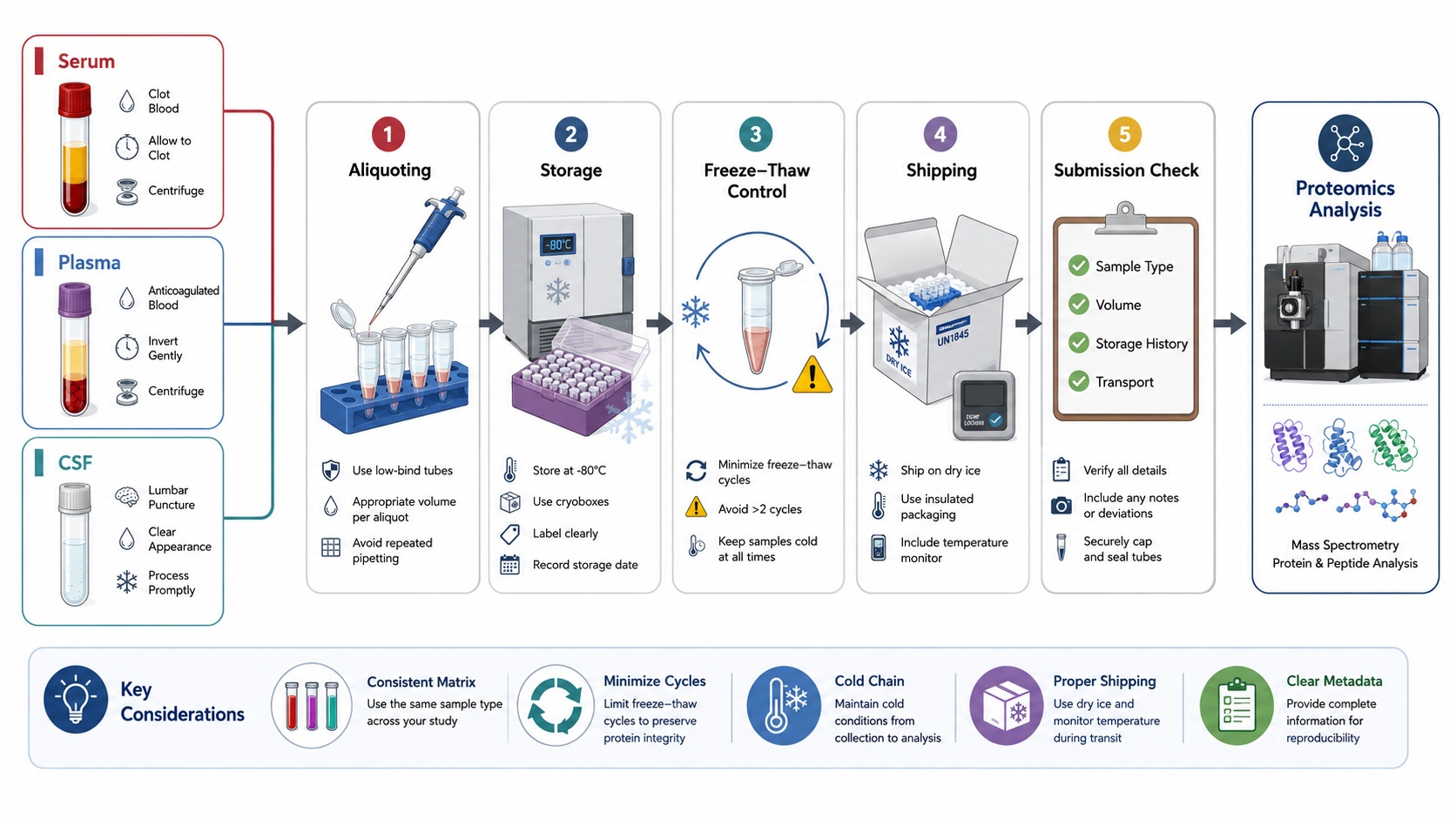
Figure 1. Sample Preanalytical Planning for Serum, Plasma, and CSF Proteomics.
From Biofluid Samples to Proteomics Data
Once serum, plasma, or CSF samples are ready for analysis, the proteomics workflow converts proteins in the sample into identifiable and quantifiable data through several connected steps.
1. Protein Preparation
Proteins are extracted and prepared for downstream proteomic analysis.
2. Protein Digestion
Proteins are enzymatically digested into peptides suitable for mass spectrometry.
3. LC-MS/MS Analysis
Peptides are separated by liquid chromatography and analyzed by tandem mass spectrometry. Analytical strategy at this stage can affect protein coverage, quantitative comparison, and data consistency.
- Choosing an Acquisition Mode
DDA and DIA are two commonly used acquisition strategies with different characteristics in protein coverage, missing values, and consistency across samples. More detailed guidance is available in DDA vs DIA for Biofluid Proteomics: Coverage, Missing Values, and Study Design.
- Choosing a Quantification Method
Biofluid proteomics studies may use TMT or label-free quantification depending on study design, sample organization, and analytical requirements. Their practical differences are discussed in TMT vs Label-Free Quantification for Biofluid Proteomics: Multiplexing, Batch Design, and Sample Input.
4. Protein Identification and Quantification
MS data are processed to identify proteins and compare their relative abundance across samples or experimental groups.
5. Bioinformatics Analysis
Protein datasets are further analyzed to identify differential proteins and provide functional and pathway context.
A more detailed explanation of the complete analytical sequence is available in LC-MS/MS Workflows for Serum, Plasma, and CSF Proteomics.
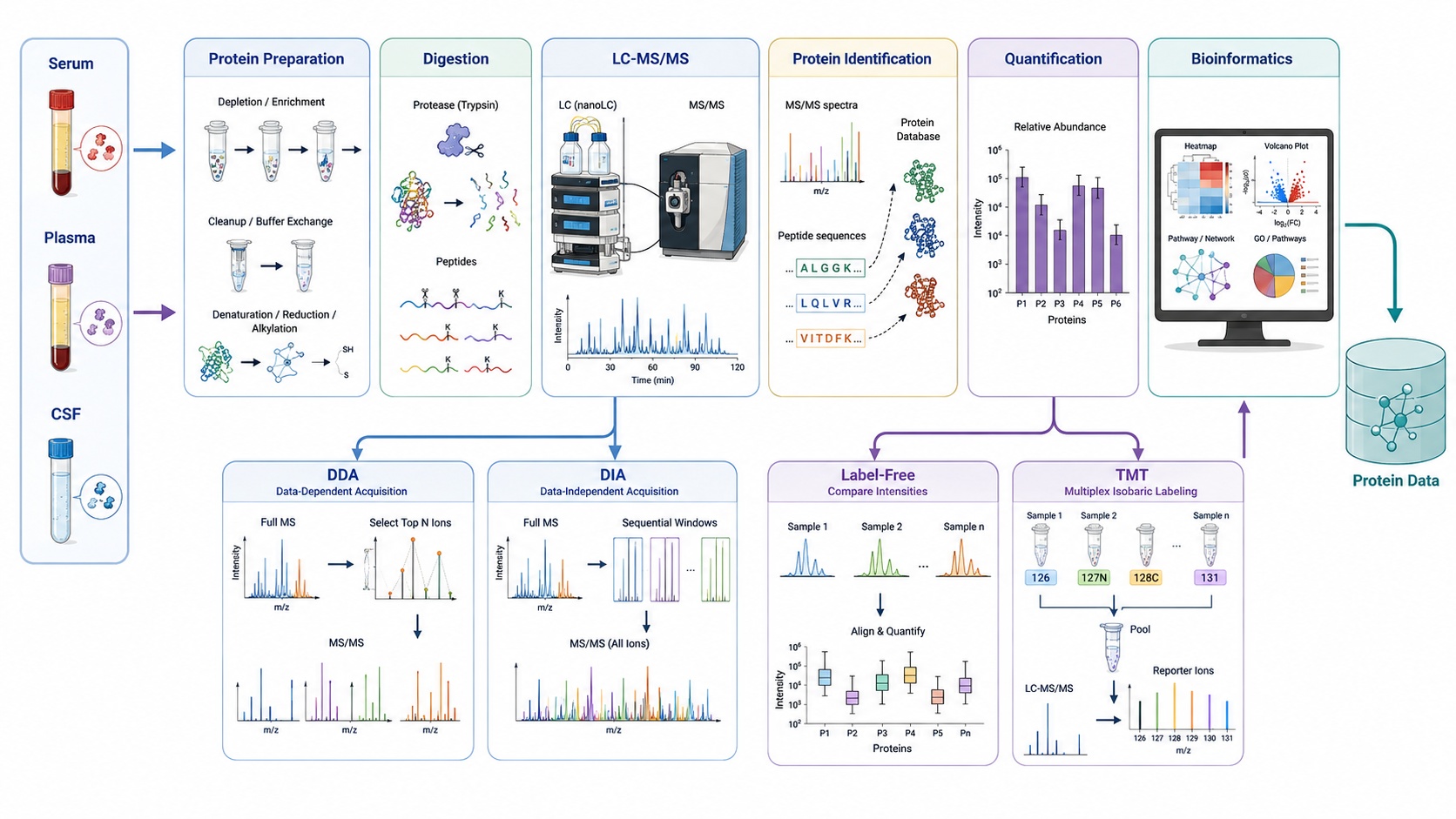
Figure 2. The Analysis Workflow of Serum, Plasma, and CSF Proteomics.
How Should Serum, Plasma, and CSF Proteomics Results Be Interpreted?
Proteomics results should be interpreted in relation to the study design, sample quality, and the strength of the supporting evidence. A single statistical result, protein change, or pathway signal is rarely sufficient for a strong biological conclusion.
Key considerations include:
- Check data quality first: Unexpected sample variation or technical inconsistency can affect downstream comparisons.
- Interpret changes in context: Protein differences should be considered within the specific comparison, experimental condition, and biological question.
- Avoid relying on significance alone: Statistical significance should be considered together with effect size, consistency, and biological plausibility.
- Avoid over-interpreting pathways: Enrichment or network results can suggest biological themes but do not demonstrate pathway activation or mechanism.
- Separate discovery from validation: Proteomics can prioritize findings for follow-up, but stronger biological or biomarker claims require additional evidence.
More detailed guidance on differential proteins, pathway results, visualization, and candidate prioritization is available in How to Read Biofluid Proteomics Results: Differential Proteins, Visualizations, and Pathways.
What Determines the Quality of Biofluid Proteomics Data?
Biofluid proteomics data quality is shaped by the entire study, from sample collection to data processing. Differences in protein coverage, missing values, quantitative consistency, and reproducibility usually reflect several factors acting together.
Key factors include:
- Sample quality and handling: Sample condition, collection, storage, freeze-thaw history, and contamination can influence the proteins ultimately measured.
- Biofluid characteristics: Serum, plasma, and CSF differ in protein abundance range and composition, which affects analytical complexity and achievable coverage.
- Analytical workflow: Protein preparation, digestion, chromatography, MS acquisition, and data processing all influence detection and quantification.
- Technical consistency: Variation introduced during sample processing, instrument analysis, or batch handling can reduce comparability across samples.
- Study design: Biological variation, group structure, and batch organization affect how confidently quantitative differences can be interpreted.
Protein count alone is therefore not a sufficient measure of data quality. A useful dataset should provide adequate coverage while maintaining consistency, reproducibility, and suitability for the intended comparison.
More detailed discussion of these factors is available in Why Biofluid Proteomics Results Vary: Protein Coverage, Missing Values, and Reproducibility.
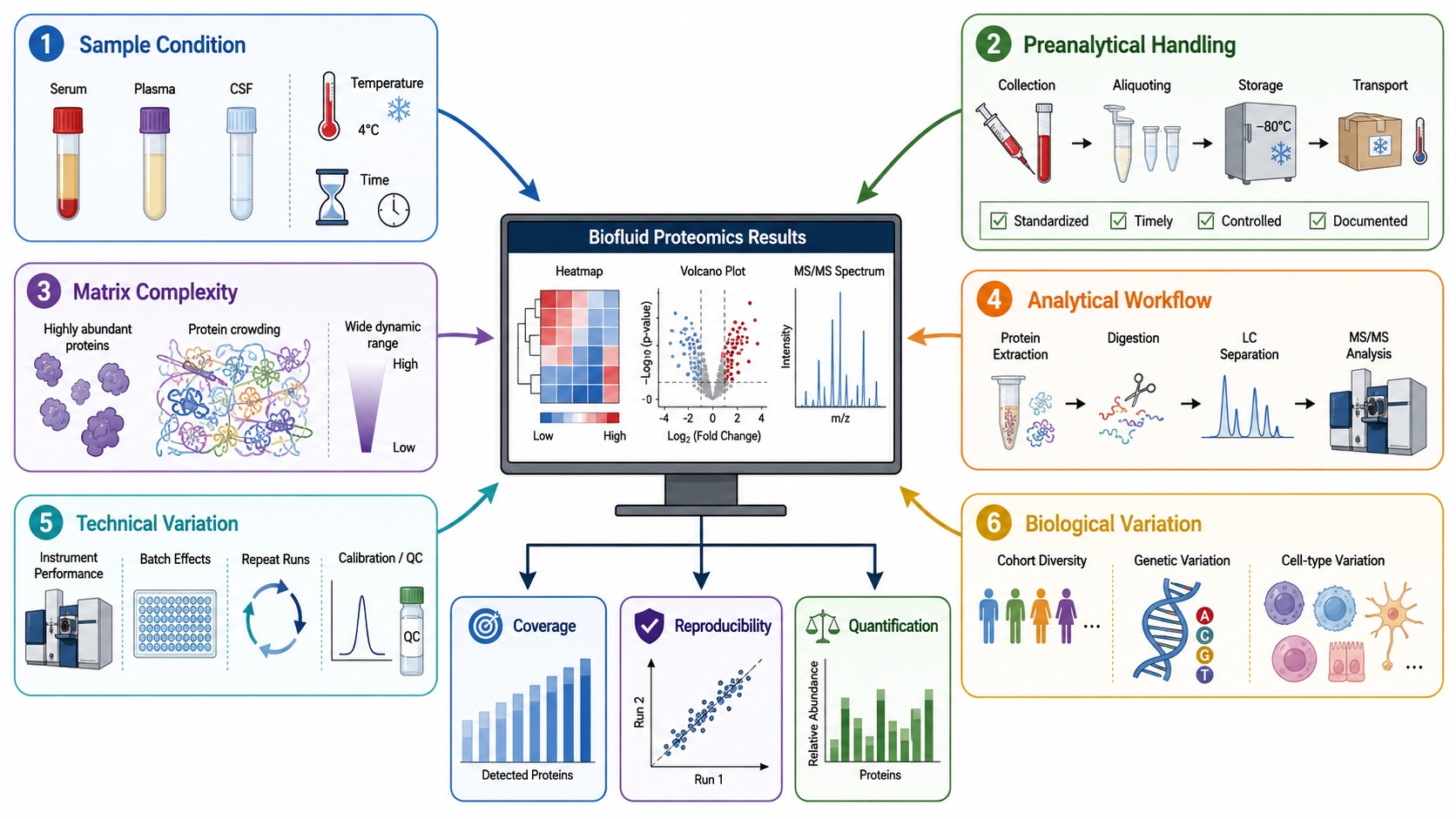
Figure 3. Factors Influencing Biofluid Proteomics Data Quality.
Where Biofluid Proteomics Supports Research
1. Comparing biological groups or conditions
Proteomic profiles can reveal protein abundance differences associated with disease states, treatments, experimental conditions, or time points.
2. Identifying research candidates
Differential proteins can help prioritize molecules for further functional study, validation, or targeted analysis.
3. Investigating biological processes
Protein-level changes can provide evidence for pathways and molecular processes associated with the observed phenotype.
4. Selecting the appropriate biofluid
Serum and plasma are commonly used to study circulating and systemic protein changes, while CSF is more closely connected to the central nervous system environment.
The value of biofluid proteomics therefore depends on matching the research question, biological compartment, sample type, and comparison design.
More detailed research scenarios and matrix-specific applications are discussed in Applications of Serum, Plasma, and CSF Proteomics in Research.
What Biofluid Proteomics Can and Cannot Establish
Biofluid proteomics can generate several types of protein-level evidence, but different results support different levels of conclusion. Interpretation should distinguish direct analytical findings from biological inference and conclusions that require further validation.
1. Protein detection
Identified peptides provide evidence that a protein was detected under the analytical conditions used. Failure to detect a protein does not necessarily mean that the protein is absent from the sample, because detection is also influenced by protein abundance, sample complexity, preparation, and analytical coverage.
2. Protein abundance differences
Quantitative proteomics can identify proteins that differ in abundance between predefined groups, conditions, treatments, or time points. These differences support an association with the comparison being studied, but do not establish that the protein change caused the observed biological phenotype.
3. Functional and pathway associations
Differential proteins can be mapped to biological functions, pathways, and molecular processes to identify patterns within the dataset. Enrichment results indicate that particular biological themes are represented among the proteins of interest, but they should not be interpreted as direct evidence that a pathway is activated, inhibited, or responsible for the phenotype.
4. Protein interaction context
Protein-protein interaction networks can show known or predicted relationships among proteins and help identify connected molecular modules or central proteins. Network association, however, is not equivalent to experimentally demonstrating a physical interaction in the analyzed sample.
5. Candidate discovery
Proteomics can help prioritize proteins, pathways, or molecular signatures for further study. In biomarker-oriented research, candidates identified in a discovery dataset still require confirmation in independent samples and appropriate downstream validation before stronger claims can be made.
6. Biological mechanism
Proteomics can provide molecular clues that support a mechanistic hypothesis, but protein abundance changes alone rarely establish causality. Functional experiments are generally required to determine whether a protein or pathway directly contributes to the biological process being studied.
The main value of biofluid proteomics is therefore to provide protein-level detection, quantitative comparison, biological context, and candidate discovery. Claims involving causality, direct interaction, pathway activity, biomarker validation, or clinical significance require additional evidence beyond the proteomics dataset.
Planning a Serum, Plasma, or CSF Proteomics Project
A well-planned serum, plasma, or CSF proteomics study starts with a clear biological question. Sample selection, comparison design, analytical strategy, and expected outputs should all support that question. Before starting a project, consider five key decisions:
1. Define the research goal
Clarify whether the study focuses on protein profiling, quantitative comparison, candidate discovery, or another protein-level question.
2. Select and assess the samples
Confirm the biofluid type, available sample amount, sample condition, and relevant collection or storage information.
3. Establish the comparison design
Define study groups, biological replicates, treatments, time points, or other planned comparisons before analysis.
4. Choose the analytical strategy
Select acquisition and quantification approaches according to the sample characteristics and study design.
5. Define the expected outputs
Determine which results are needed to answer the research question and support the next stage of the study.
These decisions help establish whether the available samples and planned workflow are suitable for the intended study. Researchers ready to move from study planning to project evaluation can review the Serum / Plasma / CSF Proteomics Service for MtoZ Biolabs workflow options, sample review, and project-specific proteomics planning.
Frequently Asked Questions
Q1: Can serum and plasma samples be compared directly in the same proteomics analysis?
A1: Generally, no. Serum and plasma have different protein compositions because of clotting and anticoagulant use. Samples within the same comparison should normally use the same biofluid type.
Q2: Can plasma samples collected with different anticoagulants be compared in the same study?
A2: It is generally not recommended. EDTA, citrate, heparin, and other anticoagulants can introduce preanalytical differences, so the same anticoagulant should be used across samples whenever possible.
Q3: Can hemolyzed serum or plasma samples still be used for proteomics?
A3: They can sometimes be analyzed, but hemolysis may substantially alter the measured protein profile by introducing abundant intracellular proteins. Hemolysis should therefore be recorded and considered during sample selection and interpretation.
Q4: Is one sample per group enough for differential protein analysis?
A4: No. A single sample cannot capture biological variation within a group and is not sufficient for reliable statistical comparison. Biological replicates are needed for group-based differential analysis.
Q5: Should albumin and other high-abundance proteins be depleted before serum or plasma proteomics?
A5: Not necessarily. Depletion can improve access to lower-abundance proteins, but it also introduces additional sample processing and potential protein loss. The need for depletion depends on the study objective and desired proteome coverage.
Q6: Can paired plasma and CSF samples from the same individuals be compared?
A6: Yes, but plasma and CSF should still be treated as different biological compartments. A paired design can help examine relationships between the two matrices, but protein abundance should not be interpreted as directly equivalent across plasma and CSF.
Q7: Can samples collected at different times or in different batches be included in one study?
A7: Yes, but collection and processing differences should be documented and considered in the study design. When possible, experimental groups should be balanced across collection and analytical batches to reduce systematic bias.
Conclusion
Serum, plasma, and CSF proteomics can support protein identification, quantitative comparison, candidate discovery, and biological interpretation, but useful results depend on more than analytical depth alone. Sample quality, comparison design, acquisition and quantification strategy, data consistency, and evidence interpretation should all be matched to the same research objective. A well-planned study is therefore defined not simply by how many proteins are detected, but by whether the resulting dataset can reliably answer the intended biological question and support the next stage of research.
MtoZ Biolabs provides serum, plasma, and CSF proteomics services covering protein identification, quantitative analysis, and downstream bioinformatics. Researchers preparing a biofluid proteomics project can review the Serum / Plasma / CSF Proteomics Service for additional information on sample assessment, analytical options, and project planning, or contact MtoZ Biolabs to discuss specific study requirements.
How to order?




