






TMT vs Label-Free Quantification for Biofluid Proteomics: Multiplexing, Batch Design, and Sample Input
Tandem mass tag (TMT) and label-free quantification are widely used for quantitative proteomics of serum, plasma, and cerebrospinal fluid (CSF). Label-free workflows quantify samples individually, whereas TMT uses isobaric labeling to combine multiple samples within a multiplexed set for relative comparison.
The choice between these strategies depends on how the study is organized. Sample allocation, batch design, material availability, cohort size, and the potential addition of new samples can all influence which approach is more suitable.
Key Considerations for Quantitative Biofluid Proteomics
Quantification strategy should be considered in the context of the complete study design. Several project factors can influence whether TMT or label-free quantification is practical:
- Cohort structure: whether the main sample set and comparison groups are already defined.
- Batch or set requirements: whether the study will require multiple analytical batches or TMT sets.
- Sample availability: whether sufficient material is available across all planned samples.
- Study expansion: whether additional samples may be added after the initial analysis.
Considering these factors early helps keep the quantitative design compatible with the planned comparison as the study progresses.
How Label-Free and TMT Quantification Work
Label-free and TMT quantification differ mainly in how quantitative information is generated across samples.
1. Label-Free Quantification
In label-free quantification, each serum, plasma, or CSF sample is analyzed separately. Relative protein abundance is determined by comparing peptide or protein signal intensities across the individual analyses.
No isobaric labeling is required, and quantitative comparison is based on measurements obtained from separate samples.
2. TMT Quantification
TMT quantification uses isobaric tags to label peptides from different samples. The labeled peptides are combined and analyzed within the same multiplexed set.
During MS/MS analysis, the tags generate reporter-ion signals that distinguish the labeled samples and provide relative quantitative information across the multiplexed set.
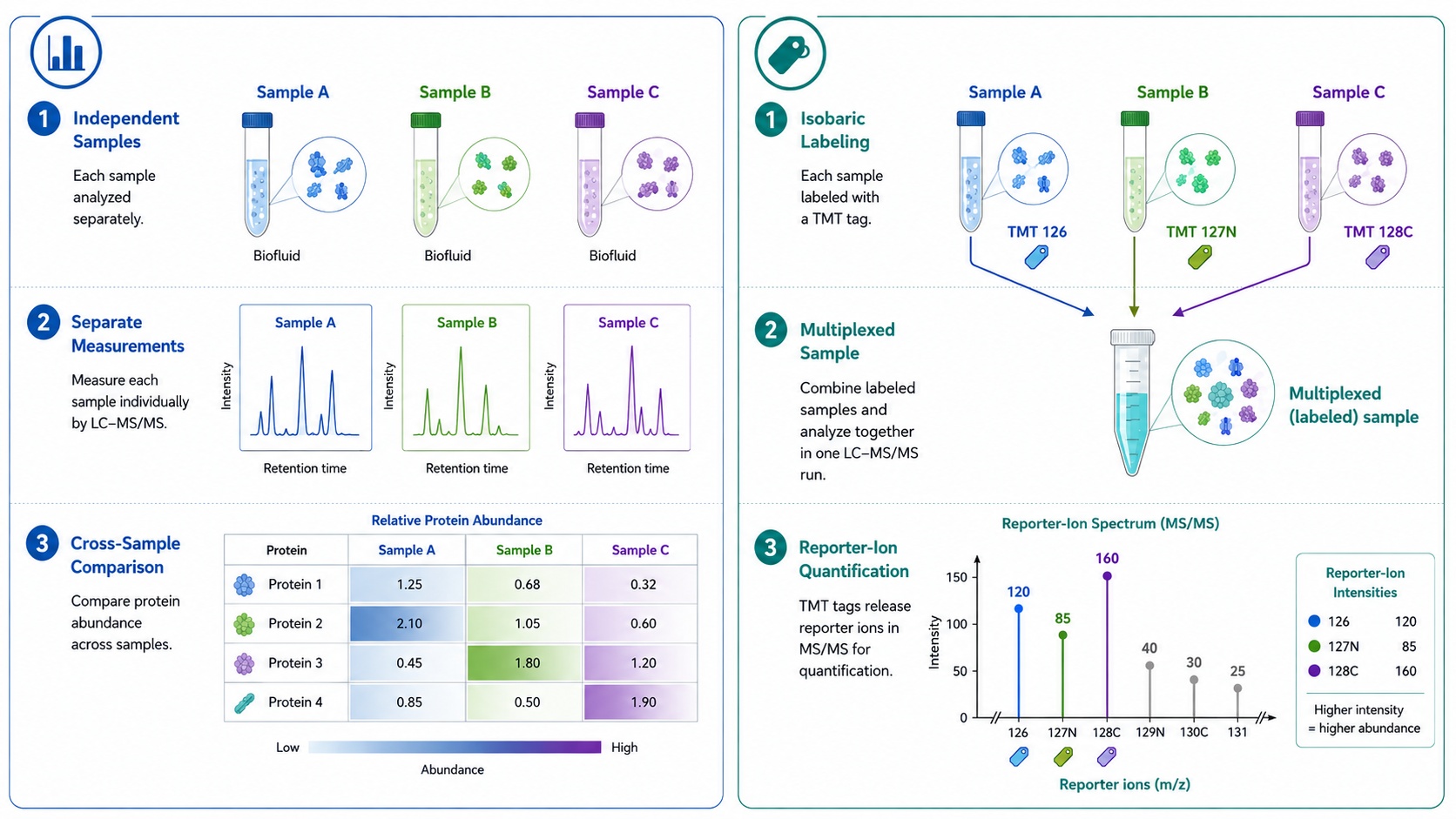
Figure 1. Quantification Principles of Label-Free and TMT Proteomics.
TMT vs Label-Free: Key Design Differences
The practical differences between TMT and label-free quantification become more relevant when a study involves a larger sample set, multiple batches, or samples added at different stages.
|
Design Factor |
Label-Free Quantification |
TMT Quantification |
|
Sample organization |
Samples remain independent |
Samples assigned to multiplexed sets |
|
Batch structure |
Individual analyses across batches |
Samples organized within and across TMT sets |
|
Upfront planning |
More flexible |
More planning required before labeling |
|
Adding samples later |
Easier to accommodate |
May require a new TMT set |
|
Material planning |
Managed by individual sample |
Planned across the multiplexed set |
These differences mainly affect how the sample set is organized as the project grows. Batch structure, sample allocation, and the possibility of later expansion therefore need to be considered when the quantitative design is established.
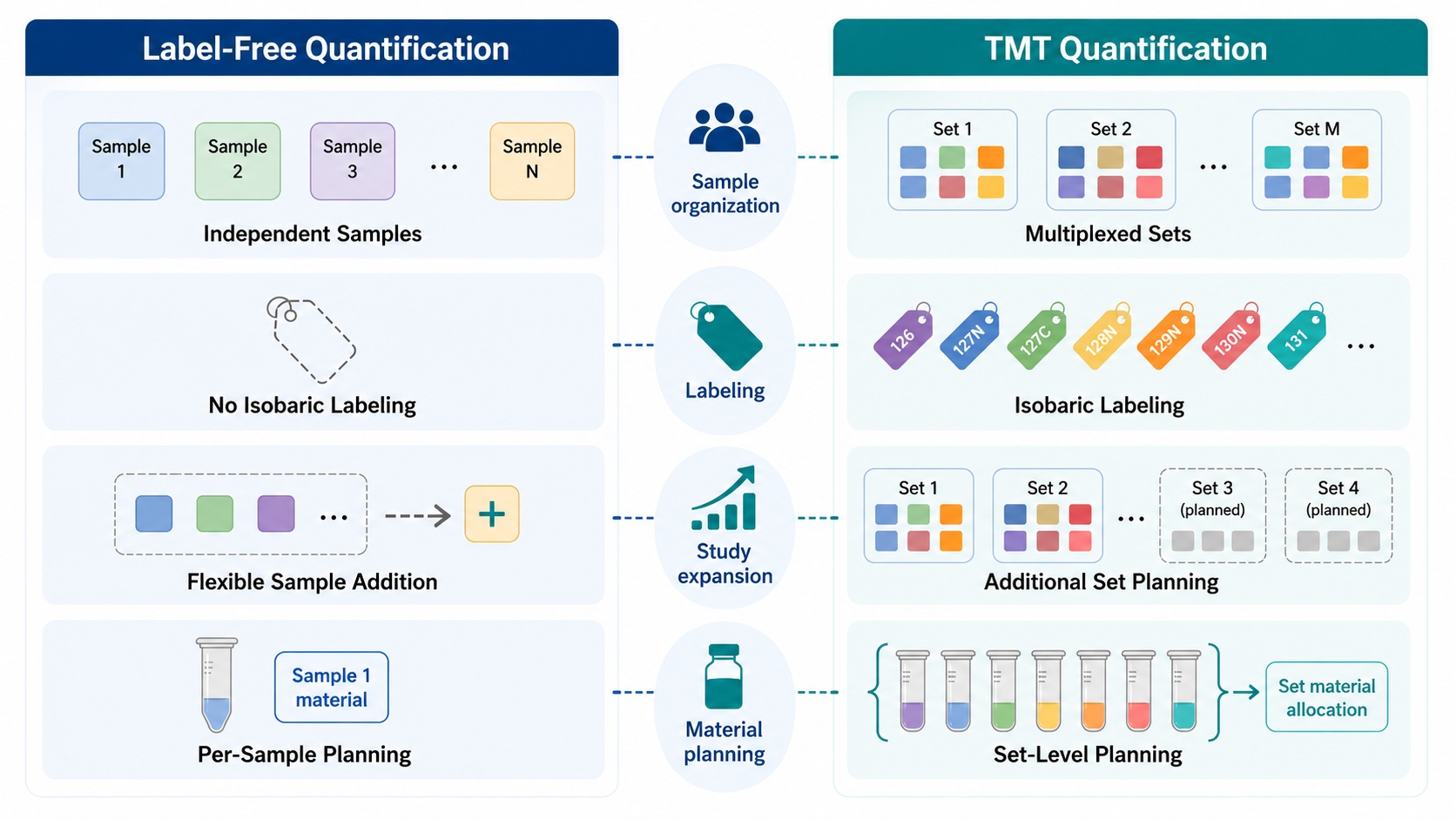
Figure 2. Key Design Differences Between Label-Free and TMT Quantification.
Multiplexing, Sample Organization, and Batch Design
Larger quantitative studies often require samples to be distributed across multiple sets or analytical batches. The main objective is to keep analytical organization compatible with the biological comparison.
Organizing Samples Within TMT Sets
TMT sample allocation should reflect the experimental design rather than sample submission order. Important factors include:
- biological groups, such as control and treatment;
- biological replicates;
- collection time points;
- other major experimental conditions.
When several TMT sets are required, placing most control samples in one set and most treatment samples in another can link biological group with set structure. A more balanced allocation provides a clearer basis for comparison.
When Several TMT Sets Are Needed
Large TMT studies can be divided across multiple multiplexed sets. Planning should consider the complete cohort so that:
- major biological groups remain appropriately represented across sets;
- individual sets remain connected to the same overall comparison.
Detailed sources of batch effects and statistical correction methods are separate data-analysis topics and are not part of TMT set planning here.
Batch Planning in Label-Free Studies
Label-free quantification does not require multiplexed sets, but larger cohorts may still span several analytical batches. Biological groups and replicates should be distributed consistently across batches so that analytical organization does not become unnecessarily aligned with the experimental groups.
Sample Input and Study Scale
Sample input should be assessed across the full cohort before the quantitative strategy is finalized. A few low-volume or irreplaceable specimens can affect the feasibility of an otherwise well-supplied study.
When Sample Availability Is Uneven
Sample availability deserves closer review when:
- some specimens contain much less material than the rest of the cohort;
- samples cannot be recollected;
- limited-volume CSF samples are included;
- material must be reserved for additional analyses.
TMT requires sufficient material for labeling and multiplexed analysis across the planned sample set. Label-free quantification does not require a multiplexed set, but every sample still needs to meet the input requirements of the analytical workflow.
Matching Sample Input to Study Scale
As sample number increases, material requirements need to be considered at the project level. Larger TMT studies may involve several multiplexed sets, while larger label-free studies involve more individual analyses. In both cases, inconsistent sample availability can limit how uniformly the study can be carried out.
No single sample-input threshold applies to every TMT or label-free biofluid project. Required material should be determined according to the sample type, preparation requirements, and overall study design.
Choosing Between TMT and Label-Free Quantification
The choice between TMT and label-free quantification depends largely on whether multiplexing or sample independence is more important for the planned comparison.
When TMT May Be the Better Fit
TMT is well suited to studies in which the main comparison groups are defined in advance and can be organized within a multiplexed design. When multiplexing helps structure the comparison efficiently, TMT can provide a practical framework for quantitative analysis.
When Label-Free May Be the Better Fit
Label-free quantification is often more suitable when samples need to remain independent throughout the study. This approach provides more flexibility when the sample set may change or when a fixed multiplexed structure is not necessary.
Both strategies can support quantitative biofluid proteomics when applied within an appropriate study design.
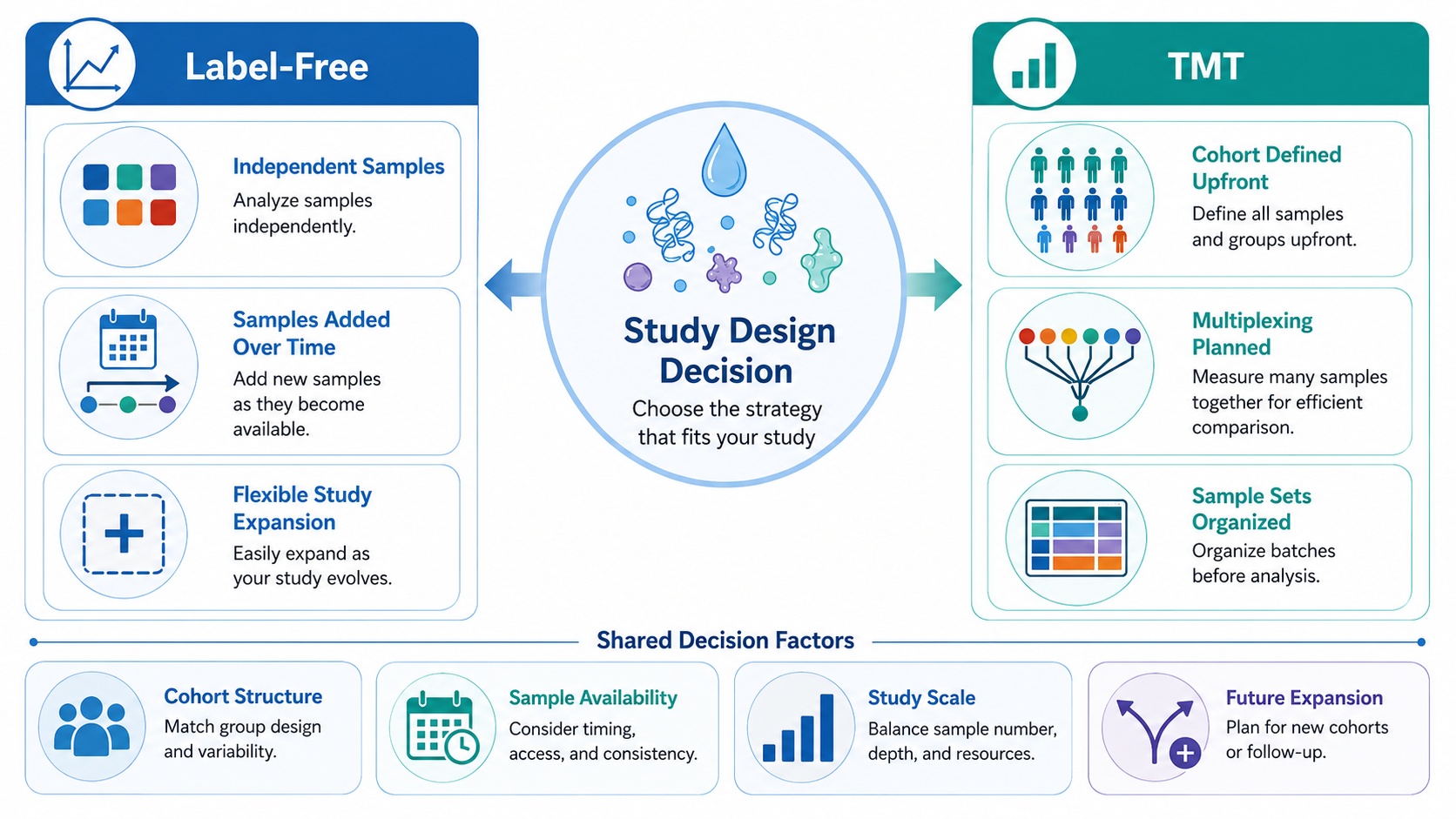
Figure 3. Study Design Considerations for Choosing Label-Free or TMT Quantification.
Frequently Asked Questions
Q1: Is TMT always more accurate than label-free quantification?
A1: No. Neither strategy is universally more accurate. Quantitative performance also depends on sample quality, experimental design, analytical consistency, and data processing. TMT and label-free quantification should be selected according to the needs of the study rather than an assumed difference in accuracy.
Q2: Does TMT eliminate batch effects?
A2: No. Multiplexing allows several samples to be analyzed within the same TMT set, but studies involving multiple sets can still be affected by between-set or batch variation. Appropriate set organization remains important for larger TMT projects.
Q3: Do samples within a TMT set need comparable peptide input?
A3: Generally, comparable peptide input across TMT channels is preferred to support balanced multiplexed analysis. The appropriate input should be determined for the specific sample type and project rather than applying a single value to every study.
Q4: Can TMT and label-free quantification be used in the same project?
A4: Yes, if the two approaches serve different analytical purposes or stages of the project. For samples included in the same direct quantitative comparison, using a consistent quantification strategy generally provides a clearer analytical framework.
Q5: Can TMT and label-free results be compared directly?
A5: Not as directly interchangeable quantitative measurements. TMT and label-free quantification generate relative abundance information through different analytical designs. Any comparison or integration between the two datasets should therefore be planned according to the intended use of the results.
Planning Quantitative Biofluid Proteomics
A well-planned quantitative proteomics study should keep the intended biological comparison clear from sample preparation through data analysis. TMT and label-free quantification can both support serum, plasma, and CSF studies, but the final strategy should be selected before the quantitative workflow is established.
MtoZ Biolabs supports TMT and label-free quantitative proteomics and can help assess the most appropriate approach based on the study objective, sample set, and planned comparisons. Contact MtoZ Biolabs to discuss a biofluid proteomics project. For a broader overview of sample preparation, LC-MS/MS workflows, data interpretation, and study planning, see Serum, Plasma, and CSF Proteomics: From Biofluid Samples to Biological Insights.
How to order?




