






Serum, Plasma, and CSF Sample Requirements for Proteomics: Volume, Storage, and Shipping
Serum, plasma, and cerebrospinal fluid (CSF) are commonly used biofluids for proteomics research, but each matrix has different preanalytical characteristics that can affect sample submission and downstream analysis. Appropriate preparation before shipment helps ensure that the material received is suitable for the planned proteomics project.
Before serum, plasma, or CSF samples are submitted, the available sample information should be complete enough to support project review and sample acceptance. Clear documentation of sample origin, handling history, and any non-routine conditions allows potential issues to be identified before valuable biological material is shipped.
What Should Be Checked Before Serum, Plasma, or CSF Proteomics?
Before shipment, serum, plasma, and CSF samples should be reviewed to determine whether they meet routine submission conditions or require additional assessment. Samples can generally proceed when the matrix is clearly identified, sufficient material is available, collection information is complete, and storage and labeling records are consistent.
Contact MtoZ Biolabs before shipment if any of the following applies:
- the available volume is below the listed minimum;
- the anticoagulant used for plasma collection is unknown;
- severe hemolysis or lipemia is present;
- visible precipitation or contamination is observed;
- samples have undergone repeated freeze-thaw cycles;
- storage history is incomplete or uncertain;
- other non-routine collection or handling conditions are present.
Samples with substantial abnormalities or uncertain handling history should be reviewed before shipment rather than submitted as routine samples. Infectious samples are not accepted.
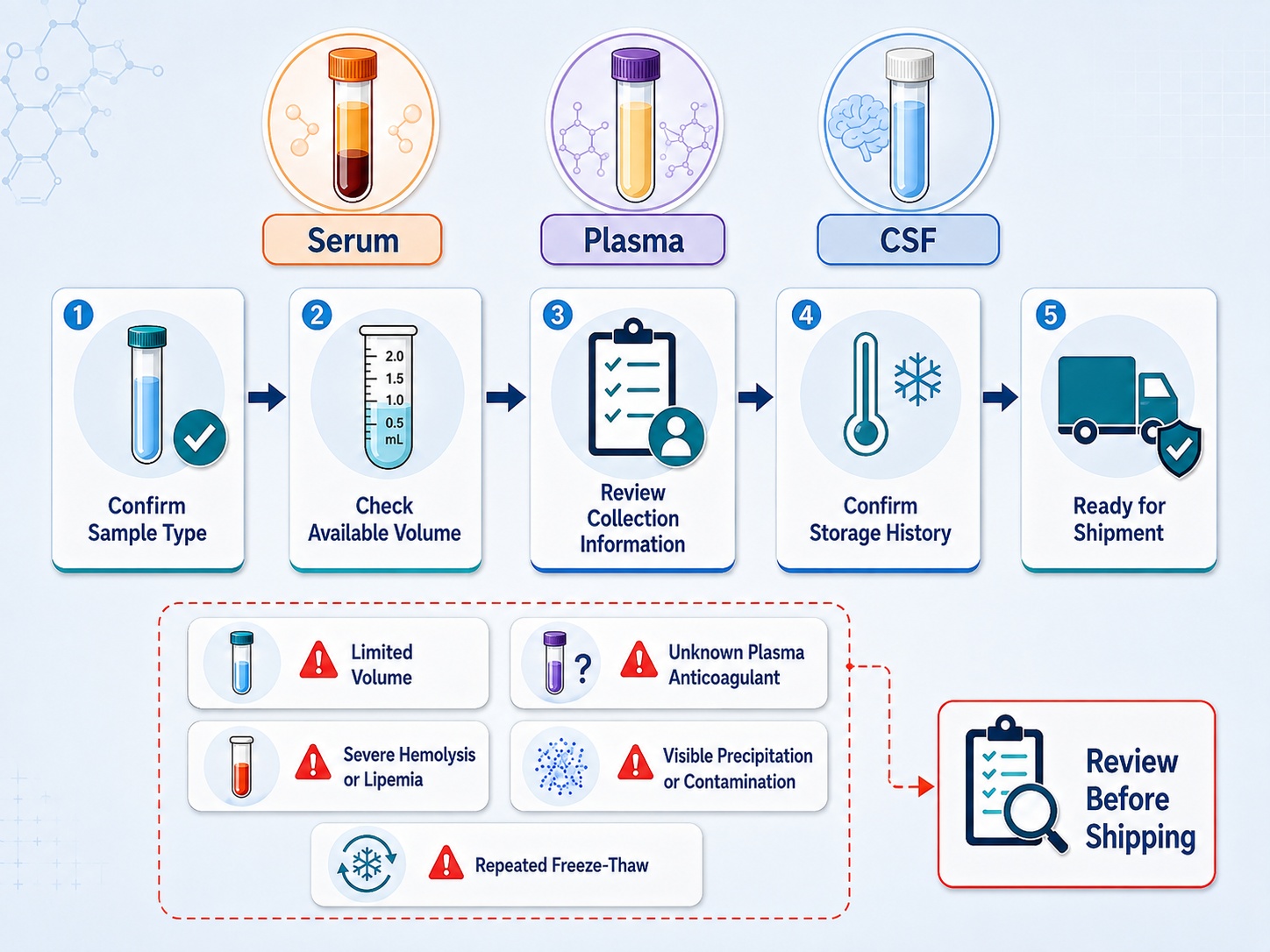
Figure 1. Pre-Submission Review of Serum, Plasma, and CSF Samples.
Sample Amount, Condition, and Matrix-Specific Considerations
1. Sample Volume Requirements
Sample volume requirements vary among serum, plasma, and CSF. For serum and plasma, the required starting volume also depends on whether high-abundance protein depletion is planned. Recommended and minimum submission amounts are listed below.
|
Sample Type |
Recommended Amount |
Minimum Amount |
|
Serum/Plasma (without high-abundance protein depletion) |
10 μL |
5 μL |
|
Serum/Plasma (with high-abundance protein depletion) |
50 μL |
25 μL |
|
CSF |
0.1 mL |
0.05 mL |
Samples below the minimum requirement should be confirmed with MtoZ Biolabs before shipment, particularly when sample material is limited or cannot be recollected.
2. Collection and Initial Sample Processing
Collection and initial processing procedures differ among serum, plasma, and CSF. Relevant processing information should be recorded with the sample information before submission.
Serum
- Collect blood without anticoagulant.
- Gently invert the tube 8-10 times and hold at 4℃ for approximately 30 minutes.
- Centrifuge at 1,000 ×g for 10 minutes at 4℃.
- Transfer the upper pale-yellow serum fraction into a clean tube for aliquoting and storage.
Plasma
- Collect blood with an anticoagulant.
- Gently invert the tube 8-10 times after collection.
- Centrifuge at 1,000 ×g for 10 minutes at 4℃.
- Transfer the upper pale-yellow plasma fraction into a clean tube for aliquoting and storage.
- Record the anticoagulant used for collection. EDTA or citrate is preferred; heparin can be accepted but is not recommended when an alternative anticoagulant is available.
CSF
- Collect CSF into a clean tube and process promptly.
- Centrifuge at 1,000-2,000 ×g for 5 minutes at 4℃.
- Transfer the supernatant into a clean tube for aliquoting and storage.
- Confirm the remaining sample volume after processing, especially when the available CSF volume is limited.
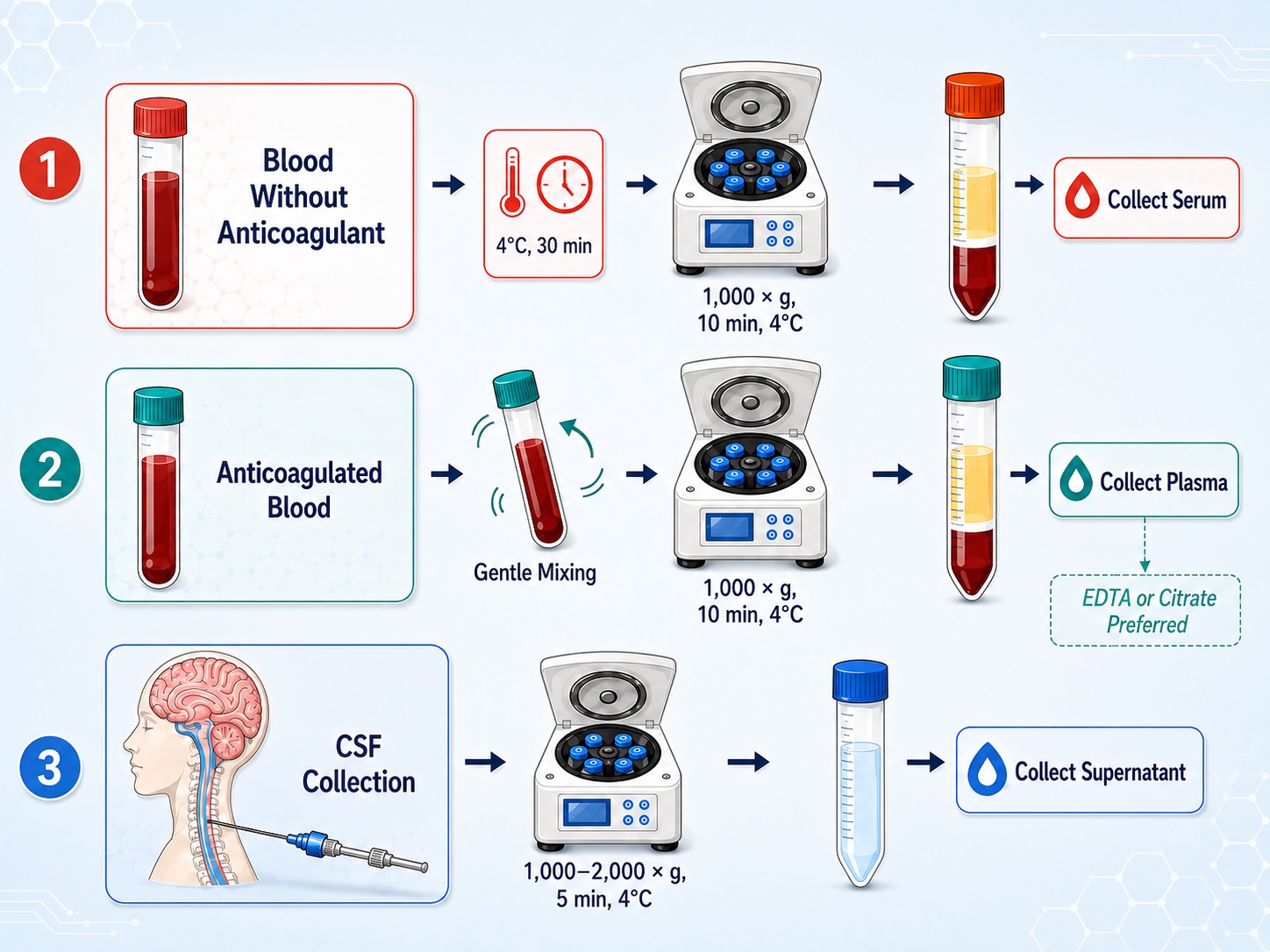
Figure 2. Collection and Initial Processing of Serum, Plasma, and CSF.
3. Sample Condition Before Submission
Sample appearance should be checked before shipment, and any visible abnormalities should be recorded with the sample information.
For serum and plasma, normal samples are generally clear to pale yellow. Report any of the following conditions when present:
- pink or red coloration indicating hemolysis;
- marked lipemia;
- visible precipitation;
- contamination;
- other unusual appearance.
For CSF, visible blood contamination or other abnormal characteristics should also be documented.
Storage and Freeze-Thaw Handling
1. Aliquoting Before Storage
When sufficient material is available, serum, plasma, and CSF should be aliquoted before long-term freezing to minimize repeated freeze-thaw cycles.
Typical aliquot volumes are:
- Serum: 100-200 μL per tube
- Plasma: 100-200 μL per tube
- CSF: approximately 100 μL per tube
If the same sample will be used for multiple analyses, prepare separate aliquots before freezing so that each aliquot can be thawed only when needed.
2. Freezing and Storage
After aliquoting, serum, plasma, and CSF samples can be rapidly frozen in liquid nitrogen for approximately 10 minutes and then stored at -80℃ until shipment.
For archived or previously collected samples, record the available storage history, including storage temperature, any known changes in storage conditions, and previous thawing. If the complete history is unavailable, provide only the information that is known.
3. Freeze-Thaw History
Repeated freeze-thaw cycles should be avoided. If samples have been thawed previously, record the known freeze-thaw history with the submission information.
For comparative studies, any substantial differences in freeze-thaw exposure among samples should also be documented. Samples with repeated freeze-thaw exposure should be reviewed before shipment.
Shipping and Sample Submission
1. Packaging Frozen Samples
Serum, plasma, and CSF samples should be shipped frozen on dry ice and kept frozen throughout transport.
Before packing, securely close each sample tube and wrap it with sealing film to reduce the risk of leakage. Use protective cushioning to minimize tube damage during low-temperature transport.
Place the sealed samples in an insulated shipping container with sufficient dry ice for the expected transit time. Dry ice should be prepared according to the full shipping duration to maintain frozen conditions until delivery.
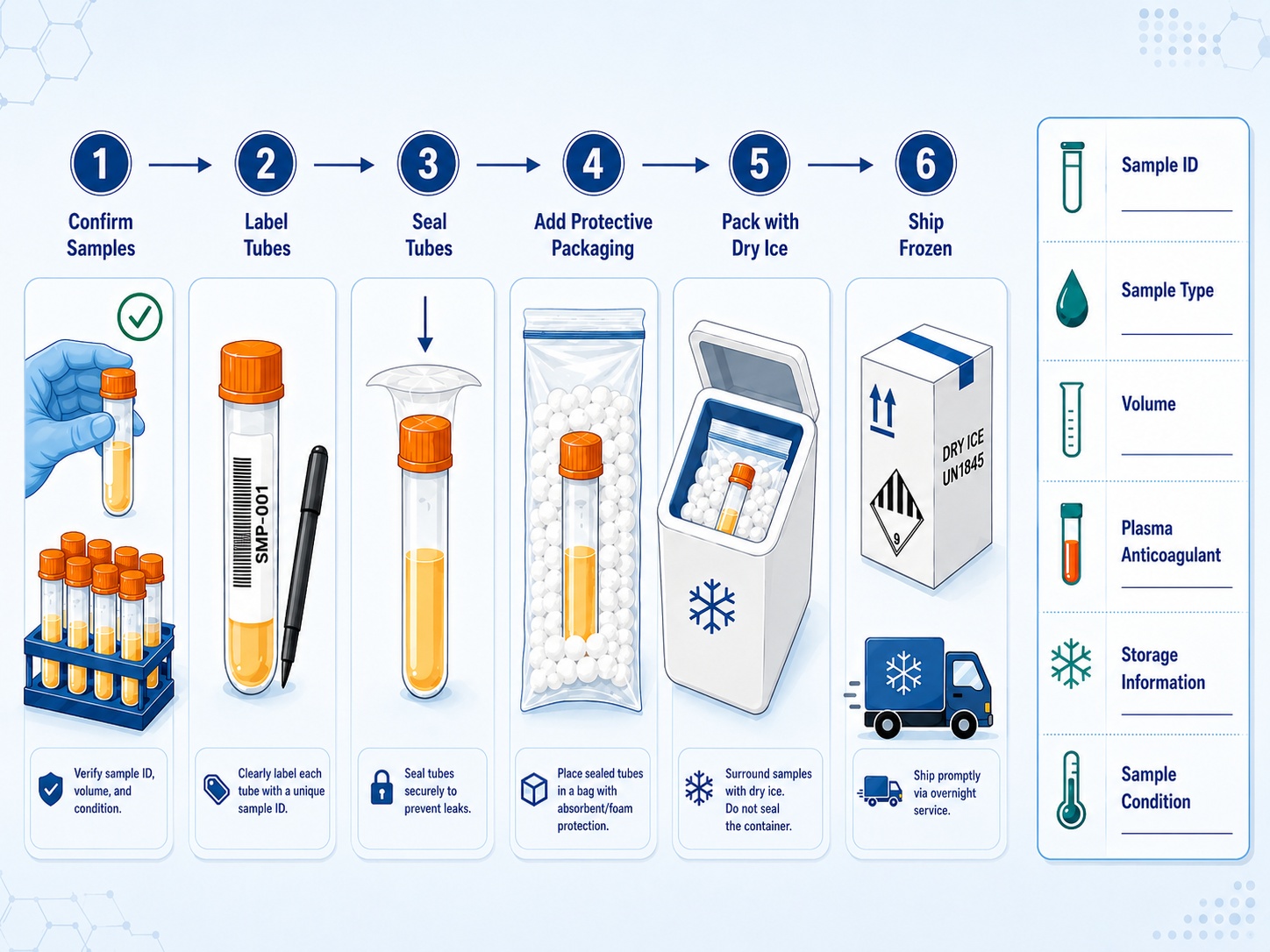
Figure 3. Frozen Biofluid Sample Packaging and Submission.
2. Sample Labeling
Each sample tube should have a unique, clearly readable identifier that matches the sample manifest exactly. Use a consistent naming format across the entire sample set, preferably with English letters, numbers, and underscores.
Avoid complex special characters that may not be recognized consistently by laboratory instruments or data-processing software. Labels should remain legible after freezing and throughout shipment.
3. Information to Provide with the Samples
A complete sample manifest should accompany the shipment so that each tube can be matched accurately to the corresponding sample and experimental information. The following details should be provided for every sample whenever applicable.
|
Information |
What to Provide |
|
Sample ID |
Unique identifier matching the label on the physical tube |
|
Sample type |
Serum, plasma, or CSF |
|
Species |
Species from which the sample was collected |
|
Group information |
Experimental group, treatment, condition, or other relevant grouping |
|
Submitted volume |
Actual sample volume provided |
|
Anticoagulant |
Anticoagulant used for plasma collection |
|
Storage condition |
Known storage temperature and relevant storage history |
|
Freeze-thaw history |
Known previous freeze-thaw events |
|
Sample condition |
Hemolysis, lipemia, precipitation, contamination, or other abnormalities |
|
Special notes |
Relevant non-routine collection, processing, handling, or storage information |
Any unusual sample condition or deviation from routine handling should be documented in the manifest before shipment. Complete sample information helps ensure that submitted material can be reviewed and assigned correctly when the project is received.
Frequently Asked Questions
Q1: Can low-volume serum, plasma, or CSF samples be pooled to meet the submission requirement?
A1: Pooling is possible only when it is consistent with the study design. Pooling combines biological material from multiple samples and removes the ability to evaluate those samples individually. If individual-level comparison is required, pooling should not be used simply to compensate for insufficient volume.
Q2: Do all samples in the same proteomics project need to have exactly the same submitted volume?
A2: No. Submitted volumes do not need to be identical, but each sample should contain enough material for the planned analysis. Large differences in available material should be identified before submission, especially when some samples are close to the minimum requirement.
Q3: Can serum, plasma, or CSF be shipped in the original collection tubes?
A3: Separated biofluid samples are preferably transferred into clean, securely closed tubes before freezing and shipment. Smaller storage tubes are generally easier to label, seal, protect, and maintain under frozen transport conditions than the original collection tubes.
Q4: What should be done if a sample contains visible clots or particulate material?
A4: Visible clots or unusual particulate material should be documented and reported before shipment. Such material may indicate incomplete separation, precipitation, or another non-routine sample condition. Avoid removing or reprocessing the material without recording what was done.
Q5: Are blank collection tubes or processing controls required with serum, plasma, or CSF samples?
A5: Not for every routine proteomics project. Collection or processing controls may be useful when the study specifically needs to evaluate contamination introduced by tubes, reagents, or handling procedures. The need for these controls should therefore be determined by the study design rather than treated as a standard submission requirement.
Conclusion
Proper preparation and submission of serum, plasma, and CSF samples help establish a reliable starting point for proteomics analysis. Sample volume, collection and processing history, storage conditions, freeze-thaw exposure, and any visible abnormalities should be confirmed before shipment, with plasma anticoagulant information documented as part of the sample record.
MtoZ Biolabs supports serum, plasma, and CSF proteomics projects from sample assessment through downstream analysis. When sample amount is limited or handling conditions are non-routine, project requirements can be reviewed before shipment to help determine an appropriate submission plan. Researchers who are still defining the broader study can refer to Serum, Plasma, and CSF Proteomics: From Biofluid Samples to Biological Insights for guidance on study design, analytical strategy, data interpretation, and research applications.
How to order?




