






DDA vs DIA for Biofluid Proteomics: Coverage, Missing Values, and Study Design
Data-dependent acquisition (DDA) and data-independent acquisition (DIA) are two commonly used LC-MS/MS acquisition strategies in serum, plasma, and cerebrospinal fluid (CSF) proteomics. DDA selects individual precursor ions for MS/MS, whereas DIA acquires fragment-ion data across predefined precursor windows. These different sampling strategies can influence protein coverage, missing values, and cross-sample data consistency.
Selecting DDA or DIA therefore depends on the analytical priorities of the study. Understanding how each acquisition mode affects precursor sampling and dataset completeness provides a practical basis for matching the method to the planned biofluid proteomics design.
Why Acquisition Strategy Matters in Biofluid Proteomics
Biofluid proteomics involves complex peptide mixtures in which many precursor ions may compete for MS/MS acquisition within a limited chromatographic time window. The acquisition strategy therefore affects not only which peptide signals are sampled, but also how consistently comparable information is collected across a study.
Key considerations include:
- Protein coverage: The way precursor ions are sampled influences which peptide signals generate sufficient MS/MS information for protein identification.
- Data completeness: In comparative studies, the same protein features need to be measured across enough samples to support reliable comparison. Acquisition strategy can affect how consistently those features are represented across runs.
- Cross-run consistency: As sample number increases, differences in precursor sampling can accumulate across the dataset. A more consistent acquisition framework can therefore become increasingly important for serum, plasma, and CSF studies involving multiple biological samples.
For biofluid proteomics, the practical value of an acquisition strategy lies in whether the resulting dataset provides the coverage and consistency required for the planned comparison.
How DDA and DIA Acquire MS/MS Data
DDA and DIA use different acquisition logic to convert precursor signals into MS/MS data. Understanding how each strategy samples precursor ions provides the basis for interpreting their differences in biofluid proteomics.
How DDA Acquires MS/MS Data
DDA uses an MS1 survey scan to detect precursor ions and then selects a subset of those ions for MS/MS analysis.
A typical acquisition cycle includes:
- MS1 survey scan: detects precursor ions entering the mass spectrometer.
- Precursor selection: prioritizes selected ions according to the acquisition settings.
- Isolation and fragmentation: isolates the selected precursors and fragments them.
- MS/MS acquisition: records the resulting fragment-ion spectra for peptide identification.
Because each acquisition cycle can fragment only a limited number of precursors, not every detectable ion is selected for MS/MS. Higher-intensity signals are more likely to be prioritized when multiple precursors elute at the same time, while lower-intensity ions may be missed. Dynamic exclusion can broaden sampling by reducing repeated selection of the same precursor, but DDA still relies on real-time precursor selection, so the peptide set acquired by MS/MS can vary between runs.
How DIA Acquires MS/MS Data
DIA acquires MS/MS data by dividing a defined precursor m/z range into sequential acquisition windows rather than selecting individual precursor ions one at a time.
A typical DIA acquisition cycle includes:
- Window definition: the precursor m/z range is divided into a series of acquisition windows.
- Precursor isolation: all detectable precursor ions within one window are isolated together.
- Fragmentation and MS/MS acquisition: the co-isolated precursors are fragmented, and the resulting fragment-ion signals are recorded.
- Sequential scanning: the instrument moves through the remaining windows until the defined precursor range has been covered.
Applying the same acquisition-window scheme across samples allows DIA to interrogate comparable precursor regions in a consistent manner. Since multiple precursors can be isolated and fragmented within the same window, DIA generates multiplexed fragment spectra that rely on computational analysis to distinguish peptide-specific signals.
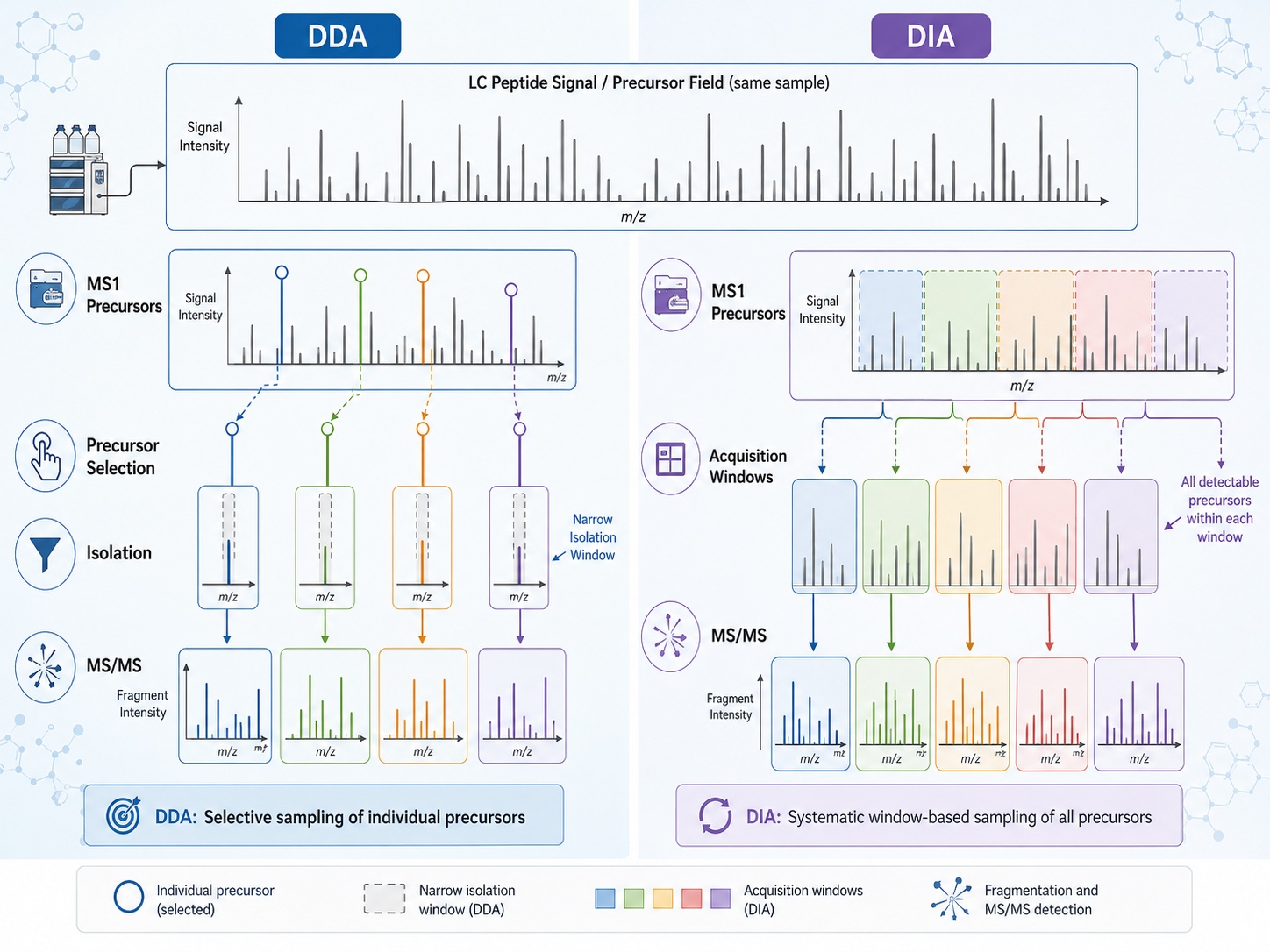
Figure 1. Precursor Sampling in DDA and DIA.
DDA vs DIA: Key Differences for Biofluid Studies
DDA and DIA use different approaches to precursor sampling and MS/MS acquisition. In biofluid proteomics, these differences can affect how consistently peptide information is collected across samples and how the resulting dataset supports downstream comparison.
|
Comparison |
DA |
DIA |
|
Precursor selection |
Individual precursors selected during acquisition |
Precursors acquired within defined m/z windows |
|
Sampling pattern |
Selective |
More systematic |
|
MS/MS spectra |
Typically less multiplexed |
More multiplexed |
|
Cross-run sampling |
Can vary between runs |
Generally more consistent across runs |
|
Missing values |
More influenced by run-specific precursor selection |
Less influenced by precursor-selection variability |
|
Data processing |
More direct spectral assignment |
Greater computational deconvolution |
|
Study consideration |
Useful when flexible, selective acquisition is appropriate |
Useful when consistent cross-sample measurement is important |
Neither approach is inherently better for every biofluid proteomics project. The choice should depend on the research objective, sample set, and the level of cross-sample consistency required for the planned analysis.
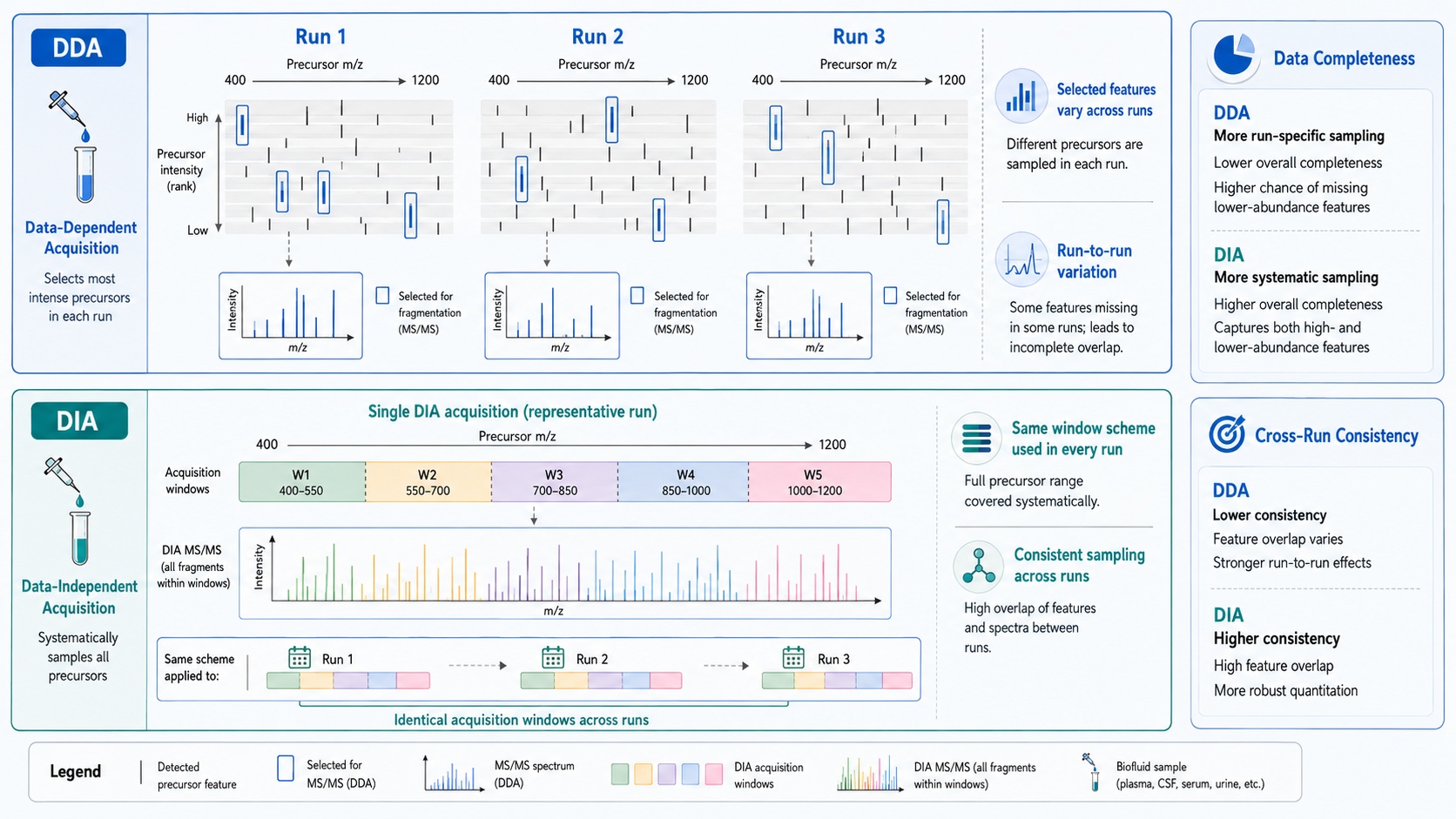
Figure 2. DDA and DIA Sampling Across Multiple Runs.
How Acquisition Strategy Shapes Biofluid Proteomics Data
The effects of acquisition strategy become most relevant when the resulting dataset is used for comparison across multiple samples. Evaluating these effects helps determine whether the data structure is well matched to the goals of a biofluid proteomics study.
Protein Coverage: What Changes with Acquisition Strategy?
In biofluid proteomics, protein coverage reflects both the number of proteins identified and how consistently those proteins are detected across the sample set. This is especially relevant in comparative studies involving multiple serum, plasma, or CSF samples.
With DDA, coverage can vary between runs because precursor selection is performed independently during each acquisition. Some peptide signals may therefore receive MS/MS analysis in one run but not in another.
With DIA, the same acquisition-window scheme can be applied across samples, which helps maintain more consistent sampling of peptide signals throughout the dataset.
The practical difference is not simply which method produces a larger protein list. DDA may provide strong identification depth in appropriate study designs, while DIA can offer an advantage when consistent cross-sample coverage is a priority.
Missing Values and Data Completeness
In comparative biofluid proteomics, data completeness depends on how consistently the same peptide and protein features receive usable quantitative values across the sample set. A dataset with extensive missing values can make cross-sample comparison more difficult, even when overall protein identification is relatively high.
With DDA, run-specific sampling can contribute to missing values when peptide signals are identified in some injections but not others. DIA generally provides a more complete quantitative matrix because comparable precursor regions are interrogated systematically across samples.
DIA does not eliminate missing values entirely. Signal intensity, identification confidence, and data-processing criteria can still determine whether a peptide or protein receives a quantitative value. The main advantage of DIA is therefore a lower contribution of acquisition-related missingness and improved data completeness across comparative datasets.
Reproducibility Across Sample Sets
For comparative biofluid studies, reproducibility depends on maintaining a consistent acquisition process across all samples. The goal is to reduce technical variation in how peptide signals are measured from run to run.
Because DDA relies on dynamic precursor selection, the set of ions fragmented in each injection can vary. DIA uses a predefined acquisition scheme, which generally provides a more uniform sampling framework across larger sample sets.
More consistent acquisition can strengthen cross-sample comparability, particularly in studies involving many serum, plasma, or CSF samples. Biological differences between samples may still remain, but they are less likely to be confounded by variation in the acquisition process itself.
Matching DDA or DIA to Study Design
Choosing between DDA and DIA should reflect the main analytical objective, the structure of the sample set, and how the resulting data will be used. Neither strategy is inherently better for every biofluid proteomics study.
When DDA May Be a Good Fit
DDA may be appropriate when the study places greater emphasis on exploratory protein identification or when selective precursor acquisition is compatible with the planned analysis.
Common situations include:
- exploratory proteome profiling;
- pilot or relatively small sample sets;
- studies where complete feature matching across all samples is not essential;
- projects already established around a DDA-based workflow.
When DIA May Be a Good Fit
DIA may be appropriate when the study requires more uniform measurement across multiple samples and places greater emphasis on comparative analysis.
Common situations include:
- quantitative comparison across multiple biological samples;
- larger or more structured sample sets;
- studies where missing values may affect downstream comparison;
- projects that require a stable acquisition framework across the dataset.
In practice, DDA and DIA are both valid options for serum, plasma, and CSF proteomics. The more suitable choice depends on how well the acquisition strategy fits the planned comparison and the level of cross-sample consistency the study requires.
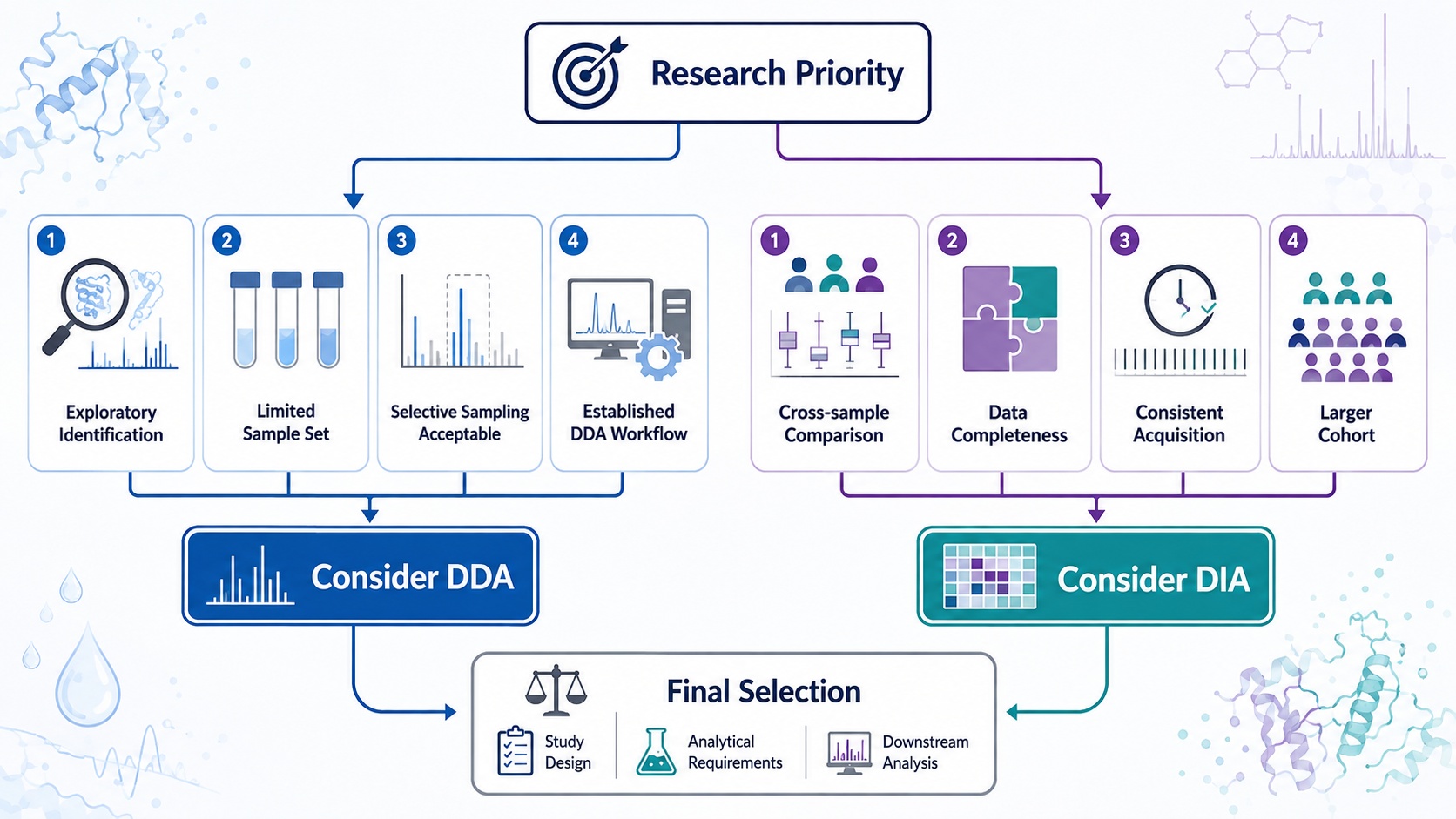
Figure 3. Matching DDA or DIA to Biofluid Proteomics Study Priorities
Frequently Asked Questions
Q1: Does DIA require a spectral library?
A1: No. A spectral library is not always required for DIA analysis. DIA data can be processed using library-based or library-free approaches, depending on the analytical and data-processing workflow.
Q2: Do DDA and DIA require different sample preparation?
A2: Not necessarily. DDA and DIA mainly differ at the mass spectrometry acquisition stage, so the upstream protein preparation and digestion workflow can often remain comparable. Project-specific preparation may still vary according to the sample type and analytical objective.
Q3: Can DDA be used for quantitative proteomics?
A3: Yes. DDA can support quantitative proteomics as well as protein identification. The main consideration is whether the resulting data structure and cross-sample completeness are suitable for the intended quantitative comparison.
Q4: Can DDA and DIA data be combined into one quantitative dataset?
A4: They should not be treated as directly interchangeable datasets without appropriate study design and data processing. DDA and DIA generate MS/MS information through different acquisition schemes, which can affect identification and quantitative data structure. Samples intended for the same direct comparison are generally better analyzed using a consistent acquisition strategy.
Q5: If previous samples were analyzed by DDA, should new samples also use DDA?
A5: Using the same acquisition strategy is generally preferable when new samples need to be compared directly with an existing DDA dataset. Switching to DIA may introduce methodological differences that complicate direct comparison. If the new samples serve a separate research objective, DIA can still be considered as an independent analytical strategy.
Conclusion
DDA and DIA use different MS/MS acquisition strategies, and this distinction can influence protein coverage, data completeness, and cross-sample consistency in serum, plasma, and CSF proteomics. The choice of acquisition mode should therefore reflect the study design, sample structure, and the type of comparison the dataset needs to support.
MtoZ Biolabs supports serum, plasma, and CSF proteomics projects using DDA or DIA according to project requirements. Researchers can contact MtoZ Biolabs to discuss the study objective, sample set, and acquisition strategy before starting a project. For broader guidance on biofluid proteomics study planning, analytical workflows, data interpretation, and research applications, see Serum, Plasma, and CSF Proteomics: From Biofluid Samples to Biological Insights.
How to order?




