






Applications of Serum, Plasma, and CSF Proteomics in Research
Serum, plasma, and cerebrospinal fluid (CSF) provide complementary views of protein changes associated with systemic physiology, immune activity, metabolism, tissue stress, and the central nervous system environment. However, these biofluids are not interchangeable. Differences in collection, protein composition, available material, and pre-analytical sensitivity affect both workflow selection and data interpretation.
A useful proteomics study therefore starts with the research question. The project may aim to compare groups, track changes over time, investigate neurological processes, examine paired plasma and CSF samples, or prioritize proteins for follow-up. Defining that goal helps align the sample matrix, quantitative strategy, and expected results.
Research Roles of Serum, Plasma, and CSF
Serum and plasma are commonly used to study circulating protein patterns. Serum is collected after coagulation, whereas plasma retains clotting-related components and is prepared using an anticoagulant. These differences can affect measurable protein abundance, so serum and plasma should not normally be mixed within the same quantitative comparison.
CSF provides protein information more closely associated with the central nervous system environment. It can support neurological research, but its lower protein concentration, limited available volume, and sensitivity to blood contamination require careful feasibility assessment.
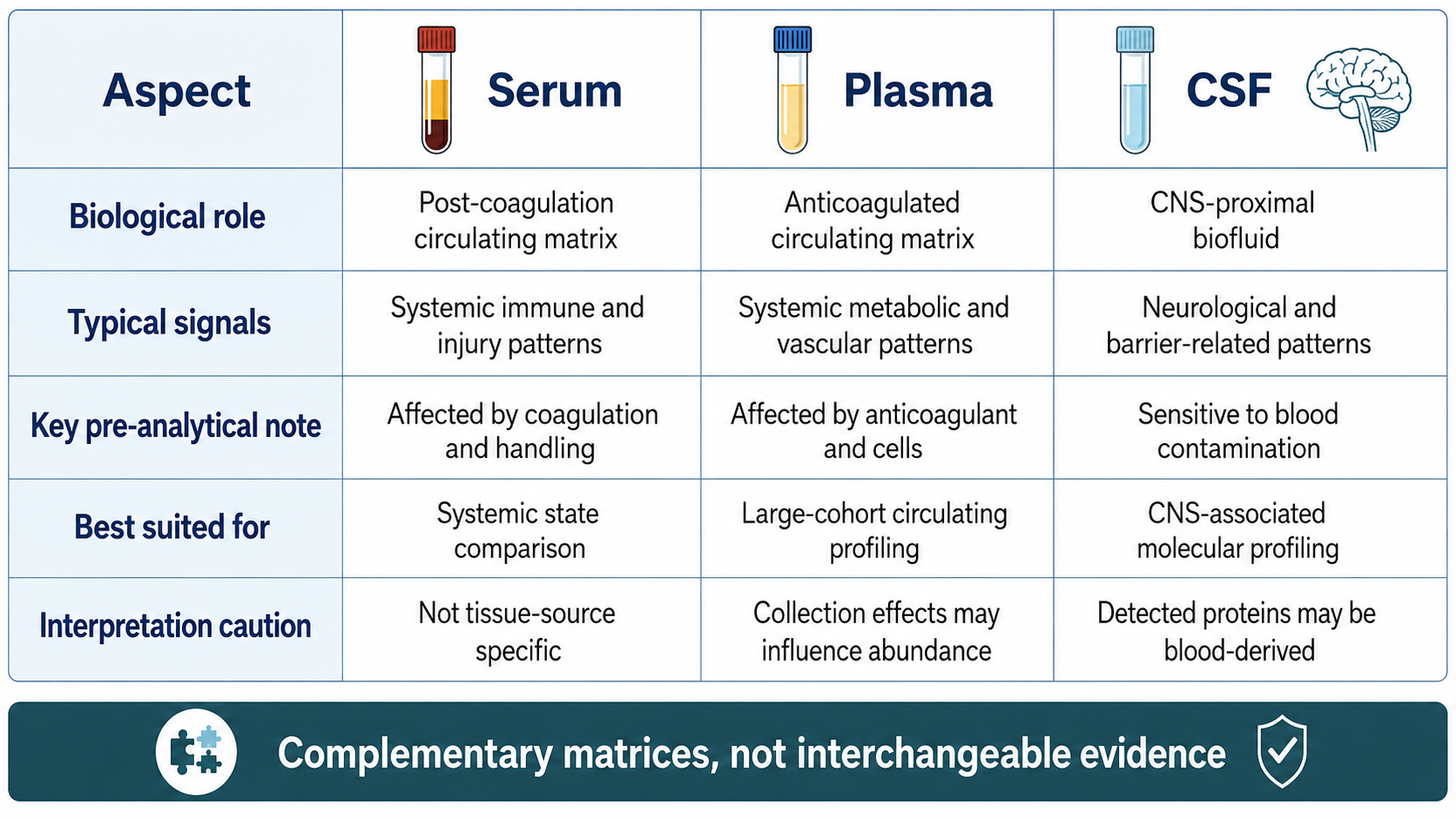
Figure 1. Biofluid-Specific Roles in Proteomics Research
Systemic Protein Profiling With Serum and Plasma
1. Comparing Circulating Protein Patterns
Serum and plasma proteomics can compare protein abundance across experimental groups, genotypes, physiological states, intervention conditions, or collection time points. These studies can characterize systemic processes involving inflammation, metabolism, immune activity, vascular biology, coagulation, and extracellular-matrix remodeling.
2. Accessing Lower-Abundance Protein Signals
A small number of abundant proteins account for much of the protein mass in serum and plasma. Their peptide signals can limit the observation of lower-abundance components.
CNS-Related Applications of CSF Proteomics
1. Investigating Neurological Processes
CSF proteomics can support research into neuroinflammation, synaptic organization, protein transport, extracellular-matrix remodeling, immune activity, and other CNS-related pathways. It provides a different biological perspective from serum or plasma and may be useful when circulating protein patterns do not adequately represent the compartment of interest.
Quantitative CSF studies can compare predefined research groups, biological states, time points, or experimental conditions. The results may help identify shared pathway changes and prioritize proteins for further analysis.
2. Managing Limited Input and Blood Contamination
CSF usually has a lower total protein concentration and more limited available volume than serum or plasma. Depletion, fractionation, enrichment, technical replication, and repeat preparation therefore need to be evaluated against the available material.
Longitudinal and Large-Cohort Research
1. Tracking Protein Changes Over Time
Repeated sampling allows protein patterns to be followed within the same subjects or experimental units. Longitudinal serum or plasma proteomics can be used to examine ageing, experimental interventions, environmental exposure, phenotype transitions, and other defined biological events.
2. Evaluating Variation Across Larger Cohorts
Larger cohorts support more reliable estimates of biological variation and allow researchers to evaluate covariates or research subgroups. They can also help determine whether a candidate protein pattern is reproducible across heterogeneous samples.
Study size alone cannot compensate for incomplete metadata, unbalanced groups, or systematic technical bias. Randomized injection order, pooled quality-control samples, consistent processing, and bridging references can improve comparability when a project spans multiple batches.
Paired Plasma and CSF Analysis
1. Comparing Shared and Matrix-Enriched Signals
Paired plasma and CSF proteomics can distinguish protein changes observed in both matrices from signals detected predominantly in one biofluid. This design is useful for comparing systemic molecular responses with patterns more closely associated with the CNS environment.
2. Interpreting Cross-Biofluid Patterns
Parallel abundance changes do not establish where a protein originated or how it moved between compartments. Tissue-expression information, secretion evidence, barrier-related measurements, genetic data, or experimental models may be needed to investigate those questions.
Multi-Omics Integration
1. Connecting Proteins With Other Data Layers
Biofluid proteomics can be integrated with matched genomic, transcriptomic, metabolomic, imaging, or phenotypic data. These studies may connect protein abundance with genetic variation, metabolic states, longitudinal traits, or coordinated molecular pathways.
2. Prioritizing Cross-Omics Findings
Proteins supported by several independent data layers may be useful candidates for pathway analysis or follow-up experiments. For example, a protein abundance change may be interpreted alongside a related metabolite pattern, genetic association, or imaging feature.
From Discovery to Follow-Up
1. Prioritizing Candidate Proteins
Biofluid proteomics commonly generates protein identifications, abundance patterns, candidate panels, and pathway-level interpretations. Candidate selection should consider more than fold change.
Relevant factors include:
- Consistency across biological replicates
- Peptide-level evidence
- Abundance and missing-value patterns
- Agreement with the planned group comparison
- Biological relevance
- Suitability for independent measurement
These criteria help distinguish technically robust candidates from changes that may be difficult to reproduce or validate.
2. Selecting the Follow-Up Strategy
The next step depends on the intended conclusion. Independent cohorts can assess reproducibility, targeted mass spectrometry can support focused peptide measurement, and immunoassays may provide an alternative protein-level readout when suitable reagents are available.
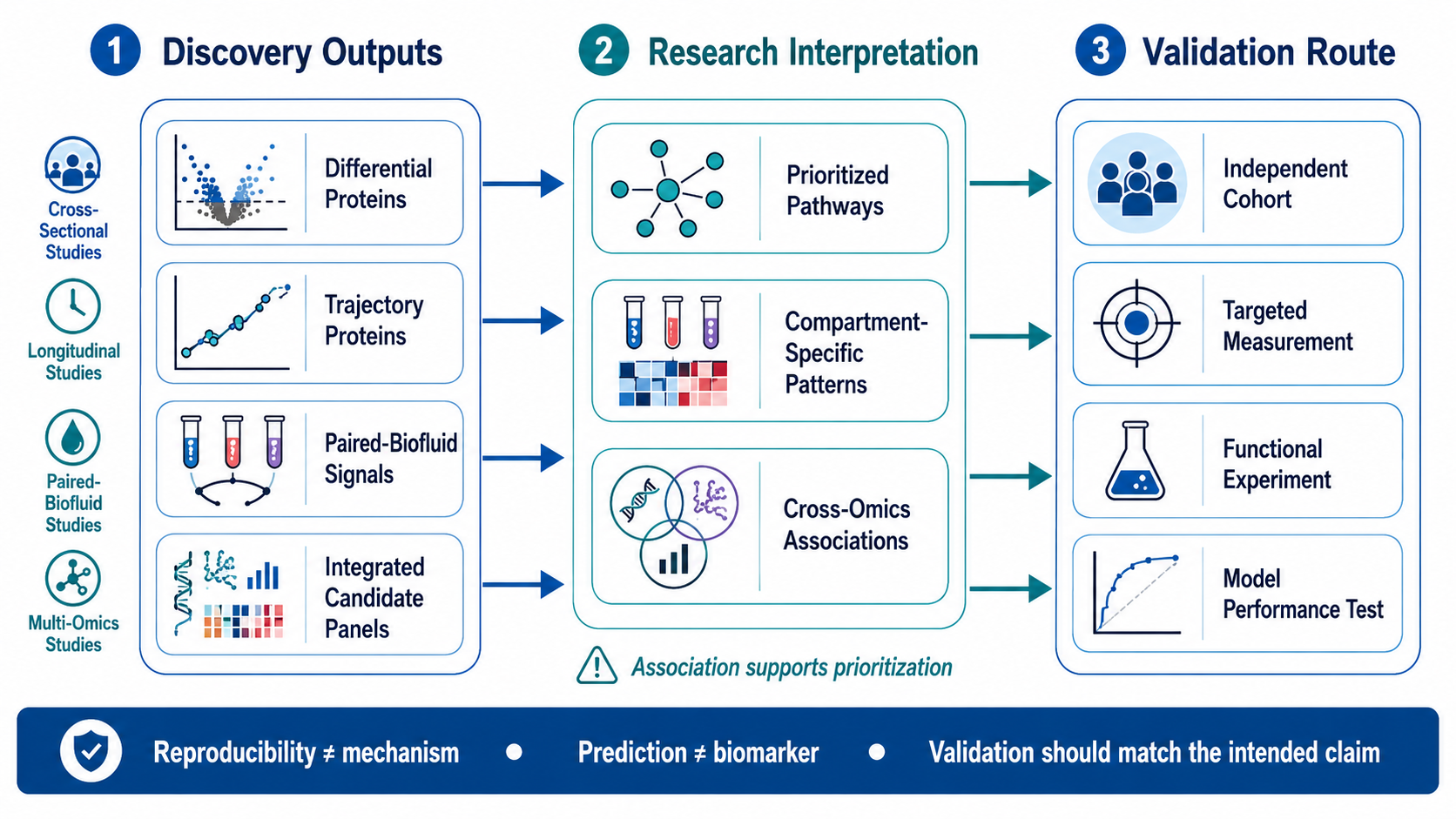
Figure 2. Discovery-to-Validation Pathway for Proteomics Findings.
FAQ
Can serum and plasma be analyzed together?
They should generally not be combined within the same quantitative comparison because coagulation and anticoagulant use can alter the measured protein profile.
Is CSF always preferable for neurological research?
No. CSF provides CNS-proximal information, while plasma can reveal systemic immune, metabolic, or vascular processes. The appropriate matrix depends on the research question.
Is depletion always required for serum or plasma?
No. Depletion may improve access to some lower-abundance proteins, but it also increases sample handling and may co-remove associated proteins.
Can limited CSF material still be analyzed?
Potentially. Feasibility depends on available volume, protein concentration, sample number, preparation strategy, and the required analytical depth.
Are differential proteins validated biomarkers?
No. They are discovery-stage candidates and may require targeted measurement, independent sample sets, or functional evidence.
The value of serum, plasma, and CSF proteomics depends on matching the biological compartment, sampling design, comparison structure, and intended evidence level. For broader guidance on sample selection, workflow planning, quantitative strategies, and result interpretation, see Serum, Plasma, and CSF Proteomics: From Biofluid Samples to Biological Insights.
MtoZ Biolabs supports project evaluation, LC-MS/MS-based protein identification or relative quantification, and research-aligned data analysis for these biofluid samples based on the available material, group design, and study objective. Submit your inquiry below for project evaluation.
How to order?




