






Arginylation Proteomics Service
- Avoid high salt, glycerol, or detergents like SDS
- Provide detailed buffer composition for compatibility check
- Snap freeze samples in liquid nitrogen and store them at -80℃
- Ship on dry ice with labeling and documentation
Arginylation is a post-translational modification (PTM) involving the addition of arginine residues to proteins, primarily at the N-terminal or side chains of specific amino acids such as Asp, Glu, or Cys. This process is catalyzed by arginyltransferase (ATE1). Arginylation modifies the physicochemical properties of proteins, influencing their folding, stability, localization, and interaction networks. Initially discovered as part of the N-degron pathway, arginylation was thought to serve mainly as a degradation signal. Proteins with destabilizing N-terminal residues such as Asp or Glu can be arginylated, marking them for ubiquitination and proteasomal degradation. However, subsequent research has expanded its recognized role to a broader spectrum of physiological and pathological processes, including protein quality control, cytoskeleton regulation, cardiovascular development, and cellular stress responses.
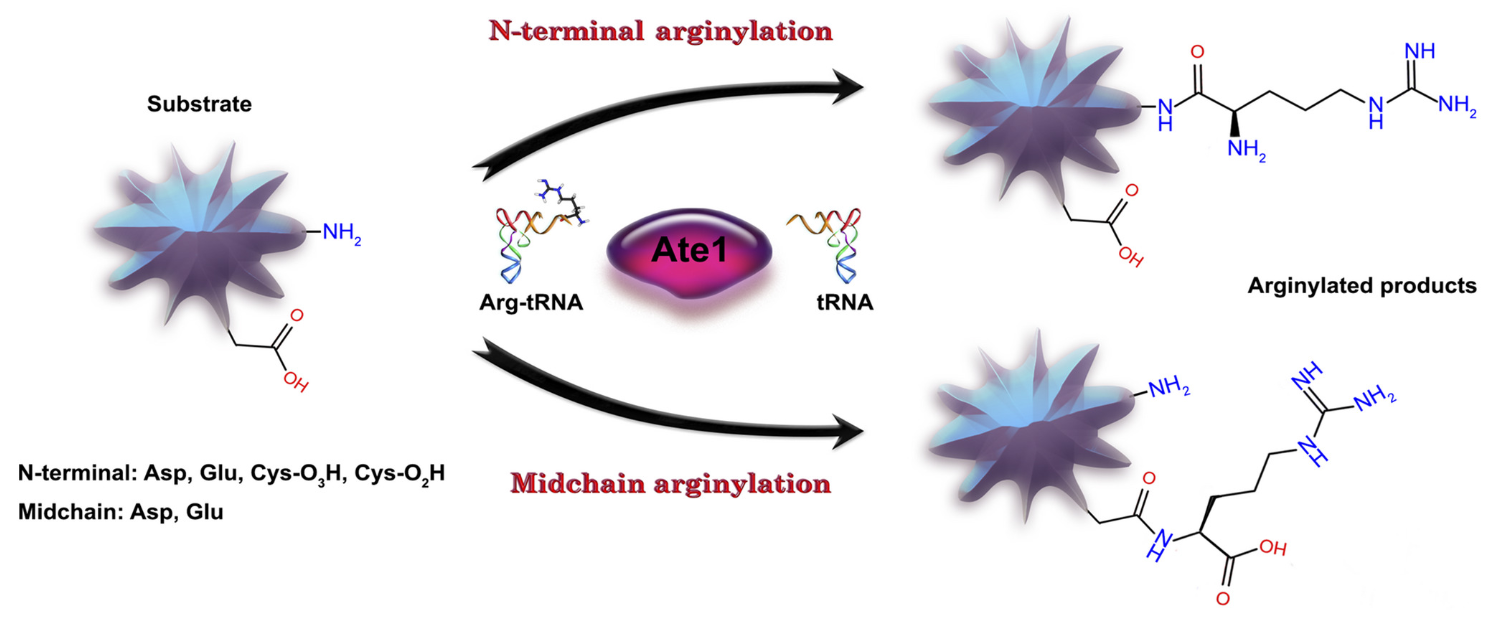
Figure 1. Reactions (Schematic) During N-Terminal and Middle-Chain Arginylation of Proteins
Service at MtoZ Biolabs
To support researchers in unraveling the functional significance of arginylation in physiological and pathological contexts, MtoZ Biolabs provides a specialized Arginylation Proteomics Service which integrates sensitive mass spectrometry platforms, optimized enrichment workflows, and advanced bioinformatics pipelines. The Arginylation Proteomics Service allows for precise mapping, quantification, and biological interpretation of protein arginylation across a range of sample types and conditions.
In addition to arginylation profiling, MtoZ Biolabs offers a comprehensive portfolio of post-translational modification (PTM) analysis services, including phosphorylation, ubiquitination, acetylation, methylation, SUMOylation, and glycosylation. These services support the investigation of single modifications as well as PTM crosstalk, helping researchers decipher the complex regulatory networks that govern protein function, signaling cascades, and disease progression.
Analysis Workflow
MtoZ Biolabs follows a streamlined and validated workflow to ensure accurate, reproducible results from your samples.
1. Sample Preparation
Samples are processed under strict protease-inhibiting and low-temperature conditions to prevent degradation of labile arginylated sites. Protein extraction, quantification, and quality control are performed before proteolytic digestion.
2. Proteolytic Digestion
Proteins are digested using optimized protocols, typically with trypsin or a combination of proteases (e.g., Glu-C), to generate peptides suitable for arginylation mapping.
3. Peptide Enrichment (if applicable)
To enhance detection, optional enrichment methods such as SCX chromatography, or antibody-based methods are used to concentrate arginylated peptides.
4. LC-MS/MS Analysis
Peptides are separated by nanoLC and analyzed using high-resolution MS platforms. Advanced acquisition modes like DDA or DIA can be selected depending on project goals.
5. Data Processing
Raw LC-MS/MS data are converted, calibrated, and processed using advanced software. Custom search parameters are applied to identify arginylation-specific mass shifts and localize modification sites with high confidence.
6. Bioinformatics Analysis
Enriched pathways, domain localization, structural impacts, and functional consequences of arginylation are explored using integrated bioinformatics.

Figure 2. Workflow for Arginylation Proteomics Service
Service Advantages
✅End-to-End Workflow: From sample preparation to data interpretation, we offer a seamless one-stop solution tailored to your research goals.
✅Customizable Project Design: Flexible experimental setups, including enrichment strategies, digestion protocols, and data analysis pipelines, designed to fit diverse research needs.
✅Advanced Analysis Platform: MtoZ Biolabs established an advanced Arginylation Proteomics Service platform, guaranteeing reliable, fast, and highly accurate analysis service.
✅Experienced Scientific Team: Our dedicated proteomics experts provide professional support throughout the project—from consultation to publication.
✅Fast Turnaround and Quality Assurance: Efficient project management and rigorous QC ensure high data reliability and timely delivery.
Applications
Our Arginylation Proteomics Service supports cutting-edge research across several fields:
💠Protein Quality Control: Arginylation is central to the degradation of misfolded proteins via the N-degron pathway.
💠Neurodegeneration Research: ATE1 activity and arginylation have been implicated in neuronal development, memory, and synaptic function.
💠Cancer Biology: Abnormal arginylation profiles are observed in tumor cell lines and may influence migration, adhesion, and metastasis.
💠Cardiovascular Development: Arginylation of cytoskeletal proteins regulates actin dynamics crucial for heart morphogenesis.
💠Stress Response Studies: Cellular responses to hypoxia, oxidative stress, or heat shock involve selective arginylation of key signaling proteins.
💠Cell Cycle and Apoptosis Regulation: Arginylation can modulate protein stability in cell cycle checkpoints and apoptotic cascades.
Sample Submission Suggestions

1. Buffer Requirements:
2. Storage and Transport:
*Note: If you have specific requirements or need guidance on sample preparation, please do not hesitate to contact us.
Deliverables
1. Comprehensive Experimental Details
2. Materials, Instruments, and Methods
3. Total Ion Chromatogram & Quality Control Assessment (project-dependent)
4. Data Analysis, Preprocessing, and Estimation (project-dependent)
5. Bioinformatics Analysis
6. Raw Data Files
Related Services
PTM Profiling Analysis Service
How to order?




