






Lysosomal Proteomics for Lysosomal Storage Disorders
Introduction
Storage-disease research often starts with a known enzyme deficiency, a transporter mutation, or a trafficking defect, then expands into broader questions about cargo remodeling and pathway compensation. Bulk cell or tissue proteomes can show pathway-level stress, yet they frequently dilute organelle-centered signals that matter most for storage phenotypes. Teams therefore need a design that can inventory lysosome-associated enzymes, transporters, and related pathway proteins with enough compartment focus to support mechanism claims.
Lysosomal proteomics for lysosomal storage disorders connects lysosome enrichment with LC-MS/MS profiling so that the measured proteome reflects organelle-enriched material rather than the full cellular mixture. This article explains how the approach supports project design, which protein classes are typically prioritized, and which sample and interpretation limits should be planned before collection.
Why These Disorders Need Organelle-Focused Proteomics
Lysosomal storage disorders share a core biology: material accumulates because degradation, transport, or trafficking fails inside or around lysosomes. The disease gene may be known, but secondary proteome remodeling is often incomplete when only whole-cell data are available.
Organelle enrichment improves the chance of observing low-abundance lysosomal enzymes and transporters that are masked in bulk lysates. Comparative designs can then ask whether disease genotypes, rescue conditions, or candidate interventions change the organelle-associated protein profile in a matched enrichment setting.
Enrichment-based profiling does not replace genetic diagnosis or enzyme activity assays. It supports discovery and ranking of organelle-associated protein changes that help interpret storage biology beyond a single deficient enzyme.
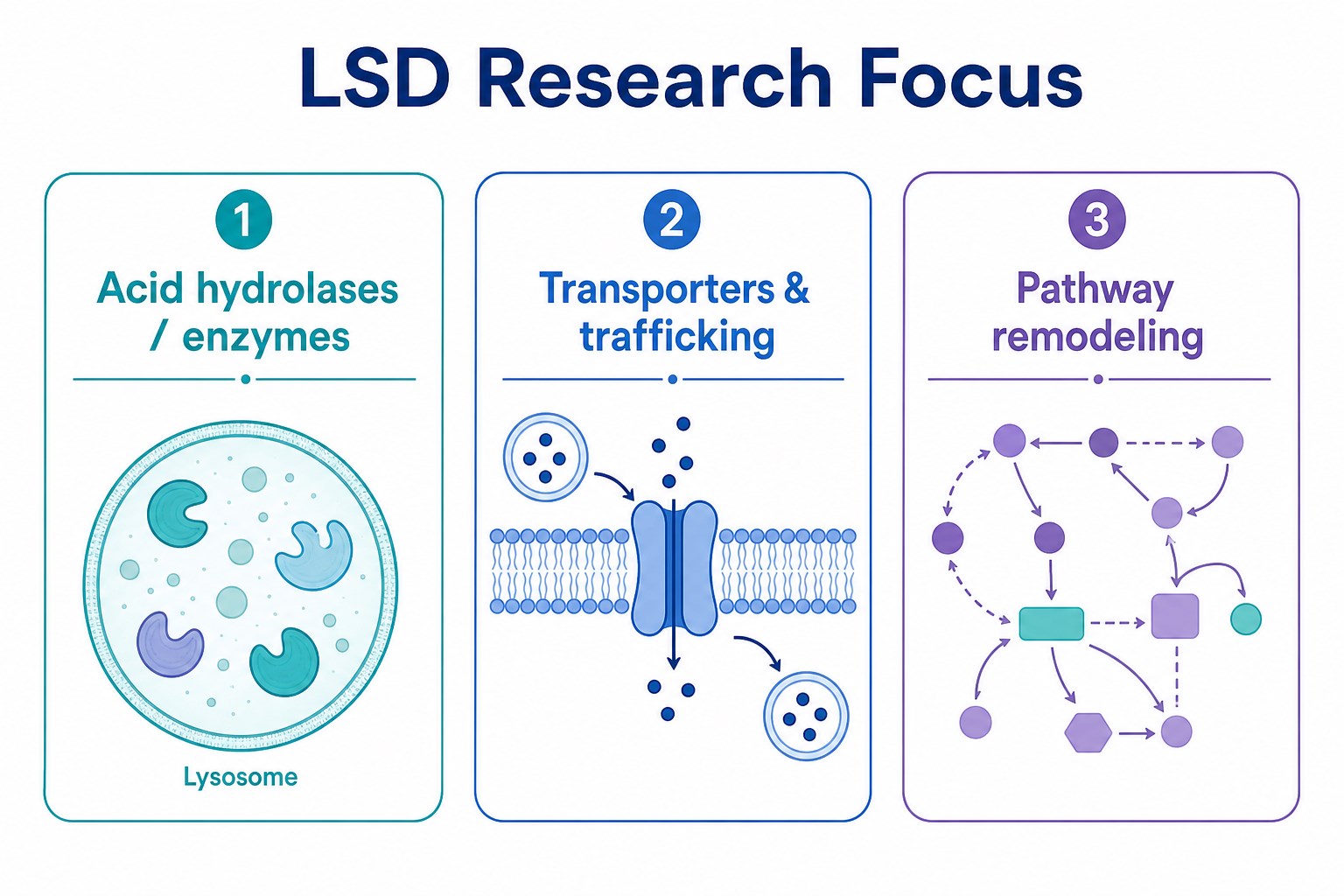
Figure 1. For storage-disease models, organelle-enriched proteomics focuses on enzymes, transporters, and pathway remodeling recovered from lysosome fractions.
Protein Classes and Pathways Commonly Prioritized
Acid hydrolases and related enzymes
Many storage-disease models ask whether the deficient enzyme and related hydrolases change in abundance within lysosome-enriched fractions. Discovery profiling can place the primary enzyme in context with other degradation machinery recovered from the same preparation.
Transporters and membrane trafficking components
Transporter defects and trafficking failure are central in several storage phenotypes. Organelle-enriched analysis can help inventory membrane-associated proteins recovered after enrichment, though standard analysis does not separate membrane and luminal proteins into distinct analytical classes.
Storage-linked pathway remodeling
Beyond the causal gene product, teams often track autophagy-lysosome pathway proteins, lipid handling components, and stress-response proteins that co-vary with storage severity. Differential lists, GO, KEGG, and PPI outputs can organize these candidates for later orthogonal checks.
Comparative genotype or treatment arms
Matched enrichment across control, disease, and intervention arms is usually more informative than a single-group inventory. Unequal enrichment efficiency can create false differentials, so isolation chemistry and handling should stay consistent across arms.
Project Design Notes for Storage-Disease Proteomics
Starting material and enrichment route
For cell lines, primary cells, and fresh or frozen tissues, lysosome isolation can be included before proteomics. A practical enrichment option is centrifugal column-based rapid isolation suitable for downstream LC-MS/MS.
Typical planning inputs are at least 1 x 10^7 cells per sample or 20 to 50 mg tissue per sample when isolation starts from those materials. Customer-prepared lysosome-enriched fractions can also be submitted when protein amount reaches about 20 to 50 ug and buffer systems are mass spectrometry compatible.
Unfractionated serum, plasma, CSF, urine, dried blood spots, PBMC, and similar special matrices are not used for laboratory lysosome isolation under the current service boundary. Those materials require customer-side enrichment before submission.
Quantification choices
Label-free, TMT, and DIA workflows can all be applied to lysosome-enriched fractions. Method choice should follow replicate structure, cohort size, and whether multiplex comparison across many disease arms is required.
QC and readiness checks
Western blot positivity for lysosome markers such as LAMP1 or LAMP2 is a practical readiness check before omics. Client-prepared fractions should also include separation records, buffer composition details, and protein concentration documentation.
Store samples at -80°C, ship on dry ice, and avoid freeze-thaw cycles. Prefer PBS or HEPES with compatible non-ionic detergents when additives are needed. Avoid Tris, SDS, azide, glycerol, and high levels of strong reductants that interfere with digestion and MS.
Species and ethics context
Human, mouse, and rat materials are routinely considered for organelle-enriched proteomics in these disease models. Other species need case-by-case review. Human or pathogen-related materials may require ethics documentation and inactivation evidence before intake.
Related Services
Subcellular Proteomics Service
Subcellular Structure and Organelle Proteomics Service
Organelle Isolation and Protein Purification Service
Protein Subcellular Localization Service
Label-Free Quantitative Proteomics Service, MS Based
Quantitative Proteomics Service
iTRAQ/TMT/MultiNotch Quantitative Proteomics Service
Teams designing mechanism studies in these disease models can consult MtoZ Biolabs to match enrichment route, quantification mode, and comparison arms before sample collection begins.
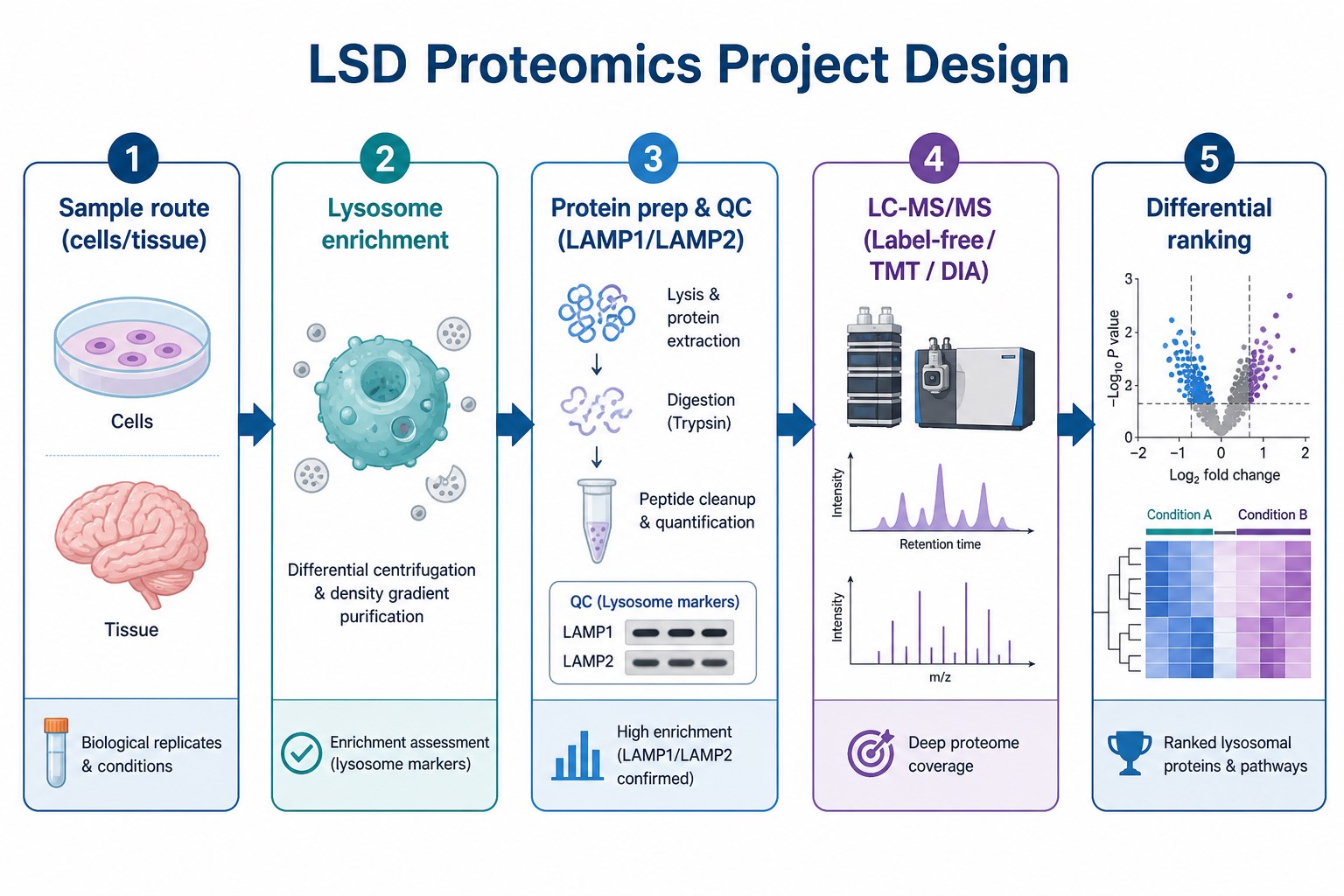
Figure 2. Storage-focused projects combine matched enrichment, compatible input amounts, and differential analysis of organelle-associated proteins.
How to Interpret Enrichment-Associated Results
Treat the lysosomal proteome as an enrichment-associated inventory, not as proof that every identified protein is exclusively lysosomal. Residual contaminants can remain after isolation, so marker checks and matched group design remain important.
Use differential protein lists to rank enzymes, transporters, and pathway proteins that change with genotype or treatment. Standard bioinformatics can include GO, KEGG, and PPI views. Reactome annotation is available for selected species. Specialized lysosome-only annotation packages are not a default deliverable.
Do not overclaim membrane versus luminal assignment from standard enrichment-based proteomics alone. If low-abundance disease-related proteins are critical, enrichment is still required, and detection remains attempt-based rather than guaranteed.
A lysosomal proteome LSD dataset should feed orthogonal validation planned separately. Candidate Western blot or other follow-up assays can be assessed as additional scopes when antibodies or targets are defined by the client.
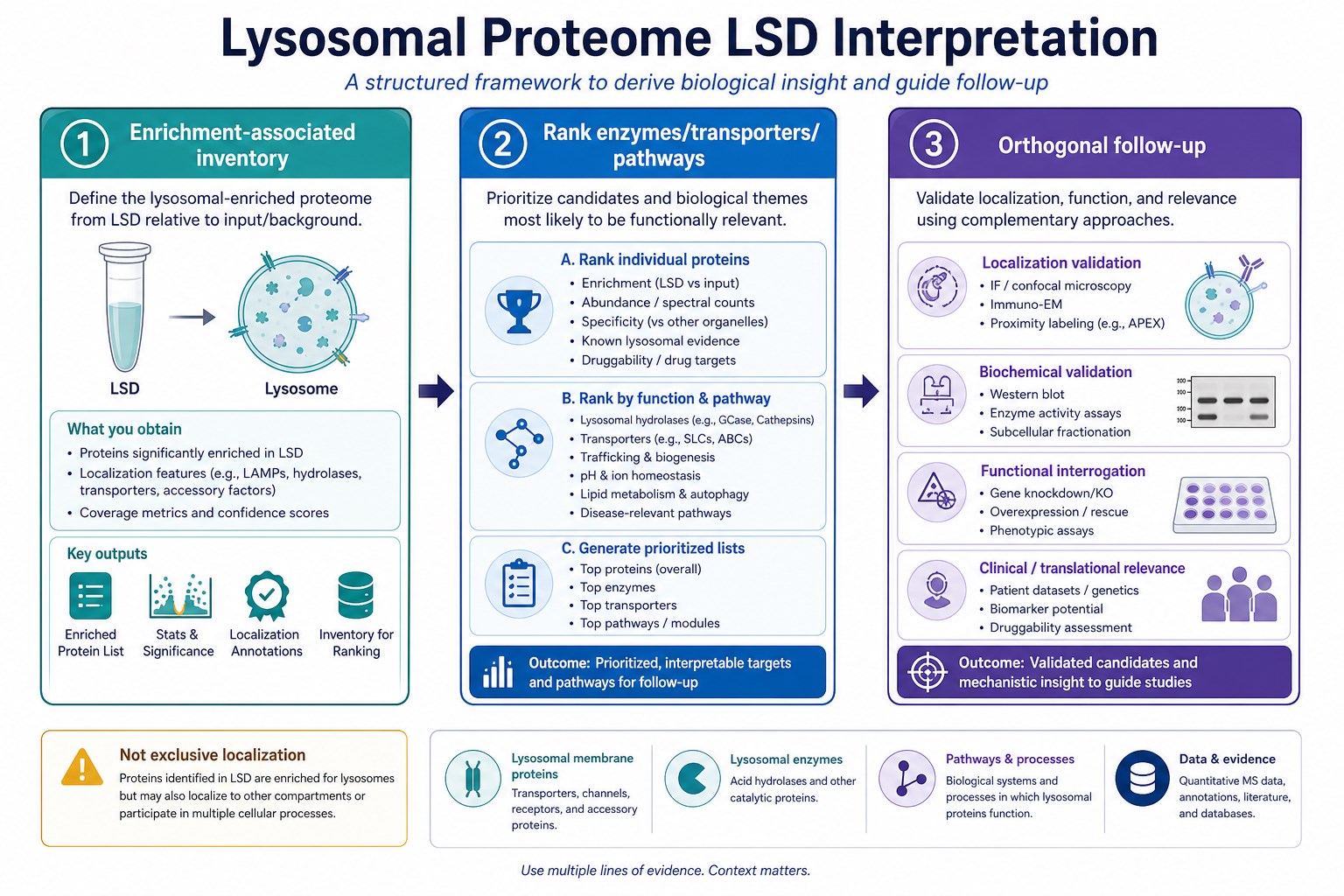
Figure 3. Enrichment-associated outputs support candidate ranking for enzymes, transporters, and pathway proteins, with orthogonal validation planned as a later step.
Practical Checklist Before Starting a Storage-Disease Proteomics Project
Define whether the primary claim is organelle cargo remodeling or broad cellular phenotype. Organelle claims favor enrichment-based lysosomal proteomics for lysosomal storage disorders.
Confirm that starting materials allow laboratory isolation, or that customer-enriched fractions already meet protein amount and buffer rules.
Align enrichment chemistry across all disease and control arms before the first isolation batch.
Choose Label-free, TMT, or DIA based on cohort size and multiplex needs rather than on disease name alone.
Reserve time for marker QC, differential ranking, and a separate plan for orthogonal confirmation of priority enzymes or transporters.
For projects that need help converting a storage-disease hypothesis into a sample and acquisition plan, MtoZ Biolabs can review enrichment feasibility and comparison design before submission.
Frequently Asked Questions
1. Why use lysosomal proteomics for lysosomal storage disorders instead of bulk proteomics?
Bulk data can miss or dilute organelle-centered enzymes and transporters. Enrichment improves compartment focus for storage-related cargo questions.
2. Can organelle-enriched profiling identify the causal enzyme in every model?
It can support detection and context ranking of enzymes recovered in enriched fractions, but genetic diagnosis and activity assays remain primary for causal gene assignment.
3. What sample types fit this application?
Cell lines, primary cells, and fresh or frozen tissues can enter laboratory isolation. Body fluids and several special matrices require customer-side enrichment first.
4. How should teams read a lysosomal proteome LSD result set?
Read it as an enrichment-associated profile. Rank differential enzymes, transporters, and pathway proteins carefully, then confirm priority candidates with orthogonal assays.
5. Are Label-free, TMT, and DIA all usable for these studies?
Yes. All three can be applied to lysosome-enriched fractions. The better choice depends on replicate structure and how many comparison arms must be measured together.
Conclusion
Lysosomal proteomics for lysosomal storage disorders is most useful when the study claim depends on organelle-associated enzymes, transporters, and pathway remodeling rather than on bulk cellular averages. Matched enrichment, compatible sample inputs, and clear interpretation limits keep results actionable for mechanism design.
The practical next step is to define the organelle claim, confirm the enrichment route, and select a quantification mode that fits the comparison arms. Research teams preparing these studies can contact MtoZ Biolabs to review whether lysosome-enriched discovery analysis fits the current project phase.
How to order?




