






Endogenous IP-MS vs. Tagged Pull-Down MS: Choosing the Right Affinity Purification Strategy for Protein Interaction Studies
Introduction
Protein interaction projects often stall at enrichment strategy. A team may need partners around an endogenous disease protein, yet lack a validated IP antibody. Another team may have a recombinant bait ready for binding tests, but still need to decide whether cellular context matters more than controlled in vitro capture. Endogenous IP-MS and tagged pull-down MS both couple affinity enrichment to mass spectrometry, yet they answer different questions.
The first recovers a native bait from cells or tissues with an antibody, then identifies co-enriched proteins by LC-MS/MS. The second uses an immobilized recombinant or tagged bait to capture partners from lysate or defined protein mixtures before MS identification. This article compares the two strategies across practical decision dimensions and explains how to choose the right affinity purification route for the current interaction study.
What Each Strategy Is Designed to Answer
The first comparison step is to match each method to a primary research claim.
Endogenous IP-MS asks which proteins associate with a native bait under cellular or tissue conditions that preserve endogenous expression context. It is used when tagging is undesirable, when physiological localization matters, or when antibody-based capture of the authentic protein is required.
Tagged pull-down MS asks which proteins bind a defined bait outside, or partly outside, the full endogenous assembly context. It is used for hypothesis testing, domain mapping, mutant binding comparisons, and screens that benefit from a controlled recombinant bait.
Both strategies generate candidate interactors rather than final proof of direct binding. The difference is the biological context of capture and the experimental controls needed for interpretation.
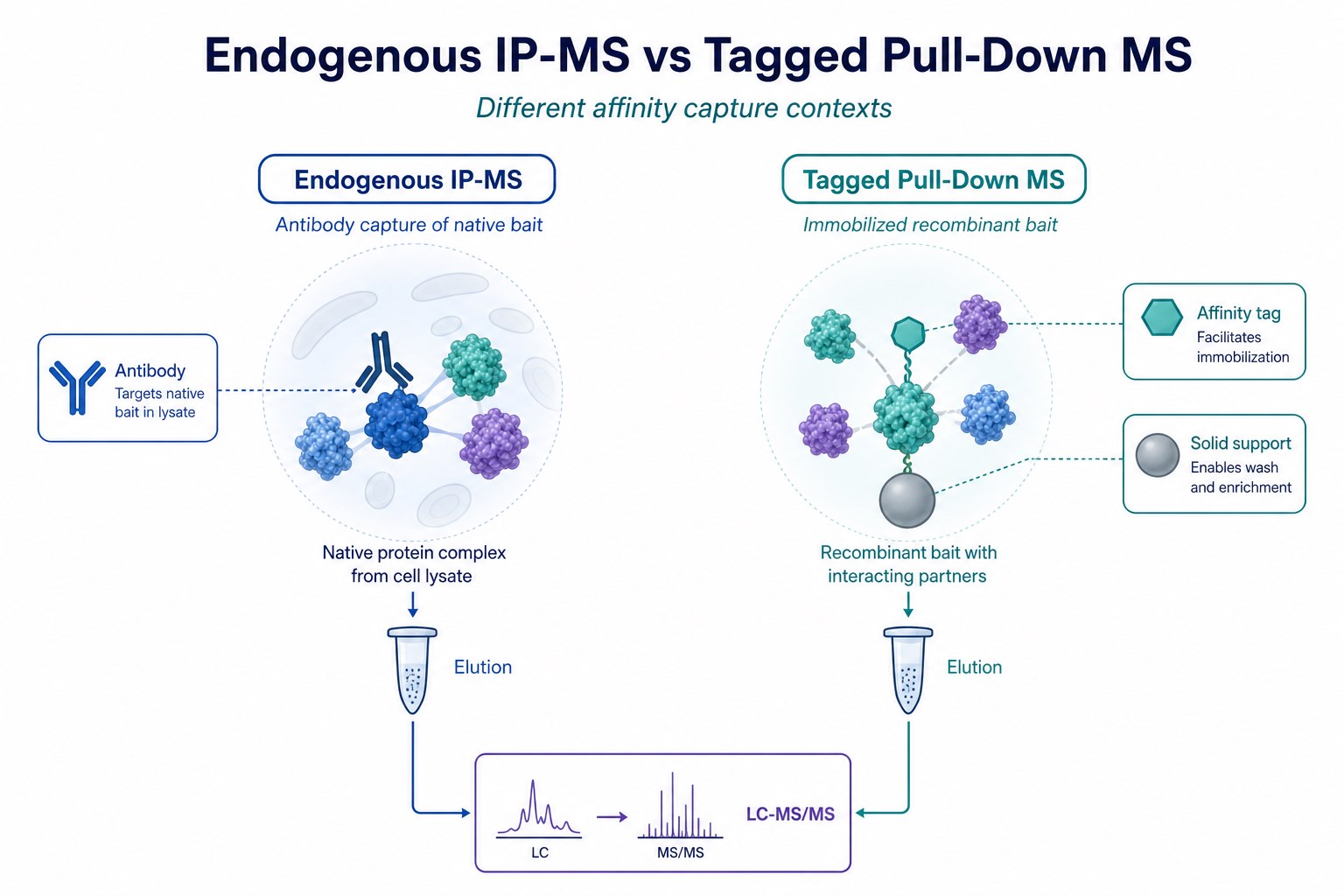
Figure 1. Antibody capture of a native bait and immobilized recombinant bait capture both feed LC-MS/MS, but they preserve different biological contexts.
Core Comparison Dimensions
A practical choice depends on four dimensions: bait context, antibody or tag dependence, discovery goal, and validation burden.
Bait context
Antibody-based endogenous enrichment starts from the native protein in cells or tissues. Recombinant bait capture starts from a purified or immobilized protein whose concentration and domain content are defined by the experimenter. If endogenous stoichiometry and localization are central to the claim, the antibody-based route is usually preferred.
Antibody or tag dependence
Endogenous enrichment succeeds only when the antibody performs under immunoprecipitation conditions suitable for MS. Tagged pull-down assays reduce dependence on target-specific IP antibodies, but introduce tag, immobilization, and recombinant-protein artifacts that must be controlled.
Discovery goal
Native-bait enrichment is stronger for physiological neighborhood discovery. Controlled bait capture is stronger for testing whether a defined construct can recover selected partners, domains, or mutant-dependent binding.
Validation burden
Both methods need orthogonal confirmation for high-confidence interaction claims. Endogenous results often require reciprocal IP or functional tests. Pull-down hits often require return-to-cell assays to show that reconstituted binding is biologically relevant.
Method-by-Method Analysis
Endogenous IP-MS
This strategy fits projects that ask what associates with the authentic bait in a native expression setting. Typical uses include disease-gene neighborhoods, pathway node mapping without overexpression tags, and condition-matched endogenous interactome comparisons.
It is less suitable when no IP-competent antibody exists, when bait abundance is too low for recovery, or when the main question is direct binding to a purified domain. Antibody cross-reactivity and wash-dependent loss of weak partners remain major risks.
Tagged Pull-Down MS
This strategy fits projects that need controlled bait chemistry. Typical uses include domain or mutant binding tests, recombinant bait screens against lysates, and confirmation of hypothesized partners under defined buffer conditions.
It is less suitable as the first choice for unbiased endogenous neighborhood discovery. Non-physiological bait concentration, missing cofactors, and immobilization effects can create binding that does not occur in cells, or miss complexes that require native assembly.
Comparison Table for Study Design
|
Decision factor |
Endogenous antibody IP-MS |
Tagged recombinant pull-down |
|---|---|---|
|
Typical bait |
Native cellular or tissue protein |
Recombinant or immobilized tagged bait |
|
Capture handle |
Antibody |
Affinity tag or immobilized bait |
|
Best for |
Physiological neighborhood discovery |
Controlled binding and domain tests |
|
Main requirement |
IP-competent antibody |
Well-behaved recombinant bait |
|
Main risk |
Antibody performance and background |
Non-physiological binding artifacts |
|
Typical next step |
Reciprocal IP or functional assays |
Return-to-cell or endogenous confirmation |
No single strategy is universally preferred. The fit depends on whether the project prioritizes endogenous context or controlled bait chemistry.
Related Services
IP-MS Protein Interactomics Analysis Service
Co-Immunoprecipitation Protein Interaction Analysis Service
Pull Down based Protein Analysis Service with Mass Spectrometry
In Vitro Pull-Down Assay Service
Affinity Purification-Mass Spectrometry Service
MS-Based Protein-Protein Interaction Analysis Service
Researchers comparing affinity enrichment routes can consult MtoZ Biolabs to match the capture strategy to the current interaction question before sample preparation.
Decision Guide by Project Goal
If endogenous context is required
Choose endogenous IP-MS when the claim depends on native expression, localization, or tissue context. Confirm antibody performance under IP conditions before scaling replicates.
If antibody performance is uncertain
Consider tagged pull-down assays or tag-based cellular affinity purification when a reliable IP antibody is unavailable and tagging or recombinant bait production is acceptable.
If the question is direct or domain-level binding
Choose recombinant bait capture for controlled tests of domains, mutations, and reconstituted binding. Follow positive hits with endogenous assays when cellular relevance is required.
If both discovery and mechanism are needed
Many programs use both strategies in sequence. Native-bait enrichment can nominate physiological candidates. Controlled pull-down tests can then examine domain dependence or direct binding on prioritized edges.
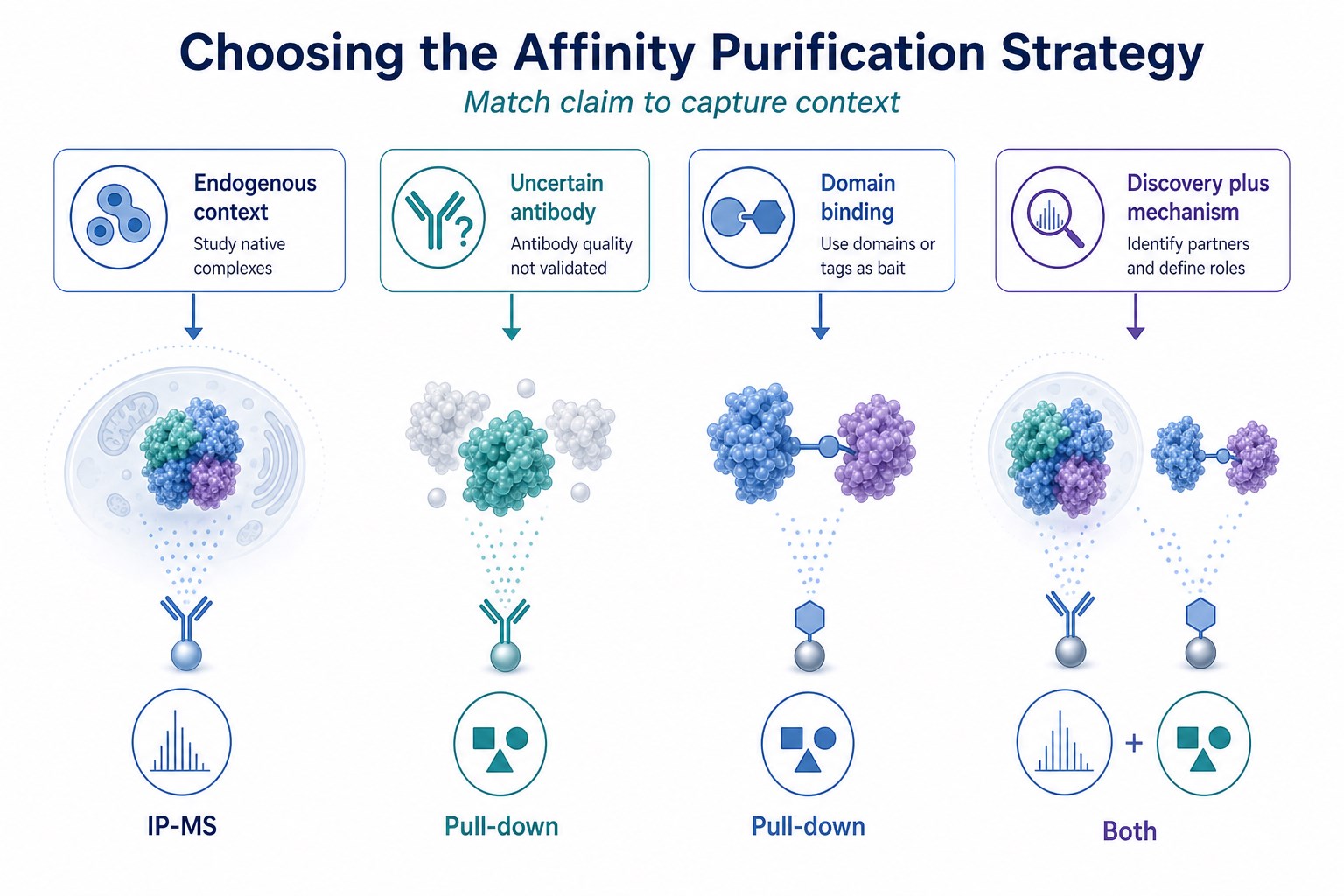
Figure 2. Match the interaction claim first, then choose native-bait antibody enrichment or controlled recombinant bait capture.
When the Two Strategies Should Be Combined
Combination is useful when discovery and mechanistic testing are both part of the same study. Endogenous enrichment defines which partners appear in native context. Pull-down assays then ask whether selected partners can bind a defined bait construct under controlled conditions.
Combination also helps when antibody evidence is incomplete. A tagged cellular affinity purification or pull-down screen can generate candidates, while a later endogenous IP confirms that key partners are recovered from the native protein.
For projects that need help sequencing these assays, MtoZ Biolabs can review whether endogenous capture, recombinant pull-down, or a staged package fits the current study phase.
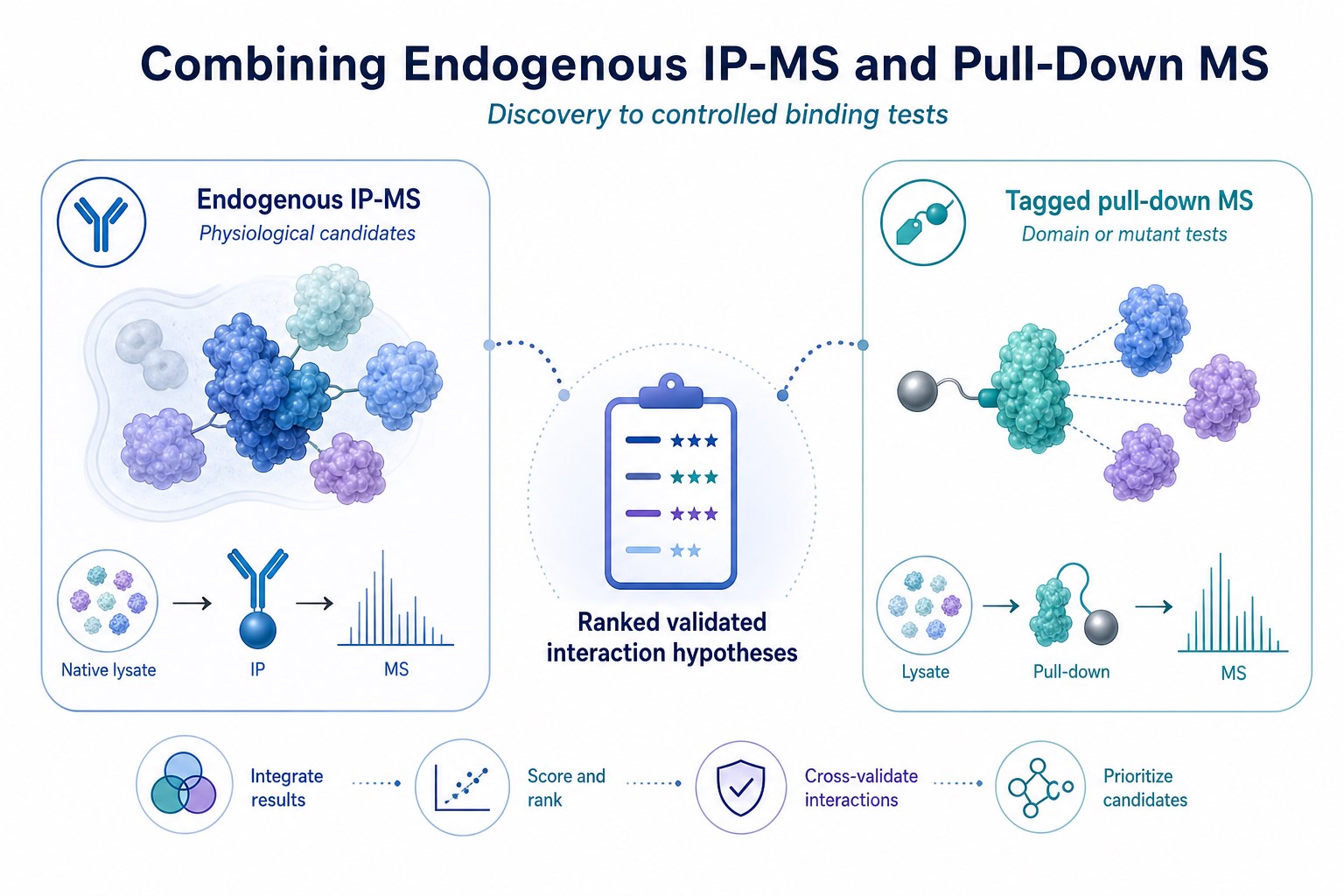
Figure 3. Physiological discovery and controlled binding tests are often combined when both claims matter in one interaction program.
Frequently Asked Questions
1. When is the endogenous route preferred over recombinant pull-down?
Use the endogenous route when the interaction claim depends on the native bait in cells or tissues and an IP-competent antibody is available.
2. When is tagged pull-down MS the better first choice?
Use it when the question centers on controlled bait chemistry, domain or mutant effects, or when no suitable IP antibody exists.
3. Does pull-down enrichment prove that an interaction occurs in cells?
No. It shows binding under the assay conditions used. Cellular relevance usually needs endogenous confirmation.
4. Can the two methods give different partner lists for the same bait?
Yes. Expression context, wash chemistry, bait concentration, and complex stability differ, so overlapping but non-identical shortlists are common.
5. How should teams choose if both antibody and recombinant bait are available?
Choose based on the primary claim. Start with native-bait enrichment for physiological neighborhoods, or with controlled pull-down tests for binding mechanism, then combine if both claims matter.
Conclusion
Endogenous IP-MS and tagged pull-down MS are complementary affinity purification strategies for protein interaction studies. The first prioritizes native bait context and antibody-based capture. The second prioritizes controlled bait chemistry for binding and domain questions. Both require controls and orthogonal validation before high-confidence interaction claims.
The most reliable selection rule is to define the biological claim first, then choose the enrichment strategy whose capture context matches that claim. When discovery and mechanism both matter, sequence the two methods rather than forcing one workflow to answer every question. Teams preparing interaction proteomics projects can contact MtoZ Biolabs to review which design fits the current study.
How to order?




