




Challenges in Proteomics Analysis of Different Tissue Samples
Tissue proteomics uses mass spectrometry to characterize proteins in tissue samples, but tissue structure, matrix composition, and preservation can affect which proteins are detected and quantified.
These effects vary by tissue type. Dense structures can limit protein release, matrix components can interfere with sample preparation, and limited starting material leaves less margin for processing losses. This article outlines the main tissue-specific challenges and explains how those factors affect sample suitability for the intended analysis.
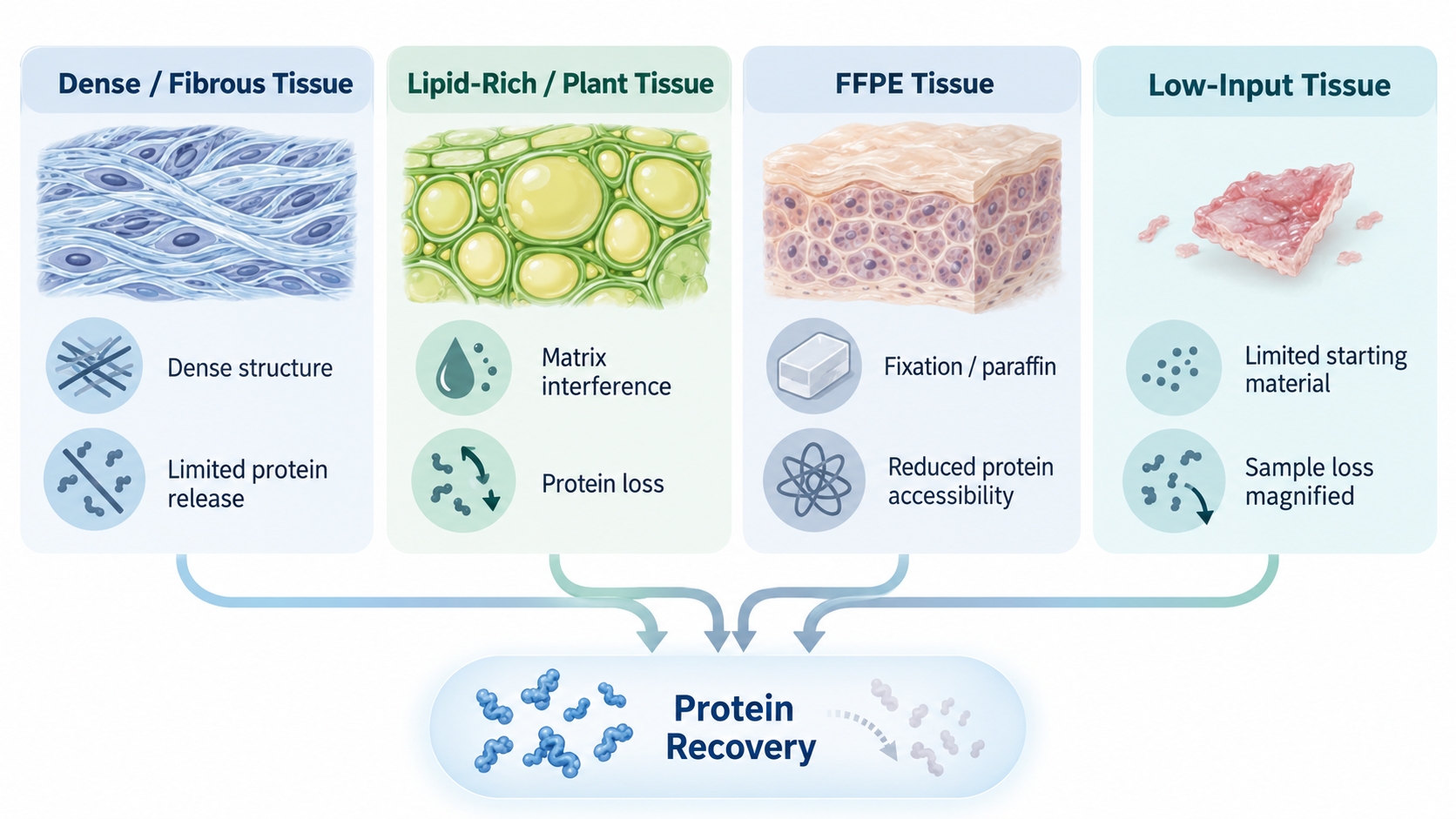
Figure 1. Tissue-specific constraints that can affect protein recovery in proteomics analysis.
Protein Extraction from Dense and Fibrous Tissues
1. Dense Tissue Structure Can Limit Protein Release
Dense tissues such as bone, cartilage, fibrotic tissue, and collagen-rich connective tissue can be more difficult to disrupt and solubilize than softer tissues. If tissue disruption is incomplete, some proteins remain associated with structural material instead of entering the recoverable fraction efficiently. Muscle can also present extraction challenges, but its structural composition differs from bone and cartilage and should not be treated as analytically identical.
2. Protein Recovery Can Differ Across Protein Components
Proteins from different tissue components are not necessarily extracted with equal efficiency. Proteins released readily from cellular material may be more readily detected, while proteins associated with extracellular matrix or dense structural components may be underrepresented. Collagen-rich tissues illustrate this distinction: a measurable total protein amount does not mean that all protein classes have been extracted equally. Total protein yield and proteome representation are related, but they are not interchangeable measures.
3. Tissue Weight Does Not Directly Predict Recoverable Protein
Starting tissue mass describes the amount of material submitted, but it does not directly predict the protein amount available for proteomics. Similar weights of bone, cartilage, fibrotic tissue, or other difficult matrices can yield different amounts of protein because tissue density, extracellular matrix content, and extraction characteristics differ. Sample suitability therefore depends on the material itself and the usable protein amount after preparation.
Matrix Interference in Lipid-Rich and Plant Tissues
Unlike dense tissues, lipid-rich and plant samples are often limited by matrix composition rather than tissue structure alone.
1. Lipid-Rich Tissues Can Complicate Protein Extraction and Solubility
Lipid-rich tissues can be difficult to extract because lipids may co-extract with proteins and alter protein solubility or phase separation. Adipose tissue has a particularly high lipid burden, while brain and some liver samples may also contain substantial lipid components. Proteins associated with lipid-rich or membrane-containing structures may be extracted differently from proteins in less lipid-rich cellular fractions, so similar starting tissue amounts can produce different protein profiles.
2. Residual Lipids Can Affect Peptide Preparation and LC-MS/MS Compatibility
Lipid-related interference can persist after protein extraction. Residual lipids may complicate cleanup and peptide preparation, reducing the amount or consistency of peptide material available for LC-MS/MS. Additional cleanup may reduce matrix interference, but the extra processing can also remove some target material. The analytical concern therefore includes both the initial protein yield and the peptide material remaining after preparation.
3. Polysaccharides and Polyphenols Can Limit Protein Recovery from Plant Tissue
Plant tissues present a different matrix challenge. Polysaccharides can increase sample viscosity and complicate separation of the protein fraction, while polyphenols may interact with proteins and reduce their solubility or extraction efficiency. Removing matrix components can also result in the loss of some target proteins. The extent of interference varies by plant tissue type and composition, so starting mass alone does not predict the amount of usable protein or peptide material available for proteomic analysis.
FFPE Fixation and Protein Recovery
1. Formalin Fixation Changes Protein Accessibility
Formalin fixation preserves tissue architecture by introducing crosslinks among proteins and other tissue components. These crosslinks can reduce protein accessibility and make some proteins or peptide regions more difficult to extract or detect than in frozen tissue. Because fixation history and tissue condition can vary among specimens, similar FFPE tissue areas do not necessarily produce the same detectable protein profile.
2. Additional Processing Requirements Affect FFPE Protein Recovery
FFPE material requires additional processing before proteins become accessible for proteomic analysis. Paraffin removal and treatment of fixation-related crosslinks affect how much protein remains available for downstream analysis. Inefficient extraction can limit the available protein amount, while additional processing can also cause material loss. These constraints are specific to FFPE material and should not be interpreted using the same assumptions as fresh or frozen tissue.
3. FFPE Material Amount Does Not Directly Predict Proteomic Yield
Section count, tissue area, or block age alone cannot predict FFPE proteomic yield. The amount of protein and peptide material available for analysis also depends on tissue type, fixation and preservation history, material condition, and the proportion of analyzable tissue in the specimen. Two FFPE samples with similar section counts can therefore produce different detectable protein profiles. Storage duration should be considered as part of specimen history rather than used as a standalone acceptance criterion.
Protein Loss in Biopsy and Low-Input Tissues
1. Limited Starting Material Magnifies Sample Loss
In biopsy and LCM-derived material, relatively small preparation losses can represent a substantial fraction of the available sample. Material may be lost during transfer, extraction, cleanup, or peptide preparation, and the proportional effect increases as starting input decreases. Low-input feasibility therefore depends on how much usable material remains for analysis, not simply on the visible size of the original tissue specimen.
2. Reduced Peptide Yield Can Affect Detection and Quantification
A low amount of extracted protein ultimately limits the peptide material available for LC-MS/MS. Lower-abundance proteins are more likely to fall below the detectable range when peptide input is limited, and proteins represented by weak peptide signals may show less stable relative quantification. Low input does not automatically result in unusable data, but it leaves less margin for sample loss and between-sample variation.
3. Low-Input Feasibility Depends on Recovery and Study Goals
Low-input feasibility depends on the available material and the intended analytical endpoint. A project focused mainly on protein identification may remain feasible under conditions that are less suitable for stable relative quantification across multiple samples. Biopsy and LCM-derived projects should therefore be assessed according to the material available and the result the study is expected to support.
Impact on Protein Identification and Quantification
1. Protein Extraction and Preparation Shape What Can Be Identified
Protein identification reflects the protein and peptide material that remains analytically accessible after sample preparation. When extraction is incomplete or selective, some proteins may be underrepresented or fail to generate sufficient detectable peptide evidence. A protein not identified in a difficult tissue sample therefore cannot automatically be interpreted as absent from the original tissue.
2. Recovery Differences Affect Relative Quantification and Group Comparability
Relative quantification compares the detectable protein fraction across samples. When sample preparation yields different protein profiles across groups, measured abundance may reflect both biological variation and tissue-specific preparation effects. The risk is greater when fixation, matrix burden, fibrosis, or available input differs across samples. Preparation differences do not by themselves prove that an observed protein change is technical, but sample-specific conditions should be considered when interpreting abundance changes.
For the laboratory workflow from tissue disruption and protein extraction to digestion and LC-MS/MS analysis, see Tissue Proteomics Workflow from Protein Extraction to LC-MS/MS.
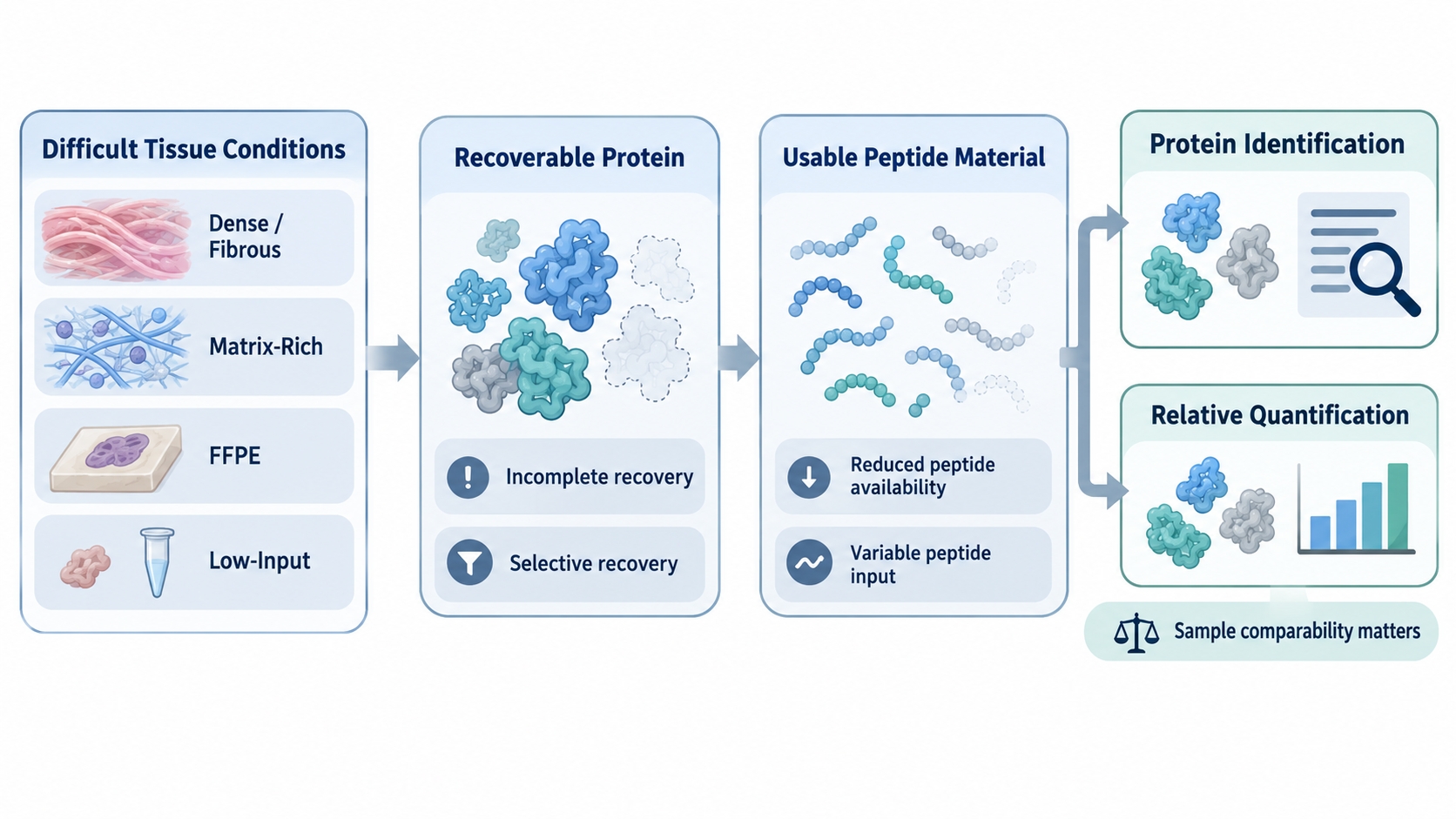
Figure 2. How differences in protein recovery can affect peptide availability, protein identification, and relative quantification.
Evaluating Difficult Tissue Samples Before Analysis
Before analysis, the key question is whether the available material can support the planned analytical endpoint, not simply whether a tissue sample is available.
1. Sample Suitability Depends on Tissue-Specific Conditions
|
Tissue condition |
Information to confirm |
Main analytical concern |
|
Dense or fibrotic tissue |
Tissue source, structural characteristics, current material state, available input |
Protein release and recovery |
|
Lipid-rich or plant tissue |
Tissue type and relevant matrix characteristics |
Matrix interference and target-material loss during cleanup |
|
FFPE tissue |
Fixation information, preservation history, material format, tissue condition |
Protein accessibility and recovery |
|
Low-input biopsy or LCM-derived material |
Available material, prior processing, intended analysis |
Limited protein/peptide input and sensitivity to processing losses |
The factors in the table should be considered together. Lipid-rich and complex matrices may require additional cleanup, but extra processing can also remove some target material. Downstream analysis requires the prepared protein to meet the applicable QC criteria. For sample amounts and submission guidance, see How to Prepare Tissue Samples for Proteomics Analysis.
2. Identification and Comparative Studies Have Different Requirements
Protein identification and comparative proteomics place different demands on difficult tissue samples. A sample may provide enough usable peptides for identification while showing insufficient consistency for relative quantification or differential protein analysis. Differences in fixation, matrix burden, fibrosis, or input should be considered when deciding whether the available material can support the intended endpoint. Detailed decisions about tissue-region matching, controls, biological replicates, and batch planning are discussed in Experimental Design for Comparative Tissue Proteomics.
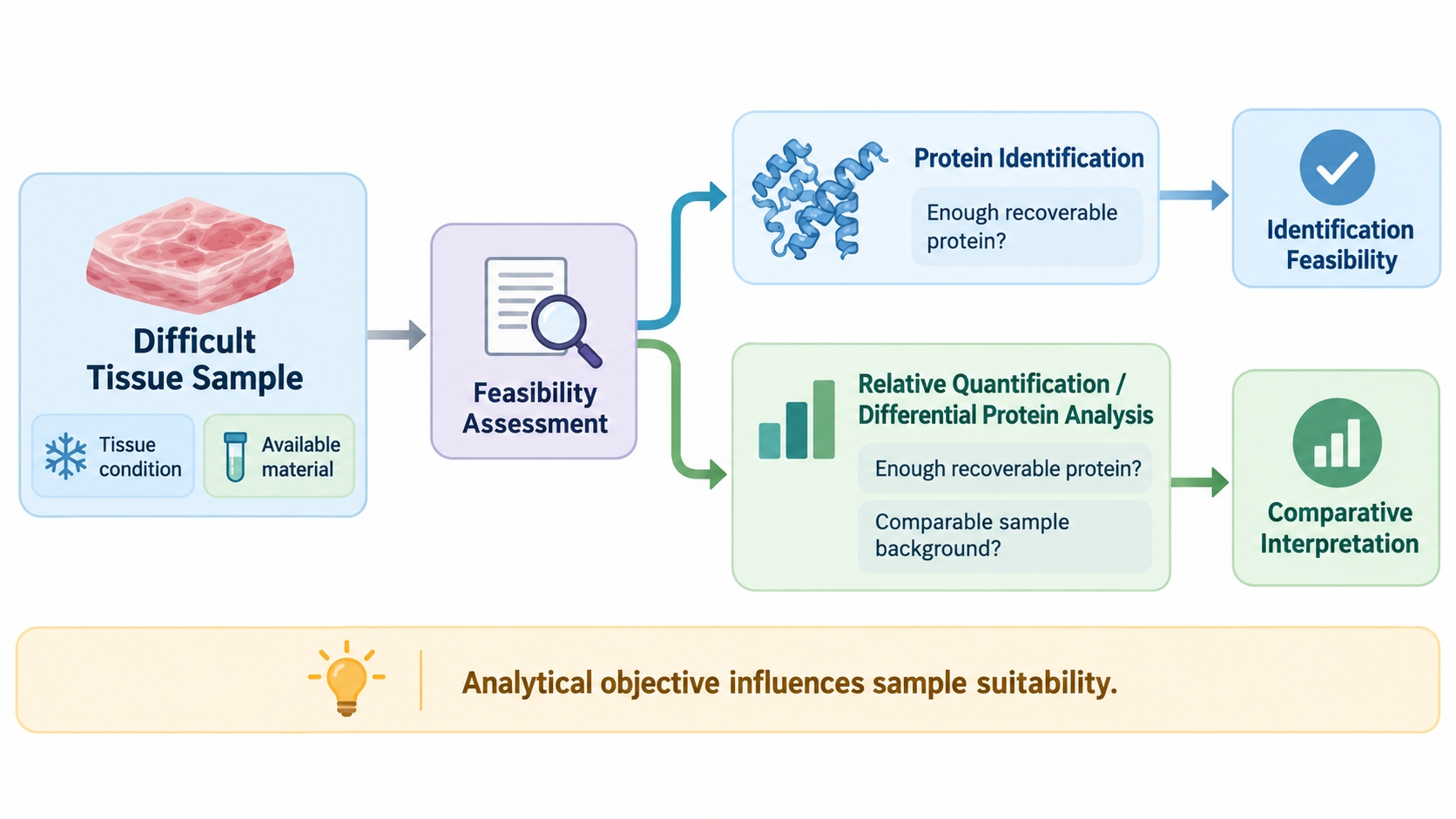
Figure 3. Evaluating difficult tissue samples according to the intended proteomics objective.
Frequently Asked Questions
1. Can archived FFPE tissue be used for proteomics?
Yes. Suitability depends on fixation and preservation history, current tissue condition, and the amount of analyzable material available. Storage age alone is not sufficient to accept or exclude an FFPE specimen.
2. Can low-input biopsy tissue be analyzed by LC-MS/MS?
Potentially. Feasibility depends on the available material and the intended analytical endpoint. Low-input samples may support Protein Identification, while comparative quantification requires greater consistency in recovery across samples.
3. Does low protein recovery always prevent tissue proteomics analysis?
No. The relevant question is whether enough usable protein and peptide material remains for the intended analysis. Limited recovery may still support protein identification while constraining broader quantitative comparisons.
4. Can different tissue types be compared in the same proteomics study?
Different tissue types can be included in the same study, but direct quantitative comparison requires careful interpretation because tissue composition and recovery characteristics can differ substantially. When cross-tissue comparison is a primary study objective, the sampling and comparison strategy should be defined during experimental design.
Conclusion
Difficult tissue samples can limit proteomic analysis through different effects on protein recovery and peptide availability. These effects can change which proteins are detectable and can reduce the consistency of relative quantification when recovery differs across samples. Tissue mass or material format alone is therefore not sufficient to predict analytical performance.
For a broader view of tissue sample preparation, analytical workflow, data interpretation, and research applications, see Tissue Proteomics: Sample Preparation, Workflow, Data Analysis, and Applications. For FFPE, difficult-to-lyse, matrix-rich, or low-input tissue projects, MtoZ Biolabs can evaluate the available material and intended analytical objective against the applicable Tissue Proteomics Service requirements before project setup.
How to order?