






Experimental Design for Comparative Tissue Proteomics
Comparative tissue proteomics identifies protein abundance differences across experimental conditions. A clear study design defines the primary question, groups and controls, whether samples are independent or paired, the required proteomic evidence, and the tissue-sampling plan. Coordinating tissue source, anatomical region, biological replicate structure, preservation format, and analytical batch with group assignment helps interpret protein differences in relation to the factor under study.
Research Objectives and Study Design
1. Define the Research Question
Start with a specific biological contrast. The study may compare a disease model with a control group, assess a treatment against a reference condition, or examine defined tissue states. Identify the primary factor whose association with protein abundance will be evaluated. The hypothesis should define the comparison that will provide evidence for the research question. Set group definitions, controls, and sampling decisions before generating proteomic data.
2. Choose the Study Design
The comparison structure should reflect how the tissue samples are biologically related. The main options are independent groups, paired samples, and multifactor or time-course designs.
|
Study structure |
Appropriate when |
Key design requirement |
|
Independent groups |
Samples come from different animals or other independent biological units. |
Each group should contain independent biological samples. |
|
Paired comparison |
Matched tissues or regions come from the same biological unit. |
Preserve the pairing relationship throughout the study. |
|
Multifactor or time-course design |
The study includes more than one experimental factor or sampling time point. |
Make sure the major factors and planned contrasts can be distinguished. |
Define the primary contrasts before proteomic analysis and match the design complexity to the available samples. This keeps the planned comparisons focused on the research question.
3. Account for Background Factors
For an interpretable comparison, keep experimental and control groups comparable in major background factors or define those factors as part of the study design. For example, when treatment groups and controls come from different tissue sources, observed protein differences reflect both treatment and source. Apply the same review to anatomical region, individual background, preservation format, experimental cohort, and other study variables. Before analysis, identify the primary factor and record background variables for comparison or stratified interpretation.
Proteomics Method Selection
1. Define the Analysis Goal
Choose an analytical strategy according to the evidence needed to answer the research question. Protein identification establishes which proteins are detected in a tissue sample. Comparative studies require relative quantification across biological samples. PRM can support targeted verification when candidate proteins have already been defined. Establish the analytical objective before selecting a specific strategy.
3. Match the Method to the Study Design
After sample suitability has been assessed, choose a strategy that matches the intended evidence and comparison structure. The main options differ in their roles in whole-proteome quantification, protein identification, and targeted verification.
- DIA with label-free quantification is the default strategy for whole-proteome relative quantification.
- DDA is the default strategy for protein identification.
- TMT or 4D-DIA may be considered according to the sample set and study design. PRM can support targeted verification of defined candidate proteins.
Select the method by considering the research objective, sample suitability, comparison structure, and expected data type. Detailed technical comparisons can be found on the relevant method or service pages.
Biological Replicates and Sample Size
1. Define Biological Replicates
Biological replicates represent independent biological units. In animal studies, independent animals usually represent independent units; in other study types, the experimental unit depends on how samples were collected. Track repeated measurements and additional material from the same source separately from biological replicates. Examples include:
- Repeated LC-MS/MS measurements of the same preparation.
- Repeated extraction from the same specimen.
- Multiple tissue pieces collected from the same biological source.
2. Preserve Sample Pairing
Matched affected and unaffected regions, different regions of one organ, or multiple tissues from one experimental animal share biological background. Preserve individual and pairing information throughout the study so the analysis can account for these relationships. Multiple regions can describe within-specimen variation and should be documented separately from independent biological units.
3. Determine Sample Size
Plan sample size around the expected effect, biological variability, paired or independent design, number of groups, and amount of material available. Each primary comparison should include enough independent biological units to characterize within-group variability. Power calculations can support planning when reasonable estimates are available; pilot data or relevant prior studies can help estimate variability when needed.
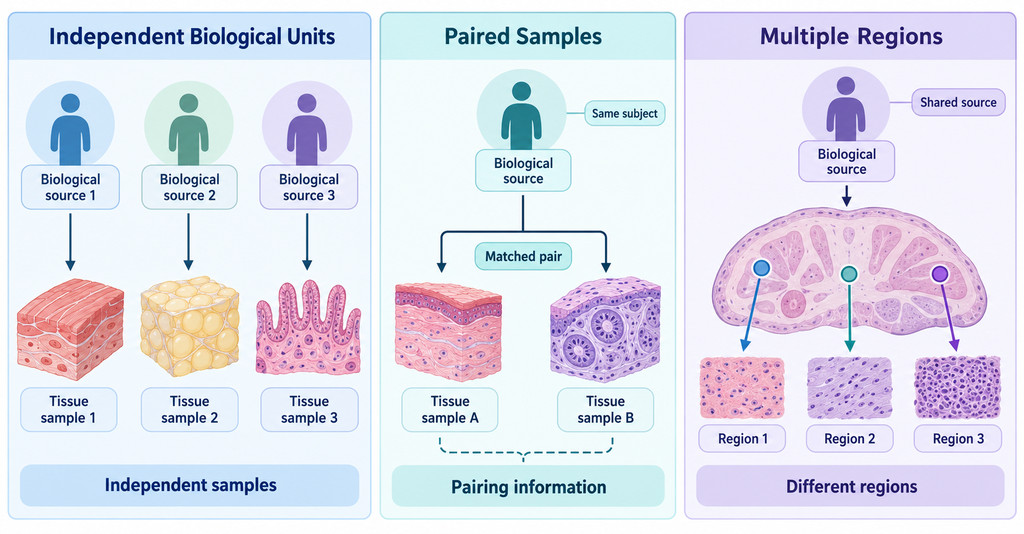
Figure 1. Biological Replicates and Sample Relationships in Tissue Proteomics.
Tissue Sampling and Batch Control
1. Standardize Tissue Sampling
Bulk tissue proteomics measures proteins from the mixture of cells and structural components in the sampled material. When tissue origin or anatomical region is not the primary study factor, standardize these features across groups. Lesion content, necrosis, stromal contribution, and other tissue-composition differences can also shape the measured protein profile. When tissue composition is central to the research question, retain the relevant anatomical or histological information as part of the study design. After data are available, the contribution of tissue composition and sample-to-sample variation to observed protein changes is discussed in Why Tissue Proteomics Results Vary and How to Interpret Protein Changes.
2. Compare Sample Conditions
Compare sample conditions across groups. Fresh or frozen tissue, FFPE material, tissue lysate, and protein extract can have different processing histories. Review material format, preservation, available amount, and handling history alongside group assignment, and record relevant differences in the study metadata. This information helps place protein abundance patterns in the context of the samples analyzed.
3. Control Batch Effects
Whenever possible, distribute samples from each biological group across processing and analytical batches. Randomize experimental subjects when the study design permits. In observational studies, group membership may be predetermined, while downstream sample handling and analytical order can still be balanced across groups.
Maintain a consistent sample record throughout processing and analysis. At minimum, batch planning should preserve traceable links among:
- Sample ID and biological group.
- Individual or pairing information.
- Tissue source and sampling region.
- Preservation or material format.
- Processing and analytical batch.
Balanced allocation helps distinguish technical batch variation from biological differences between groups. Consistent records also make sample-to-batch relationships easier to review.
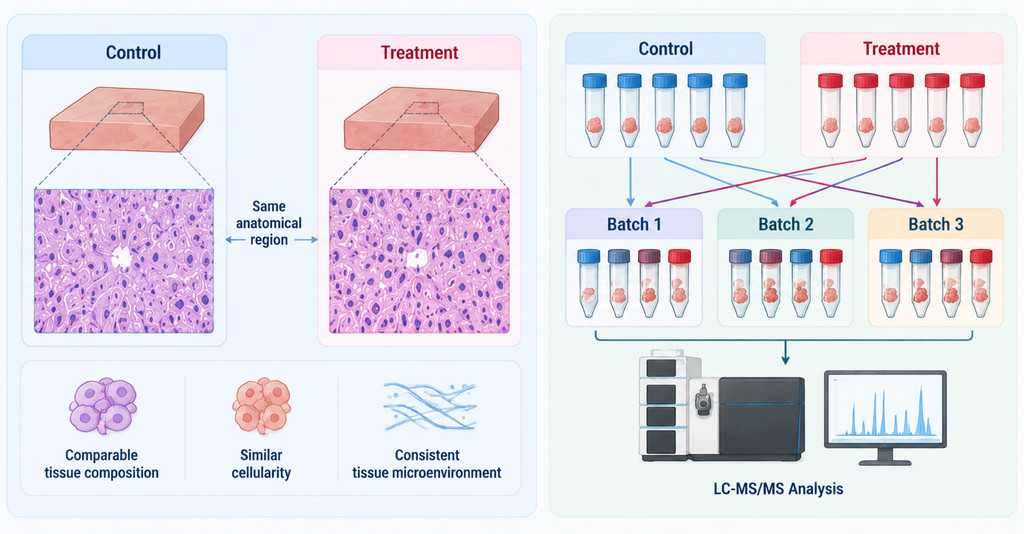
Figure 2. Tissue Sampling Comparability and Balanced Batch Allocation.
Study Design Review
1. Check Study Feasibility
Before analysis, review how the controls, biological replicates, tissue source, material format, and batch allocation support the primary comparison. When a background factor varies alongside group assignment, refine the comparison, improve sample balance, or incorporate the factor into the study design before acquisition whenever possible.
|
Design checkpoint |
Value for interpretation |
Recommended action |
|
Primary contrast |
A defined contrast links protein differences to the research question. |
Set the primary contrast before data generation. |
|
Control comparability |
Comparable controls help isolate the factor of interest. |
Match controls for major background factors. |
|
Biological replication |
Independent units characterize within-group variation. |
Plan independent samples for each primary comparison. |
|
Sample source and preservation |
Consistent sample conditions support interpretation of group differences. |
Standardize or document source and preservation. |
|
Batch allocation |
Balanced batches help distinguish technical and biological variation. |
Distribute groups across batches whenever possible. |
|
Sample suitability |
The available material should match the intended analytical objective. |
Review material and objectives before method selection. |
2. Finalize the Study Plan
Finalize the study plan before samples enter proteomic analysis. Depending on project needs, this may include adding independent biological samples, refining controls, retaining pairing information, standardizing tissue regions, balancing batches, or matching the analytical objective to the available material. For a focused feasibility review, document the research question, group structure, tissue source and region, biological relationships, available material, preservation format, and known batch factors.
Frequently Asked Questions
1. Can groups have unequal sample numbers?
Yes. Unequal group sizes can be used when the study design and analysis account for the number of independent biological units in each group. Plan sample allocation around the primary comparison and review whether group size is associated with tissue source, preservation format, or batch. Defining the allocation before collection helps support a clear analysis.
2. What if tissue composition is the research focus?
Treat the relevant composition difference as a planned biological factor. Define which tissue regions or histological features are relevant, and preserve the corresponding sampling information. The design should distinguish the intended composition change from unrelated differences in tissue source or collection.
3. Can one study compare different tissue types?
Yes, when tissue type is a planned study factor. Include a sample structure that allows tissue-type effects to be evaluated alongside treatment or disease effects, and record tissue source and region consistently across the relevant groups.
4. What if each group was processed in a separate batch?
Whenever possible, distribute samples from each biological group across processing batches. If processing has already occurred, document the group-to-batch structure and review which comparisons remain well supported. When sample processing is ongoing, consider reallocating or adding samples so that the relevant groups are represented across batches.
Conclusion
A comparative tissue proteomics study should be planned around a defined biological question. The group structure, analysis objective, independent biological samples, tissue regions, and batch allocation need to work together so that measured protein differences can be interpreted in relation to the factor under study.
For an overview of tissue proteomics from sample preparation through data interpretation, see Tissue Proteomics: Sample Preparation, Workflow, Data Analysis, and Applications. Once the comparison, tissue regions, biological relationships, and research objective are defined, MtoZ Biolabs can assess project feasibility and an appropriate analytical strategy through Tissue Proteomics Service.
How to order?