






How to Prepare Tissue Samples for Proteomics Analysis
Tissue proteomics uses mass spectrometry to characterize proteins in tissue and compare protein abundance across samples. Before analysis, tissue must be collected, handled, preserved, and documented in a way that keeps sample identity and handling history traceable.
These pre-submission steps matter because inconsistent handling or incomplete records can complicate sample assessment and make comparisons harder to interpret. Whether preparing a new collection or submitting existing material, researchers should confirm the tissue format, available amount, storage history, and shipping conditions. This guide covers sample types and amounts, initial handling, freezing and storage, labeling and shipping, and the final checks before dispatch.
Tissue Sample Types and Amount Requirements
1. Sample Formats for Tissue Proteomics
Tissue samples can be submitted as fresh tissue, liquid-nitrogen snap-frozen or −80°C frozen tissue, FFPE blocks, sections or scrolls, tissue lysates, or protein extracts. Samples do not need to be converted into one common format before submission; the required information and transport conditions depend on the material form. Use the table below to check what to record before shipment.
|
Sample format |
Submission and handling notes |
Information to provide |
|
Fresh tissue |
Handle promptly. Confirm transport conditions for the material state before dispatch. |
Tissue source, anatomical site, collection time, study group, and relevant handling history. |
|
Snap-frozen or −80°C frozen tissue |
Snap-freeze in liquid nitrogen, store at −80°C, and ship frozen on dry ice. |
Tissue source, storage conditions, collection/freezing dates when available, and known freeze-thaw history. |
|
FFPE block, section, or scroll |
Submit at room temperature in the corresponding material format. FFPE protein extraction is a required preprocessing step. MtoZ Biolabs does not provide tissue fixation or paraffin embedding. |
Tissue source, material format, fixation information when available, and relevant storage history. |
|
Tissue lysate |
Confirm shipping conditions according to the material state before dispatch. |
Original tissue source and the composition of the lysis buffer or extraction reagents. |
|
Protein extract |
At least 50 μg protein per sample; quantify by BCA or Bradford assay. Confirm shipping conditions before dispatch. |
Original tissue source, extraction reagent composition, and protein quantification information. |
2. Recommended Amounts for Routine Tissue Samples
For a new collection, use the recommended amount where one is specified and distinguish it from the minimum submission amount. For existing samples, record the actual amount available rather than assuming that the recommended collection target is a mandatory threshold.
|
Sample type |
Confirmed sample amounts |
|
Animal soft tissue (heart, liver, spleen, lung, kidney, muscle) |
Recommended: 20-50 mg per sample; minimum: at least 10 mg per sample |
|
Hard animal tissue/material (cartilage, hair) |
Minimum: at least 75 mg per sample |
|
Plant tissue powder |
Recommended: 2-5 g of ground tissue powder per sample; minimum: at least 2 g for soft tissues and at least 5 g for hard tissues |
3. Amount Considerations for FFPE, Biopsy, and Pre-Extracted Samples
For FFPE material, identify whether the sample is a block, section, or scroll, and provide the tissue source and fixation information when available. For biopsy or LCM-derived material, report the actual amount available and the intended analysis for project-specific assessment rather than applying routine tissue-weight targets automatically.
For protein extracts, provide at least 50 μg protein per sample, BCA or Bradford quantification, the original tissue source, and the extraction reagent composition. For questions about how FFPE, dense, lipid-rich, plant, or low-input tissues may affect protein recovery and analysis, see Challenges in Proteomics Analysis of Different Tissue Samples.
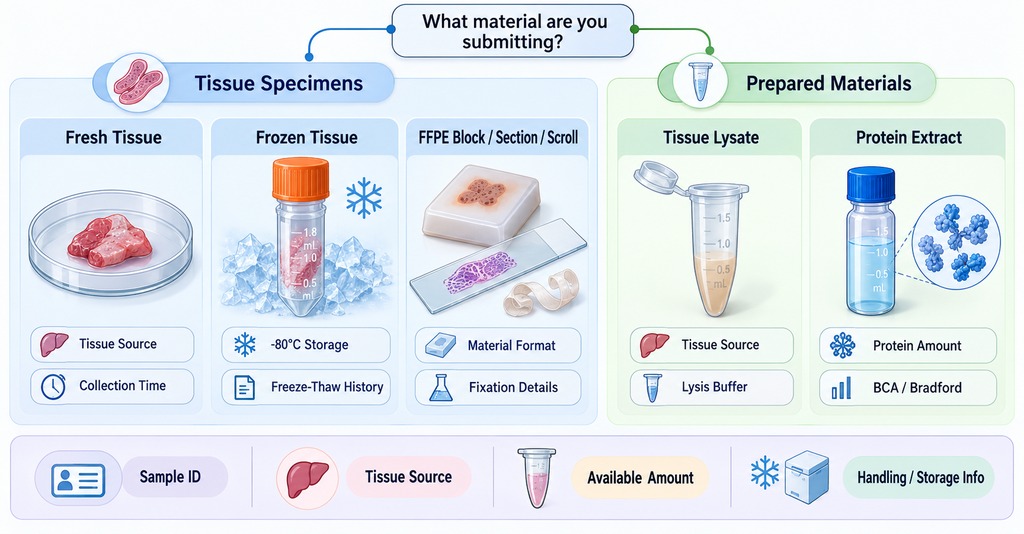
Figure 1. Tissue Sample Formats and Key Submission Information.
Tissue Collection and Initial Handling
1. Immediate Handling After Collection
Handle collected tissue promptly and avoid unnecessary time at room temperature. Keep the interval between collection and freezing or other planned handling as short and consistent as practicable across samples. Record the collection time and key handling steps during sampling rather than reconstructing the information later.
2. Removal of Blood and Non-Target Tissue
Where appropriate, clean the tissue promptly and remove residual blood, necrotic areas, and tissue outside the intended sampling area. Routine tissues can generally be cut into small pieces before snap-freezing. Pancreatic tissue does not need to be cut into small pieces; keep the sample as homogeneous as practicable. Do not apply one cutting procedure indiscriminately to every tissue type.
3. Consistency Across Samples and Collection Records
When samples are part of the same project, use consistent collection and initial-handling procedures wherever possible, and record any deviations. Each sample record should link the unique sample ID to the species, tissue type, anatomical source, individual or specimen ID, collection time, and relevant handling information.
Detailed decisions about matching tissue regions, selecting controls, and planning biological replicates belong in Experimental Design for Comparative Tissue Proteomics.
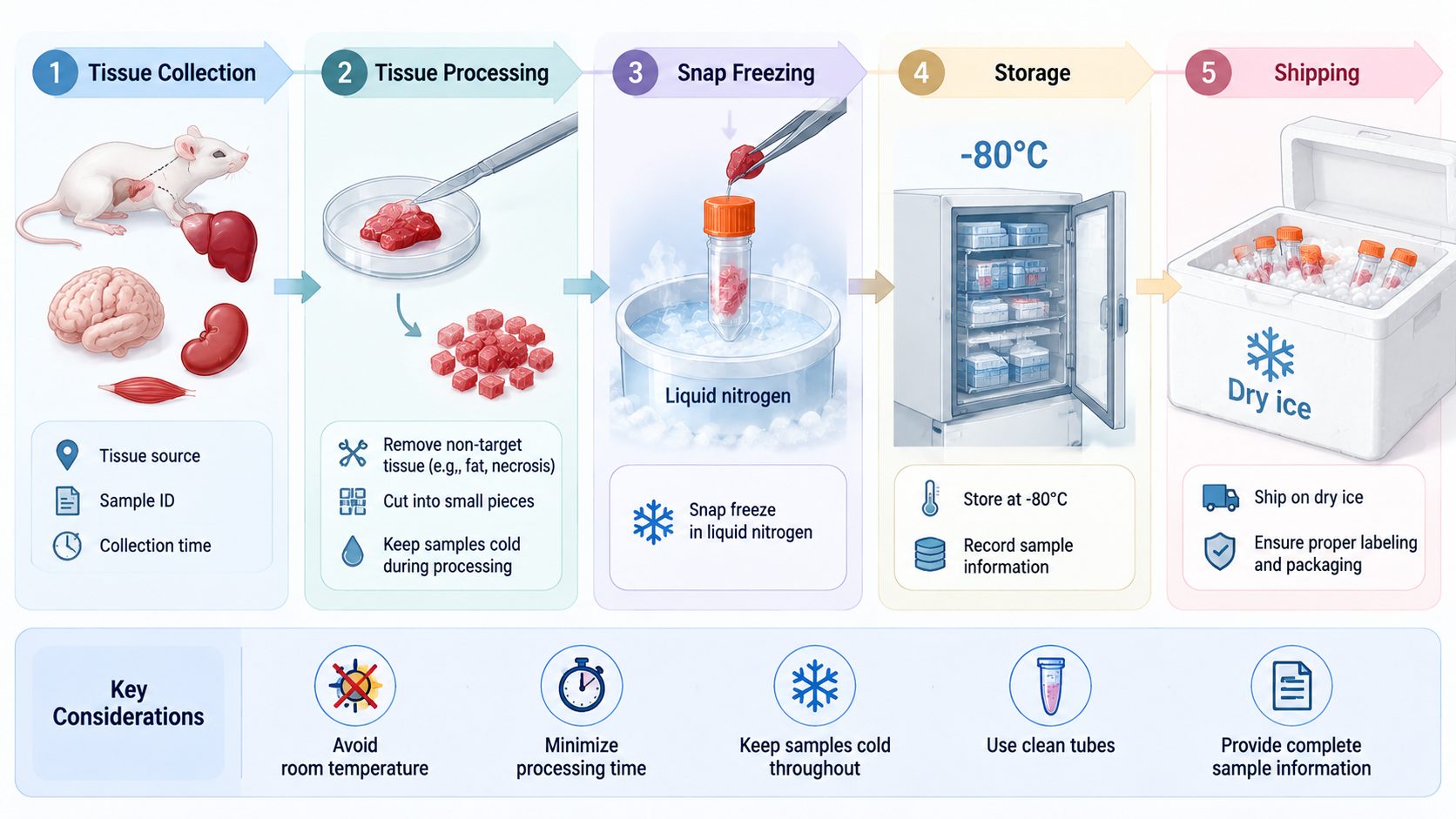
Figure 2. Tissue handling from collection through storage and shipment.
Freezing and Storing Tissue Samples
1. Snap-Freezing and Low-Temperature Storage
Tissue intended for frozen storage should be snap-frozen in liquid nitrogen and maintained at −80°C. When the tissue type permits, divide larger specimens into suitable portions before freezing so that only the material needed for a later analysis has to be removed from storage. Tissue-specific handling should take priority over applying the same portioning procedure to every organ.
2. Aliquoting and Freeze-Thaw Management
Plan tissue portions around the expected use of each sample to avoid thawing the entire specimen repeatedly. Limit freeze-thaw cycles to no more than approximately two to three, in line with current submission guidance, and record each known thawing event against the corresponding sample ID.
3. Reviewing Previously Frozen Tissue
Previously frozen and long-term stored tissue can be considered for project assessment. Before submission, confirm the original collection date, storage temperature, whether frozen storage was continuous, and the number of known freeze-thaw events. Record any interruption or change in storage conditions. Storage duration alone should not be used as the sole reason to exclude an existing sample; if tissue is known to be degraded or has undergone repeated freeze-thaw cycles, recollection is recommended.
Sample Labeling and Shipping
1. Sample Identification and Collection Records
Assign a unique ID to every submitted tissue sample and use the same ID on the container and sample list. The accompanying record should identify the species, tissue type, anatomical site, individual or specimen ID, study group, collection time, and relevant storage or handling history. When several tissues come from one individual, keep each specimen separately identifiable.
2. Shipping Conditions for Different Sample Formats
Keep frozen tissue frozen and ship it on dry ice. Record any known interruption in low-temperature storage or transport. FFPE blocks, sections, and scrolls can be submitted at room temperature in their corresponding material format. Confirm shipping conditions for fresh tissue, tissue lysates, and protein extracts according to the material state before dispatch; do not assume that every format follows the same transport requirements.
3. Matching Submitted Samples to the Sample List
Before shipment, match every physical sample to the sample list using its unique ID. Check that the material format, tissue source, specimen identity, study group, and number of containers agree with the accompanying records. This check is particularly important when one individual contributes several tissues or when a project includes more than one sample format.
Checking Samples Before Submission
1. Confirm Sample Identity, Available Material, and Storage Information
Check that sample IDs, tissue sources, specimen identities, study groups, available amounts, and current storage conditions are consistent across the containers and sample list. Flag uncertain preservation history, visible contamination, limited material, or missing information before shipment so that project-specific requirements can be reviewed.
2. Review Information Required for Each Sample Format
- Frozen tissue: Provide the tissue source, storage condition, and available freezing and freeze-thaw history.
- FFPE material: Identify the tissue source and material format (block, section, or scroll) and provide fixation information when available.
3. Pre-Submission Checklist
- Each sample has a unique ID that matches the container and sample list.
- The species, tissue type, anatomical source, specimen identity, and study group are recorded.
- The sample format and available tissue or protein amount are documented.
- Frozen tissue has a record of storage conditions and known freeze-thaw events.
- FFPE material is identified by tissue source and format, with fixation information provided when available.
- Tissue lysate or protein extract is accompanied by the original tissue source and lysis or extraction reagent composition.
- Protein extracts contain at least 50 μg protein per sample and have BCA or Bradford quantification.
- Shipping conditions match the submitted material format.
- Uncertain storage history, visible contamination, or other concerns are flagged before shipment.
Frequently Asked Questions
1. Can tissue samples collected at different times be submitted together?
Yes. Samples collected at different times can be submitted together if the collection dates and handling histories remain linked to the corresponding sample IDs. When the samples will be compared, disclose the timing differences so that their relevance to the study design can be assessed. See Experimental Design for Comparative Tissue Proteomics for guidance on comparative-study planning.
2. Does MtoZ Biolabs provide tissue fixation or paraffin embedding for FFPE samples?
No. MtoZ Biolabs accepts existing FFPE blocks, sections, or scrolls but does not provide tissue fixation or paraffin embedding.
3. What documentation is required for tissue associated with high-pathogenicity pathogens?
Appropriate inactivation documentation must be provided before submission for tissue associated with high-pathogenicity pathogens. Confirm the documentation requirements before shipping the material.
4. Can different tissue formats be included in the same proteomics project?
Yes. A project may include different accepted tissue formats when each sample is clearly identified and the relevant format-specific information is supplied. If the study aims to compare groups, discuss whether the sample formats and processing histories are sufficiently comparable during study planning. See Experimental Design for Comparative Tissue Proteomics.
Conclusion
Good tissue preparation starts with identifying the material, preserving it appropriately, and keeping its handling history traceable. For new collections, follow the stated amount and tissue-specific handling guidance; for existing frozen tissue, FFPE material, lysates, or protein extracts, document the material and its preservation history before submission.
For an overview of how sample preparation connects with the broader research process, see Tissue Proteomics: Sample Preparation, Workflow, Data Analysis, and Applications. If you are planning a tissue proteomics project, explore MtoZ Biolabs’ Tissue Proteomics Service to learn about mass spectrometry-based tissue protein profiling options and identify an analysis approach aligned with your research question.
How to order?