SILAC/Dimethyl Quantitative Proteomics Service
MtoZ Biolabs provides SILAC and Dimethyl Labeling quantitative proteomics service using LC-MS/MS for relative protein quantification and differential protein analysis.
Supporting drug response studies, gene regulation research, cellular signaling analysis, and comparative proteomics studies.
- Deep Protein Identification with >6,000 Proteins in Cell Samples
- High-Resolution Orbitrap MS with <5 ppm Mass Accuracy
- DDA Acquisition and Advanced Proteome Profiling
- High pH Fractionation for Improved Protein Coverage
What Is SILAC/Dimethyl Quantitative Proteomics?
1. Principle of SILAC Quantitative Proteomics
SILAC (Stable Isotope Labeling by Amino acids in Cell culture) introduces stable isotope-labeled amino acids into cell culture media, allowing these labeled amino acids to be incorporated into newly synthesized proteins.
Cells cultured under different experimental conditions can therefore contain proteins with different isotopic forms, such as Light and Heavy labeled proteins. After labeling, samples are combined according to the experimental design, followed by protein extraction, enzymatic digestion, and LC-MS/MS analysis.
During mass spectrometry analysis, Light and Heavy labeled peptides originating from the same protein generate distinct mass signals. By comparing the relative intensities of these signals, protein abundance changes between different experimental conditions can be quantified.
2. Principle of Dimethyl Labeling Quantitative Proteomics
Dimethyl Labeling is a peptide-level chemical labeling strategy for quantitative proteomics.
In this workflow, protein samples are first enzymatically digested into peptides. Different isotopic forms of dimethyl labeling reagents are then used to chemically modify peptides from different experimental groups, generating distinguishable mass shifts.
The labeled peptides are subsequently analyzed by LC-MS/MS. Relative protein abundance changes are determined by comparing the MS signal intensities of peptides carrying different labels.
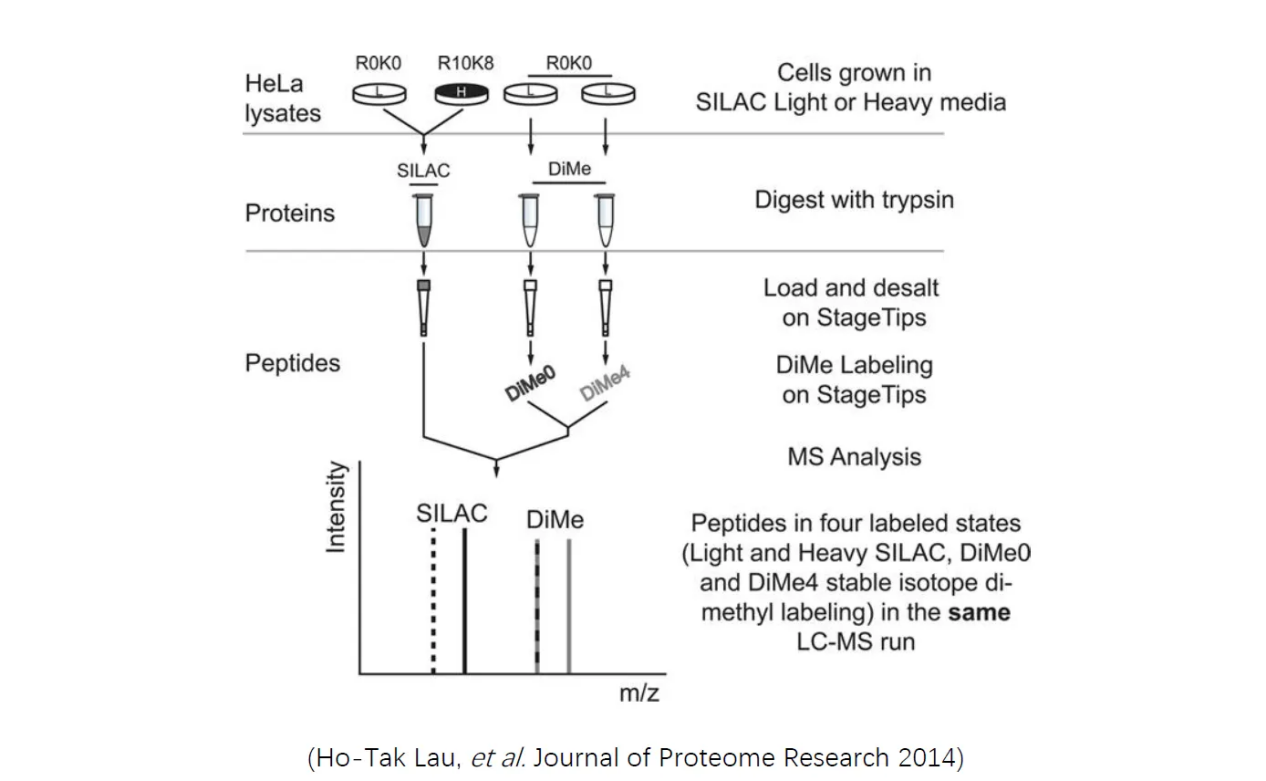
Lau, HT. et al. J Proteome Res. 2014.
Figure 1. Comparison of SILAC and Dimethyl Labeling Methods
Choose the Right Quantitative Proteomics Workflow
|
Strategy |
Research Scenario |
Advantage |
|
SILAC Quantitative Proteomics |
Suitable for cultured cell studies where stable isotope-labeled cells are prepared in advance. Commonly applied to compare protein expression changes under different cellular conditions, including drug treatment, gene regulation, and pathway-related studies. |
Provides isotope labeling-based relative quantification. Samples can be mixed before protein extraction, reducing technical variation and improving quantitative reproducibility. |
|
Dimethyl Labeling Quantitative Proteomics |
Suitable for comparative proteomics studies involving diverse biological samples that cannot undergo metabolic labeling, including tissues, serum/plasma, cell lysates, and other protein samples. |
Enables flexible peptide-level chemical labeling-based relative quantification across various sample types. |
For projects involving a larger number of experimental groups, more samples, or complex multiplex study designs, alternative quantitative proteomics strategies may be considered. For example, TMT-based Quantitative Proteomics enables multiplexed comparison of multiple samples through isobaric labeling, improving analytical efficiency for large-scale quantitative studies.
Analysis Workflow
1. Sample Preparation and Peptide Generation
Samples are evaluated based on labeling information, sample type, and experimental design. Proteins are extracted, quantified, digested into peptides, and prepared for LC-MS/MS analysis.
2. LC-MS/MS Data Acquisition
Labeled peptide samples are analyzed using high-resolution LC-MS/MS to obtain peptide identification information and quantitative signals from different experimental groups.
3. Protein Identification and Relative Quantification
Raw mass spectrometry data are processed against appropriate protein databases for peptide and protein identification. Relative protein abundance changes are calculated based on labeled peptide signal ratios.
4. Bioinformatics Analysis and Data Delivery
Quantitative results are further analyzed through functional annotation, pathway enrichment analysis, and protein interaction analysis to support biological interpretation.
Service Advantages
1. High-Resolution Mass Spectrometry Acquisition
Based on high-resolution Orbitrap mass spectrometry platforms and DDA acquisition, this service supports deep protein identification (>6,000 proteins) with high mass accuracy (<5 ppm), providing reliable data quality for protein identification and relative quantification.
2. Optimized Peptide Fractionation Strategy
To reduce the impact of highly abundant peptides on low-abundance protein detection in complex samples, high-pH reversed-phase fractionation can be applied to reduce peptide complexity. Combined with optimized LC-MS/MS acquisition strategies, this approach improves protein identification depth and quantitative reproducibility.
3. Flexible Database Strategies
Proteomics data are processed using professional proteomics software and UniProt reference databases. Custom database searching is also supported for both commonly studied species and specialized research systems.
Applications
1. Drug Response Studies
Analyze protein expression changes following drug treatment to investigate cellular response mechanisms.
2. Gene Regulation Studies
Characterize protein changes associated with gene knockdown, knockout, or overexpression models.
3. Cellular Signaling Research
Integrate quantitative proteomics with functional enrichment analysis to investigate biological processes and signaling pathways associated with protein changes.
4. Comparative Proteomics Studies
Support protein expression comparisons across different treatment groups, biological conditions, or experimental models.
Sample Submission Requirements
|
SILAC Quantitative Proteomics |
Dimethyl Labeling Quantitative Proteomics |
|
|
Accepted Sample Types |
SILAC-labeled cell pellets, labeled cell lysates, and labeled cell lysate gel bands. Reference database information should be provided. |
Dimethyl-labeled peptide samples. Reference database information should be provided. |
|
Recommended Sample Requirements |
Cell pellets or protein solutions: recommended total protein amount ≥20 μg, protein concentration ≥0.5 μg/μL. Gel bands should be visibly detectable and sufficient for protein extraction and MS analysis. |
Total peptide amount ≥20 μg, recommended peptide concentration ≥0.5 μg/μL. |
|
Storage and Shipping Requirements |
Cell pellets: flash frozen in liquid nitrogen and shipped on dry ice. Protein solutions: shipped on dry ice and avoid repeated freeze-thaw cycles. Gel bands: may be shipped at room temperature or with ice packs depending on conditions. Avoid high concentrations of detergents such as SDS (recommended SDS concentration <0.1%). |
Peptide dry powder: can be shipped at room temperature or with ice packs. Peptide solutions should avoid high salt and detergent conditions. Desalting may be required before MS analysis if necessary. |
|
Samples Not Suitable for Analysis |
Cell samples without completed SILAC labeling cannot be directly used for quantitative analysis. Severely degraded samples or samples containing high salt or detergent residues are not recommended. |
Peptide samples without completed Dimethyl Labeling cannot be directly analyzed using this workflow. For projects requiring large-scale multiplex comparisons or complex experimental designs, TMT-based Quantitative Proteomics may be more suitable. |
Deliverables
1. Raw Mass Spectrometry Data Files
2. Protein and Peptide Identification Results
3. Basic Proteomics Analysis Report
FAQs
Q1: Does MtoZ provide SILAC cell labeling and culture services?
Currently, the service mainly accepts customer-provided SILAC-labeled cell samples. Stable isotope labeling and cell culture services are not included.
Q2: Does MtoZ provide Dimethyl Labeling services?
Currently, the service mainly accepts customer-provided Dimethyl-labeled peptide samples and provides subsequent LC-MS/MS analysis and data processing.
Q3: How long does a SILAC/Dimethyl quantitative proteomics project usually take?
The typical turnaround time for SILAC/Dimethyl quantitative proteomics projects is approximately 3–4 weeks after sample receipt and project confirmation. The actual timeline may vary depending on sample preparation requirements, sample quality, experimental design, and instrument scheduling.
Start Your Quantitative Proteomics Project
Need assistance evaluating a SILAC or Dimethyl Labeling experimental design, or confirming whether your labeled samples are suitable for mass spectrometry analysis?
Contact us to receive quantitative proteomics recommendations tailored to your sample type, experimental design, and research objectives.
MtoZ Biolabs, an integrated chromatography and mass spectrometry (MS) services provider.
Related Services
SILAC (Stable Isotope Labeling by Amino Acids in Cell Culture)-Based Quantitative Service
Demo for SILAC/Dimethyl Quantitative Proteomics Service
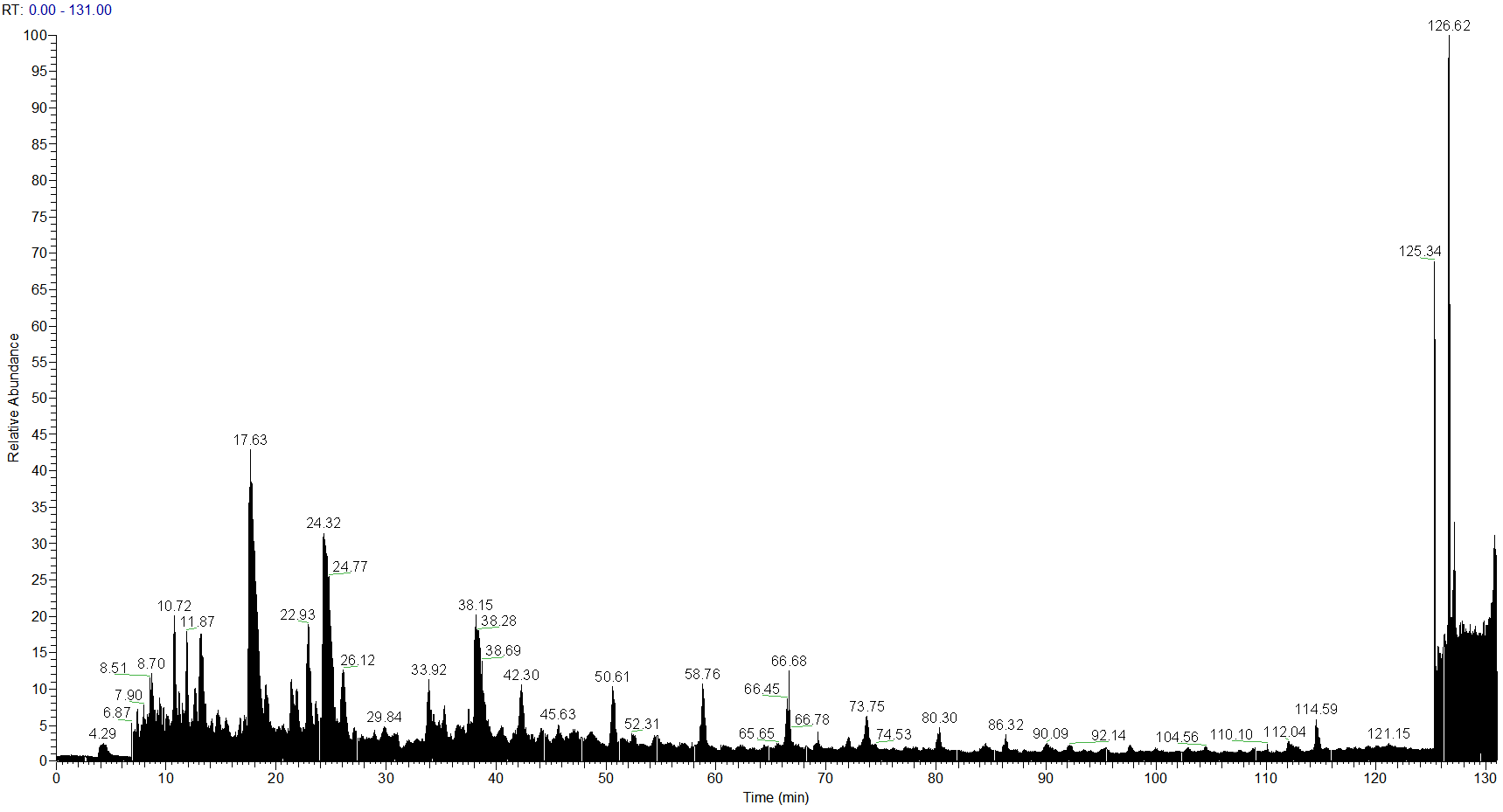
Total Ion Chromatogram
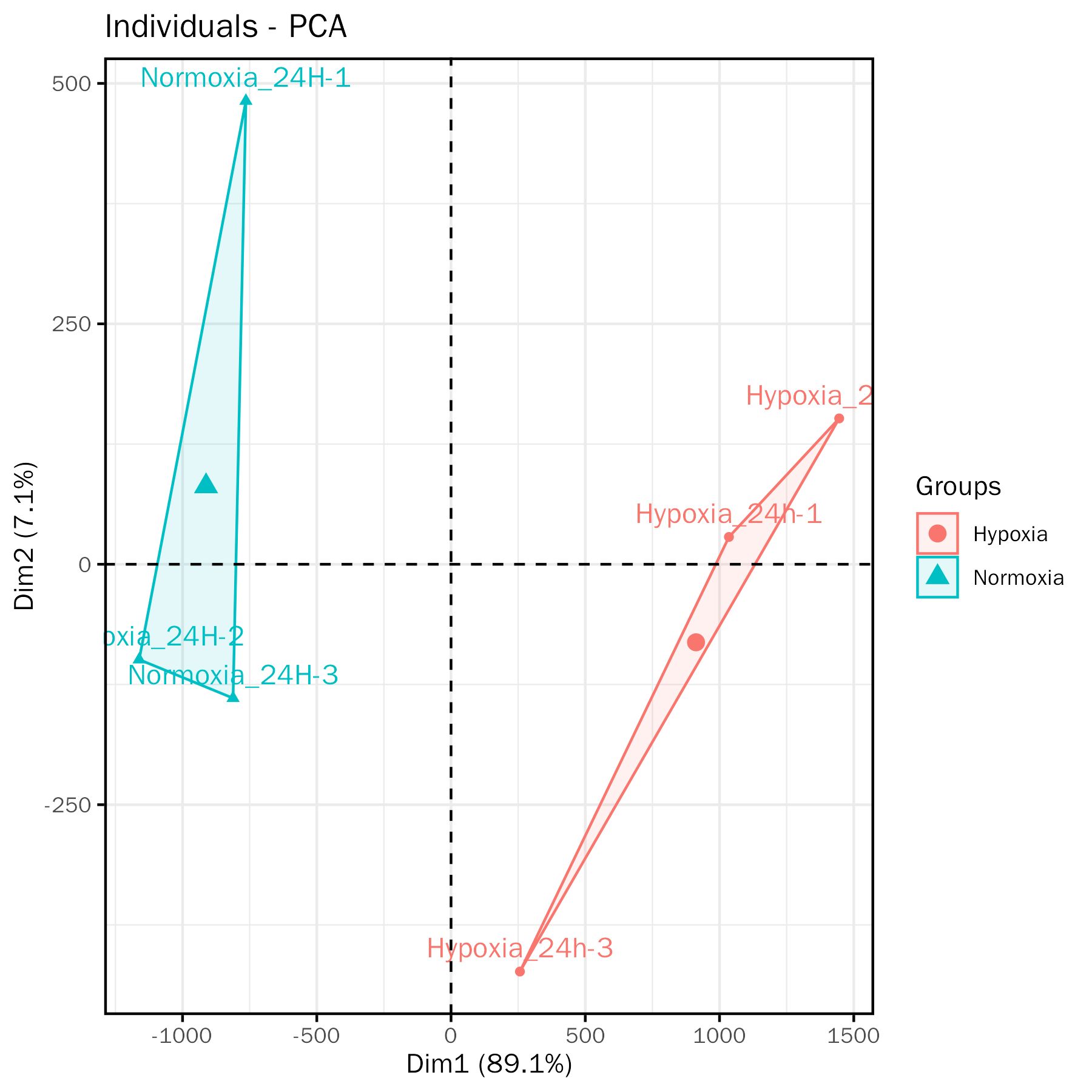
PCA Plot of Sample Grouping
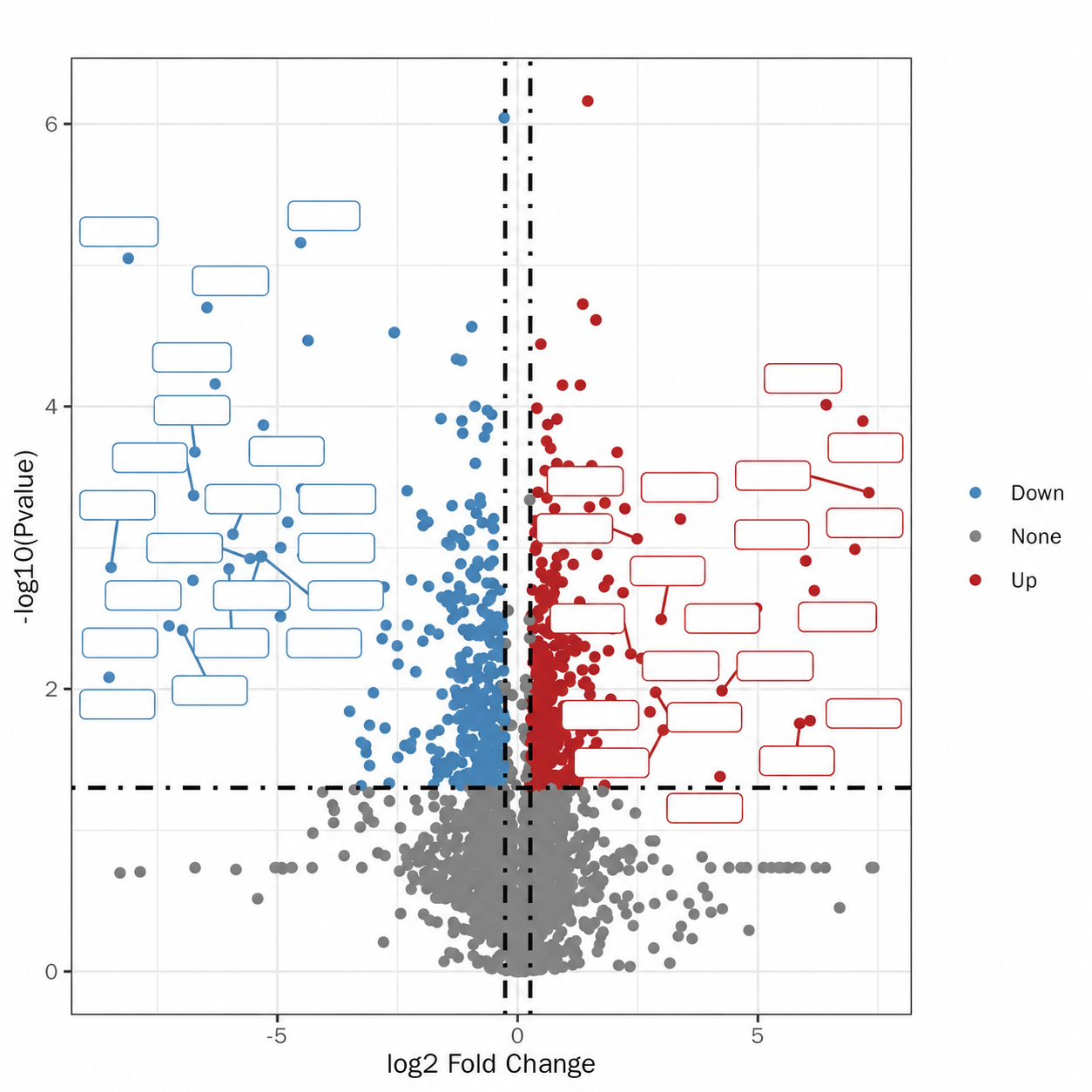
Volcano Plot of Differential Proteins