






Resources
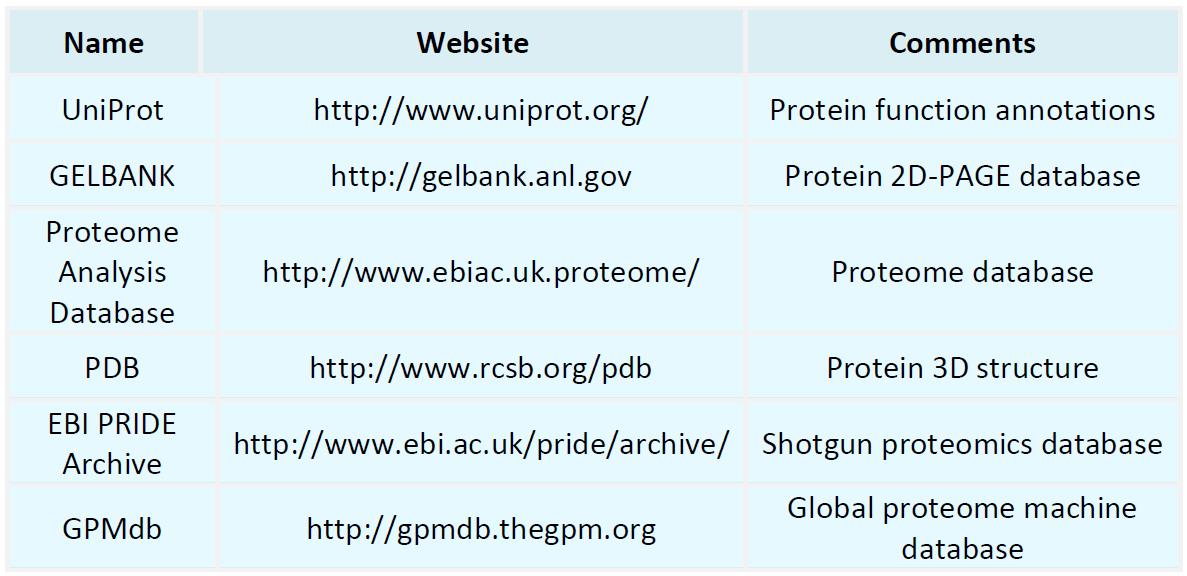
Proteomics Databases
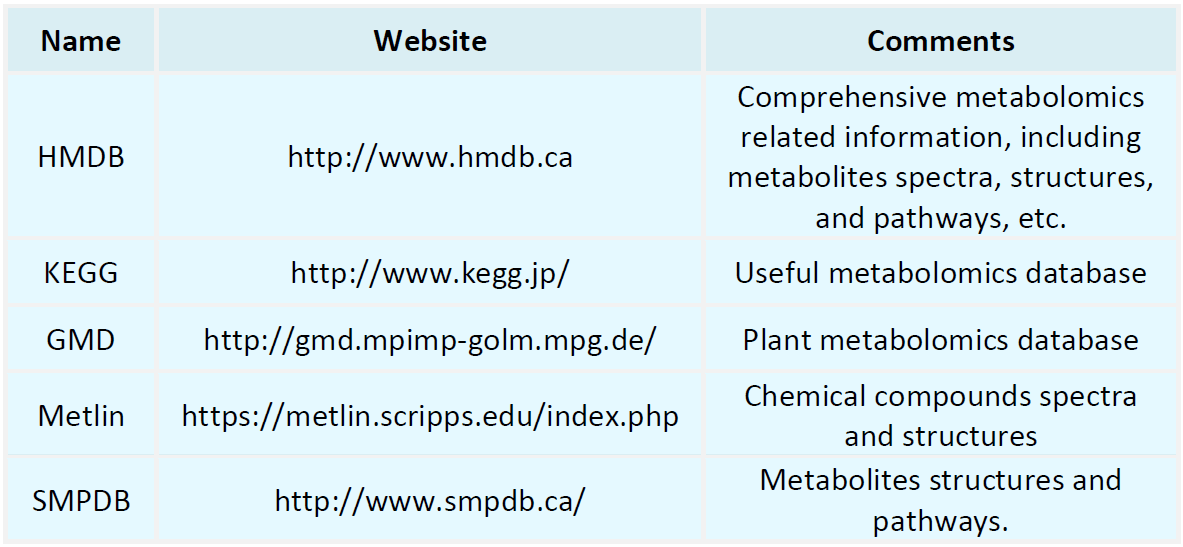
Metabolomics Databases
-
• Workflow of PCR Based Antibody Sequencing
PCR-based antibody sequencing (PCR-Seq) has emerged as a sophisticated technique for studying antibody diversity and functionality.
-
• Principle of PCR Based Antibody Sequencing
Antibodies are highly specific and diverse proteins widely utilized in biomedical research, diagnostics, and therapy. PCR-based antibody sequencing is esteemed for its efficiency, sensitivity, and accuracy.
-
• Advantages and Disadvantages of PCR Based Antibody Sequencing
PCR-based antibody sequencing technology not only reveals antibody diversity and specificity but also provides robust support for antibody engineering, immune repertoire analysis, and more.
-
• Mechanism of De Novo Protein Sequencing
De Novo Protein Sequencing is a method for protein sequence analysis that does not rely on existing databases.
-
• Workflow of De Novo Protein Sequencing
Proteins are the main functional molecules within organisms, and their amino acid sequences determine their three-dimensional structures and biological functions. Therefore, deciphering the amino acid sequences of proteins is crucial for understanding their functions.
-
• Application of De Novo Protein Sequencing
De novo protein sequencing does not depend on databases and can directly decode unknown protein sequences.
-
• Advantages and Disadvantages of De Novo Protein Sequencing
Traditional protein sequencing methods primarily rely on existing protein databases for matching and identification, but these methods have significant limitations for proteins and antibodies with unknown sequences.
-
• Principle of De Novo Protein Sequencing
Generally, there are two methods for protein sequence analysis: database search and de novo sequencing. The database search method identifies proteins by measuring peptide mass and comparing it to available protein databases.
-
• Circular Dichroism Analysis of Antibody Drug
Antibody drugs, including monoclonal antibodies and polyclonal antibodies, are a category of drugs that use antibody molecules for the treatment of diseases. They are widely used in the treatment of various diseases such as cancer, infectious diseases, and autoimmune diseases. The advantages of antibody drugs include high specificity and affinity, low toxicity and side effects, long half-life in the body, and good biocompatibility.
-
• Nuclear Magnetic Resonance Analysis of Antibody Drug
Monoclonal antibodies, artificially synthesized antibodies used to treat diseases, specifically bind to target molecules to achieve therapeutic effects. Common types of antibody drugs include monoclonal antibodies, artificially synthesized antibody fragments, immunotoxins, and antibody-drug conjugates. Antibody drugs have shown significant efficacy in treating various diseases such as cancer, autoimmune diseases, inflammatory diseases, immune regulation, and ophthalmic diseases.
How to order?




