






How Much Does Protein Sequencing Cost? Key Factors That Affect Project Design
Introduction
Researchers planning protein sequencing often ask for a single price before the sample details are clear. That question is understandable. Grant budgets, vendor comparisons, and internal QC timelines all depend on cost predictability. However, protein sequencing is rarely sold as a one-size-fits-all assay. The price depends on which method is needed, how clean the sample is, how much sequence coverage must be documented, and how much manual interpretation and validation are included in the final report.
A terminal confirmation on a purified biologic is a different project from database-assisted construct verification, de novo recovery of an unknown band, or full-length antibody assembly. Treating these projects as equivalent leads to under-budgeting, repeated sample submission, or disappointment when the deliverable does not match the biological decision. The better question is not only "How much does protein sequencing cost?" but "Which cost drivers apply to this study, and what level of sequence evidence does the project actually require?"
Related Services
| Research Need | Recommended Service Direction |
|---|---|
| MS-based protein sequence confirmation | |
| Full-length sequence recovery | |
| Terminal sequence confirmation | / |
| Sequence without reliable database match | |
| Antibody sequence recovery |
For projects where method choice, sample quality, or reporting depth is still undefined, MtoZ Biolabs can help scope requirements and provide a project-based quote before sample submission.
Why Protein Sequencing Quotes Vary
Unlike routine protein identification, sequencing projects often include targeted sample handling, method-specific preparation, selective MS/MS acquisition, manual spectrum review, and sequence assembly or reporting. These steps add scientific value, but they also make pricing project-specific. Two samples that look similar on a gel can differ sharply in cost if one needs N-terminal confirmation and the other needs full-chain overlap coverage with annotated reporting.
Quotes also vary because deliverables differ. Some teams need a short confirmed region. Others need a publication-ready sequence map, annotated spectra, ambiguity flags, and recommendations for follow-up validation. A lower-cost option that excludes manual review may fit exploratory work. A higher-cost option with expert interpretation is often necessary for antibody development, clone design, or biopharmaceutical documentation.
Key Cost Factors to Evaluate Before Starting
The most important pricing drivers can be grouped into five categories. Understanding them helps researchers compare proposals fairly and avoid paying for unnecessary depth or, worse, underfunding a project that requires stronger evidence.
1. Sample Type and Purity
Purified protein, enriched gel band, antibody chain fraction, or complex mixture each changes preparation effort. Cleaner input reduces repeat runs and interpretation time. Heavy contamination or low protein amount can increase fractionation, repeat digestion, and MS acquisition time.
2. Method Choice
Edman sequencing, database-assisted LC-MS/MS, de novo sequencing, and full-length assembly differ in sample demand, instrument time, and interpretation burden. Choosing the wrong method path can increase total cost through repeat analysis.
3. Coverage Depth
Terminal confirmation costs less than regional peptide mapping, domain coverage, or full-length assembly. Coverage depth is usually the largest scientific driver of project scope and therefore budget.
4. MS Acquisition and Interpretation Time
More LC-MS/MS time, complementary enzyme digests, replicate runs, and manual review improve confidence but increase cost. Complex or low-abundance samples often need more acquisition and expert analysis than a single enriched band.
5. Reporting and Validation
Annotated spectra, overlap maps, confidence flags, and validation recommendations add value for high-stakes decisions. Optional orthogonal confirmation planning can also affect the final quote.
Cost Factor Planning Guide
The table below translates common project variables into planning decisions. It is a budgeting guide, not a fixed price list.
| Cost Factor | What Usually Changes | Budget Implication |
|---|---|---|
| Sample purity | Preparation time, repeat digestion, fractionation need | Complex mixtures often cost more than purified targets |
| Method path | Edman, database-assisted MS, de novo, or full-length workflow | Reference-free and full-length routes usually cost more than terminal or construct-matched QC |
| Coverage depth | Terminal segment, regional map, domain, or full-chain claim | Broader coverage increases MS time and interpretation |
| Input amount | Room for replicate MS and repeat enzyme digests | Limited sample may require staged design or narrower scope |
| Modifications | Digestion design and manual review complexity | Glycosylation, disulfides, or blocked termini can add analysis time |
| Reporting standard | Exploratory peptide list vs audit-ready sequence map | Higher documentation standards increase interpretation cost |
These factors should be defined before comparing vendor quotes. A quote based on "one gel band" is not comparable to a quote based on "full antibody chain assembly with overlap coverage and annotated reporting."
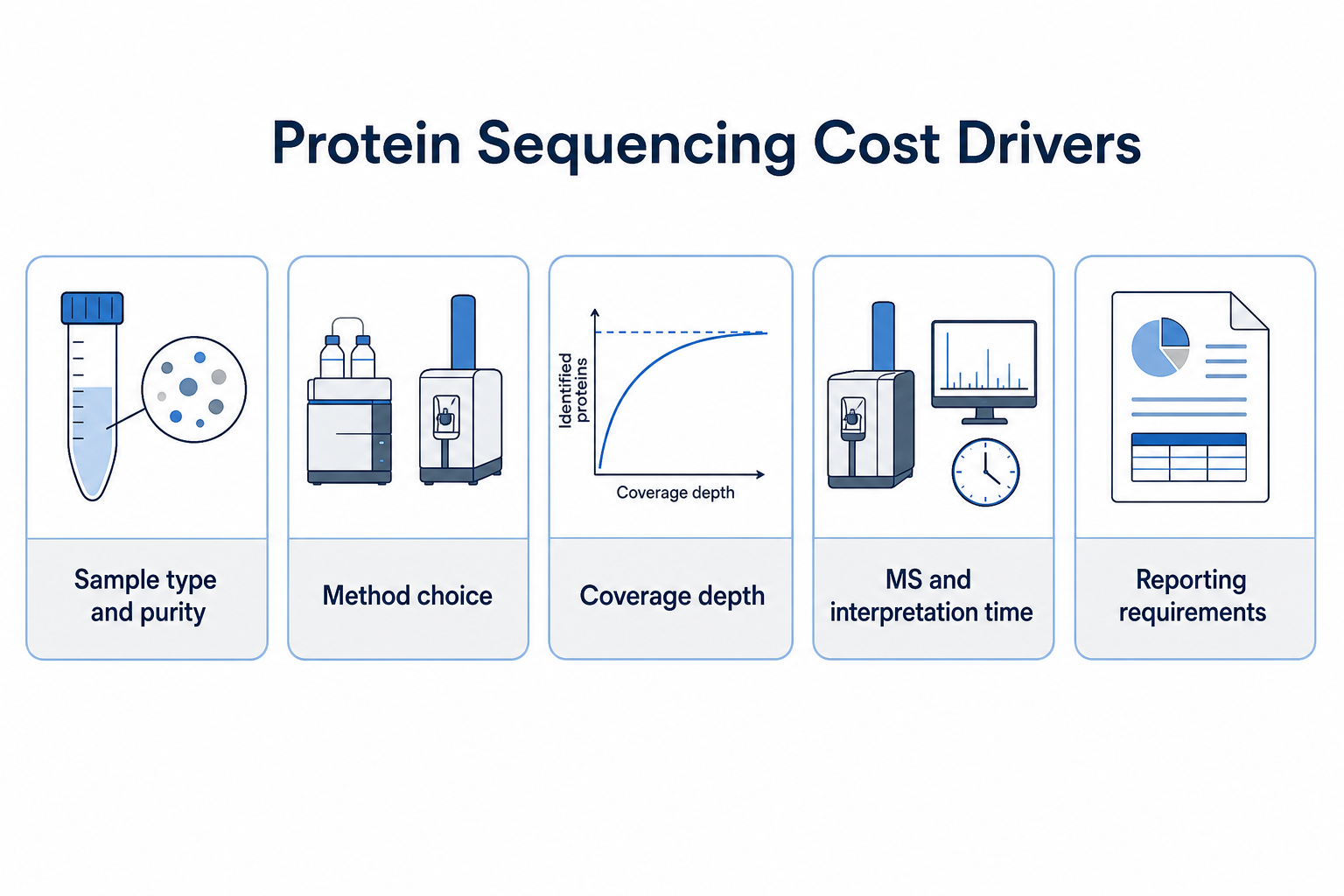
Figure 1. Main factors that influence protein sequencing cost and project design
Method selection strongly affects both feasibility and budget. Edman sequencing is often the most efficient option when only terminal evidence is required on purified material. Database-assisted LC-MS/MS is usually cost-effective when a valid reference exists and the goal is construct confirmation. De novo sequencing costs more than routine mapping when reference-free interpretation and manual review are required. Full-length protein sequencing is typically the highest-scope option because it depends on overlap design, repeat acquisition, and transparent gap reporting.
How Project Scope Changes the Budget
Project scope is the practical bridge between scientific need and price. A narrow scope can keep costs controlled. A broader scope may be necessary, but it should be chosen deliberately rather than by default.
Lower-scope projects typically include purified or enriched material, a terminal or short regional goal, limited digestion strategy, and focused MS/MS acquisition. These projects suit release testing, early feasibility checks, or targeted sequence questions when the sample is reasonably clean.
Moderate-scope projects may require database-assisted mapping across a defined domain, multiple enzymes, overlapping peptide coverage, and manual review of critical regions. They are common for recombinant construct verification, expected-sequence QC, and biosimilar comparability checks.
Higher-scope projects often involve full protein or antibody chain assembly, unknown proteins, low input amount, or reporting requirements that support cloning, publication, or regulatory documentation. These projects usually require more digestion design, more MS time, and more expert interpretation.
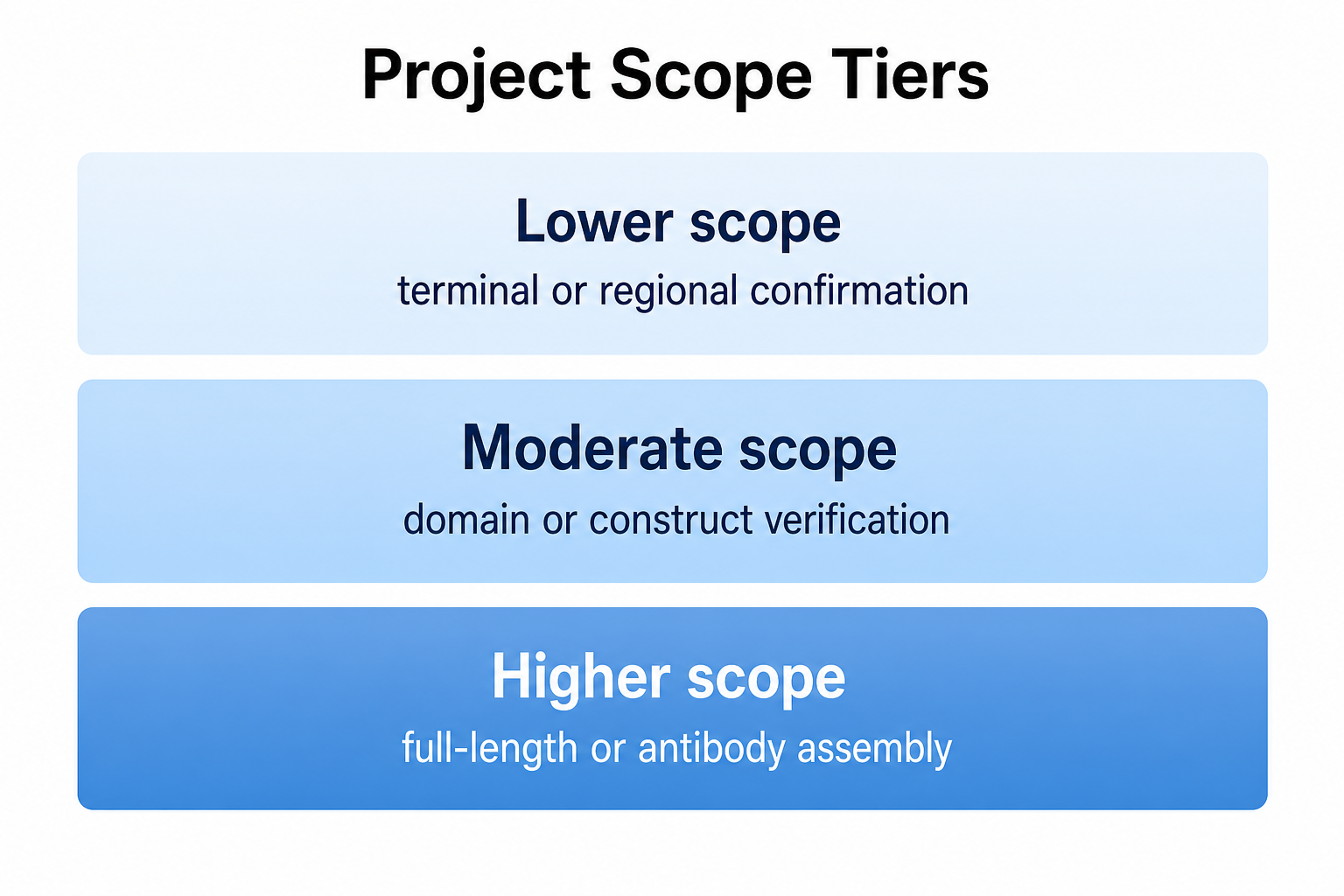
Figure 2. How project scope affects complexity and protein sequencing cost
Researchers should match budget discussions to scope tier, not sample count alone. A project priced for regional confirmation should not be expected to deliver the same evidence standard as a full-length assembly report without a scope change.
What You Are Paying For in a Quality Service
Price should be evaluated together with deliverable quality. A lower quote may exclude steps that matter for the final decision. A higher quote may reflect real value if it includes sample assessment, method selection, optimized digestion, selective MS/MS acquisition, manual review, and a report usable for downstream work.
A strong MS-based sequencing service typically provides:
• project scoping before sample submission
• sample feasibility feedback
• digestion and acquisition strategy matched to the reporting goal
• prioritized analysis of high-quality spectra
• manual review of critical sequence assignments
• clear separation of high-confidence and tentative calls
• practical recommendations for validation or follow-up experiments
These elements reduce the risk of paying twice because the first run did not produce usable sequence evidence.
Timeline and Hidden Cost Risks
Time is also a cost factor. Rush requests, repeat sample preparation, and rescuing poorly planned experiments can increase total expense more than an appropriately scoped first attempt. Common hidden cost risks include:
• submitting a complex lysate when enrichment was needed
• requesting full-length coverage without enough sample amount
• choosing database-assisted mapping when the reference may be wrong
• skipping overlap or replicate design to save upfront cost
• selecting a report format that lacks the evidence needed for downstream use
Planning the reporting goal and validation path before sample submission often saves both money and calendar time.
Information to Share Before Requesting a Quote
| Information to Provide | Why It Affects the Quote |
|---|---|
| Sample type and estimated purity | Determines preparation effort and repeat risk |
| Required coverage depth | Defines method path and MS time |
| Reference availability | Separates database-assisted QC from de novo or full-length work |
| Expected modifications or variants | Affects digestion design and manual review burden |
| Intended use of the report | Sets reporting and validation standard |
| Available sample amount | Determines feasibility of replicate MS or staged design |
The more completely these details are shared, the more accurate the initial quote and project plan will be. Vague requests such as "sequence this protein" without coverage or reporting context usually lead to quote revision after feasibility review.
How to Get a More Accurate Quote
The most reliable quotes are based on project scope rather than sample count alone. Share sample type, estimated purity, target protein information, desired coverage, method constraints, and reporting needs with the service provider. If available, a gel image, prior identification result, or expected construct sequence can help estimate digestion strategy and analysis depth.
For uncertain projects, a staged approach may be cost-effective. A pilot run on limited material can test digestion quality, spectrum usefulness, and achievable coverage before committing to full-chain assembly. This approach is especially useful for unknown proteins, difficult membrane proteins, and antibody sequencing projects with limited sample.
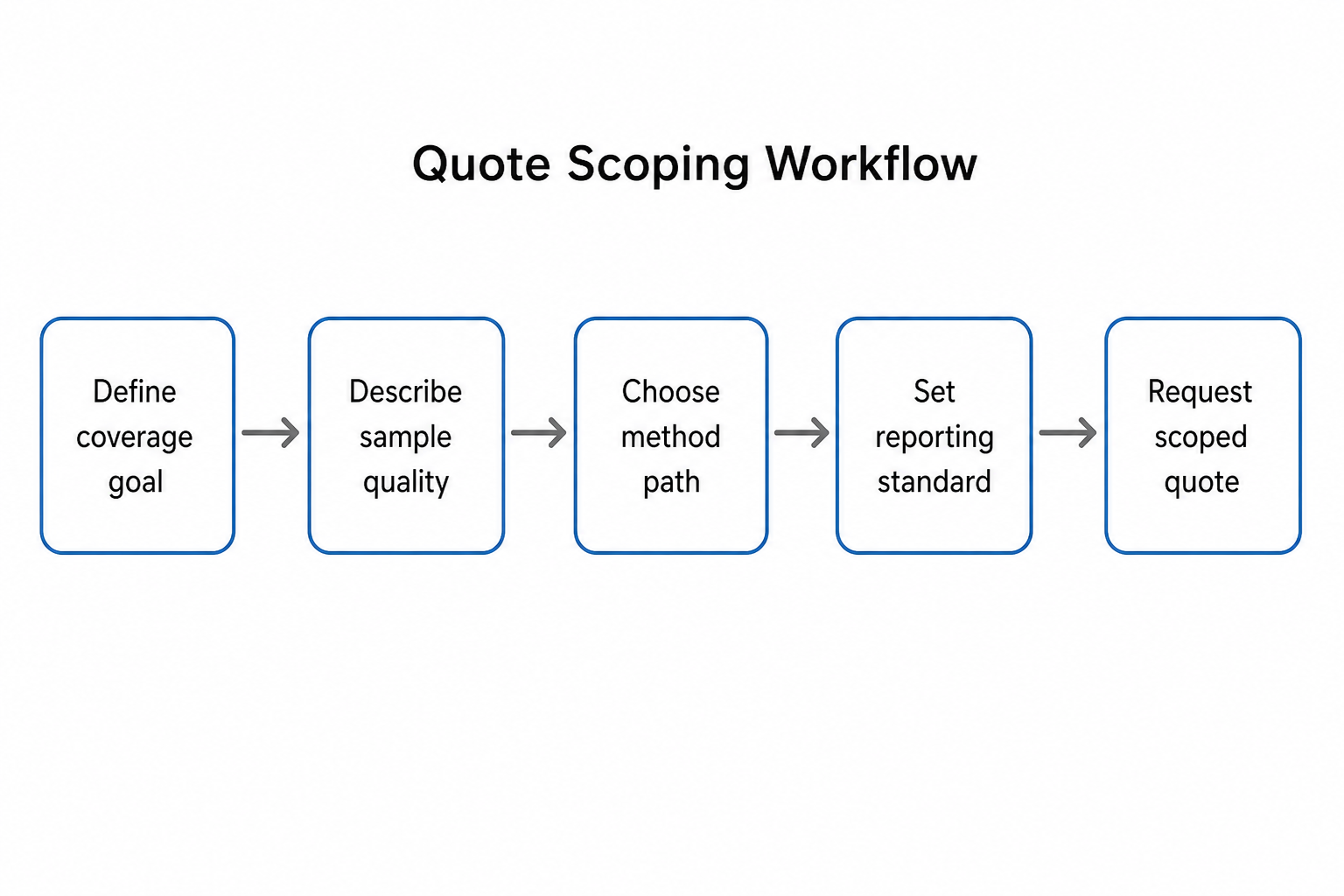
Figure 3. Workflow for scoping a protein sequencing project before quote request
A staged design can prevent overspending on full-length analysis when regional evidence would satisfy the project goal. It can also prevent underfunding a project that truly requires broader overlap coverage and expert reporting.
Frequently Asked Questions
1. Is there a standard price for protein sequencing?
No. Protein sequencing cost is usually project-based because method choice, sample type, coverage depth, MS time, and reporting requirements vary widely. Terminal confirmation and full-length antibody assembly should not be expected to cost the same.
2. What usually increases protein sequencing cost the most?
Coverage depth, sample complexity, method path, and manual interpretation burden are often the largest drivers. Full-chain assembly, low-purity samples, and audit-ready reporting typically increase cost more than instrument time alone.
3. Can I reduce cost without losing scientific value?
Yes. Define the minimum sequence evidence needed, improve sample purity, provide complete background information, and use a staged pilot when appropriate. Reducing unnecessary coverage or reporting depth can control cost if the downstream decision does not require full-chain proof.
4. Is full-length sequencing always the most expensive option?
Usually yes within MS-based workflows, because it requires broader overlap coverage, more digestion design, and more interpretation time. However, a poorly planned de novo project on a complex sample can also become expensive if scope is not controlled early.
5. What information should I send before requesting a quote?
Send sample type, amount, purity estimate, organism or expression system, target protein details, desired coverage, expected modifications or variants, method preference if known, and the intended use of the final report. These details help providers estimate preparation, MS, and interpretation effort accurately.
Conclusion
Protein sequencing cost depends on sample quality, method choice, coverage depth, MS acquisition strategy, manual interpretation, and reporting requirements. Projects with narrow sequence goals and clean samples are usually more affordable than full-chain antibody sequencing or unknown protein characterization with no reference. The most cost-effective approach is to define the reporting goal early, share complete sample information, and request a scoped quote before submission.
If you need help estimating project scope and budget for terminal, database-assisted, de novo, or full-length sequence work, contact MtoZ Biolabs to discuss MS-based protein sequencing, antibody sequencing, unknown protein analysis, or a customized sequence workflow.
How to order?




