






Plant Protein PTM Proteomics Service
MtoZ Biolabs utilizes advanced instruments and analytical platforms to provide the plant protein PTM proteomics service which enables systematic analysis of the types, sites, and distribution characteristics of post-translational modifications in plant proteins. This service is widely applied in research related to plant protein regulation and provides data support for the characterization of modification features.
Overview
Plants are important biological systems, and their proteins are extensively involved in biological processes such as growth, development, and environmental responses. Post-translational modifications of plant proteins refer to chemical modifications that occur after protein synthesis and represent a key level of regulation of protein function and activity. Conducting plant protein PTM proteomics analysis enables systematic characterization of modification types and sites, providing an important data foundation for in-depth understanding of plant protein regulatory mechanisms.
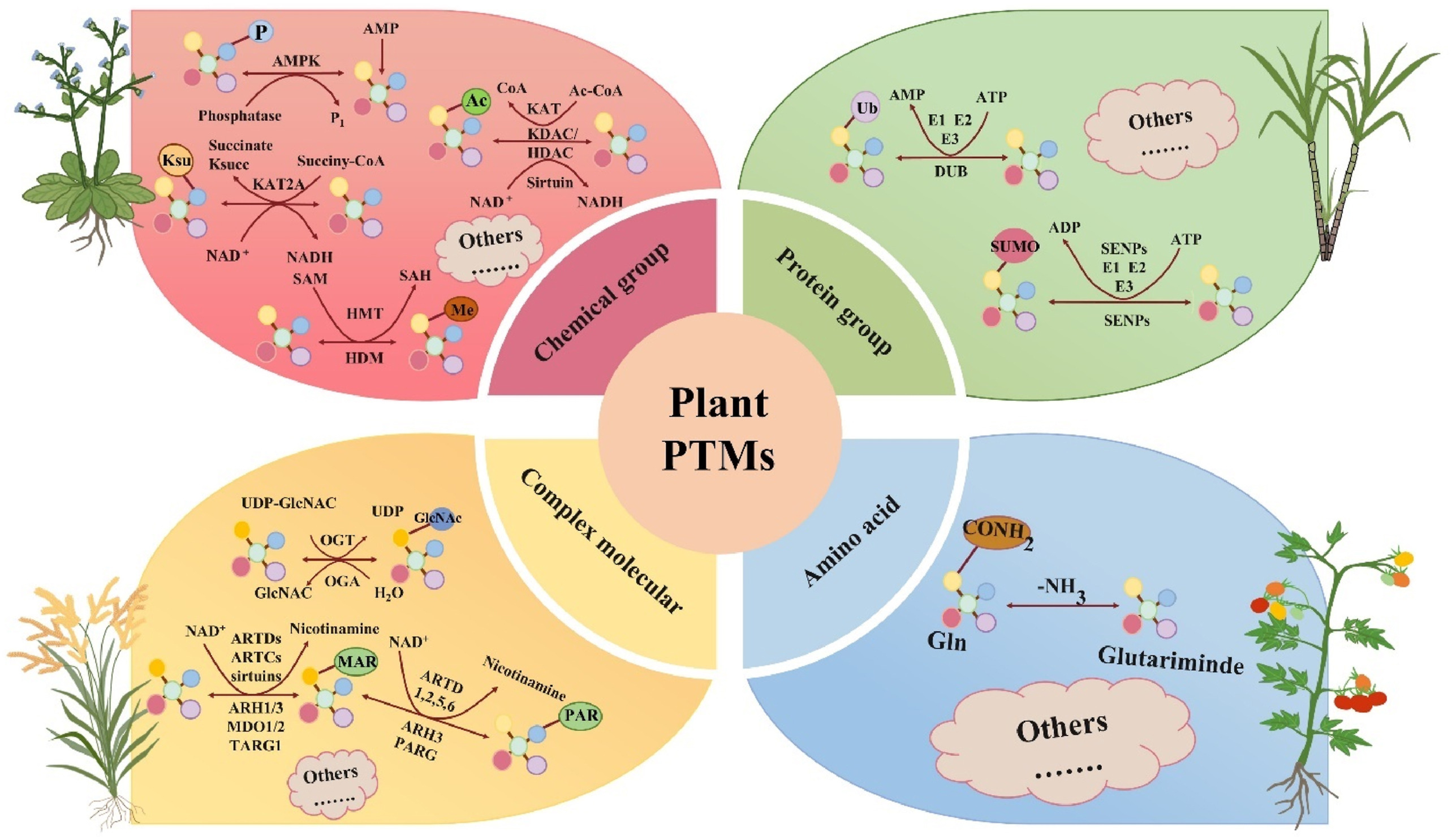
Li, Z X. et al. Horticultural Plant Journal, 2025.
Figure 1. Post-Translational Modifications during Plant Life Activities.
Plant Protein PTM Proteomics Service at MtoZ Biolabs
Based on high-resolution mass spectrometry, MtoZ Biolabs provides systematic analysis of plant protein post-translational modification (PTM) features and molecular information, offering reliable detection and analytical services.
- Identification of different types of post-translational modifications in plant proteins
- Precise localization of protein modification sites and their distribution characteristics
- Comparison of plant protein modification differences across different samples or conditions
- Acquisition of global profiling information at the plant protein modification level
Our analysis provides a clear perspective for comprehensively understanding the regulatory characteristics of plant protein post-translational modifications, enabling researchers to gain deeper insights into the molecular basis of plant protein functional regulation.
Common Types of Post-Translational Modifications of Plant Proteins
|
|
Workflow of Plant Protein PTM Proteomics Service
1. Sample Processing and Protein Extraction
Plant tissues are pretreated and total proteins are extracted to ensure protein integrity and PTM stability, providing a reliable basis for analysis.
2. Protein Digestion and Modified Peptide Enrichment
Proteins are digested into peptides, and post-translationally modified peptides are enriched to improve analytical sensitivity and accuracy.
3. Mass Spectrometry Detection
Modified peptides are analyzed using high-resolution LC-MS/MS platforms to obtain detailed mass spectrometry data, providing precise support for PTM analysis.
4. Modification Site Identification and Analysis
Mass spectrometry data are interpreted to identify PTM types and sites in plant proteins, revealing the effects of modifications on protein function.
5. Data Processing and Result Reporting
Analytical data are organized to generate standardized reports, comprehensively presenting PTM types and related functional characteristics.
Why Choose MtoZ Biolabs?
✅ High Accuracy: High-resolution mass spectrometry technology enables accurate identification of post-translational modifications in plant proteins.
✅ Comprehensive Coverage: Covers multiple types and sites of post-translational modifications in plant proteins.
✅ High Sensitivity: Enables detection of low-abundance post-translationally modified proteins to support comprehensive analysis.
✅ Customized Plans: Provides tailored analysis services according to different research needs.
✅ Reliable Data: Standardized experimental workflows ensure data consistency and accuracy.
Applications of Plant Protein PTM Proteomics Service
1. Plant Protein Function Research
By analyzing post-translational modifications of plant proteins, this approach helps investigate their roles in regulating protein function, activity, and stability.
2. Plant Stress Response Analysis
Examines changes in post-translational modifications of proteins under different environmental stress conditions, revealing mechanisms of plant adaptation.
3. Plant Developmental Process Research
Analyzes modification changes of plant proteins at different developmental stages to explore their roles in growth and development.
4. Metabolic Regulation Research
Investigates post-translational modification features of plant proteins involved in metabolic pathways, supporting understanding of their roles in energy conversion.
FAQ
Q1: What types of samples are suitable?
A1: This service is suitable for plant samples with clear sources and stable conditions, commonly including leaves, roots, stems, and other plant tissues rich in proteins. Samples should be suitable for protein extraction, ensuring high-purity proteins and maintaining protein integrity and modification stability.
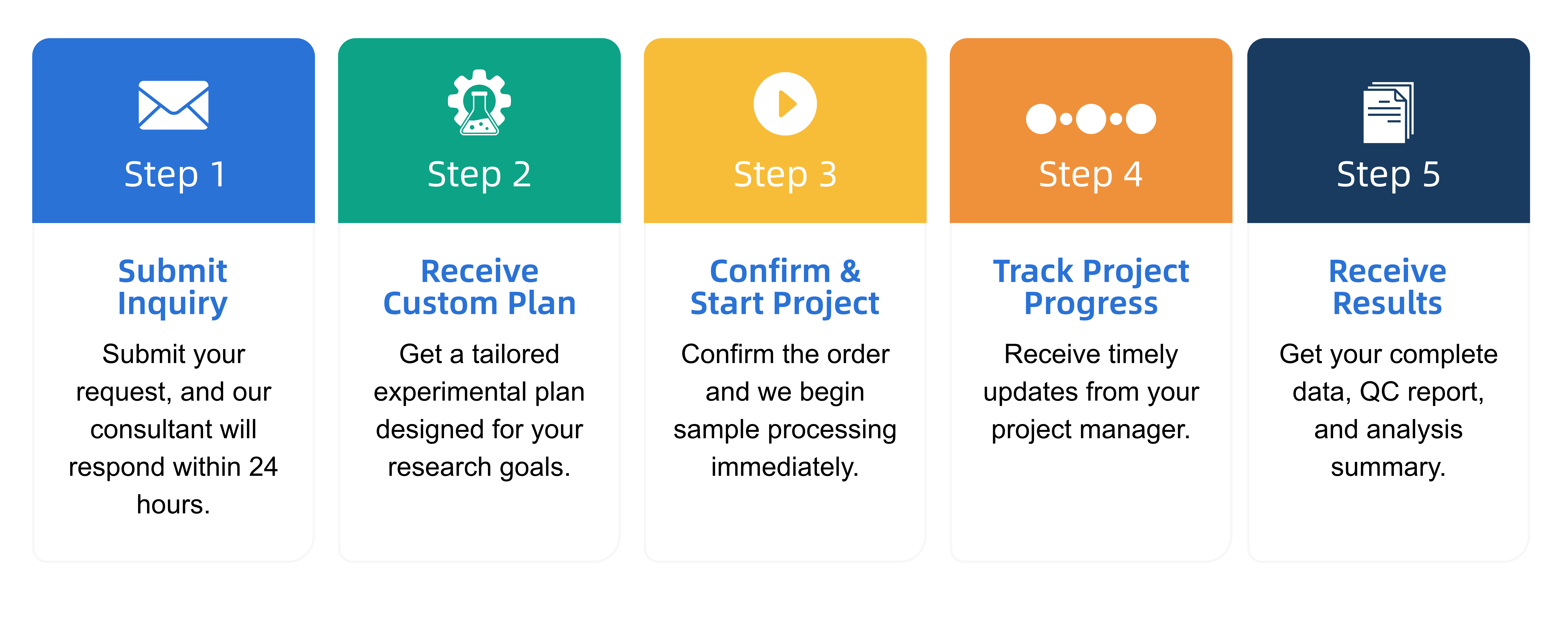
Q2: What is the service general workflow?
A2:
Q3: What data formats are provided?
A3: MtoZ Biolabs provides standardized data delivery formats, typically including:
- Plant protein post-translational modification identification results table (Excel or CSV format)
- Raw mass spectrometry data files (e.g., RAW, mzML, etc.)
- Data visualization charts
- Comprehensive analysis report
If special analytical requirements exist, data formats can be customized according to project specifications.
Q4: How should I prepare the samples?
A4: Sample preparation recommendations are as follows:
(1) Sample Quality: Ensure plant tissues are fresh and free from degradation or contamination.
(2) Sample Storage: Short-term storage at low temperatures is acceptable, but for long-term storage, we recommend -80℃ to avoid repeated freeze-thaw cycles.
(3) Sample Transport: Samples should be transported under low-temperature conditions using ice packs or dry ice to maintain stability.
(4) Additional Information: Provide sample source, treatment methods, and research objectives to help optimize the proteomics analysis plan.
For more information, please refer to Sample Submission Guidelines for Proteomics, Sample Submission Guidelines for Metabolomics.
Start Your Project with MtoZ Biolabs
Contact us to discuss your experimental design or request a quote. Whether you are conducting post-translational modification detection of plant proteins or analyzing modification changes under different conditions, MtoZ Biolabs can provide you with accurate detection and analysis services.
How to order?




