






Plant SUMO Proteomics Service
MtoZ Biolabs provides Plant SUMO Proteomics Service to enable systematic identification and characterization of SUMOylated proteins in plant systems. This service is designed to help researchers investigate SUMO-mediated protein regulation across different plant tissues, developmental stages, and experimental conditions.
SUMOylation is a reversible post-translational modification in which Small Ubiquitin-like Modifier proteins are covalently attached to target proteins, thereby influencing protein stability, subcellular localization, activity, and protein-protein interactions. In plants, SUMOylation plays a critical role in stress responses, hormone signaling, transcriptional regulation, and developmental processes. However, SUMO-modified proteins are often low in abundance and highly dynamic, which makes direct detection challenging.
Plant SUMO proteomics relies on selective enrichment of SUMOylated proteins or peptides prior to mass spectrometry analysis. MtoZ Biolabs applies optimized SUMO enrichment strategies specifically adapted for plant samples, combined with high-resolution LC-MS/MS analysis and standardized data processing workflows. This integrated approach enables reliable detection of SUMO-modified proteins and supports comparative analysis of SUMOylation dynamics across biological conditions.
Plant SUMO Proteomics Service at MtoZ Biolabs
MtoZ Biolabs offers flexible Plant SUMO Proteomics solutions tailored to different research objectives. Our service scope includes:
-
Global identification of SUMOylated proteins in plant samples
-
Comparative SUMO proteomics across treatments, genotypes, or environmental conditions
-
Targeted analysis of SUMOylation on proteins or pathways of interest
-
Functional annotation and pathway enrichment analysis of SUMO-modified proteins
-
Customized experimental design based on plant species, tissue type, and study goals
Supported sample types include leaves, roots, stems, seedlings, reproductive tissues, and plant cell culture-derived materials.
Workflow of Plant SUMO Proteomics Service
1. Sample Collection and Handling
Plant tissues are collected and processed under controlled conditions to minimize deSUMOylation and preserve native SUMO conjugation. Sample handling protocols are adapted to plant-specific biochemical characteristics.
2. Protein Extraction and SUMO Preservation
Proteins are extracted using optimized lysis conditions designed to maintain SUMO modifications and reduce enzymatic loss during sample preparation.
3. Selective SUMO Enrichment
SUMOylated proteins or peptides are selectively enriched using SUMO-specific affinity strategies compatible with plant samples, enabling effective isolation of low-abundance SUMO-modified species.
4. LC-MS/MS Analysis
Enriched samples are enzymatically digested and analyzed by nano-liquid chromatography coupled with high-resolution tandem mass spectrometry for sensitive and confident identification of SUMO-modified proteins.
5. Data Processing and Bioinformatics Analysis
Mass spectrometry data are processed using validated proteomics software for protein identification, comparative analysis, and statistical evaluation. Downstream bioinformatics includes functional annotation, pathway enrichment, and condition-specific SUMOylation profiling.
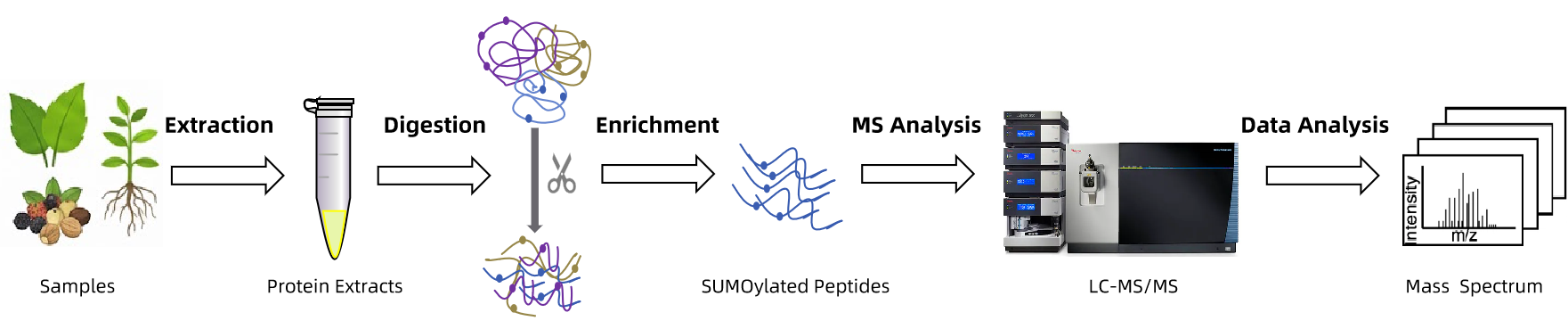
Figure 1. Workflow of Plant SUMO Proteomics
What Could be Included in the Report?
1. Comprehensive Experimental Details
2. Materials, Instruments, and Methods
3. Total Ion Chromatogram & Quality Control Assessment
4. Data Analysis, Preprocessing, and Estimation
5. Bioinformatics Analysis
6. Raw Data Files
Start Your Project with MtoZ Biolabs
MtoZ Biolabs delivers robust and scalable Plant SUMO Proteomics Service to support mechanistic studies of protein regulation in plant systems. Contact us to discuss your research goals or request a customized SUMO proteomics strategy tailored to your project.
FAQ
Q1: How should I prepare my samples?
Samples should be collected under clean conditions and processed as quickly as possible. If immediate processing is not feasible, samples should be rapidly frozen and stored at -80°C. Avoid prolonged handling or conditions that may disrupt SUMO modifications.
For more information, please refer to Sample Submission Guidelines for Proteomics. If you are unsure about sample preparation, our team is available for consultation and can guide you through the process to ensure optimal results.
Q2: What is the service general workflow?
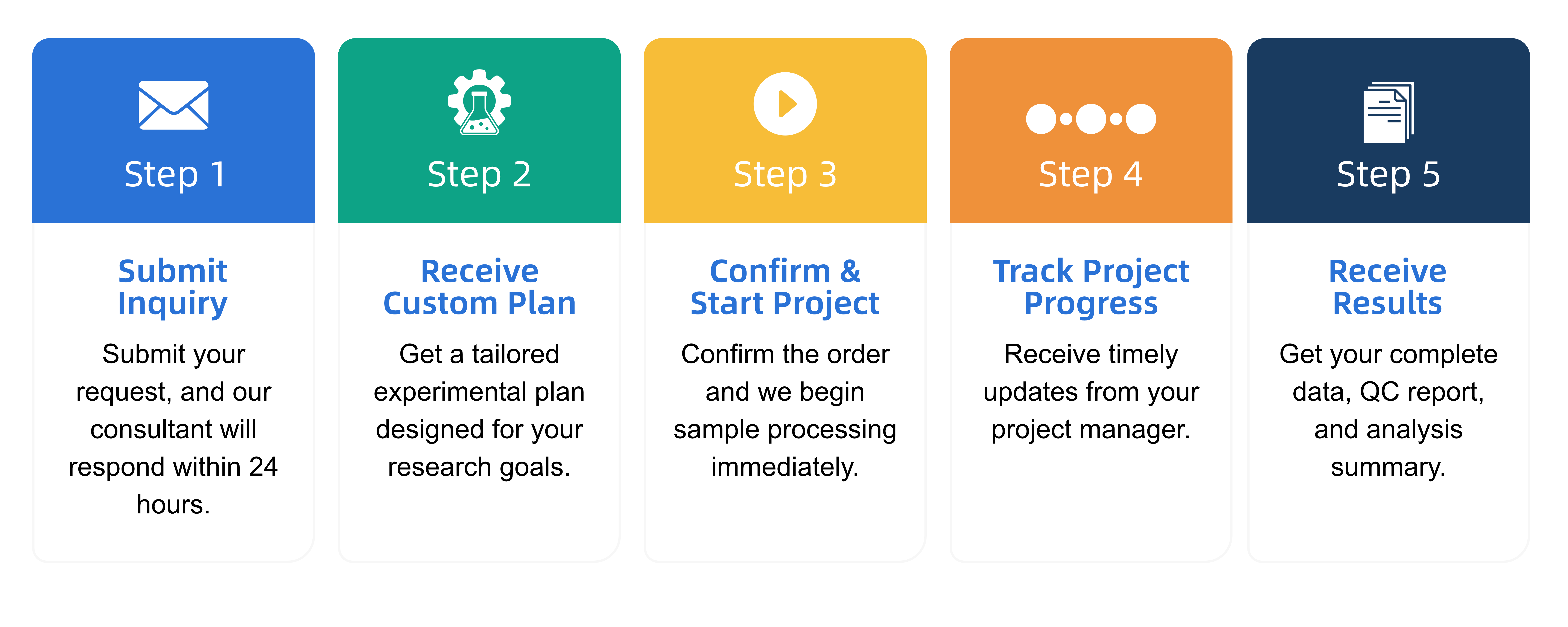
How to order?




