






Plant Ubiquitinated Proteomics Analysis Service
MtoZ Biolabs employs high-resolution mass spectrometry platforms to provide the plant ubiquitinated proteomics analysis service which enables systematic analysis of ubiquitinated proteins and ubiquitination modification features in plant samples. This service is applicable to studies of plant growth, development, and stress responses, providing data support for ubiquitination-related regulatory analyses.
What Is Ubiquitination?
Ubiquitination is a post-translational modification in which ubiquitin molecules are covalently attached to target proteins, thereby regulating their stability, localization, and function. Plant ubiquitinated proteomics systematically identifies ubiquitinated proteins and modification sites, elucidating their dynamic changes in protein degradation, signal regulation, and stress responses, and is of great importance for understanding plant protein homeostasis and regulatory networks. This approach is widely applied in studies of plant growth and development, stress responses, signal transduction, and functional gene research.
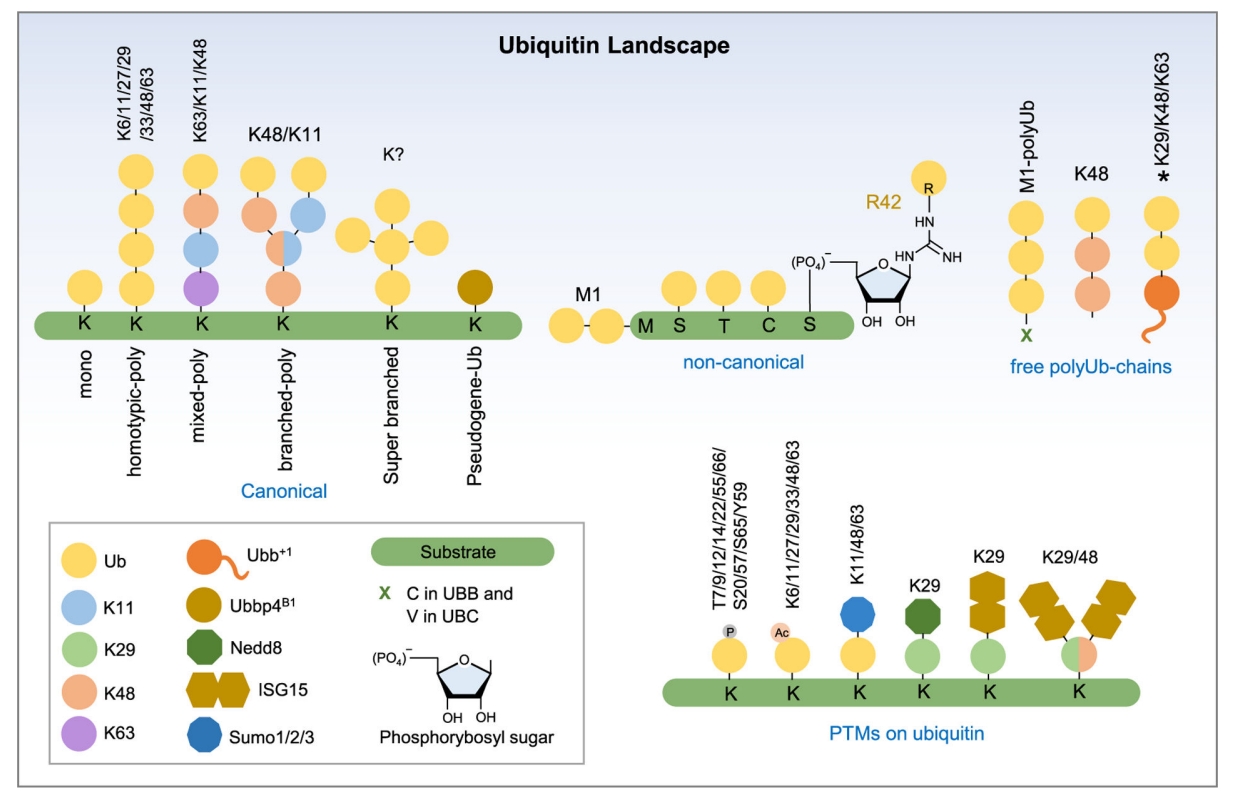
Sahu, I. et al. BBA - Gene Regulatory Mechanisms, 2023.
Figure 1. Types of Protein Ubiquitination.
Plant Ubiquitinated Proteomics Analysis Service at MtoZ Biolabs
MtoZ Biolabs leverages high-resolution mass spectrometry-based proteomics combined with ubiquitination enrichment strategies to systematically characterize ubiquitinated proteins and their modification features in plant samples.
- Identification of ubiquitinated proteins and corresponding modification sites in plant samples
- Analysis of changes in ubiquitination levels under different treatments or conditions
- Support for quantitative comparison and differential analysis of plant ubiquitinated proteins
- Assistance in elucidating the roles of ubiquitination in protein homeostasis and regulatory processes
This analysis provides important insights into plant ubiquitination regulatory networks and their dynamic changes, helping researchers gain a deeper understanding of related biological processes and regulatory mechanisms.
Workflow of Plant Ubiquitinated Proteomics Analysis Service
1. Sample Processing and Protein Extraction
Plant tissues or cell samples are processed to extract total proteins while preserving the stability of ubiquitination modifications.
2. Ubiquitinated Peptide Enrichment
Selective enrichment strategies targeting ubiquitination features are applied to enrich ubiquitinated peptides.
3. Mass Spectrometry Analysis and Data Acquisition
High-resolution LC-MS/MS platforms are used to acquire detection data for ubiquitinated proteins and modification sites.
4. Modification Site Identification and Quantitative Analysis
Ubiquitination modification sites are systematically identified, and changes in modification levels across different samples or conditions are compared.
5. Data Integration and Result Delivery
Analysis results are organized and integrated to generate structured datasets and analysis reports to support plant ubiquitination research.
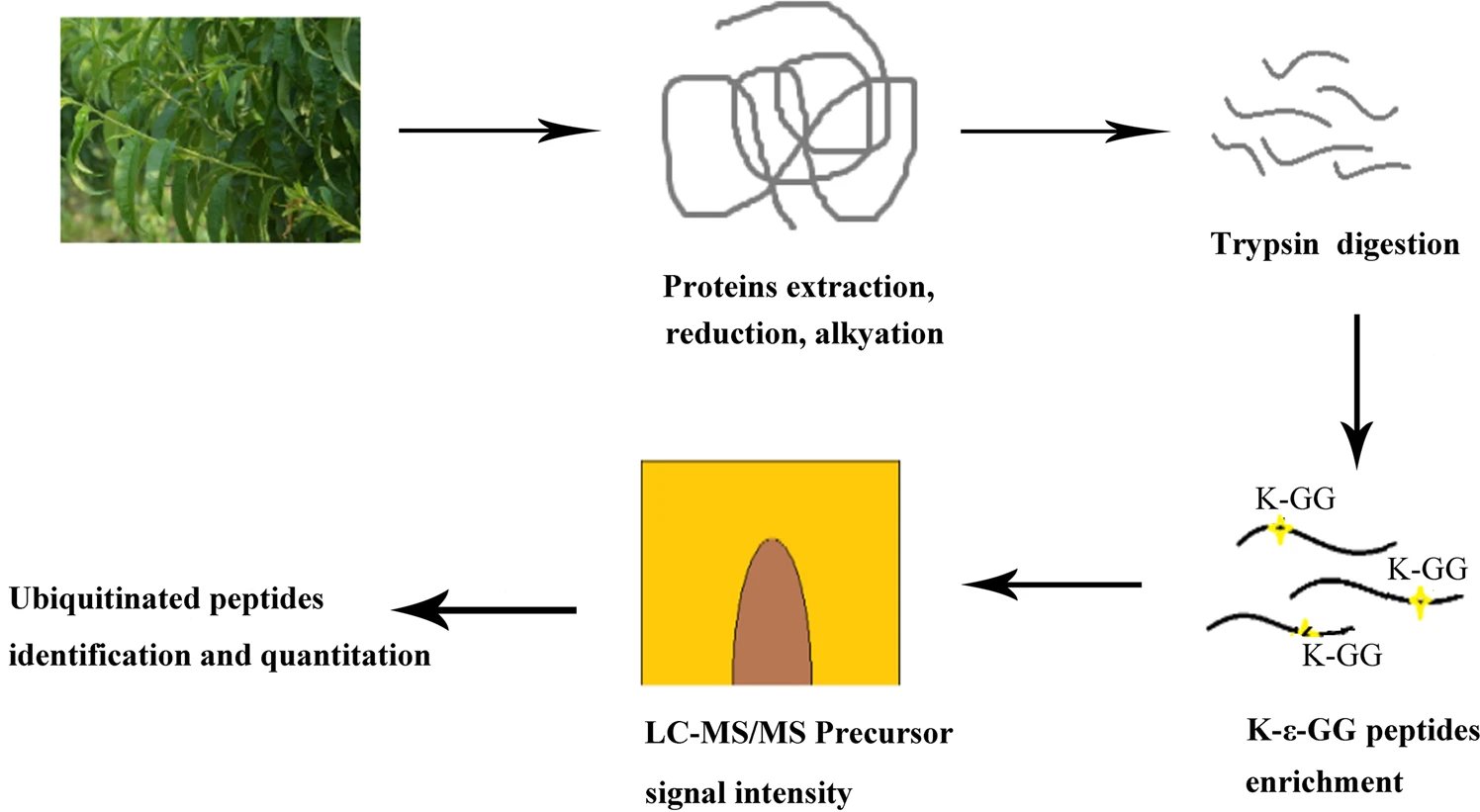
Song, Y B. et al. Scientific Reports, 2020.
Figure 2. Proteomics-Based Analysis of Ubiquitin Modification Sites in Proteins from Peach Leaves.
Why Choose MtoZ Biolabs?
✅ High Modification Specificity: Enrichment of modification peptides based on ubiquitination-specific features improves detection accuracy
✅ High-Throughput Capability: Supports parallel analysis of multiple samples to accommodate large-scale study designs
✅ Reliable Quantitative Results: High-resolution mass spectrometry platforms ensure stable and comparable results across samples
✅ Customized Analysis Strategies: Analytical workflows can be flexibly adjusted according to plant species, sample types, and research objectives
✅ One-stop Service Support: Covers the entire workflow from sample evaluation and ubiquitination enrichment to mass spectrometry analysis and data processing
Applications of Plant Ubiquitinated Proteomics Analysis Service
1. Growth and Development Regulation
Used to investigate the effects of ubiquitination on the stability and function of key regulatory proteins during different developmental stages or organ formation in plants.
2. Stress Response and Adaptation
Elucidates dynamic changes in ubiquitination modifications and their regulatory roles under drought, salt stress, temperature fluctuations, and pathogen challenges.
3. Protein Degradation and Homeostasis
Applied to systematically analyze ubiquitin-proteasome system-mediated protein degradation processes and reveal mechanisms of protein homeostasis regulation in plants.
4. Signal Transduction Regulation
Assists in studying ubiquitination modification features of core proteins in hormone signaling and stress signaling pathways and their regulatory relationships.
5. Plant-Environment Interactions
Analyzes ubiquitination changes of relevant proteins during plant interactions with environmental factors, supporting studies of adaptive mechanisms.
Deliverables
1. Comprehensive Experimental Details
2. Materials, Instruments, and Methods
3. Identification Results of Ubiquitinated Proteins and Modification Sites
4. Quantitative or Differential Analysis Data of Ubiquitination Modifications
5. Associated Mass Spectrometry Spectra and Visualization Figures
6. Bioinformatics Analysis
7. Raw Data Files
FAQ
Q1: What types of samples are suitable?
A1: The Plant Ubiquitinated Proteomics Analysis Service is suitable for plant samples with clear origins and good biological status, including different tissues and organs (such as roots, leaves, stems, flowers, and seeds) as well as plant materials from different treatments or developmental stages. Samples should maintain good protein integrity to meet the requirements for ubiquitination analysis.
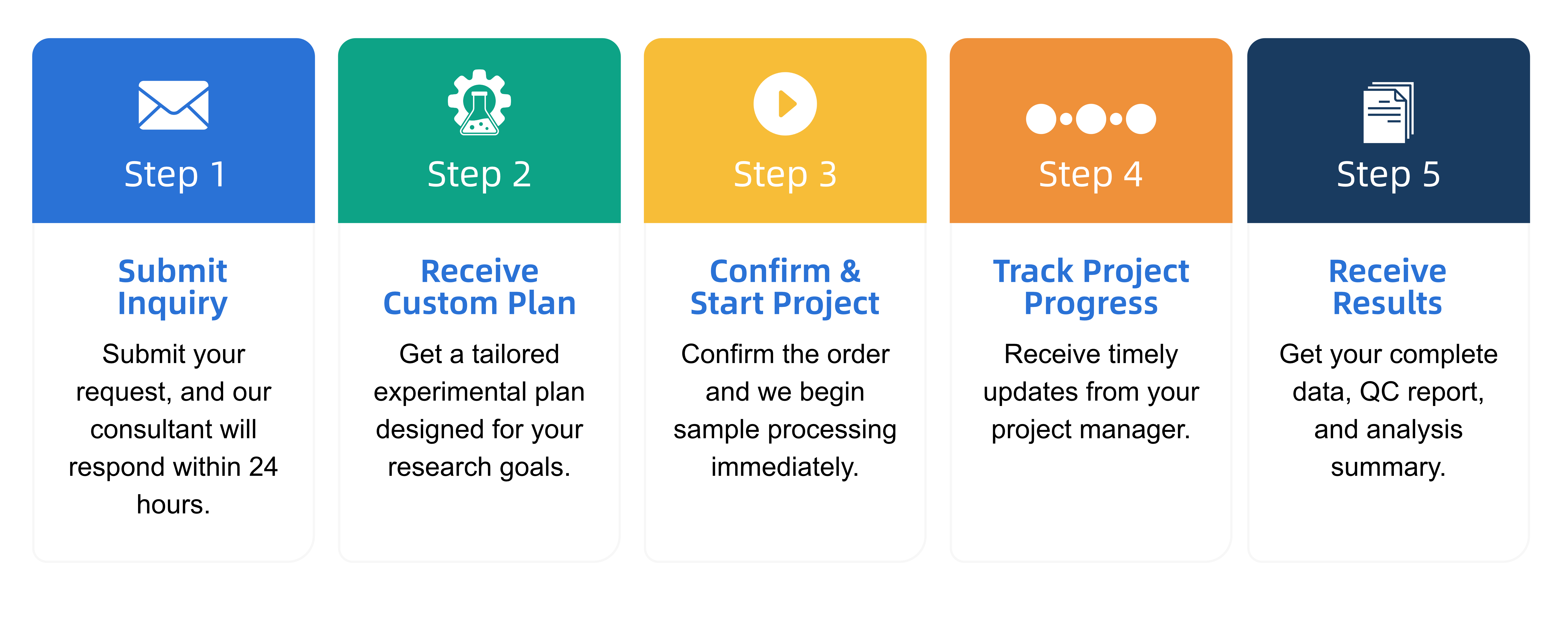
Q2: What is the service general workflow?
A2:
Q3: What data formats are provided?
A3: MtoZ Biolabs typically provides standardized data deliverables, including:
- Tables of ubiquitinated protein and modification site identification results (Excel/CSV)
- Quantitative or differential analysis data of ubiquitination modifications
- Statistical analysis results and visualization figures (PNG/TIFF)
- Raw and processed mass spectrometry data files
- Comprehensive analysis results or reports
If special analytical requirements exist, data formats can be customized according to project specifications.
Q4: How should I prepare my samples?
A4: Sample preparation is recommended from the following aspects:
(1) Sample Purity: Minimize interference from soil, polysaccharides, pigments, and other contaminants, and avoid protein degradation.
(2) Sample Storage: Samples should be stored at low temperature, avoiding repeated freeze-thaw cycles; long-term storage at -80 ℃ is recommended.
(3) Sample Transport: Maintain low-temperature and sealed conditions during transport to ensure sample stability.
(4) Additional Information: Providing sample type, treatment conditions, and experimental grouping information will help optimize the analysis strategy.
For more information, please refer to Sample Submission Guidelines for Proteomics, Sample Submission Guidelines for Metabolomics.
Start Your Project with MtoZ Biolabs
Contact us to discuss your experimental design or request a quote. Whether you are exploring ubiquitination regulatory features in plants or conducting related functional and mechanistic studies, we can provide professional and reliable analytical support.
How to order?




