






Membrane Protein Interaction Analysis with IP-MS Validated Antibodies
Membrane protein interaction studies often fail in ordinary IP or Co-IP long before LC-MS/MS becomes the limiting step. Receptors, transporters, channels, and adhesion proteins can be low in absolute abundance, sensitive to detergent choice, partially embedded in lipid environments, and unstable once native complexes are disrupted. A western blot antibody that detects denatured target may still perform poorly in immunoprecipitation from membrane-rich lysates.
For difficult membrane baits, the practical question is whether an antibody validated for IP-MS can recover enough native target with interpretable background for Co-IP-MS partner discovery. Teams planning membrane protein interaction analysis can share target identity, sample type, compartment of interest, and readout goals with MtoZ Biolabs before ordering reagents or selecting a service path.
Why Membrane Proteins Are Hard for Classical IP and Co-IP
Ordinary IP and Co-IP were not designed with integral membrane complexity as the default case. Several recurring constraints explain why projects stall at enrichment.
Low effective bait abundance. Membrane proteins may represent a small fraction of total lysate protein even when biologically important. Weak capture leaves sticky background proteins dominant in the eluate.
Detergent-dependent epitope access. Solubilization is required, yet harsh detergents can expose non-native epitopes or disrupt complexes. Too mild a lysis may leave bait inaccessible; too harsh a lysis may destroy interaction partners.
Complex instability after lysis. Transient or detergent-sensitive assemblies can dissociate before immunoprecipitation completes, especially when handling time or wash stringency is high.
Background from membrane-rich fractions. Abundant membrane-associated or cytoskeletal proteins co-purify easily and become searchable after LC-MS/MS if specificity is weak.
Reagent mismatch. A reagent validated for western blot or generic IP may not show MS-compatible bait recovery from a membrane matrix similar to yours.
|
Membrane IP challenge |
Why ordinary IP/Co-IP struggles |
What to review first |
|---|---|---|
|
Low bait abundance |
Weak capture, noisy eluate |
IP-MS validated antibody; extraction support |
|
Detergent sensitivity |
Epitope or complex loss |
Membrane-preserving lysis and pilot IP |
|
Transient complexes |
Partners lost before IP |
Gentler handling; condition timing; workflow choice |
|
High sticky background |
Nonspecific binders dominate MS |
Matched controls; validated reagent |
|
Compartment mismatch |
Bait not in lysate fraction used |
Membrane or plasma-membrane enrichment prep |
The table is a planning guide. It does not replace Product-level review of validation evidence for the exact membrane target under study.
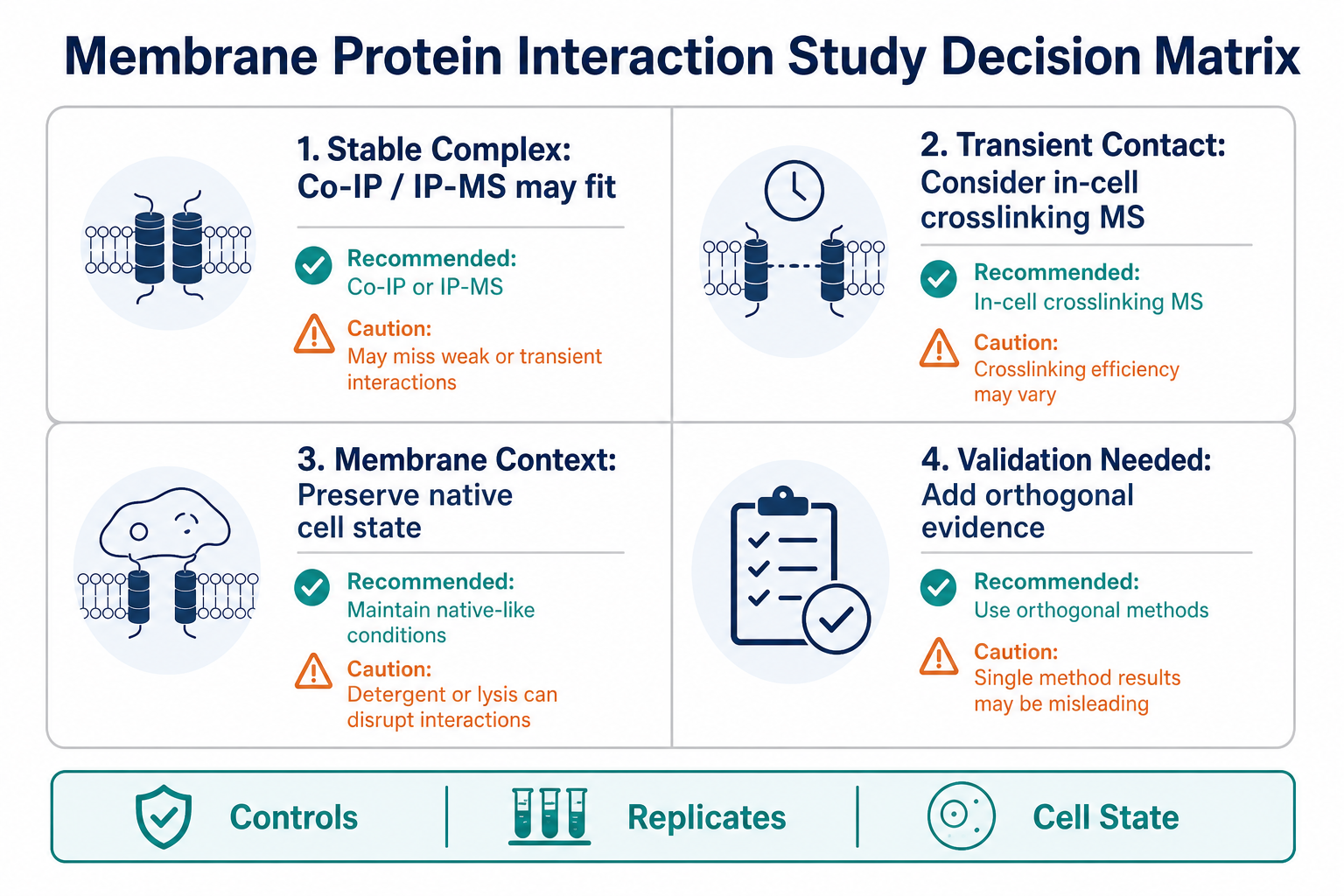
Figure 1. Membrane interaction projects require matched lysis, antibody validation, controls, and readout planning.
When IP-MS Validated Antibodies Fit Membrane Interaction Goals
An IP-MS validated antibody, or an antibody validated by IP-MS for the membrane target, should show bait recovery with MS-compatible background under stated immunoprecipitation conditions—not merely reactivity on denatured protein.
This reagent class is most relevant when:
- The bait is an endogenous membrane protein and tagging is undesirable or unavailable
- Partner discovery will rely on Co-IP-MS rather than targeted western confirmation alone
- Pilot ordinary IP produced weak bait recovery or crowded background from membrane lysates
- A validated SKU or close Target Protein Antibody option exists for the target and species
IP-MS validation does not remove the need for membrane-appropriate lysis, matched negative controls, and replicate Co-IP-MS design. It reduces one major upstream risk: using a reagent never tested for enrichment quality in an MS workflow.
When no validated antibody exists for the membrane target, review bead-ready formats, membrane extraction support, tagged AP-MS if expression is feasible, or membrane-focused interaction services before scaling a low-confidence IP plan.
Sample Preparation Matters as Much as Antibody Choice
Membrane protein interaction analysis begins with getting the bait into a lysate state that preserves both accessibility and usable complex integrity.
Review the following before immunoprecipitation:
- Whether total lysate, membrane fraction, or plasma-membrane enrichment best matches the bait location
- Detergent type and concentration relative to bait solubility and complex stability
- Protease and phosphatase inhibitor use when modification state affects interaction biology
- Input amount and handling time, because membrane preps can be low yield
- Whether a pilot extraction check confirms bait presence before full Co-IP-MS commitment
Membrane Protein Extraction Kit and related membrane-enrichment reagents can support fractionation when whole-cell lysate dilutes scarce bait excessively. Extraction strategy should be recorded because it defines what “interaction” means in the resulting dataset.
Antibody Selection for Membrane Baits
Membrane targets add epitope and format questions on top of standard IP-MS review.
Domain accessibility. Antibodies raised against cytoplasmic tails may differ in performance from those recognizing extracellular loops. Choose a reagent whose epitope remains accessible under your lysis conditions.
IP-MS validation evidence. Prefer antibodies labeled as IP-MS validated, antibody validated by IP-MS, or antibody validated for IP-MS when LC-MS/MS will define partners. Review whether validation used a matrix comparable to your membrane prep.
Clonality and lot consistency. Polyclonals may improve epitope coverage for some membrane proteins; monoclonals may improve replicate consistency. Choose based on bait behavior and validation support.
Bead-ready or magnetic formats. Conjugated formats can reduce handling loss for low-input membrane IPs when the Product matches sample type and documented validation context.
Target Protein Antibodies shortlist. Category review should start from target name and species fit, then narrow to Products with the strongest IP-MS evidence rather than the broadest application list.
|
Interaction goal |
Primary capture logic |
Product or service path to review |
|---|---|---|
|
Endogenous membrane receptor or transporter interactome |
Target-specific IP-MS validated antibody |
Co-IP-MS / IP-MS Protein Interactomics |
|
Scarce membrane bait after fractionation |
Validated antibody plus extraction support |
Co-IP-MS with membrane prep |
|
Tagged membrane construct feasible |
Tag AP rather than endogenous antibody |
AP-MS or membrane interaction MS service |
|
Ligand or membrane-protein binding question |
May not be classical Co-IP-first |
Membrane Protein-Molecule Interaction Analysis |
|
Known partner confirmation only |
IP-capable antibody may suffice |
Co-IP Service with targeted readout |
Use the row that matches the scientific claim before ordering at discovery scale.
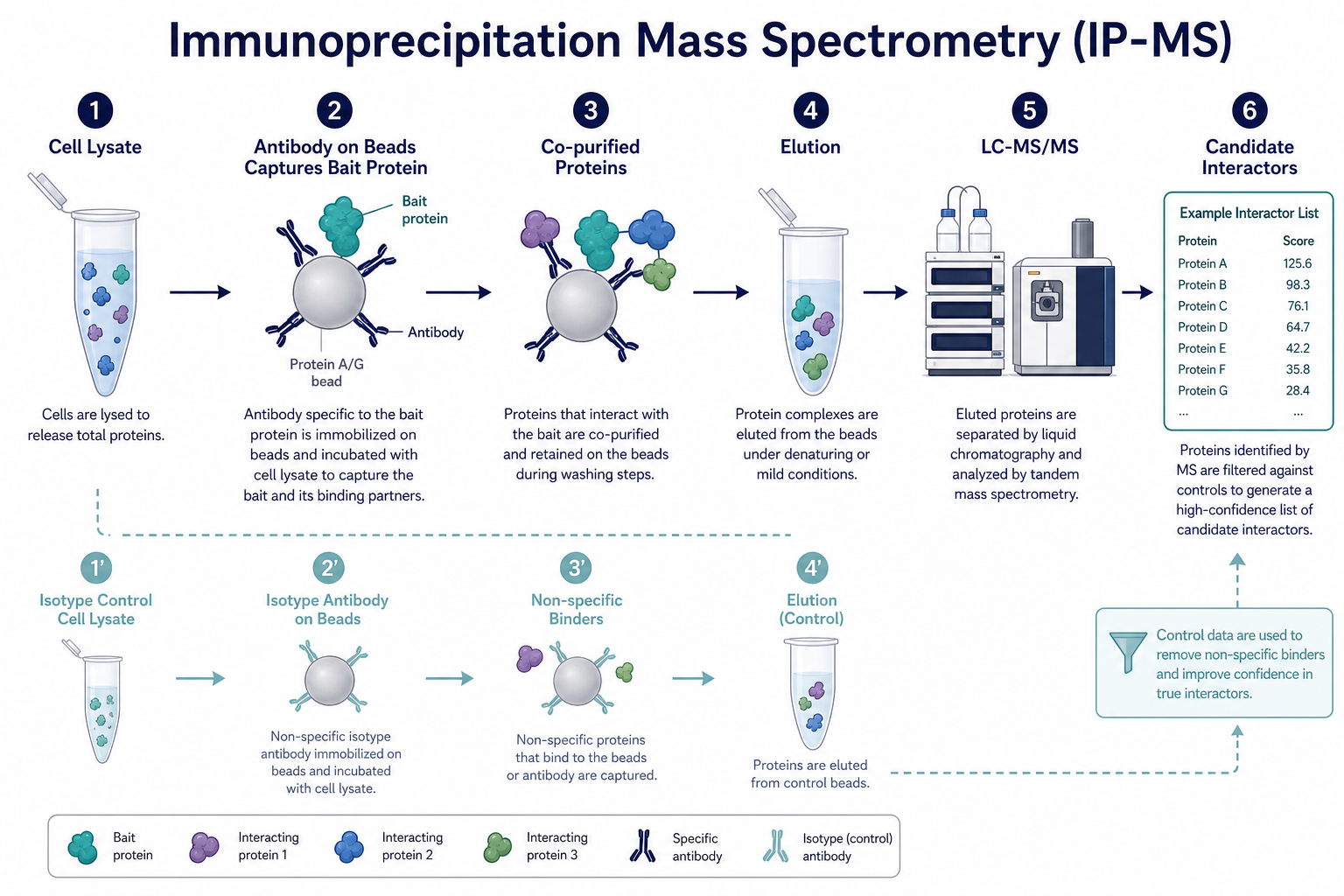
Figure 2. Membrane Co-IP-MS depends on extraction, validated capture, controls, and MS readout as one chain.
What to Share Before Starting a Membrane Interaction Project
Provide the following during product or service review:
- Membrane target name, species, and expected compartment
- Sample type and whether membrane enrichment is planned
- Prior IP or Co-IP results, if any, including bait recovery and background pattern
- Whether endogenous Co-IP-MS remains required
- Whether tagging, pull-down, or membrane interaction MS services are acceptable alternatives
- Control arms already planned or needed
That information helps determine whether an IP-MS validated antibody, extraction support, or a membrane-focused service path is the better next step.
Related Products
Membrane Protein Extraction Kit
Related Services
IP-MS Protein Interactomics Analysis Service
Membrane Protein-Molecule Interaction Analysis Service
Co Immunoprecipitation (Co-IP) Service
Frequently Asked Questions
1. Can ordinary Co-IP antibodies work for membrane protein IP-MS?
Sometimes for targeted confirmation, but discovery-oriented membrane Co-IP-MS should prefer an antibody validated for IP-MS when available. Membrane baits leave less margin for weak capture.
2. Do I need membrane fractionation before IP-MS?
Not always, but enrichment can help when bait abundance is low in total lysate. Record the fraction used because it defines interpretive scope.
3. What makes membrane IP-MS different from general low-abundance IP-MS?
Membrane projects add detergent sensitivity, compartment localization, and complex instability on top of abundance limits.
4. Is a western blot-validated membrane antibody enough?
Not for MS discovery by itself. Western blot does not prove native immunoprecipitation performance or MS-compatible enrichment.
5. When should I use Membrane Protein-Molecule Interaction Analysis instead of Co-IP-MS?
Consider it when the question is membrane-protein or ligand engagement rather than a standard intracellular bait interactome by antibody IP.
6. What controls are needed for membrane Co-IP-MS?
At minimum, review matched isotype or nonspecific IgG controls processed identically to bait IP. Bead-only or matrix-matched controls may also be required.
Conclusion
Membrane protein interaction analysis with IP-MS validated antibodies addresses one of the hardest ordinary IP/Co-IP use cases: scarce bait, detergent-sensitive complexes, and background-prone membrane fractions. Success depends on combining validated capture reagents with membrane-appropriate extraction, matched controls, and a readout path aligned to the interaction claim.
For endogenous discovery, prioritize an antibody validated by IP-MS or antibody validated for IP-MS when evidence matches the target and matrix. When endogenous capture remains unreliable, review tagged AP-MS, pull-down-MS, or membrane-focused interaction services rather than repeating the same weak IP design. Contact MtoZ Biolabs to review target context, Target Protein Antibody shortlists, and Co-IP-MS or membrane interaction service fit.
How to order?




