






Comparative Serum Proteomics: Study Design for Differential Protein Analysis
Comparative serum proteomics uses LC-MS/MS to examine protein-abundance differences between defined biological groups or sampling time points. Reliable differential protein analysis depends on decisions made before sample processing: the research question, control selection, biological replication, sampling schedule, serum handling, and analytical batch allocation. These factors help determine whether observed protein differences can be interpreted in relation to the intended biological comparison.
Defining the Research Objective and Comparison Design
1. Define the Primary Comparison and Control Group
Start by specifying the biological question and the main contrast. Common designs compare a model group with a control, a treated group with an untreated group, or samples collected before and after an intervention. If a study includes multiple subgroups, treatment arms, or time points, list each planned comparison separately. Keep the primary comparison distinct from secondary or exploratory analyses so that sample allocation addresses a clearly defined question.
The control group must provide a suitable reference for that question. An untreated control may fit a treatment study, while a vehicle control is relevant when the carrier itself could affect the response. Other studies may require a baseline or reference group with the same experimental background. Controls from different models, treatment conditions, or collection settings should not be treated as interchangeable.
2. Choose an Independent or Paired Design
Independent designs compare different biological units; paired designs compare samples from the same unit across conditions or time points. Independent designs may suit comparisons between separate cohorts or models. Paired designs may be appropriate for before-and-after studies when samples can be linked to the same individual or experimental unit. The design should reflect how the samples were generated. Do not assume a paired relationship when specimen identities cannot be matched.
3. Record Experimental Conditions and Relevant Variables
For model, treatment, or perturbation studies, define the model background, control conditions, treatment duration, and sampling time relative to the intervention. Record dose or exposure level when relevant. Keep groups comparable except for the factor under investigation. For observational studies, define group criteria and document relevant background variables. Relevant variables may include model background, age, sex, treatment history, or collection setting. Check whether key factors are unevenly distributed between groups.
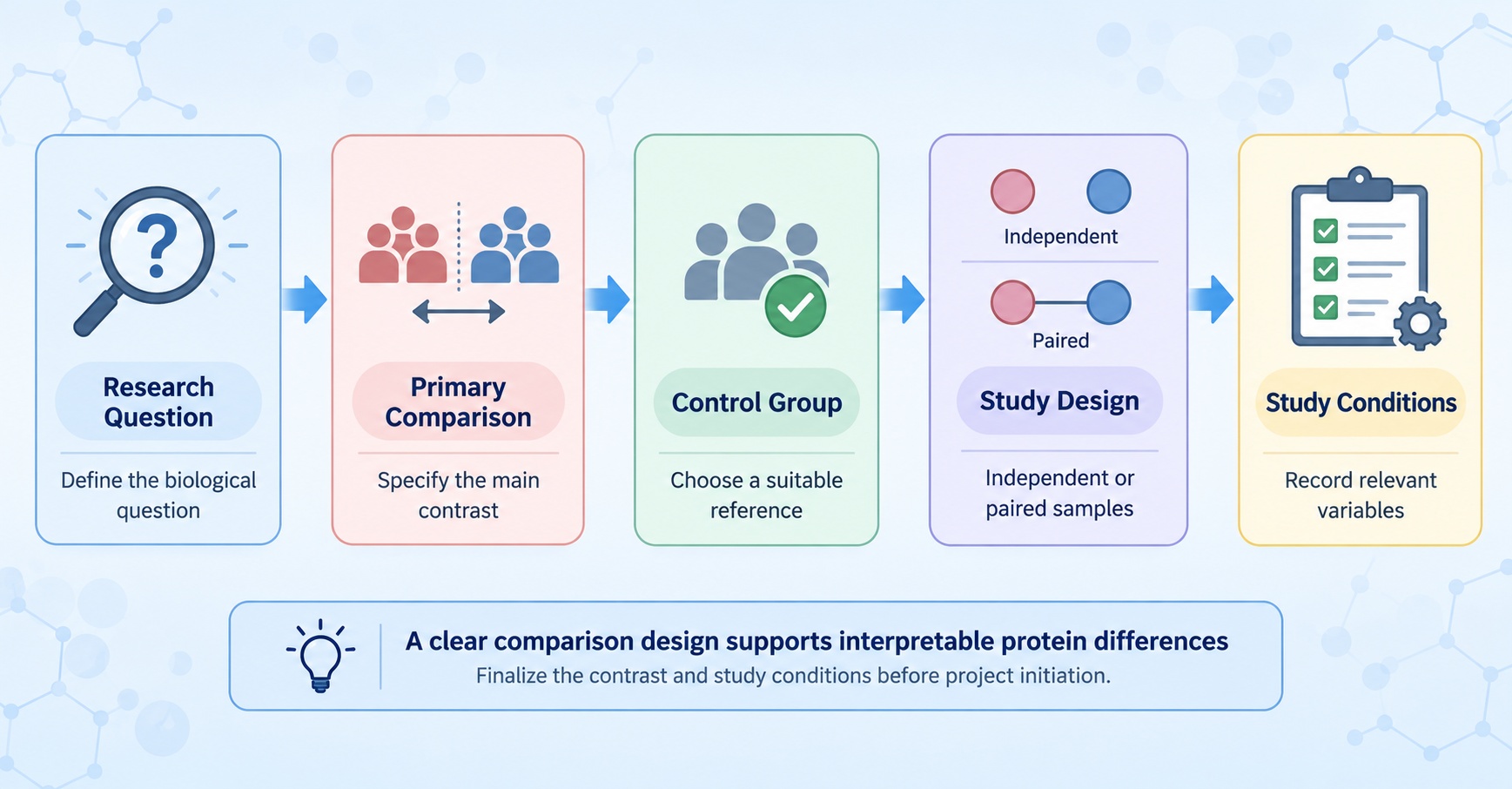
Figure 1. Key Decisions in Comparative Serum Proteomics Study Design.
Planning Biological Replicates and Sampling Time Points
1. Distinguish Biological and Technical Replicates
Biological replicates are independent biological or experimental units and capture variation within a group. Repeated LC-MS/MS measurements of the same specimen are technical replicates: they can assess analytical repeatability but do not increase the biological replicate count. Multiple time points from one individual are related observations rather than additional independent individuals.
2. Estimate Sample Numbers and Account for Missing Specimens
Sample requirements depend on the primary comparison, expected biological variability, the magnitude of protein differences of interest, and the number of planned comparisons. Heterogeneous groups may require more independent observations than narrowly defined groups. Unequal group sizes do not automatically invalidate a study, but a small group can limit the assessment of biological variation.
The minimum requirement is three biological replicates per group. As a planning reference, 10–30 samples per group are recommended for clinical cohorts, while 6–10 samples per group are recommended for animal models. The final sample number should also account for biological variability, the primary comparison, and the number of planned comparisons.
3. Set Sampling Time Points and Preserve Pairing
For treatment-response or longitudinal studies, define sampling times in relation to the intervention or biological event. Use consistent identifiers to link samples from the same unit across time points. Inconsistent sampling intervals may introduce time-related variation, while missing follow-up samples reduce the number of complete pairs. The planned comparison should distinguish within-unit changes over time from differences between groups at a selected time point.
Maintaining Comparable Serum Collection and Handling
1. Keep Preanalytical Conditions Comparable Across Groups
Serum collection, separation, aliquoting, storage, and shipping conditions should remain consistent across study groups. Differences in collection tubes, clotting conditions, centrifugation, or freeze-thaw history may introduce variation unrelated to the biological question, particularly when handling conditions differ systematically between groups. Standardized procedures and complete sample records help maintain comparability across the study.
2. Review Archived Cohorts and Collection Records
Archived cohorts may differ in collection period, processing site, storage history, or record completeness. Summarize available information by sample ID and mark missing details as unknown. If sample-history differences are concentrated in one group, consider their impact on interpretation.
For collection, separation, storage, and shipping instructions, see Serum Sample Preparation, Storage, and Handling for Proteomics. If hemolysis, lipemia, or other serum-quality abnormalities are unevenly distributed across groups, see How Does Serum Sample Quality Affect Proteomics Results? for potential impact on comparability.
Planning Analytical Batches and Sample Records
1. Balance Study Groups Across Analytical Batches
When multiple preparation or LC-MS/MS batches are required, distribute samples from different study groups across batches whenever practical. Processing all samples from one group in a single batch and all samples from another group in a separate batch can confound batch effects with biological differences. Plan batch allocation before acquisition and randomize sample order within each batch. For paired studies, preserve the relationship between related specimens when assigning batches.
2. Maintain Traceable Sample IDs and Metadata
Assign each specimen a unique ID linked to study group, biological-unit ID, sampling time, and analytical batch. Retain treatment, collection, handling, and aliquot records. Keep biological replicate IDs distinct from aliquot IDs so that aliquots are not counted as independent samples.
3. Align the Workflow With the Intended Output
Before sample processing, clarify whether the project requires broad protein identification, relative quantification between groups, or differential protein analysis. The specific LC-MS/MS acquisition and quantification workflow should be agreed with the service team according to the research objective, sample number, available material, and expected output. Apply a consistent workflow across comparison groups wherever possible. If a workflow change becomes necessary, document the affected samples and assess whether the planned comparison remains valid.
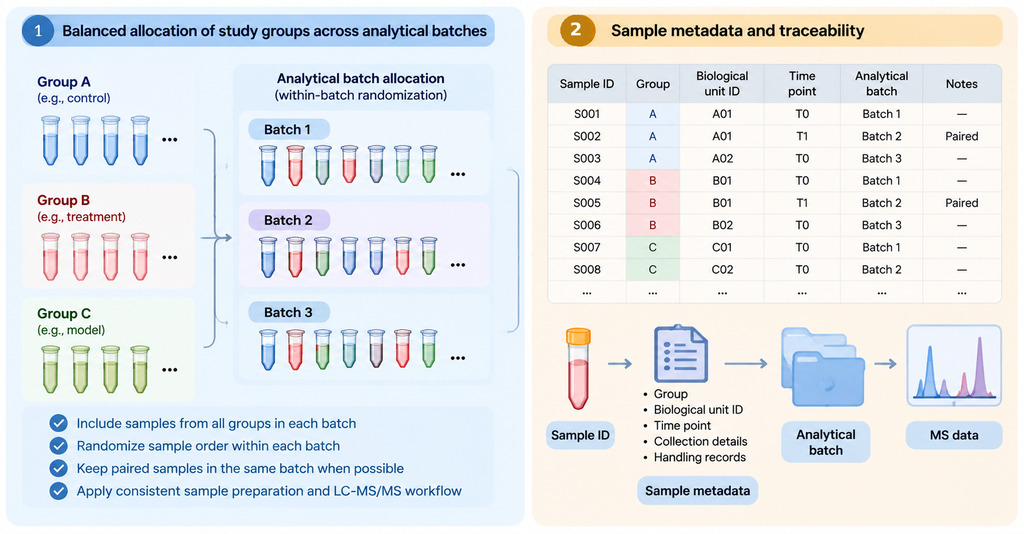
Figure 2. Analytical Batch Allocation and Sample Metadata Traceability.
Assessing Study Feasibility Before Differential Protein Analysis
1. Review the Study Plan Before Project Initiation
Before analysis begins, confirm that the available samples support the planned contrast. Check that the control group fits the research question, each group contains independent biological units, paired samples are sufficiently complete, and relevant background variables and sample histories are documented. Also check whether sample handling or analytical batch is confounded with group assignment. If needed, collect additional samples, reduce the number of comparisons, or revise the research objective.
|
Planning area |
What to confirm |
|
Research question |
Primary contrast, reference group, and secondary comparisons are defined. |
|
Experimental conditions |
Model or cohort criteria, treatment conditions where relevant, and key variables are recorded. |
|
Samples and replication |
Usable sample numbers, biological replicates, time points, and complete pairs are known. |
|
Serum handling |
Collection, separation, storage, and freeze-thaw records are comparable or documented. |
|
Analytical workflow |
Intended output and project-specific LC-MS/MS workflow are agreed before processing. |
|
Batch allocation and metadata |
Groups can be distributed across batches, and sample records are traceable. |
2. Confirm the Expected Protein-Level Output
State whether the project is expected to produce a protein identification profile, relative protein-abundance measurements, or a list of proteins differing between defined groups. Confirm that the available samples and agreed workflow can support the intended output. For interpretation of identification, quantification, quality metrics, and differential results, see How to Interpret Serum Proteomics Results and Quality Metrics.
Frequently Asked Questions
1. Does meeting the minimum replicate requirement guarantee sufficient statistical power?
No. The minimum replicate requirement is not a guarantee of sufficient statistical power. The appropriate sample size also depends on biological variability, the expected magnitude of protein differences, and the number of planned comparisons.
2. Can archived serum be combined with newly collected samples?
Yes, if samples have comparable biological roles and documented collection and storage histories. If sample history aligns with group assignment, its effects may be difficult to distinguish from biology.
3. How should incomplete pairs be handled in a longitudinal study?
Identify complete pairs and record missing time points. Incomplete pairs are not complete within-unit comparisons; use of unpaired specimens depends on the study objective and analysis plan.
4. Can samples processed in different batches be analyzed together?
Yes, when batch assignments are documented and groups are represented across batches. If each group occupies a separate batch, batch and biological effects cannot be reliably distinguished.
Conclusion
Reliable comparative serum proteomics begins with a defined biological contrast and continues through appropriate controls, independent replication, planned sampling, comparable serum handling, and balanced analytical batches. Reviewing sample availability and study records before processing helps determine whether the design can support differential protein analysis.
For broader guidance on sample selection and serum proteomics research, see Serum Proteomics: Sample Preparation, Workflow Analysis, and Research Applications. For project-specific feasibility assessment and workflow planning, see Serum Proteomics Service.
How to order?