






Serum, Plasma, and CSF Proteomics: What Researchers Should Know Before Starting
Before starting serum, plasma, or CSF proteomics, researchers should know that project cost is driven less by the instrument name and more by study scope: how many samples, which matrix, whether quantification is required, whether depletion or a depth-focused path is needed, and how much follow-up the claim demands. The most expensive mistake is usually not choosing the wrong platform. It is collecting samples before those scope decisions are clear.
A practical pre-start rule is simple. Decide the biological claim, keep matrix consistency fixed, confirm sample quality boundaries, and only then decide whether the project requires protein identification alone or quantitative comparison across study groups. That sequence protects both budget and interpretability. Without it, teams often pay twice: once for a discovery screen that cannot support the claim, and again for a redesigned follow-up.
What Actually Drives Cost in Biofluid Proteomics
Serum, plasma, and CSF proteomics pricing discussions often start with platform comparisons. For planning, five scope choices matter more than the brand of mass spectrometer on the quote.
Sample number and replicate structure scale preparation, acquisition, and analysis load. Each additional group or biological sample increases preparation, acquisition, quality-control, and analysis workload. Matrix complexity also matters. Serum, plasma, and CSF are all workable research matrices, but mixed matrices inside one comparison create rework. Plasma anticoagulant choice is part of that complexity: EDTA or citrate is preferred, and heparin is not recommended.
Claim depth changes cost even when sample counts stay the same. A broad first-pass protein profile is a different spend from a low-abundance-focused design. If scarce targets decide the biology, an undepleted screen may look lower cost up front and higher cost later when the first round cannot answer the real question. Quantification need pushes in the same direction. Identification provides a reportable protein list under the selected workflow. Quantitative comparison evaluates abundance differences across groups and requires appropriate replication, matched handling, and statistical planning.
Report and follow-up expectations close the list. Annotation layers help prioritize candidates, but validation of priority proteins is a separate later stage and should be budgeted as such. Pathway enrichment is hypothesis-generating rather than mechanistic proof, so confirmatory work for priority proteins or pathways should be planned as a separate later stage.
|
Pre-start decision |
Why it affects cost |
Planning note |
|---|---|---|
|
Sample number and replicates |
Scales wet-lab and MS workload |
Define biological units before counting tubes |
|
Serum vs plasma vs CSF |
Mixed matrices cause redesign |
Keep one matrix per primary comparison |
|
Plasma anticoagulant |
Heparin adds avoidable risk |
Prefer EDTA or citrate |
|
Identification only vs quantitative comparison |
Changes design and analysis depth |
Match route to the claim sentence |
|
Undepleted vs depth-focused path |
Changes preprocessing and aliquot use |
Decide before thawing last aliquots |
|
Follow-up validation |
Often needed for priority proteins |
Budget as a later stage |
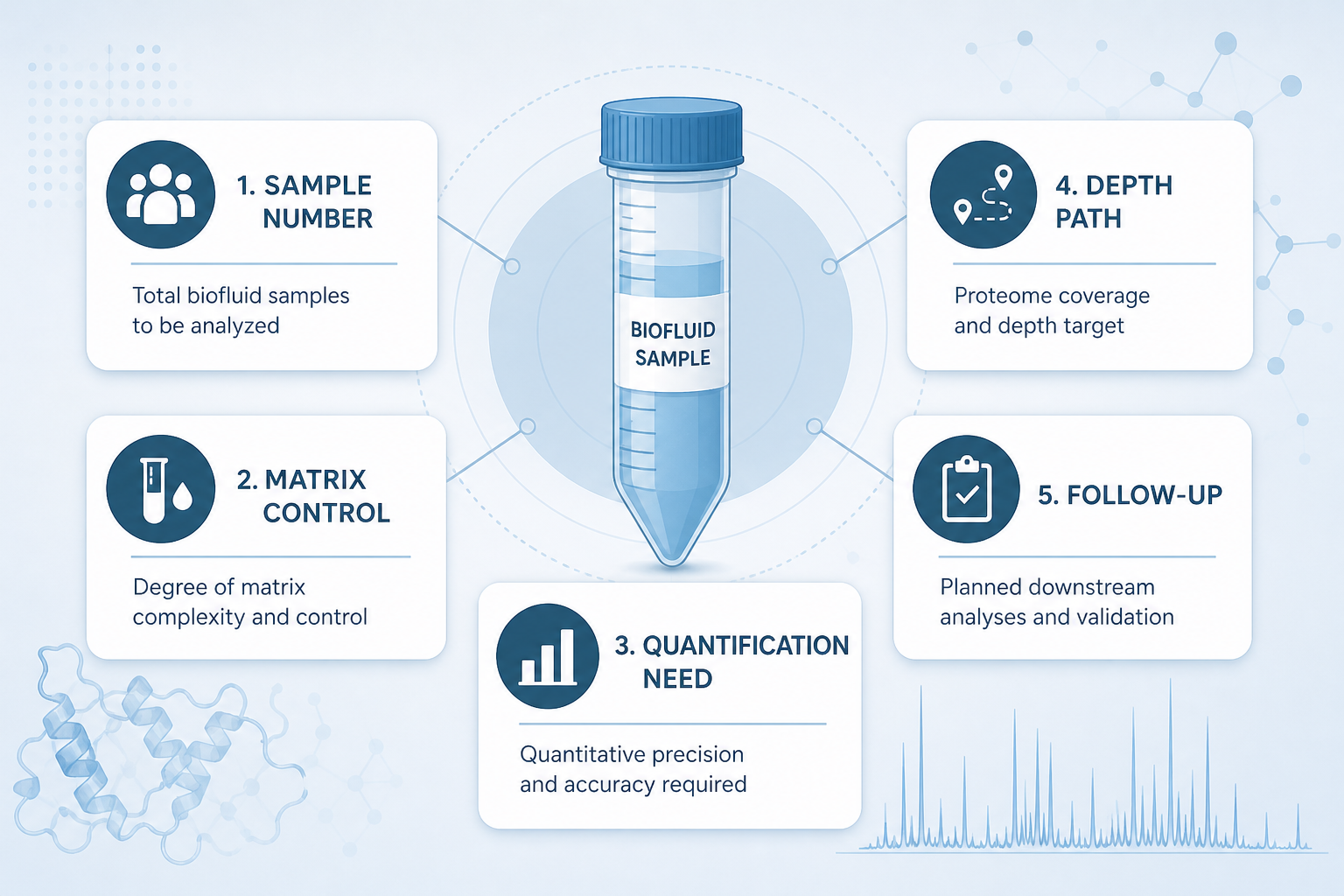
Figure 1. Project cost follows scope decisions: sample number, matrix control, quantification need, and depth of the claim.
What Researchers Should Settle Before Samples Are Collected
Cost control begins at collection, because biofluid aliquots are finite and poor-quality samples waste both money and design power. The decisions below are cheap to write down and expensive to reverse after tubes are frozen.
Settle the claim in one sentence. If the sentence needs group comparison, plan quantification. If it only needs a protein inventory, identification may be enough. Ambiguous claims such as "look at the proteome and see what changes" tend to produce oversized first rounds that still feel incomplete later.
Settle the matrix. Do not mix serum and plasma in one primary comparison unless matrix difference is the question. For plasma, record anticoagulant and keep it consistent across the compared set. Serum, plasma, and CSF can each support protein analysis, but they are not interchangeable backgrounds for the same differential claim.
Settle quality boundaries. Severely hemolyzed, lipemic, contaminated, precipitated, or repeatedly freeze-thawed samples are not recommended. Infectious samples are not accepted. Excluding unsuitable aliquots early is usually less costly than explaining noisy or non-comparable results after acquisition.
Settle whether low-abundance coverage is essential. High-abundance proteins can crowd serum and plasma detection space. If scarce targets are central, discuss depletion, deeper discovery, targeted enrichment, or targeted follow-up before the available aliquots are committed. CSF planning still benefits from the same clarity about claim depth, even though its protein background differs from blood-derived matrices.
Settle species and annotation expectations. Differential analysis, GO/KEGG/COG views, protein interaction context, and pathway analysis can support interpretation. Reactome can be included for supported serum or plasma species, currently including Bos taurus, Canis familiaris, Gallus gallus, Homo sapiens, Mus musculus, Rattus norvegicus, Sus scrofa, and Xenopus tropicalis. Confirm species support before treating Reactome as part of the planned package.
How to Avoid Paying for the Wrong First Round
Many biofluid projects become expensive because the first round answers a different question from the one stakeholders later care about.
A common pattern is running a broad undepleted discovery screen, then realizing the claim depended on low-abundance proteins. Another pattern is collecting mixed plasma anticoagulants, then discovering the comparison cannot be defended. A third pattern is treating pathway enrichment as final proof and only later budgeting orthogonal validation for the proteins that actually matter. Each pattern looks efficient at the start and costly after the report lands.
A staged plan can reduce redesign risk when sufficient matched material is available and the pilot is designed to inform a predefined decision. Use a representative, matched pilot only when its result will determine whether the main cohort requires a standard, deeper, or targeted workflow. Expand to more groups, a depth-focused path, or targeted follow-up only after the first round shows what the biology needs. DDA supports flexible discovery and protein identification, while DIA often improves quantitative consistency and data completeness across matched samples. The acquisition route and platform should follow the study objective, required depth, cohort design, and available material.
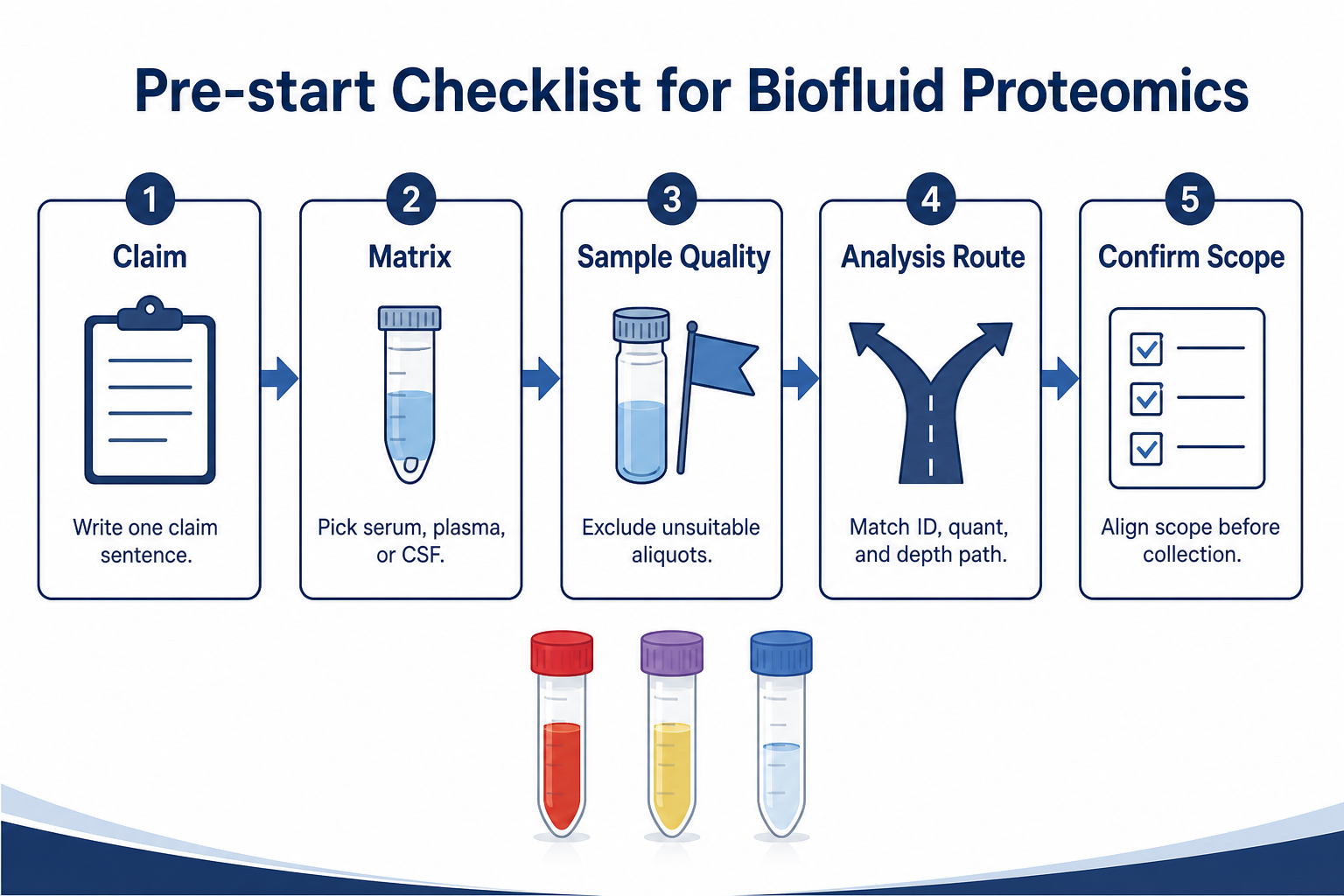
Figure 2. Align claim, matrix, quality, and analysis route before collection to reduce redesign cost.
If the claim, matrix, or depth path is still open, resolve those points before collection dates are fixed. Early alignment with the analytical team usually costs less than redesigning a batch that was collected under mixed assumptions.
What a Realistic Budget Conversation Should Include
A useful pre-start discussion is not only "how much per sample." It should cover the decisions that change scope, because those decisions explain most quote-to-quote differences.
How many independent biological samples are needed based on expected biological variability, group structure, and the intended statistical comparison? Will all compared samples share the same matrix and, for plasma, the same anticoagulant? Is the first round undepleted discovery, or does the claim already require a depth-focused path? Will the report be used only for candidate ranking, or is orthogonal validation already planned for priority proteins? Which annotation layers are needed for decision-making in this round?
When those answers are written down, cost estimates become easier to compare across vendors and easier to defend internally. When they stay vague, quotes look different mainly because the assumed scope is different. That is also why a lower first-round quote is not always the lower total project cost: an incomplete scope often returns as a second project.
Pre-Start Checklist
Write the research claim in one sentence.
Choose one primary matrix: serum, plasma, or CSF.
For plasma, choose EDTA or citrate and keep it consistent.
Confirm sample quality rules and exclude unsuitable aliquots.
Decide identification versus quantification from the claim.
Decide whether low-abundance depth is essential in round one.
Confirm species support for planned annotation layers.
Budget follow-up validation separately if priority proteins will need it.
If any item is still open, settle it before collection. MtoZ Biolabs can review matrix type, anticoagulant, species, group size, and the planned report layers so the first round matches the decision you need to make.
Related Services
Blood/Plasma/Serum Proteomics Solutions
Cerebrospinal Fluid (CSF) Protein Quantitative Proteomics Solutions
Frequently Asked Questions
1. What should researchers know before starting serum, plasma, or CSF proteomics?
Know that cost and success depend on claim scope, matrix consistency, sample quality, and whether quantification or depth-focused preprocessing is required.
2. What drives cost more than instrument choice?
Sample number, replicate structure, matrix control, quantification need, depletion or depth-focused paths, and planned follow-up.
3. Can starting without a fixed claim save money?
Usually not. Unclear claims often create a first round that cannot support later decisions and must be redesigned.
4. Which plasma anticoagulants should be planned?
EDTA- or citrate-anticoagulated plasma is preferred, and one anticoagulant should be used consistently across the study.
5. Should validation be included in the first-round budget?
If priority proteins will decide the next biological step, plan validation as a separate later stage rather than assuming discovery results close the question.
6. What information should be shared for a realistic quote discussion?
Share matrix type, anticoagulant, species, approximate sample and replicate numbers, claim sentence, and whether low-abundance depth or follow-up is expected.
Conclusion
Before starting serum, plasma, or CSF proteomics, researchers should treat cost as a scope problem. Clear claims, matched matrices, quality boundaries, and a claim-matched analysis route reduce redesign and protect limited aliquots. Platform choice matters, but only after those decisions are stable.
To review a pre-start plan and align scope before collection, contact MtoZ Biolabs with matrix type, anticoagulant, species, group size, and the decision the first-round data need to support.
How to order?




