






Resources
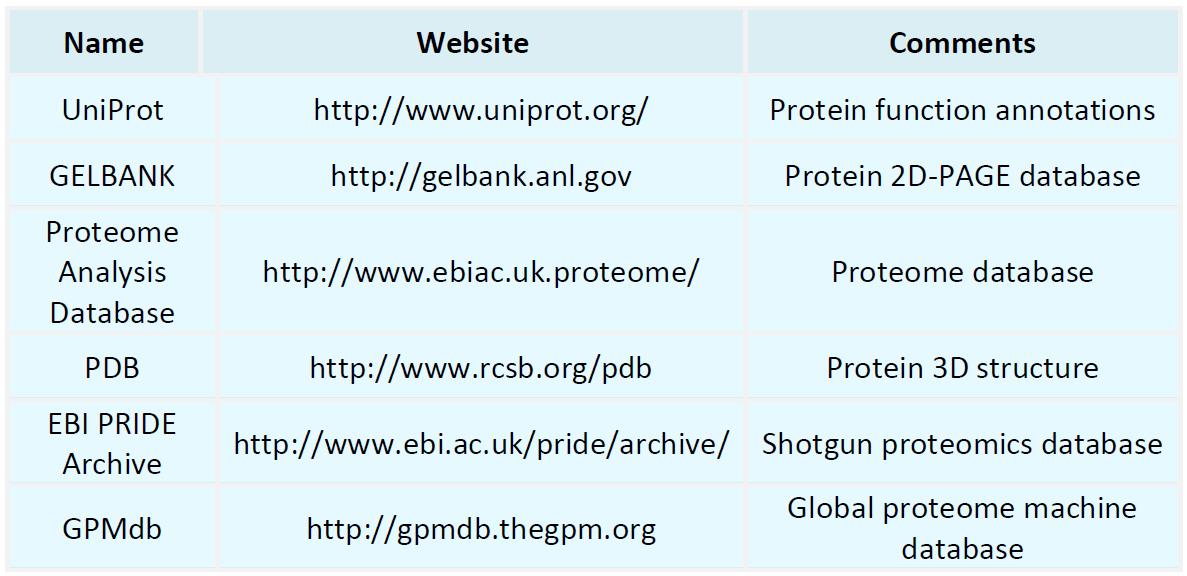
Proteomics Databases
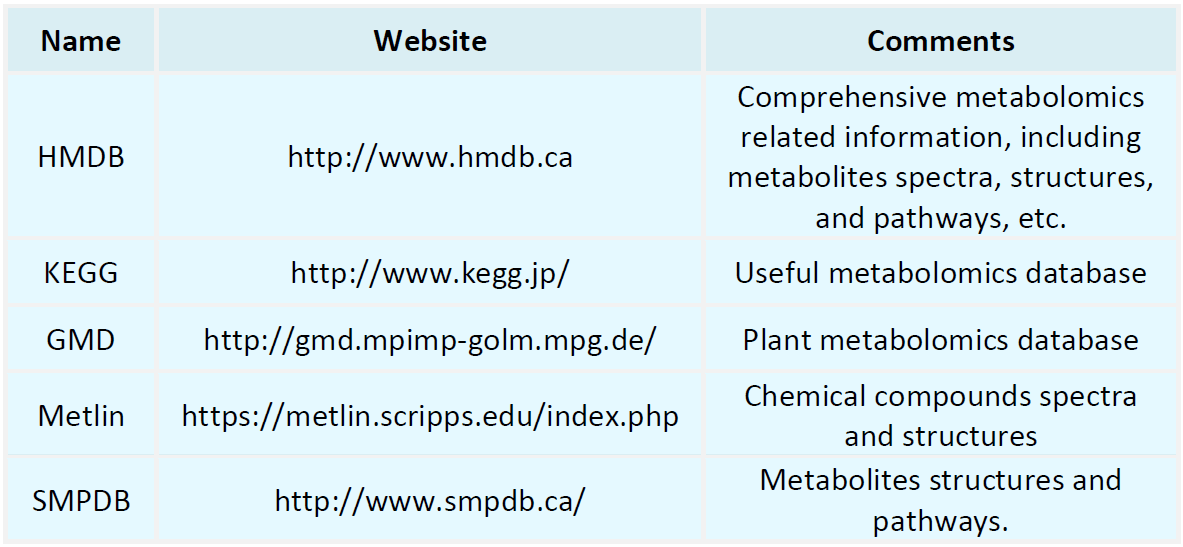
Metabolomics Databases
-
• De Novo Sequencing vs Database Search: Which Approach Fits Your Study?
The choice is not simply about which method is more advanced. Reference-based search and sequence-from-spectrum analysis answer different questions. Database search asks which known sequence best explains an MS/MS spectrum. De novo sequencing asks what sequence the spectrum itself supports. Selecting the wrong approach can waste instrument time, produce false confidence, or miss the biologically important peptide entirely.
-
• How to Perform De Novo Sequencing: Key Steps for Reliable Peptide Identification
Researchers often need protein sequence evidence when a construct file, transcript, or database entry is incomplete. A purified band may require confirmation before cloning. A recombinant batch may need QC documentation. An antibody product may lack full genetic records. A protein from a non-model organism may have no reliable reference proteome.
-
• De Novo Sequencing: Principles, Advantages, and Applications in Proteomics Research
De novo sequencing addresses this gap by deriving peptide sequence directly from tandem mass spectra. Instead of asking which known protein best explains a spectrum, the method reconstructs the amino acid sequence from fragment ion patterns. This makes the approach valuable when the biological question depends on sequence information that is missing, incomplete, or intentionally modified.
-
• How Much Does Antibody Sequencing Cost? Factors That Influence Project Scope
Researchers evaluating de novo protein sequencing often ask for a single price before the sample details are clear. That question is understandable. Grant budgets, vendor comparisons, and project timelines all depend on cost predictability. However, de novo protein sequencing is rarely a one-size-fits-all service.
-
• Antibody Sequencing: Principles, Workflows, and Applications in Antibody Discovery
Antibody sequencing determines the amino acid sequence of immunoglobulin chains, especially the variable regions that define antigen recognition. In antibody discovery, sequence information supports clone backup, humanization, reagent redevelopment, recombinant expression, and intellectual property documentation. A team may have a functional antibody in hand, yet lack a reliable genetic record. Hybridoma cells may be lost, productivity may decline, or only purified IgG may remain from an older project.
-
• How Much Does Protein Sequencing Cost? Key Factors That Affect Project Design
Researchers planning protein sequencing often ask for a single price before the sample details are clear. That question is understandable. Grant budgets, vendor comparisons, and internal QC timelines all depend on cost predictability. However, protein sequencing is rarely sold as a one-size-fits-all assay. The price depends on which method is needed, how clean the sample is, how much sequence coverage must be documented, and how much manual interpretation and validation are included in the final report.
-
• Protein Sequencing Methods Compared: Choosing the Right Strategy for Your Research
Protein sequence is often assumed to be known before an experiment begins. In practice, many projects still need direct sequence evidence. A purified gel band may not match any database entry. A recombinant product may differ from the intended construct. An antibody may lack complete genetic records.
-
• How to Perform Protein Sequencing: Key Steps From Sample Preparation to Sequence Analysis
Researchers often need protein sequence evidence when a construct file, transcript, or database entry is incomplete. A purified band may require confirmation before cloning. A recombinant batch may need QC documentation. An antibody product may lack full genetic records.
-
• Top-Down Proteomics vs Bottom-Up Proteomics
Top-Down and Bottom-Up proteomics represent two widely adopted yet fundamentally distinct mass spectrometry-based strategies. Rather than being mutually exclusive, they are highly complementary approaches within proteomics. A clear understanding of their underlying principles and appropriate application contexts enables researchers to maximize proteome information retrieval and enhance both the depth and breadth of biological discovery. With continuous advances in mass spectrometry technologies, the f......
-
• Single-Cell CUT&Tag Analysis Strategies and Common Challenges
Epigenetic profiling at the single-cell level has become an essential approach for investigating cellular heterogeneity and dynamic regulatory processes. Single-cell CUT&Tag (scCUT&Tag), characterized by high sensitivity and resolution, represents a state-of-the-art technique for profiling epigenetic states at single-cell resolution. However, several technical and analytical challenges remain in practical applications. This article provides an overview of experimental strategies for single-cell CUT&Ta......
How to order?




