






Resources
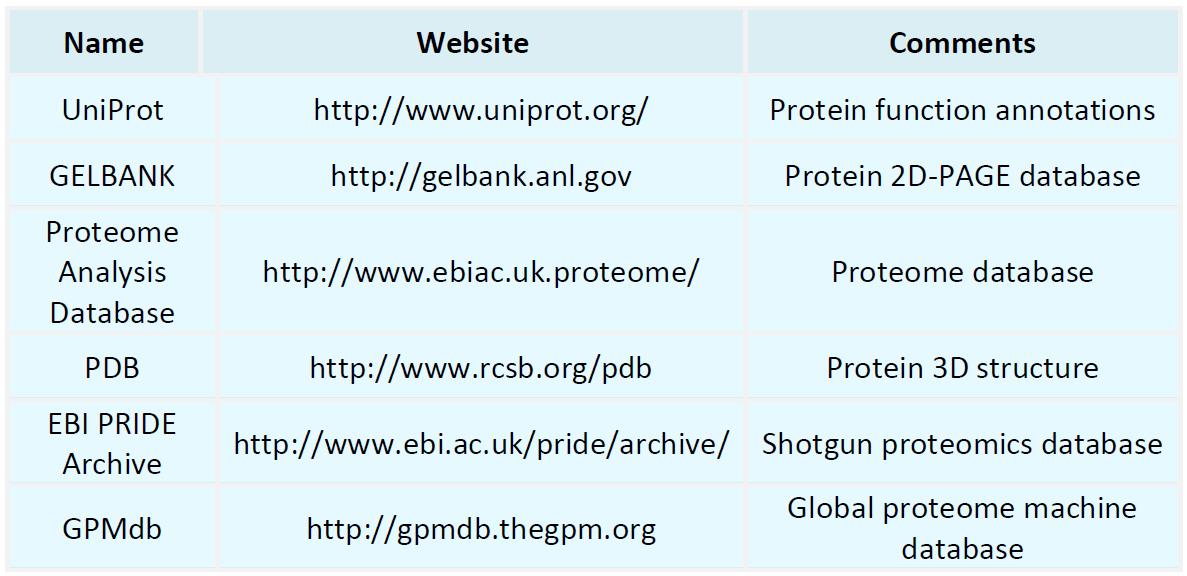
Proteomics Databases
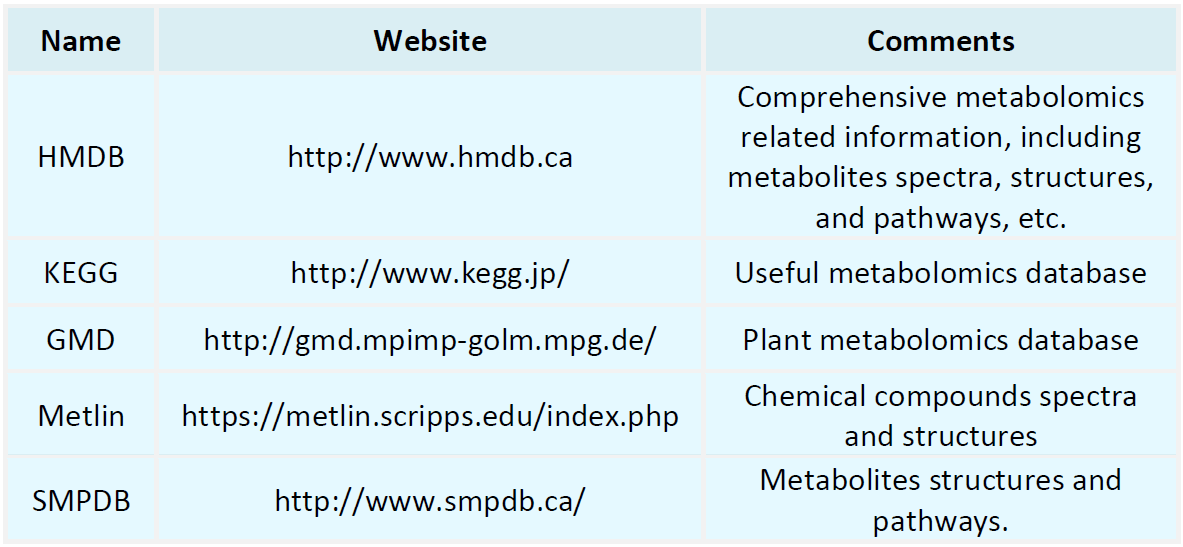
Metabolomics Databases
-
• Application of Pull-Down and MS in Fusion Protein Interaction Analysis
Fusion protein technology is an essential tool in the study of protein interactions and has seen extensive application in molecular biology. By fusing a target protein with an easily detectable tag, researchers can streamline the processes of purification, detection, and functional analysis.
-
• Mechanism of Pull-Down and MS in Fusion Protein Interaction Analysis
Fusion protein interaction analysis is a fundamental tool in modern molecular biology research. By investigating protein-protein interactions, we can gain a deeper understanding of protein functions, signaling pathways, and various physiological activities within cells. The combination of Pull-Down assays and Mass Spectrometry (MS) has emerged as a highly effective approach for examining these interactions.
-
• Workflow of Pull-Down and MS in Fusion Protein Interaction Analysis
Fusion protein technology is a widely utilized method for studying protein-protein interactions. By creating a fusion between a target protein and a tag protein that is easy to detect or purify, researchers can effectively capture and identify interacting proteins. The integration of Pull-Down assays with mass spectrometry enables precise identification and quantitative analysis of these interactions.
-
• Advantages and Disadvantages of Pull-Down and MS in Fusion Protein Interaction Analysis
Protein-protein interactions (PPIs) are critical to various biological processes, such as signal transduction, metabolic regulation, and cellular structure maintenance. Understanding these interactions is essential for elucidating the underlying mechanisms of cellular functions. Among the numerous methods developed for studying PPIs, fusion protein interaction analysis based on Pull-Down assays and mass spectrometry has become a widely adopted technique.
-
• Principle of Fusion Protein Interaction Analysis Using Pull-Down and MS
Protein-protein interactions are fundamental to cellular biology, playing critical roles in regulating cellular functions, signaling pathways, and metabolic processes. Understanding these interactions can shed light on biological mechanisms and provide new targets and strategies for disease research. Pull-down techniques combined with mass spectrometry (MS) analysis offer a powerful approach to studying fusion protein interactions.
-
• Analysis of Bone Tissue Protein Properties
Bone tissue, as an important support structure of the human body, relies heavily on its internal protein components for stability and functionality. Proteins play a key role in bone formation, remodeling, and mechanical properties. Therefore, in-depth analysis of the properties of bone tissue proteins can provide valuable information for bone health, disease treatment, and bone regeneration.
-
• Protein Analysis of Liver Tissue
The liver, the second largest organ in the human body after the skin, is responsible for various physiological functions such as metabolism, detoxification, bile secretion, and production of plasma proteins. Its health is directly related to the normal functioning of the body. Understanding the liver proteome and its changes is essential for the diagnosis, treatment, and prevention of liver diseases. The role of proteins in cells is not limited to being structural materials.
-
• Mechanism of De Novo Sequencing
De Novo sequencing is a genome sequencing method that does not rely on reference genome sequences and is mainly used for the assembly and annotation of new species genomes. With the advancement of high-throughput sequencing technology, De Novo sequencing has played an essential role in biological research.
-
• Application of De Novo Sequencing
De Novo sequencing refers to assembling a complete genome sequence from scratch without using a reference genome. This method is vital in genomic research, especially for exploring unknown genomes, complex genomes, and genomic diversity.
-
• Workflow of De Novo Sequencing
De Novo sequencing, also known as whole genome assembly, involves obtaining a novel genome sequence by direct sequencing and subsequent assembly without any reference genome information. This technology is crucial in genomics research and is widely utilized for discovering unknown genomes, analyzing new species' genomes, and studying complex genomic structures.
How to order?




