






Resources
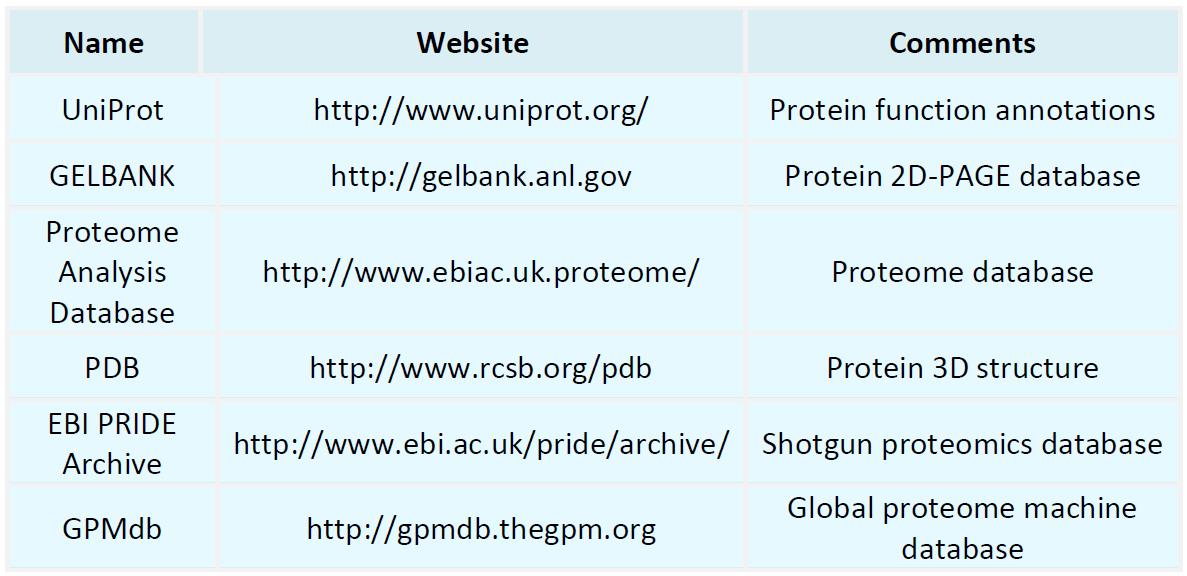
Proteomics Databases
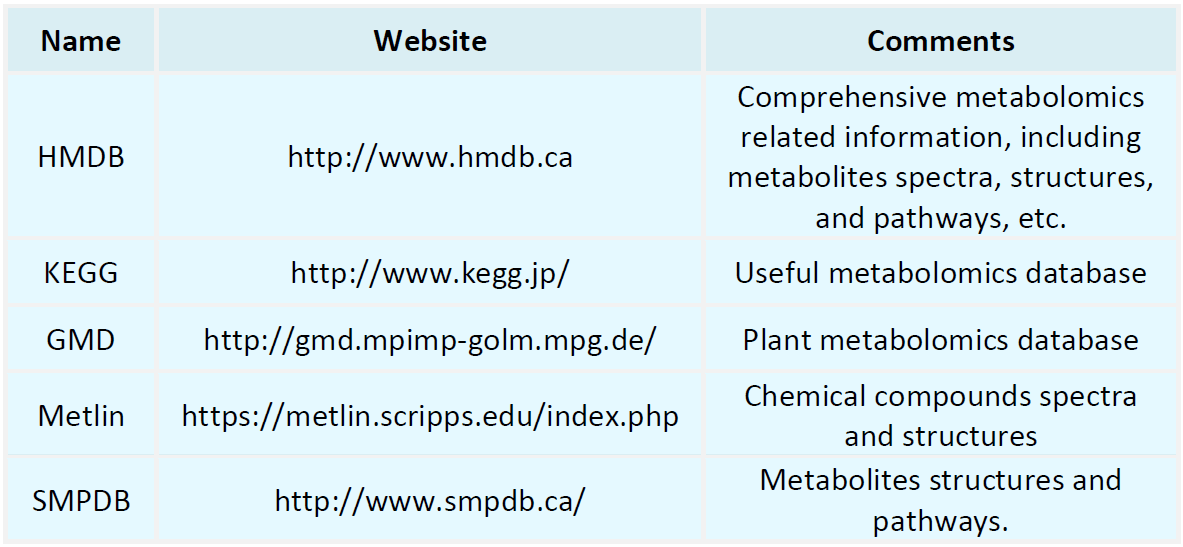
Metabolomics Databases
-
• De Novo Sequencing of Nasopharyngeal Carcinoma Tissue
Nasopharyngeal carcinoma, a malignant tumor located in the head and neck, has a complex pathogenesis closely related to factors such as genetics, environment, and viral infections. Due to its hidden location and diverse clinical manifestations, it brings certain challenges to its early diagnosis and the choice of treatment plan. In this context, it is particularly important to perform de novo sequencing of nasopharyngeal carcinoma tissues.
-
• Tripeptide Sequences: The Biological Code of the Microcosm
In the broad field of biology, proteins are renowned for their unique and diverse functions. The driving forces behind these functions are often short amino acid sequences in proteins, such as tripeptides. These small fragments consisting of three amino acids, though small, play a key role in processes such as signal transduction, protein interactions, and metabolic regulation.
-
• De Novo Sequencing: Unveiling Unknown Peptides
"De novo" sequencing is a technique in bioinformatics mainly used to determine the amino acid sequences of new or unknown proteins or peptides. Compared to re-sequencing, this technique pays special attention to those proteins or peptides that have not been identified or are not present in existing databases.
-
• Secretory Protein Sequencing: Decoding Extracellular Proteins
Secretory proteins are those proteins that are released to the outside of the cell through the cell's secretion pathway. They play a key role in various biological processes, such as immune responses, cell signaling, inflammatory responses, etc. The sequencing of secretory proteins is to determine their amino acid sequence, thereby understanding their function, structure, and interactions with other proteins or small molecules.
-
• O-Glycosylation and Modification Site Analysis in Bone Tissue
Bone tissue, as the hardest tissue in the human body, plays important roles in supporting body weight and protecting internal organs. However, the health and stability of bone tissue are not only dependent on its mineralization degree and density, but also on the complex interactions of various biomolecules in bone cells. Among them, protein glycosylation is a key process.
-
• Mechanism of Pull-Down Coupled with MS for Protein Identification
Protein pull-down combined with mass spectrometry (MS) is a pivotal technique for investigating protein-protein interactions. This method allows for the specific capture of a target protein and its interacting partners, followed by MS analysis, ultimately identifying the group of proteins that directly or indirectly interact with the target protein. Below is a detailed explanation of the mechanisms underlying protein pull-down and MS identification.
-
• Application of Pull-Down Coupled with MS for Protein Identification
Proteins play critical roles in living organisms, executing various functions in cellular signaling, metabolic regulation, and gene expression. Protein-protein interactions are fundamental to these processes and are closely tied to many diseases' onset and progression. Studying these interactions is therefore vital for understanding biological processes and developing innovative therapies.
-
• Workflow of Pull-Down Coupled with MS for Protein Identification
Protein pull-down assays combined with mass spectrometry (MS) analysis are powerful techniques for investigating protein-protein interactions. By purifying and identifying proteins that interact with a target protein, this method offers invaluable insights into the functions of proteins and the biological processes they participate in. Below is a detailed description of the workflow involved in protein pull-down and mass spectrometry identification.
-
• Advantages and Disadvantages of Pull-Down Coupled with MS for Protein Identification
Protein pull-down coupled with mass spectrometry (MS) is a widely employed technique in studying protein-protein interactions, particularly in biochemistry and molecular biology. This method uses tagged fusion proteins, specific antibodies, or biotinylated ligands to capture target proteins, followed by their identification and analysis using MS. It helps researchers identify interacting partner proteins and provides quantitative data on these interactions.
-
• Principle of Pull-Down Coupled with MS for Protein Identification
Protein pull-down technology is a classical biochemical method commonly used to study protein-protein interactions. When combined with mass spectrometry (MS) analysis, pull-down technology can effectively identify and confirm interacting partners within protein complexes.
How to order?




