






Planning Costs for an Intact Mass Analysis Study
Introduction
Researchers planning whole-molecule mass measurement often ask for a single per-sample price before the study scope is defined. That question is understandable. CMC budgets, vendor comparisons, and lot release planning all depend on cost predictability. However, intact MS is rarely priced as one flat rate for every biologic. Study cost depends on biologic type, whether chromatography-coupled measurement or direct infusion is required, how many lots or conditions must be compared, how much variant profiling is expected, and how detailed the final report must be.
A single antibody lot submitted for main mass confirmation is a different budget conversation from a ten-lot biosimilar comparability package with glycoform review, reference material comparison, and follow-up recommendations. Treating these projects as equivalent leads to under-budgeting, repeat method work, or disappointment when the deliverable does not match the release or comparability decision behind the study.
The better question is not only what an intact mass study costs, but which pricing drivers apply to this biologic and what level of mass evidence the project actually requires.
Related Services
- Intact Mass Analysis Service
- Intact Mass Analysis of Antibodies Service
- Intact Protein Mass Spectrometry Service
- High-Resolution LC-MS Molecular Weight Identification Service
- High-Resolution MS Molecular Weight Identification Service
- Intact Protein Analysis Service
- Peptide Mapping Service
- Biological Products Analysis Service
For projects where biologic type, reporting depth, or sample count is still undefined, MtoZ Biolabs can help scope requirements and provide a project-based quote before samples are submitted.
Why Intact Mass Quotes Vary
Unlike a routine injection on a fully transferred method, intact projects often include sample qualification review, buffer compatibility assessment, method selection between coupled separation and direct infusion, deconvolution, profile annotation, and comparison to expected biologic mass. These steps add scientific value, but they also make pricing project-specific.
Quotes also vary because deliverables differ. Some teams need one deconvoluted mass for an early clone screen. Others need lot-to-lot profile comparison, annotated glycoforms, variant comments, and a report suitable for CMC review or comparability documentation. A lower-cost option that covers main mass only may fit exploratory work. A higher-cost option with enriched separation and detailed annotation is often necessary when the business decision depends on variant visibility or multi-lot comparison.
Key Cost Factors to Evaluate Before Starting
The most important pricing drivers can be grouped into five categories. Two of the largest are central to most budgeting discussions: method and reporting scope, and batch workload.
1. Method and Reporting Scope
Molecular weight confirmation on a relatively clean sample usually costs less than chromatography-coupled profiling with variant review, reference comparison, and detailed annotation. Native-compatible workflows, ADC review, and heavily glycosylated products often require more method design.
2. Batch Workload
Price scales with the number of lots, stress conditions, replicates, and reference-to-test pairings. Multi-lot comparability studies dominate budget once the method is defined.
3. Biologic Type and Complexity
Monoclonal antibodies, fusion proteins, ADCs, and multi-chain biologics differ in separation needs, expected heterogeneity, and interpretation time.
4. Sample Preparation Burden
Buffer exchange, desalting, concentration adjustment, and purity concerns can add setup effort before acquisition begins.
5. Documentation Standard
A simple mass readout costs less than a package with profile overlays, variant tables, follow-up assay recommendations, and CMC-ready notes.
Cost Factor Planning Guide
The table below translates common project variables into planning decisions. It is a budgeting guide, not a fixed price list.
|
Cost Factor |
What Usually Changes |
Budget Implication |
|---|---|---|
|
Method type |
Direct infusion vs chromatography-coupled MS |
Coupled separation often increases development and analysis effort |
|
Reporting depth |
Main mass only vs glycoform or variant profile |
Deeper annotation increases interpretation cost and reporting requirements |
|
Biologic type |
mAb, fusion protein, ADC, or glycoprotein |
More complex products often need more method tuning |
|
Sample count |
Single lot vs multi-lot comparability |
Batch cost scales with number of samples and comparisons |
|
Sample condition |
Clean buffer vs salts, detergents, or low purity |
Extra prep and feasibility review can add setup cost |
|
Reference comparison |
Standalone test vs reference material overlay |
Comparability design increases reporting scope |
|
Follow-up planning |
Intact-only vs bundled orthogonal recommendations |
Integrated characterization planning may affect total package scope |
These factors should be defined before comparing vendor quotes. A quote based on "one antibody sample" is not comparable to a quote based on "intact profiling for eight biosimilar lots against reference with annotated variant review."
Method depth strongly affects both feasibility and budget. A focused mass check on purified material is usually the most affordable entry point. A comparability package with profile review, unresolved heterogeneity notes, and follow-up mapping guidance costs more upfront but can reduce the risk of paying twice when the first report does not support the release decision.
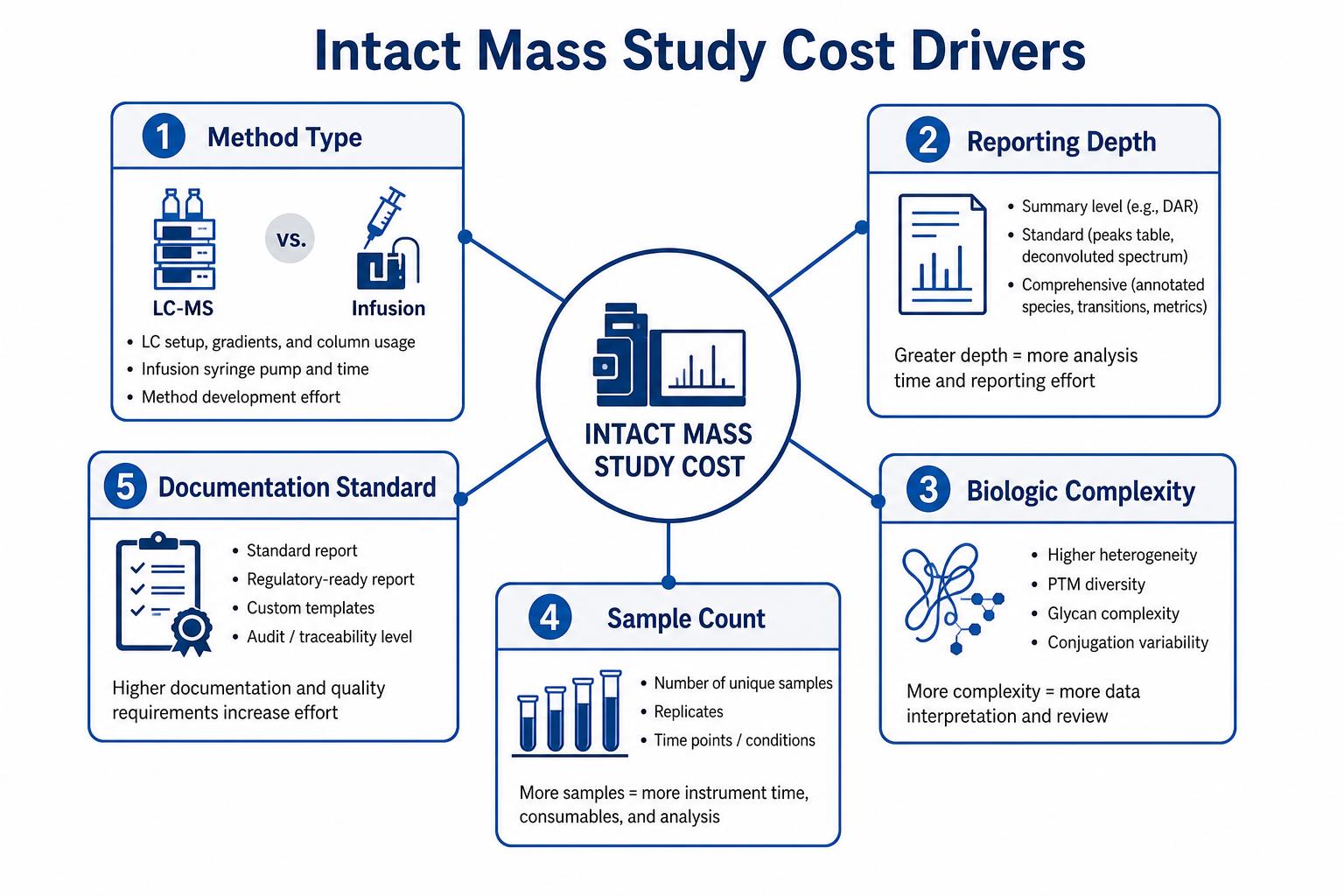
Figure 1. Main factors that shape intact mass study cost across method scope and batch workload
How Project Scope Changes the Budget
Project scope is the practical bridge between scientific need and price. A narrow scope can keep costs controlled. A broader scope may be necessary, but it should be chosen deliberately rather than by default.
1. Lower-Scope Projects
typically include one or two relatively clean samples, direct infusion or a straightforward coupled method, main species mass confirmation, and a concise report. These projects suit early clone screening or initial lot review.
2. Moderate-Scope Projects
may require chromatography-coupled separation, profile comparison across several lots, annotation of major variants, and recommendations when heterogeneity remains unresolved. They are common for process development support and internal QC review.
3. Higher-Scope Projects
often involve complex biologics, biosimilar comparability across many lots, ADC or fusion protein review, reference material overlays, and reporting intended for broader CMC or comparability documentation. These projects usually require more method time, more interpretation, and more structured deliverables.
Researchers should match budget discussions to scope tier, not sample count alone. A quote priced for main mass confirmation should not be expected to include full glycoform profiling without a scope change.
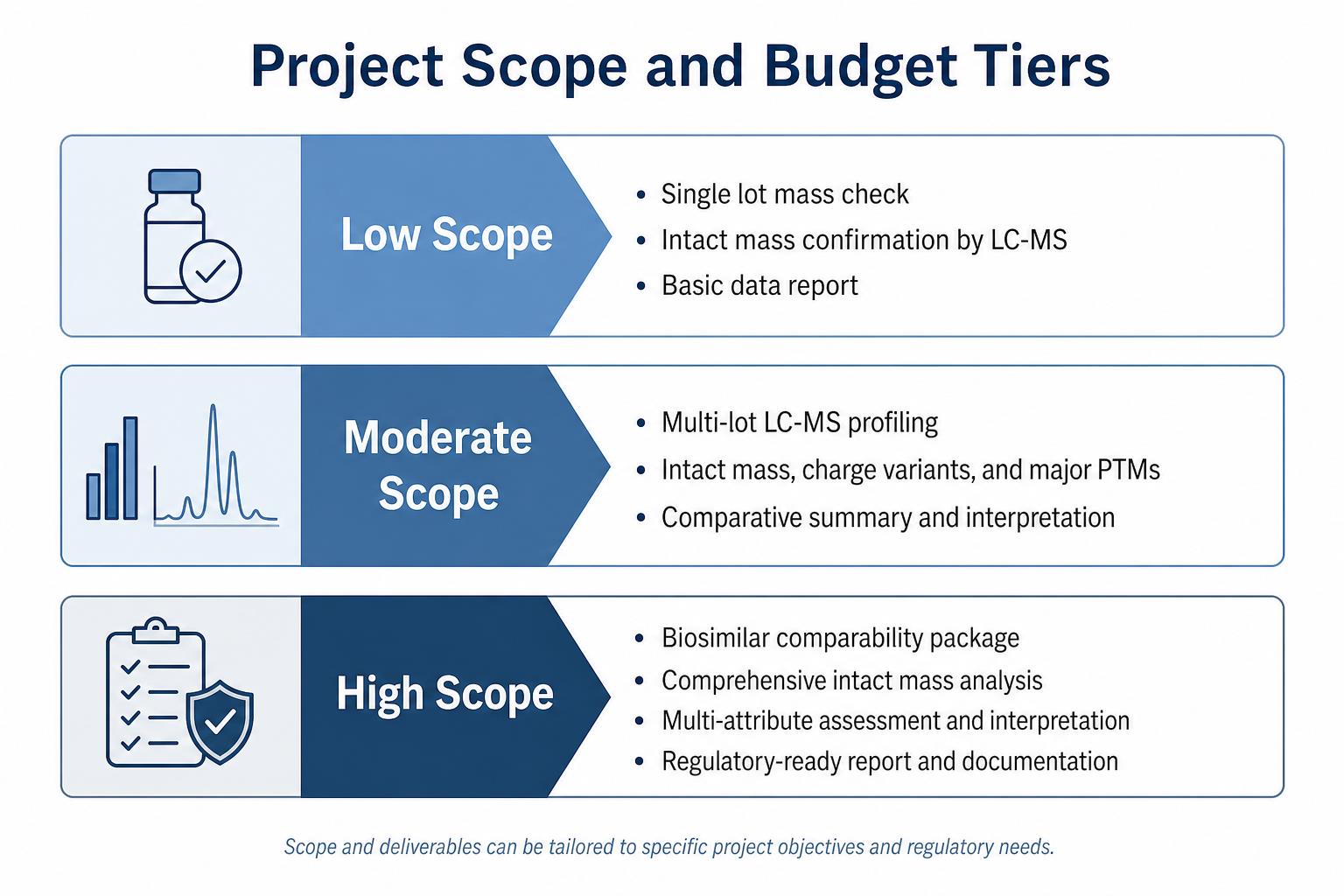
Figure 2. How project scope affects method effort and batch analysis cost
What You Are Paying For in a Quality Service
Price should be evaluated together with deliverable quality. A lower quote may exclude steps that matter for the final decision. A higher quote may reflect real value if it includes sample feasibility review, method selection support, deconvolution quality control, expected mass comparison, variant annotation, and practical follow-up guidance.
A strong intact mass service typically provides:
- project scoping before sample submission
- feasibility feedback on buffer, purity, and biologic type
- method selection matched to the reporting goal
- manual review of deconvolution and profile quality
- comparison to expected biologic mass when sequence information is available
- clear notes on unresolved heterogeneity or ambiguous species
- practical recommendations for peptide mapping, glycan analysis, or charge review when needed
These elements reduce the risk of paying twice because the first intact report answered a narrower question than the project required.
Phase Planning and Hidden Cost Risks
Project phase also affects total expense. Rush requests, repeat submissions after poor sample prep, and rescoping after an under-defined first attempt can increase cost more than an appropriately scoped study from the start. Common hidden cost risks include:
- requesting multi-lot comparability when only main mass confirmation is needed
- submitting samples in incompatible buffers without planning cleanup
- choosing analysis-only pricing when method development is required for a complex biologic
- expecting glycoform profiling from a quote scoped for one deconvoluted mass
- underestimating reference material comparison and reporting needs
- delaying follow-up mapping or glycan work after an ambiguous intact profile
Planning method depth and sample load before submission often saves both money and project effort.
Information to Share Before Requesting a Quote
|
Information to Provide |
Why It Affects the Quote |
|---|---|
|
Biologic type and chain composition |
Defines method complexity and interpretation effort |
|
Buffer and salt composition |
Determines cleanup and feasibility work |
|
Approximate concentration and purity |
Affects prep and acquisition planning |
|
Number of samples, lots, or conditions |
Drives batch and sample analysis cost |
|
Expected mass model or sequence |
Supports annotation and comparison scope |
|
Reporting goal |
Separates main mass confirmation from profiling or comparability review |
|
Reference material availability |
Affects comparability design and report depth |
|
Follow-up assays under consideration |
Helps scope an integrated characterization plan |
The more completely these details are shared, the more accurate the initial quote and project plan will be. Vague requests such as "run intact MS on my antibody" without reporting goal or sample context usually lead to quote revision after feasibility review.
How to Get a More Accurate Quote
The most reliable quotes are based on project scope rather than sample count alone. Share biologic type, buffer conditions, sample number, reporting depth, comparability needs, and intended use of the report with the service provider. If available, sequence information, prior SEC or charge data, and expected modification profile can help estimate method and annotation effort.
For uncertain projects, a staged approach may be cost-effective. Phase 1 can focus on feasibility and molecular weight confirmation on a limited sample set. Phase 2 can expand to coupled intact profiling, multi-lot comparison, or follow-up orthogonal assays only if the first result leaves a defined gap. This approach is especially useful when sample amount is limited or when the team is deciding whether full comparability reporting is required.
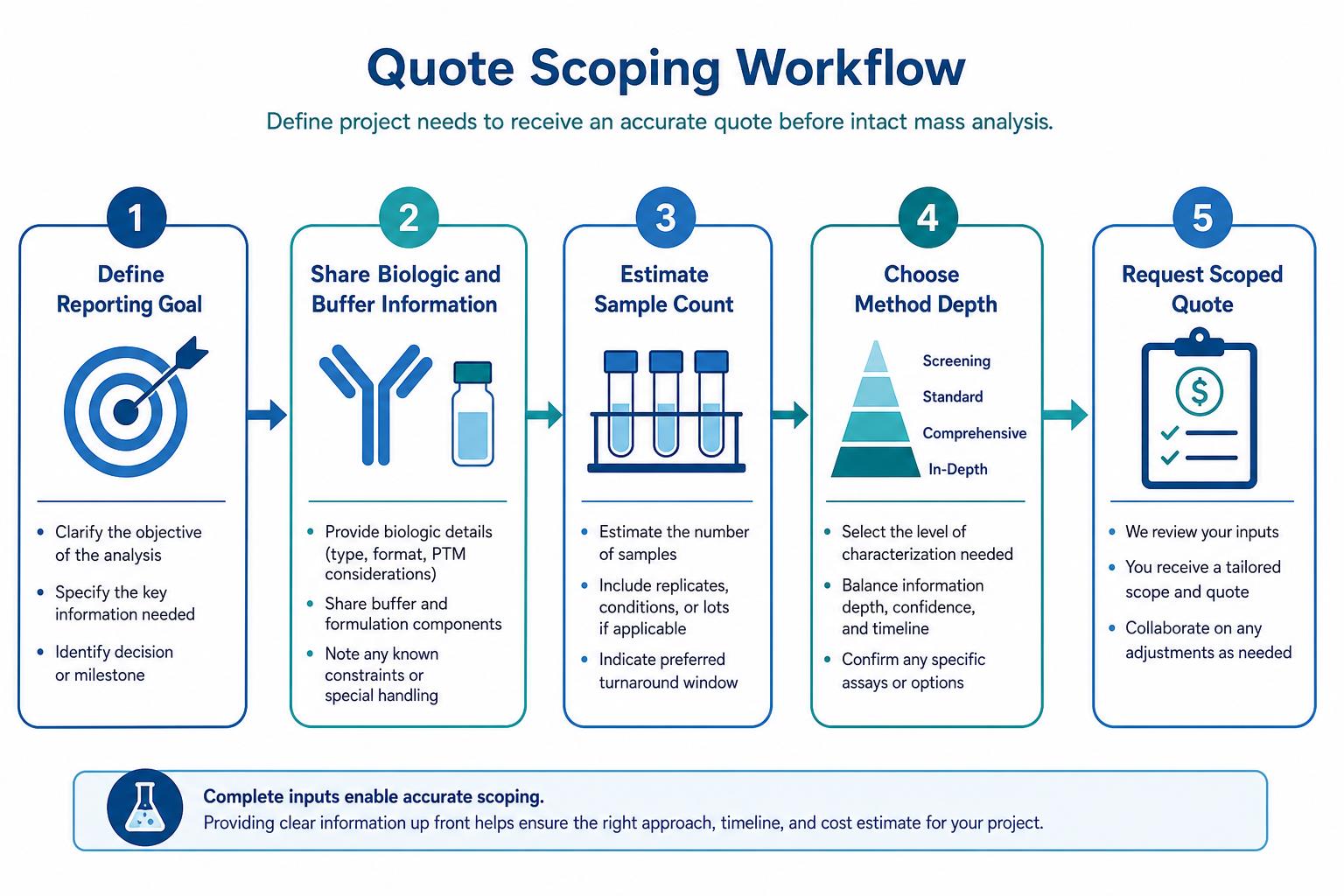
Figure 3. Workflow for scoping an intact mass study before quote request
A staged design can prevent overspending on full comparability reporting when a focused mass check would support the current decision. It can also prevent underfunding a project that truly requires multi-lot profile review and expert annotation.
Frequently Asked Questions
1. Is there a standard price for intact mass analysis?
No. Study cost is usually project-based because biologic type, method choice, sample number, reporting depth, and comparability requirements vary widely. A single-lot mass check and a multi-lot biosimilar review should not be expected to cost the same.
2. What usually increases intact mass study cost the most?
Chromatography-coupled method scope, multi-lot comparability design, and detailed variant or glycoform annotation are often the largest drivers. Complex biologics, difficult sample prep, and CMC-oriented reporting typically increase cost more than a single infusion measurement alone.
3. Can I reduce cost without losing scientific value?
Yes. Define the minimum reporting depth needed, share complete sample information, use a staged workflow when appropriate, and separate main mass confirmation from full profiling in the quote. Reducing unnecessary comparability scope can control cost if the current decision does not require it.
4. Is method development always required?
No. If a suitable intact workflow already exists for the same biologic type and matrix, the project may focus mainly on batch acquisition. New product formats, difficult buffers, native conditions, or unresolved heterogeneity usually require more method work.
5. What information should I send before requesting a quote?
Send biologic type, buffer composition, sample number, purity estimate, expected mass or sequence, reporting goal, reference material details if applicable, and whether the result supports QC, comparability, or exploratory screening. These details help providers estimate method and analysis effort accurately.
Conclusion
Planning costs for an intact mass analysis study depends on method and reporting scope, biologic complexity, batch workload, preparation needs, and documentation standard. Projects with one or two samples and molecular weight confirmation are usually more affordable than multi-lot comparability packages with detailed variant annotation. The most cost-effective approach is to define the reporting goal early, share complete study information, and request a scoped quote that separates feasibility review, method work, and batch analysis.
If you need help estimating budget for antibody intact mass review, biosimilar comparability support, or a broader biologics characterization package, contact MtoZ Biolabs to discuss intact mass analysis scope, sample requirements, and a project plan matched to your reporting goal.
How to order?




