






Multi-Dimensional Protein Identification Service
In modern life science research, the dynamic changes in protein expression directly reflect cellular functional states and are fundamental to understanding key biological processes. Traditional two-dimensional electrophoresis (2D-PAGE) methods were once widely applied but face limitations in sensitivity and throughput when analyzing highly complex samples. In contrast, multi-dimensional protein identification (MudPIT) combines multi-step liquid chromatography separation with tandem mass spectrometry, offering high sensitivity, broad coverage, and compatibility with complex samples. Based on advanced mass spectrometry platforms and optimized workflows, MtoZ Biolabs offers a Multi-Dimensional Protein Identification Service that provides comprehensive protein identification solutions for cells, tissues, and biofluids, strongly supporting mechanistic studies, biomarker discovery, and functional research.
Services at MtoZ Biolabs
The core principle of MudPIT is as follows: proteins from samples such as cell lysates, tissue extracts, or complex mixtures are digested with trypsin to generate peptide mixtures. These peptides are then separated by a multi-dimensional chromatography strategy: strong cation exchange (SCX) fractionation is performed first, followed by reversed-phase high-performance liquid chromatography (RP-HPLC). Finally, LC-MS/MS is employed to acquire peptide spectra, which are matched against protein databases for high-throughput identification. Our multi-dimensional protein identification service includes:
1. Comprehensive proteome identification of complex extracts (cells, tissues, or biofluids).
2. Dual enzyme digestion strategies (e.g., Lys-C + Trypsin) to increase peptide coverage and depth.
3. Multi-dimensional separation for high-sensitivity, high-throughput protein identification.
4. End-to-end support, from sample preparation, fractionation, and MS analysis to final reporting.
Analysis Workflow
1. Sample reception and evaluation: Confirm sample type (cells, tissues, fluids) and assess protein amount, concentration, and purity.
2. Protein digestion: Apply single or dual enzyme strategies (e.g., Lys-C followed by Trypsin) to generate peptide mixtures.
3. Multi-dimensional separation: Perform SCX fractionation followed by RP-HPLC to manage sample complexity.
4. Mass spectrometry analysis (LC-MS/MS): Acquire MS/MS spectra from separated peptides.
5. Database searching: Match peptide spectra against protein databases for identification and qualitative analysis.
6. Report generation and QC: Deliver a final report with protein lists, peptide matches, confidence scores, and QC statistics.
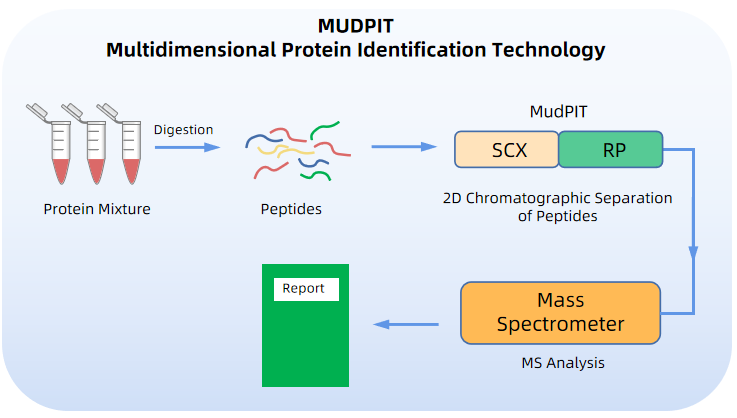
Figure 1. Multi-Dimensional Protein Identification Workflow
Service Advantages
1. High Coverage and In-depth Analysis
By combining SCX and RP-HPLC multi-dimensional separation with dual digestion, peptide separation efficiency and protein identification depth are significantly enhanced, making it well-suited for complex sample analysis.
2. Broad Sample Compatibility
The multi-dimensional protein identification service supports diverse sample types, including cell pellets, tissue homogenates, plasma, and urine, offering flexibility to meet the requirements of different research models.
3. Result Reliability and Quality Control
Strict quality control is applied throughout the workflow, from sample handling and separation to mass spectrometry acquisition, ensuring accuracy and reproducibility. Special attention is given to low-abundance proteins and complex backgrounds, delivering highly reliable results.
4. High Throughput and Scalability
The combination of multi-dimensional separation and tandem mass spectrometry allows simultaneous coverage of hundreds to thousands of proteins in a single experiment. The workflow supports integration with quantitative analyses, post-translational modification studies, and other omics platforms.
5. Expert Support and Customized Solutions
Our team, with expertise in proteomics, provides support from experimental design and sample preparation to result interpretation. Strategies can be tailored to different research goals, enabling efficient, project-specific outcomes.
Applications
1. Functional protein identification and expression profiling: Map proteome landscapes from tissues or cells to support mechanistic studies.
2. Biomarker discovery: Identify differential proteins in biofluids or tissues for diagnostic or prognostic applications.
3. Systems biology research: Integrate results into protein–protein interaction networks and construct molecular models.
4. Complex sample analysis: Suitable for identifying low-abundance proteins and analyzing complex mixtures or biobank samples.
FAQs
Q1: What is the typical turnaround time of the multi-dimensional protein identification service?
A1: Standard projects usually take 2–3 weeks, including sample preparation, MS runs, and reporting. Timelines can be adjusted based on project urgency.
Q2: Is customization or additional analysis supported?
A2: Yes. Optional workflows such as quantitative proteomics, phosphorylation, glycosylation, or other PTM analysis can be arranged upon request.
Sample Submission Suggestions
1. Sample type and format: Provide estimated protein content. Samples should be stored as dry powder or in appropriate buffers, avoiding repeated freeze-thaw cycles.
2. Sample amount: At least 50 µg of total protein is recommended; projects below this threshold should be discussed in advance.
3. Purity and background information: Submit detailed descriptions of sample origin, preparation method, pretreatment conditions, concentration, and volume.
4. Storage and shipping: For frozen samples, transport on dry ice; for standard samples, 4 °C transport is acceptable. Include a sample information sheet.
Deliverables
1. Standardized identification report (PDF/Word), including experimental methods, protein identification lists, peptide information, identification scores, and QC metrics.
2. Raw data files (e.g., RAW, mzML) upon request, enabling downstream re-analysis.
3. Interpretation suggestions, such as preliminary functional annotations or network analysis guidance, if needed.
If you are seeking a protein identification solution that balances depth and complexity, MtoZ Biolabs’ multi-dimensional protein identification service will provide reliable, precise, and high-throughput support. With mature platforms and standardized workflows, we deliver clear and robust experimental outcomes for your research.
Contact MtoZ Biolabs today for a free consultation and tailored quotations, and let us help advance your project to success!
Related Services
Protein Identification Service
Protein Identification Service by Tandem Mass Spectrometry
Protein Identification Service by Shotgun Proteomics
How to order?




