






Identification-Only vs Quantitative Proteomics for Serum, Plasma, and CSF Samples
Choose protein identification when the study must first answer which proteins are detectable in serum, plasma, or CSF under the current matrix and handling conditions. Choose quantitative proteomics when the study must compare protein abundance across defined groups, time points, or treatments.
Identification alone does not support a disease-versus-control claim. Quantitative proteomics is unnecessary when the project only needs a feasibility inventory or a first detectability readout. If both questions matter, plan them as explicit phases rather than treating detection as if it were comparison.
Confirm the analysis package with the laboratory after the matrix and comparison arms are locked.
Why This Choice Is Often Confused
Teams often use "proteomics" to mean different deliverables. One group wants a protein list. Another wants fold changes between arms. A third wants both but has only enough volume for one primary run.
Serum/plasma/CSF protein analysis can deliver identification tables, quantitative matrices, or both, but each output answers a different decision. Identification reports what was found. Quantitative proteomics reports how abundance varies across samples in a defined contrast.
Mixing the two requests without planning creates mismatched expectations in serum/plasma/CSF proteomics. An identification-focused dataset may support retrospective label-free quantification when compatible raw data and a suitable study design are available. However, inconsistent acquisition, insufficient replication, or unbalanced batches may prevent a reliable group comparison.
Identification vs Quantitative Proteomics Comparison
Use the table below for serum, plasma, and CSF samples at the method-selection stage.
|
Decision factor |
Protein identification |
Quantitative proteomics |
|---|---|---|
|
Primary question |
Which proteins are detected? |
How do abundances differ across samples? |
|
Typical deliverables |
Protein identification tables, peptide evidence, acquisition summary |
Quantitative matrices, sample-wise abundance estimates |
|
Best fit when |
Pilot inventory, feasibility check, or first look at a new matrix |
Disease, treatment, time, or genotype contrasts across matched arms |
|
Group contrast required |
No formal contrast needed |
Yes, with matched handling across arms |
|
Sample design pressure |
Lower when only detectability is needed |
Higher; arms and replicates must be defined before run |
|
Common misuse |
Used alone for biomarker claims |
Used when only a protein list is needed |
|
What it does not prove |
That a protein changes between groups |
That every detected protein is biologically causal |
The table is a selection guide, not a ranking. Many strong projects need quantitative proteomics. Some early-stage projects correctly stop at identification.
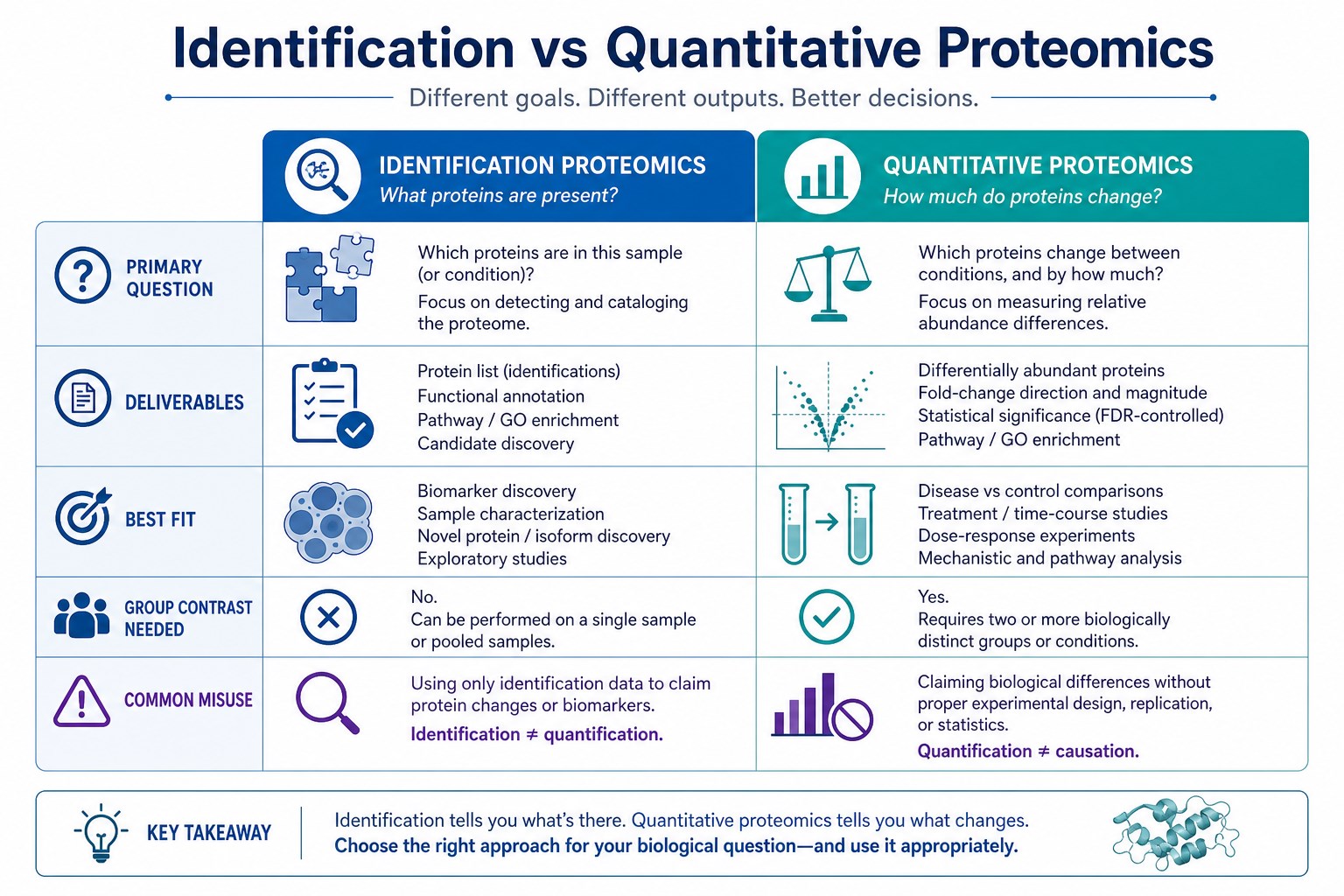
Figure 1. Identification answers detectability; quantitative proteomics answers abundance differences across samples.
What Protein Identification Delivers
Identification-focused serum/plasma/CSF proteomics produces a record of proteins and supporting peptide evidence detected in each sample or pooled set under the agreed workflow.
It helps teams answer:
- which circulating or CSF proteins are visible in the current matrix
- whether the sample type supports the intended proteomics route
- whether a pilot cohort justifies moving to comparative work
Identification is the lighter decision layer when the scientific question has not yet moved to group contrast. It is not a substitute for quantitative comparison when the manuscript or grant claim depends on higher or lower abundance in disease versus control material.
What Quantitative Proteomics Delivers
Quantitative proteomics adds abundance comparison across samples. Typical outputs include quantitative matrices and, when agreed in the project scope, differential protein lists between predefined groups.
It helps teams answer:
- which proteins increase or decrease between disease and control plasma
- how serum protein profiles shift after treatment
- whether CSF candidates rank consistently across matched arms
Quantitative work assumes that matrix, handling, and arm labels are stable across the serum/plasma/CSF protein analysis batch. For plasma, prefer EDTA or citrate and avoid heparin. Mixed anticoagulant history can undermine comparison even when quantification chemistry is strong.
Quantification does not remove biofluid dynamic-range limits. Low-abundance targets may remain difficult even in a well-designed quantitative study.
Decision Guide: Identification, Quantitative, or Both
Choose identification when
The project is in feasibility or pilot stage. No formal group contrast is ready. The main need is detectability in serum, plasma, or CSF under current collection conditions.
Choose quantitative proteomics when
Arms are defined and matched. The claim depends on abundance differences across disease, treatment, time, or genotype groups. Candidate ranking requires group-level comparison.
Plan both in sequence when
A pilot identification phase will inform whether quantitative comparison is worth the sample cost. State this as two phases with separate success criteria rather than one ambiguous request.
Stop and clarify when
The proposal asks for identification only but the hypothesis is already a disease contrast. The cohort is too small for comparison but quantitative analysis is still expected to produce definitive biomarker claims. Pathway figures are requested without a quantified contrast.
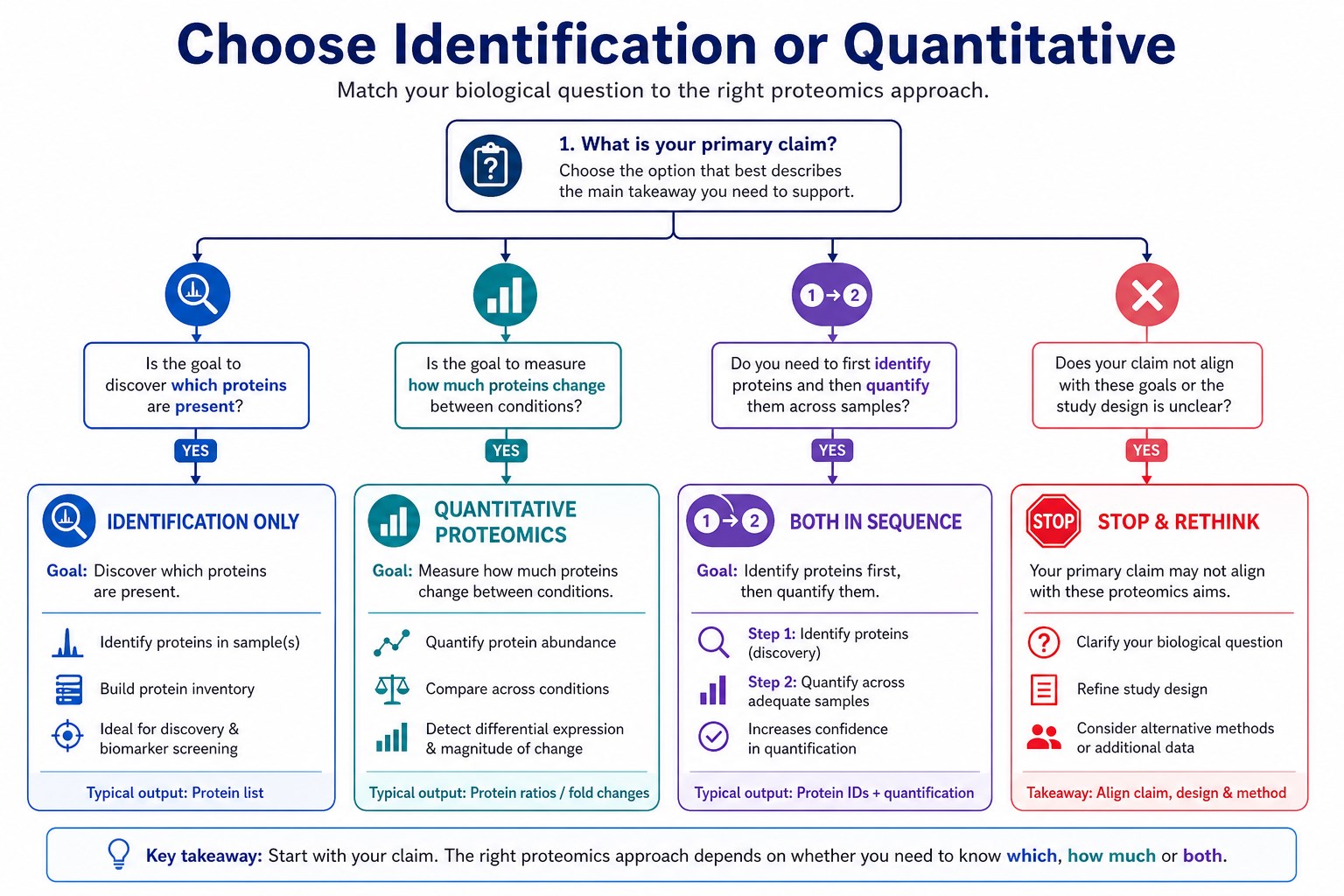
Figure 2. Match the method to the decision: detectability, group comparison, or a staged move from one to the other.
Matrix Notes for Serum, Plasma, and CSF
Serum and plasma both support identification and quantitative workflows when handling is matched. They are not interchangeable within one contrast unless matrix comparison is the explicit design.
CSF can support both identification-only and quantitative workflows, but limited sample availability may require prioritizing one primary research question. Identification may fit an early feasibility check. Quantitative comparison should be reserved for the main CNS-proximal contrast once arms are stable.
Blood matrices should not stand in for CSF when the claim is CNS-proximal. CSF should not be chosen only because blood comparison seems simpler.
Risks of Choosing the Wrong Layer
Identification chosen for a comparison claim
The project may produce detectable proteins but no defensible fold-change story between arms. Later attempts to impose group statistics on non-quantitative data usually fail review.
Quantitative proteomics chosen for a list-only need
Sample volume, cost, and design burden increase without scientific gain. Precious CSF aliquots are especially vulnerable to this mismatch.
Unclear two-phase planning
Teams may consume all material in an identification pilot and leave no matched aliquots for the quantitative phase they wanted next.
For projects that need help separating identification from quantitative goals in serum/plasma/CSF proteomics, MtoZ Biolabs can review the claim and deliverables before the first batch is run.
Related Services
Teams choosing between identification and quantitative paths can review the service roles below with MtoZ Biolabs before confirming project scope.
Complementary: Blood/Plasma/Serum Proteomics Solutions. Role: map circulating biofluid projects to identification or quantitative deliverables.
Complementary: Plasma Proteomics Service. Role: support plasma-specific quantitative comparison when anticoagulant-matched arms are ready.
Alternative: Cerebrospinal Fluid (CSF) Protein Quantitative Proteomics Solutions. Role: move from CSF feasibility to quantitative comparison when the CNS-proximal contrast is defined.
Planning Scenarios
New serum biobank, unknown detectability
Start with identification on a small subset. Move to quantitative proteomics only if detectability and sample records support the main contrast.
Fixed disease versus control plasma cohort
Choose quantitative proteomics from the start. Identification alone will not answer the primary claim.
Four precious CSF tubes per arm
Avoid spending all tubes on identification if the funded aim is group comparison. Lock one quantitative question first.
Grant text mentions "proteomics and pathway analysis"
Pathway views require candidate lists from a defined contrast. Quantitative proteomics or agreed differential outputs should come before pathway interpretation is treated as the main deliverable.
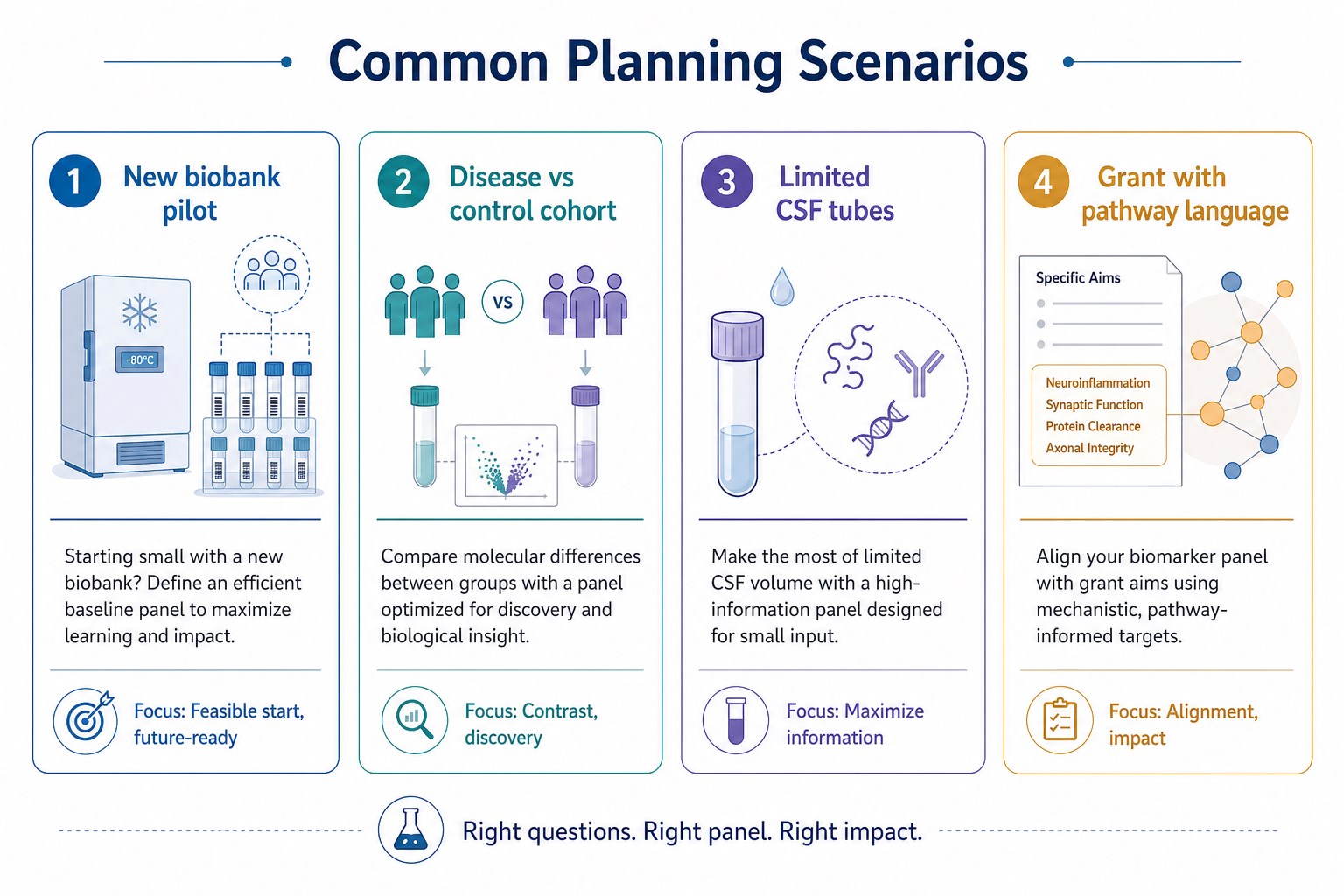
Figure 3. Wrong-layer choices usually appear when the claim is comparative but the scope stops at identification.
Frequently Asked Questions
1. What is the difference between protein identification and quantitative proteomics?
Identification reports which proteins are detected. Quantitative proteomics compares protein abundance across samples in a defined contrast.
2. Is identification enough for serum, plasma, or CSF biomarker discovery?
Usually not when the biomarker claim depends on group differences in serum/plasma/CSF proteomics. Detection alone does not show that abundance changed between disease and control material.
3. When is quantitative proteomics unnecessary?
When the project only needs detectability, feasibility, or a pilot inventory under the current matrix and handling conditions.
4. Can identification be upgraded to quantitative analysis later?
Only if quantitative acquisition was planned with comparable sample handling and sufficient material remains. Treat late upgrades as a new phase, not an automatic add-on.
5. Does CSF require quantitative proteomics more often than identification?
Not by default. CSF often needs a sharper choice because volume is limited, but identification can still fit early feasibility when the main contrast is not yet ready.
Conclusion
Protein identification and quantitative proteomics answer different questions in serum, plasma, and CSF samples. Identification fits detectability and pilot planning. Quantitative proteomics fits matched group comparisons and abundance-based claims.
The practical rule is to write one primary decision sentence, then choose the layer that can support it without overreach. Teams planning serum/plasma/CSF protein analysis can contact MtoZ Biolabs to confirm whether identification, quantitative proteomics, or a staged combination fits the current study.
How to order?




