






Antibody Sequencing: How It Works and When to Use It
Introduction
Antibody projects often reach a point where binding data alone is not enough. A monoclonal antibody may show strong activity in ELISA or cell assays, yet the team may not know the exact heavy-chain and light-chain sequences. A legacy hybridoma may lose productivity. A purified antibody may come from an old inventory with incomplete records. In each case, the sequence becomes the bridge between a useful binder and a reproducible research or development asset.
Antibody sequencing is the process of determining the amino acid or nucleotide sequence of an antibody, usually including the variable regions, complementarity-determining regions, and sometimes full-length heavy and light chains. The results support recombinant expression, antibody engineering, patent documentation, biosimilar comparison, and quality-focused characterization.
For researchers who need to recover an antibody sequence, the main question is not simply “Can this be sequenced?” It is “Which sequencing route fits my sample, my evidence standard, and my downstream use?” If your team is deciding whether a hybridoma, purified antibody, serum-derived antibody, or recombinant construct can support sequence recovery, MtoZ Biolabs can Review fit before samples are submitted.
Related Services
| Customer Need | Recommended Service Direction |
| Need sequence recovery from purified antibody protein | De Novo Antibody Sequencing Service |
| Need sequence recovery from cells or cDNA | PCR Based Antibody Sequencing Service |
| Need full-length protein sequence support | Protein Full-Length Sequencing Service |
| Need identity confirmation from MS data | Protein Identification Service |
| Need downstream primary-structure confirmation | Peptide Mapping Service |
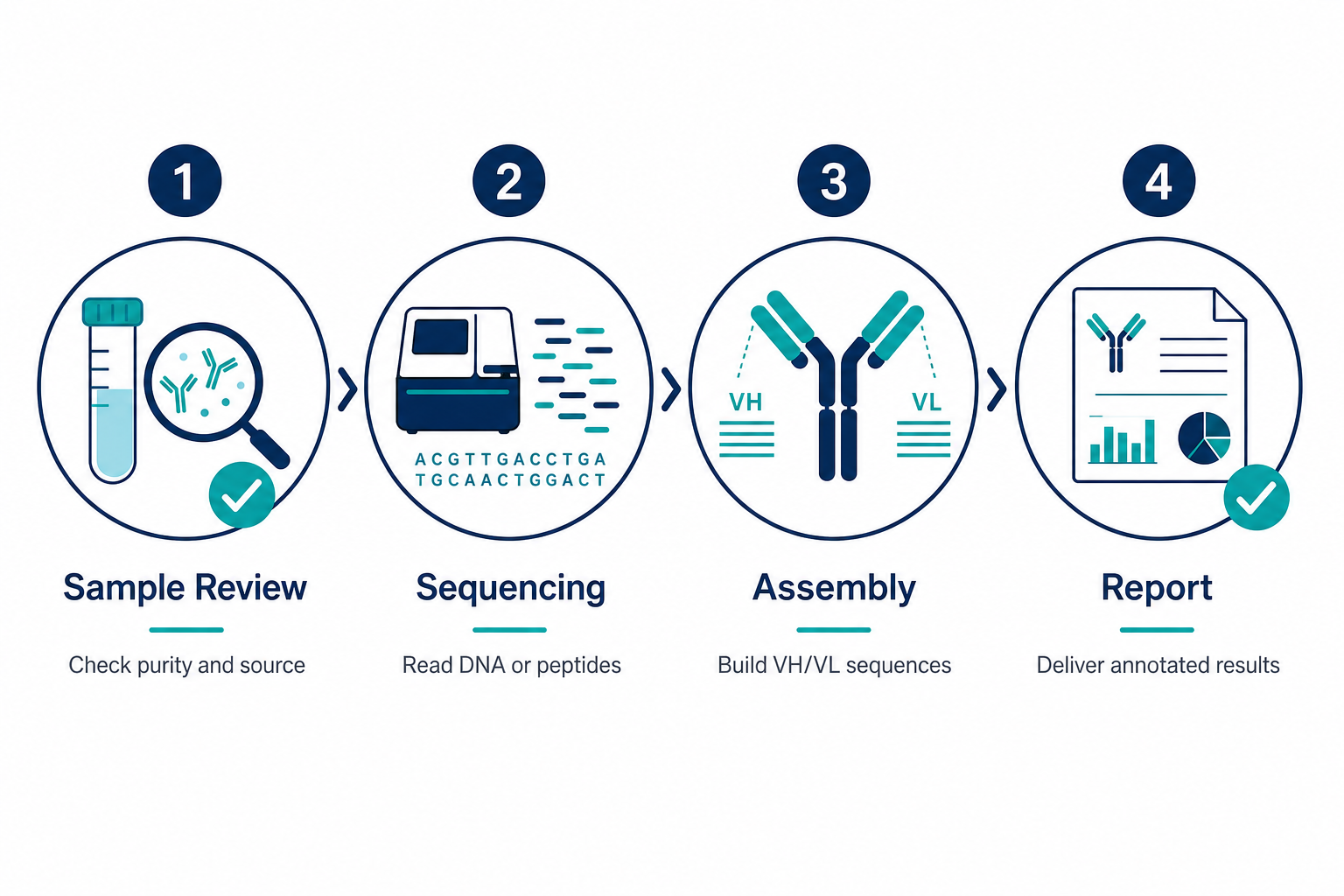
Figure 1. The workflow converts antibody samples into annotated sequence evidence through wet-lab analysis, assembly, and validation.
What Question Does Antibody Sequencing Answer?
At its core, the method answers a practical question: what sequence defines this antibody? For many teams, that means identifying the VH and VL regions that drive binding specificity. For others, it may mean confirming a full-length sequence, checking CDR regions, comparing a biosimilar candidate, or documenting a sequence for recombinant production.
This differs from antibody binding assays. ELISA, SPR, BLI, Western blotting, and flow cytometry describe how an antibody behaves against a target. Sequencing describes the molecular identity behind that behavior. Both types of data are useful, but they answer different questions.
This method is also different from broad antibody profiling. Methods such as repertoire sequencing or PhIP-Seq can analyze large immune recognition patterns. A dedicated sequence recovery project usually focuses on recovering or confirming the sequence of a specific antibody candidate or antibody-containing sample.
Main Technical Routes
There are two common routes. The first is nucleic-acid-based sequencing, often used when hybridoma cells, B cells, or cDNA material is available. PCR-based recovery amplifies immunoglobulin variable regions and reads the DNA sequence. This route is efficient when viable source material exists and primer design can capture the relevant heavy-chain and light-chain transcripts.
The second route is protein-level sequencing, often used when only purified antibody protein is available. LC-MS/MS-based de novo recovery digests the antibody into peptides, measures peptide fragments by high-resolution mass spectrometry, and reconstructs heavy-chain and light-chain sequences through peptide evidence and bioinformatics assembly. This route can be valuable for legacy antibodies, commercial antibodies, or samples without recoverable cells.
In practice, some projects use both approaches. PCR-based data can provide transcript-level sequence evidence, while peptide mapping or LC-MS/MS can confirm protein-level expression, detect sequence variants, or support additional characterization. The best design depends on sample type, expected antibody complexity, and how the final sequence will be used.
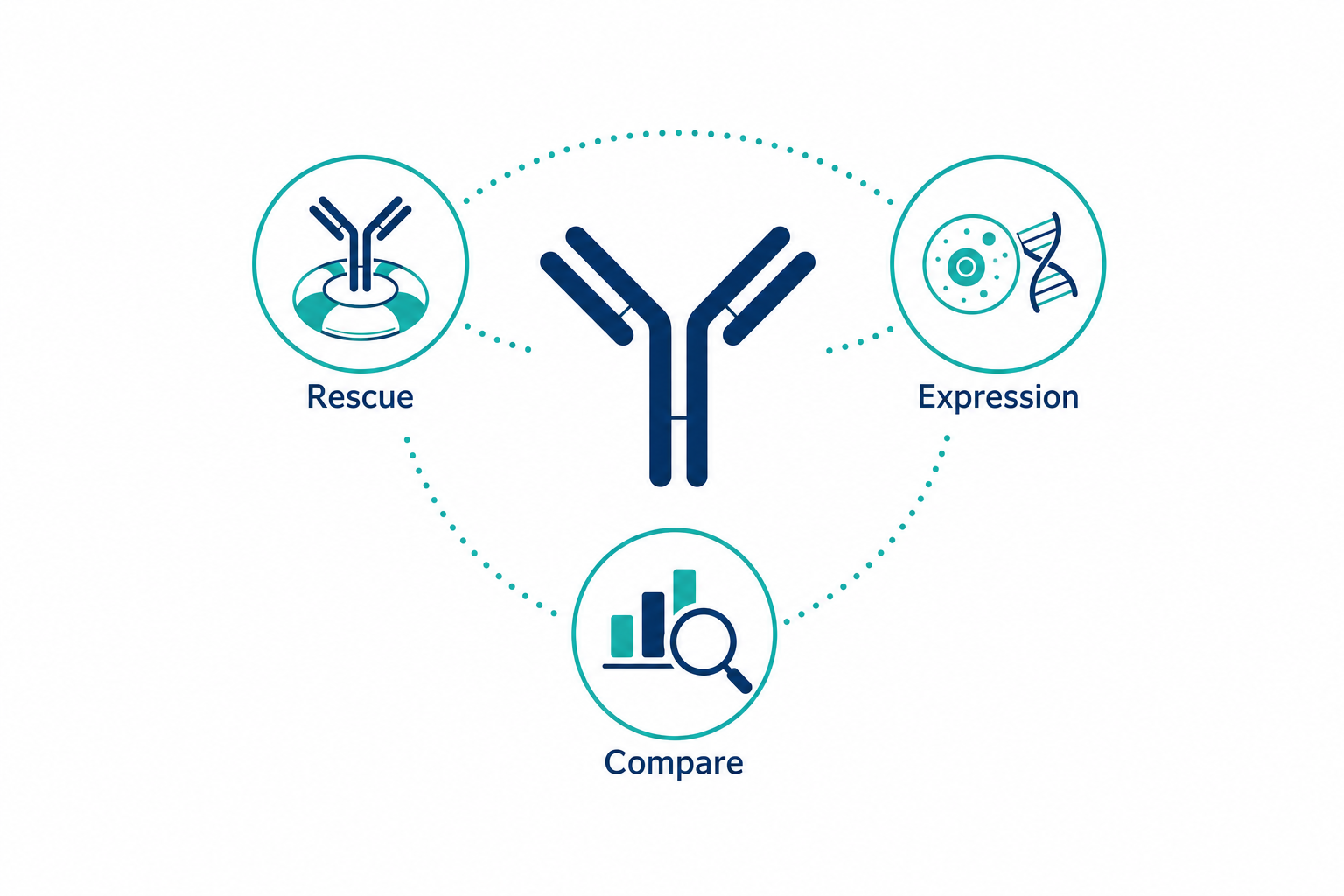
Figure 2. Researchers use this approach when sequence identity affects reproducibility, expression, comparison, or documentation.
What Happens During a Sequence Recovery Workflow?
A typical workflow starts with feasibility review. The sequencing team evaluates sample type, purity, amount, species, isotype, buffer composition, and available project history. This step matters because mixed antibodies, degraded samples, or incomplete metadata can affect sequence confidence.
For protein-based projects, antibodies are usually purified or checked for purity before enzymatic digestion. Multiple proteases may be used to generate overlapping peptides. LC-MS/MS then measures peptide fragments, and software-assisted interpretation builds candidate sequences. Experienced review remains important because ambiguous peptide evidence, homologous framework regions, and CDR complexity can challenge automated assembly.
For PCR-based projects, RNA or cDNA quality is central. Primers target immunoglobulin regions, followed by amplification, sequencing, assembly, and annotation. The final output may include heavy-chain and light-chain variable regions, CDRs, framework regions, germline gene assignment, and sequence files.
What Results Should Researchers Expect?
A useful report should not be limited to a sequence string. It should explain how the sequence was obtained, which regions have strong evidence, where ambiguity remains, and whether downstream confirmation is recommended. For projects that will support recombinant expression, even a small error in CDR or framework assignment can affect binding or manufacturability.
Expected deliverables may include annotated VH and VL sequences, CDR numbering, raw spectra or sequencing reads, peptide coverage maps, QC summaries, method notes, and interpretation comments. If the project involves a biosimilar or antibody drug candidate, additional comparison or primary structure analysis may be needed.
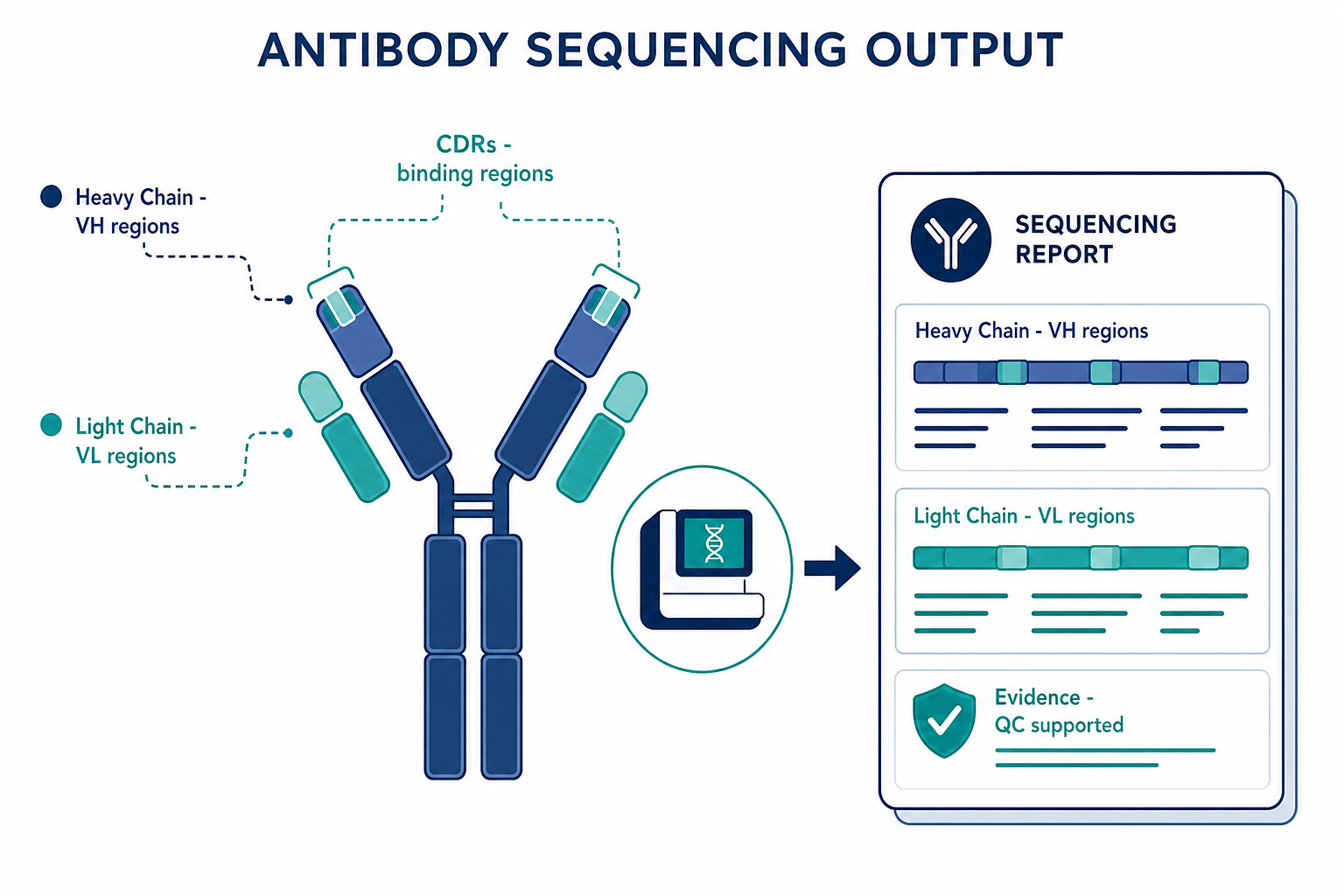
Figure 3. Strong deliverables connect sequence calls with evidence, annotation, and QC context.
Limitations and Practical Cautions
Sequence recovery is powerful, but it is not magic. A mixed sample may produce overlapping sequence evidence. Very low antibody abundance can reduce coverage. Degraded RNA can affect PCR-based recovery. Protein modifications, glycosylation, missed cleavages, and highly similar framework regions can complicate interpretation.
Researchers should also avoid treating sequence recovery as the final biological proof. If the goal is recombinant expression, the recovered sequence should be synthesized, expressed, and tested for binding. If the goal is a regulatory or quality comparison, orthogonal characterization may be needed.
The strongest projects start with clear sample history, realistic success criteria, and a plan for validation. This reduces rework and makes the final sequence more actionable.
Frequently Asked Questions
1. Can antibody sequencing work if I only have purified antibody protein?
Yes. Protein-level LC-MS/MS and de novo sequencing can be used when purified antibody protein is available. Sample purity, amount, and complexity strongly influence confidence.
2. Is PCR-based antibody sequencing better than LC-MS/MS?
Not always. PCR-based sequencing is efficient when suitable cell or nucleic acid material exists. LC-MS/MS is valuable when only protein is available or when protein-level confirmation is needed.
3. Can sequencing recover CDR regions?
Yes, CDR annotation is a common goal. However, CDR confidence depends on read quality, peptide coverage, assembly quality, and the method used.
4. Does antibody sequencing prove binding activity?
No. Sequencing identifies molecular identity. Binding activity should be verified through functional assays after sequence recovery or recombinant expression.
Conclusion
Antibody sequencing helps researchers convert a useful antibody into a defined, reproducible molecular asset. It supports hybridoma rescue, recombinant production, biosimilar comparison, primary structure confirmation, and long-term project documentation. The best workflow depends on sample type and downstream purpose. To reduce uncertainty, MtoZ Biolabs can Plan next with your team before sample preparation, method choice, and validation begin.
How to order?




