






What Should You Check Before Sending Serum, Plasma, or CSF Samples for Proteomics?
Before shipping serum, plasma, or CSF samples for proteomics, review both vial-level quality and batch-level consistency, including sample appearance, collection and processing history, freeze-thaw and storage records, labeling, study-group consistency, and biosafety information.
Do not ship vials with severe hemolysis, severe lipemia, visible contamination, heavy precipitation, or repeated freeze-thaw for the main comparison. Infectious samples are not accepted. Confirm submission amount, storage temperature, and shipping method with the laboratory before packing.
When any check fails, hold the vial, correct the record, replace the aliquot, or exclude it from the primary arm before the shipment leaves the site. Pre-shipment review is a gate that keeps unsuitable biofluids out of serum/plasma/CSF protein analysis, not a cosmetic step before courier pickup.
Pre-Shipment Check Flow
Use the flow below in order. Do not pack the primary batch until all samples have been reviewed and any unresolved quality, documentation, or biosafety issues have been evaluated by the laboratory.
|
Step |
What to verify |
Pass |
Hold and review |
|---|---|---|---|
|
1. Appearance |
Color, clarity, particles, precipitation |
No obvious hemolysis, lipemia, contamination, abnormal cloudiness, or substantial precipitation |
Severe hemolysis, severe lipemia, visible contamination, or heavy precipitation |
|
2. Records |
Freeze date, thaw count, storage condition |
Known history and matched across arms |
Unknown or repeated freeze-thaw, unmatched storage between arms |
|
3. Labels |
Matrix, anticoagulant, arm ID, subject ID |
Complete and unambiguous |
“Blood,” “biofluid,” or missing anticoagulant on plasma |
|
4. Safety and intake |
Inactivation status, ethics docs, laboratory confirmation |
Accepted status confirmed |
Infectious material or incomplete safety documentation |
If Step 1 or Step 4 fails, do not include the vial in the primary shipment batch. If Step 2 or Step 3 identifies missing information, reconstruct the record from source documentation when possible. If samples were actually processed, stored, or thawed differently across study groups, flag the issue for laboratory review
Run the flow on the full primary batch, not on a convenience subset. Shipping the best-looking vials while leaving questionable ones for a later round creates two handling batches inside one study and makes later comparison harder to defend.
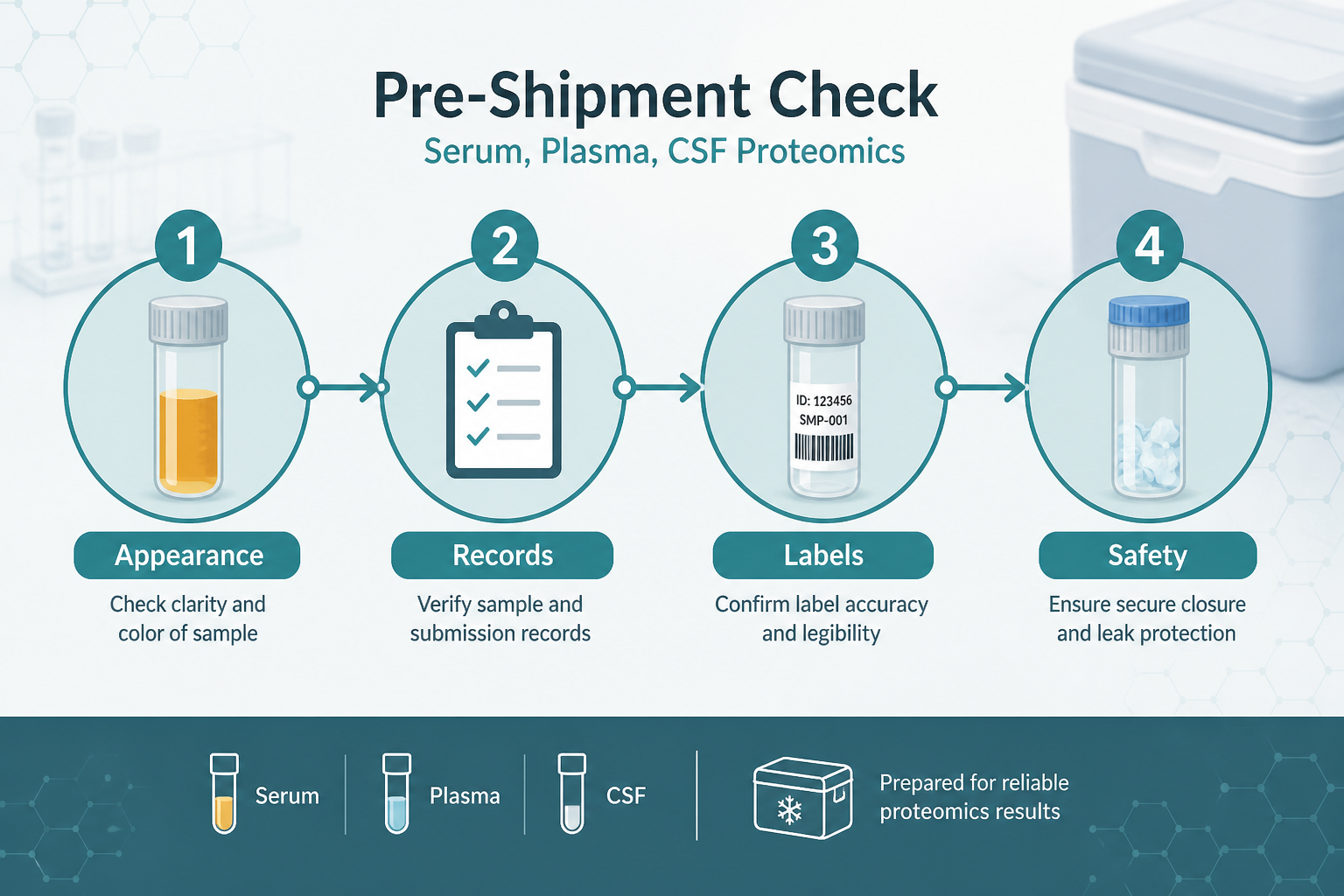
Figure 1. Review appearance, records, labels, and safety status in order before packing biofluid samples.
Appearance Checks by Matrix
Visual review is the fastest way to catch vials that should not enter the main comparison.
Serum
Inspect for pink or red color that may indicate hemolysis. Note cloudiness, visible particles, or separation layers that look abnormal for the cohort.
Severe hemolysis can introduce high-abundance blood-cell proteins, alter the measured serum proteome, and cause the sample to behave as an outlier in group-level analyses. Do not ship it as a primary-arm vial without laboratory review.
Plasma
Inspect for hemolysis and lipemia. Lipemic plasma may appear cloudy or milky and can interfere with sample preparation and downstream LC-MS analysis.
Also confirm that the vial matches the cohort anticoagulant rule. A clear plasma sample collected with heparin does not meet the predefined cohort design when the study protocol specifies EDTA or citrate plasma.
CSF
Inspect for discoloration, visible particles, or unusual cloudiness that may indicate blood contamination or inadequate processing. When available, also record whether the sample was obtained during a traumatic lumbar puncture, the collection-tube order, and any red-blood-cell count or contamination note.
CSF has lower total protein than blood-derived matrices, so even small contamination events can have an outsized effect. Document appearance and segregate clearly compromised vials from the main contrast.
Record and Consistency Checks
Appearance alone is not enough. Consistent records across study arms matter as much as biological matching.
Freeze-thaw history
Record how many times each proteomics aliquot was frozen and thawed. Prefer aliquots that have not been previously thawed.
Repeated freeze-thaw is not recommended for primary comparison arms. If disease samples underwent additional freeze-thaw cycles while control samples did not, freeze-thaw history becomes a potential preanalytical confounder and should be reviewed before the groups are compared.
Storage condition
Confirm that all vials in the batch were stored under the condition agreed with the laboratory. Storage mismatches between arms create hidden batch effects.
When possible, confirm aliquoting and storage requirements with the laboratory before the first freeze. Confirm the shipping temperature, packaging, and courier requirements again before dispatch.
Write storage and thaw notes in a format the whole team can read later. “Stored frozen” is not sufficient documentation if samples were kept in different freezers, at different temperatures, for substantially different durations, or experienced different temperature excursions.
Handling consistency across arms
Compare collection date ranges, processing notes, and matrix rules across disease, control, and treatment arms. Pre-shipment review should catch cohort-level drift, not only one bad tube.
For plasma, verify one anticoagulant class across the full cohort. Mixed EDTA, citrate, and heparin sets should not ship as one undifferentiated plasma group.
Submission amount
Confirm recommended submission amount with the laboratory before packing. Do not assume volume targets from unrelated assays or older projects.
Documentation to Attach Before Shipping
Prepare a short submission pack so intake review does not depend on verbal notes.
- matrix for each vial: serum, plasma, or CSF
- plasma anticoagulant when applicable
- study-arm and subject or animal ID
- collection date and freeze date
- thaw count for each proteomics aliquot
- appearance notes, including hemolysis, lipemia, discoloration, or precipitation
- remaining volume after local use
- ethics or safety documents for human or pathogen-related materials
- laboratory confirmation of storage and shipping method
Include a vial map when many tubes look identical. The map should connect external labels to study IDs without abbreviation guesswork.
If backup aliquots remain on site, note which backups share the same freeze history as the shipped set. A backup thawed for another assay is not an equivalent reserve.
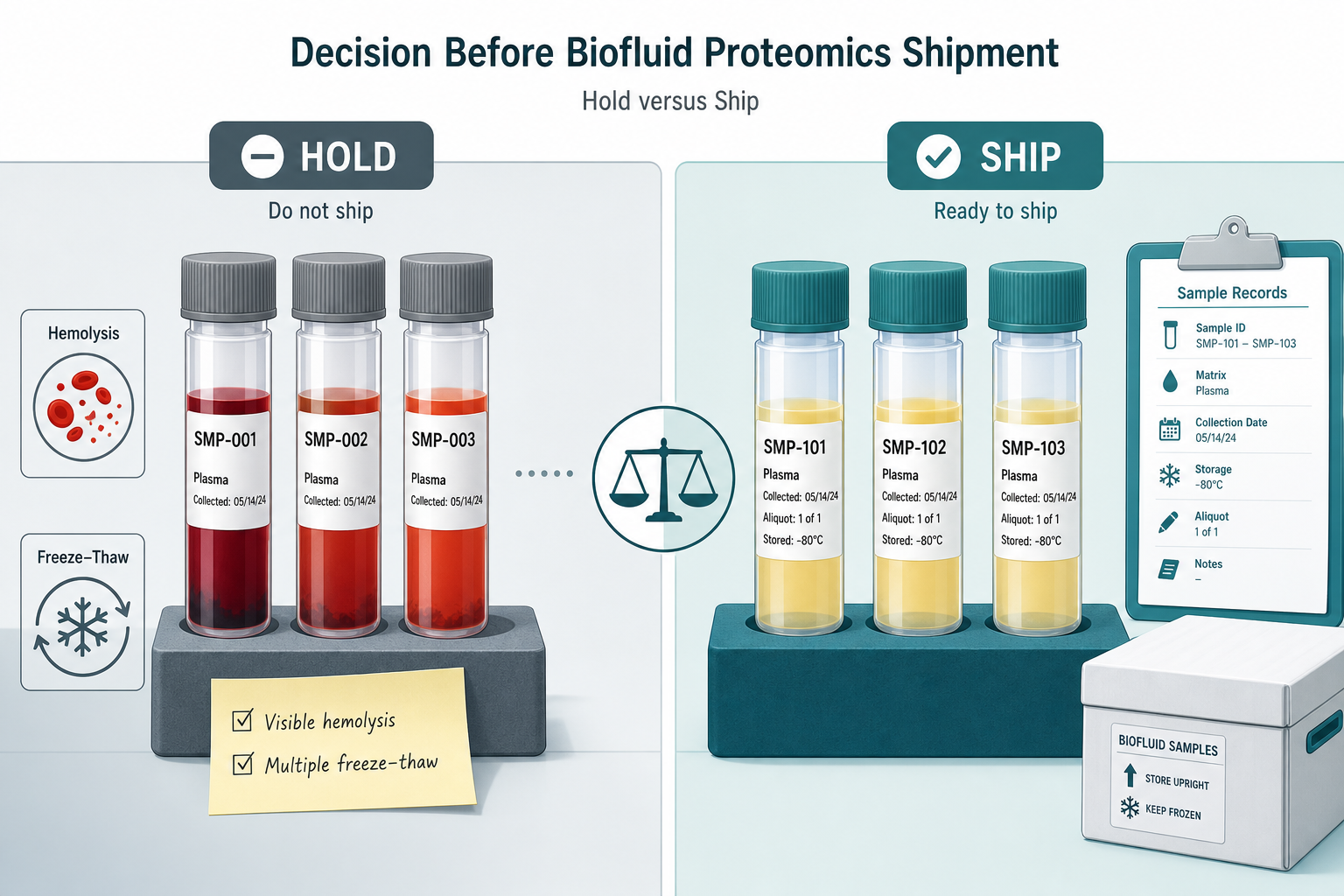
Figure 2. Hold compromised vials, correct records, or replace aliquots before the primary batch ships.
Hold vs Ship: Decision Rules
Use these rules when the pre-shipment check is complete.
Do not ship for the main comparison:
- severe hemolysis
- severe lipemia
- visible contamination
- heavy precipitation
- repeated freeze-thaw with unmatched history across arms
- infectious samples
- incomplete safety or inactivation documentation
Correct before shipping:
- missing matrix or anticoagulant label
- ambiguous arm assignment
- incomplete thaw history that can still be reconstructed
- submission amount not yet confirmed with the laboratory
Ship only after review:
- borderline appearance that the laboratory agrees to treat as exploratory or backup material
- replacement vials drawn from a different processing batch than the original cohort
When several vials fail the same check, pause the shipment and review the collection or processing SOP. A pattern of hemolysis or label errors usually indicates a site problem, not isolated tube failure.
Common Pre-Shipment Mistakes
Mistake 1: shipping every vial because the study timeline is tight.
Fix: pause the shipment and review the full batch with the laboratory. Apply the same predefined quality criteria across all study groups before deciding whether samples should be included, replaced, or excluded.
Mistake 2: treating appearance as the only check.
Fix: verify freeze history and plasma anticoagulant consistency even when vials look clear.
Mistake 3: sending infectious material without accepted inactivation status.
Fix: confirm safety requirements before packing; infectious samples are not accepted.
Mistake 4: using one generic “blood” inventory for serum and plasma vials.
Fix: verify the matrix against the original collection and processing records before relabeling. Do not assign serum or plasma based on appearance alone.
Mistake 5: shipping without laboratory confirmation of amount and shipping method.
Fix: confirm intake requirements before dry ice or cold-chain packing begins.
Final Packing Review Before Courier Pickup
After individual vials pass the four-step flow, run one batch-level review:
- every primary-arm vial is accounted for in the vial map
- dry ice or cold-chain supplies match the shipping method confirmed with the laboratory
- the submission pack is inside or attached to the shipment in the format requested
- compromised vials are physically separated from the primary batch so they are not packed by mistake
Do not repack at the last minute from backup boxes that were thawed for other assays. Last-minute substitutions are a common source of unmatched freeze history.
If the shipment crosses sites or institutions, confirm that transfer timing will not create an unplanned thaw event before intake. A vial that passes visual review can still fail practically if it arrives outside the agreed storage path.
Related Services
Complementary
Blood/Plasma/Serum Proteomics Solutions
Use when serum or plasma vials pass pre-shipment checks and circulating protein comparison is the project goal.
Complementary
Cerebrospinal Fluid (CSF) Protein Quantitative Proteomics Solutions
Use when CSF vials pass appearance and record review and CNS-proximal comparison remains the design.
Next step
Biofluid Biomarker Discovery Solutions
Consider after a quality-accepted proteomics batch returns candidate proteins for follow-up planning.
Frequently Asked Questions
1. What should be checked first before sending biofluid samples for proteomics?
Appearance, freeze and storage records, label consistency, and safety documentation. Fail any one block and hold the vial before shipping.
2. Which conditions mean a sample should not be sent for the main comparison?
Severe hemolysis, severe lipemia, visible contamination, heavy precipitation, and repeated freeze-thaw. Infectious samples are not accepted.
3. Is a clear-looking plasma vial always ready to ship?
No. Confirm anticoagulant consistency, thaw history, arm labels, and laboratory submission requirements even when appearance looks normal.
4. What records should travel with the shipment?
Matrix, anticoagulant, study-arm ID, collection and freeze dates, thaw count, appearance notes, and required safety or ethics documents.
5. Can one compromised vial ship with an otherwise good cohort?
It should not enter the primary comparison without review. A compromised sample may affect group summaries, particularly in a small cohort, and should be reviewed before inclusion in the primary comparison.
6. What should be done if thaw history differs between disease and control arms?
Treat the difference as a potential preanalytical confounder. Review the affected samples with the laboratory before deciding whether to replace them, exclude them from the primary analysis, or analyze them separately.
7. When should the laboratory be contacted before packing?
When submission amount, shipping method, borderline appearance, or safety status is unclear.
Conclusion
Before sending serum, plasma, or CSF samples for proteomics, verify appearance, records, labels, and safety status on every vial in the primary batch. Do not ship severely hemolyzed, lipemic, contaminated, precipitated, or repeatedly freeze-thawed samples for the main comparison, and do not submit infectious materials.
Use the pre-shipment check flow to hold, correct, or replace vials before courier pickup. Teams ready to ship can contact MtoZ Biolabs to confirm sample status against the intended serum/plasma/CSF proteomics design.
How to order?




