






What Does “IP-MS Validated Antibody” Mean?
An IP-MS validated antibody should mean the reagent was tested for immunoprecipitation performance under conditions relevant to LC-MS/MS readout—not merely that it detects a band on a western blot or that “IP” appears on an application list. This article explains what the label is intended to mean, how to read validation evidence with appropriate skepticism, and what the claim does and does not guarantee for discovery-oriented interaction work. Teams comparing catalog options can share target protein, sample type, and planned readout with MtoZ Biolabs before ordering.
IP-MS validation is application validation for enrichment workflows that feed mass spectrometry. The reagent should have been evaluated for its ability to:
- Immunoprecipitate the intended bait from a relevant lysate or matrix
- Produce bait recovery that can be read by LC-MS/MS after digestion
- Maintain background low enough for partner identification to remain interpretable under stated IP conditions
- Perform with a bead format, host, and isotype compatible with the documented workflow
That is a higher standard than western blot reactivity alone. It is also narrower than a guarantee that every interactor in your system will be discovered or that no further controls are needed. Phrases such as antibody validated by IP-MS and antibody validated for IP-MS should refer to the same application logic: enrichment evidence tied to MS readout.
What Validation Evidence Should Show
Trustworthy IP-MS validation data should make the tested workflow visible, not only the target name.
Useful evidence typically includes:
- Bait identification in the immunoprecipitate by MS or a clearly linked IP-to-MS workflow
- Stated sample type, species, or cell context used during validation
- Capture format such as uncoupled antibody plus protein A/G, or bead-ready conjugate
- Indication of background level or control contrast when available
- Compatibility notes for host, isotype, clonality, or conjugation state
Evidence becomes more research-useful when it shows how the reagent behaved in an enrichment step resembling the buyer’s planned IP-MS design, not when it only reproduces a western blot image from an unrelated matrix.
|
Evidence element |
What it supports |
Why it matters before purchase |
|---|---|---|
|
Bait recovered in IP eluate |
Target capture works in solution |
Core requirement for IP-MS |
|
Bait peptides identified by MS |
Readout matches planned workflow |
Links IP to LC-MS/MS use |
|
Stated IP conditions |
Evidence is transferable |
Reduces guesswork on washes and format |
|
Control or background context |
Specificity is interpretable |
Supports partner ranking later |
|
Species and isoform match |
Reagent fits your sample |
Avoids immunogen mismatch |
|
Bead-ready or coupling notes |
Format fits your IP plan |
Prevents setup failure before MS |
The table is an evidence checklist, not a pass-fail scorecard. Missing one row may still allow a useful reagent, but missing bait-recovery support should pause purchase for MS discovery projects.
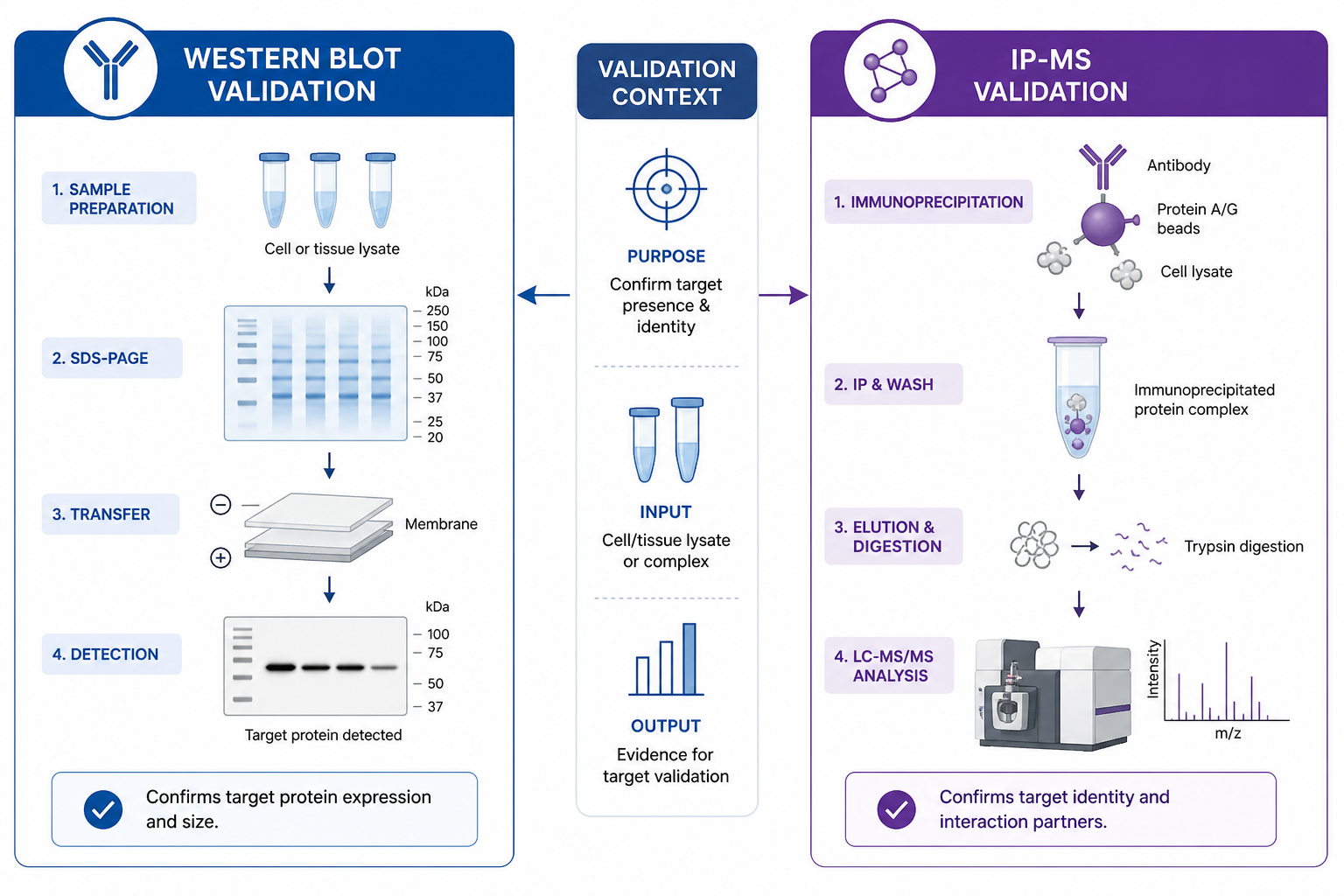
Figure 1. A validation label should reflect IP enrichment performance, not membrane detection alone.
What “IP-MS Validated” Does Not Guarantee
A validated label reduces one major upstream risk. It does not replace experimental design.
An IP-MS validated antibody does not automatically guarantee:
- Performance in every cell line, tissue, treatment state, or modified bait isoform
- Discovery of all true interactors in your biological system
- Publication-ready interactome claims without matched controls and replicates
- Success in classical Co-IP with western readout if MS-specific conditions were the basis of validation
- Equivalent performance when bead chemistry, antibody input, or wash stringency differs sharply from the validated protocol
- Replacement for isotype, bead-only, or contrast-specific controls required by the project design
Validation supports reagent fit for a defined application class. The research claim still depends on control design, replicate structure, enrichment ranking, and follow-up validation of candidate partners.
How to Tell Whether Validation Data Are Reliable
1. Traceability of the workflow. Can you see or infer the capture format, sample matrix, and readout path from IP to MS? A label without workflow context is hard to evaluate.
2. Orthogonal support when available. Knockout, knockdown, peptide competition, or independent antibody confirmation strengthens confidence that MS will report the intended bait rather than an off-target enricher.
3. Matrix relevance. Validation in a human cell lysate may transfer better to another human cell system than to tissue, serum-adjacent samples, or a different species without additional review.
4. Format clarity. Bead-ready, agarose, or magnetic conjugates should match how you plan to run IP. A validated uncoupled antibody may still be suitable, but coupling compatibility becomes part of your evaluation.
5. Honest scope limits. Trust increases when product documentation distinguishes what was tested from what still requires pilot confirmation in the buyer’s system.
|
Review question |
Trustworthy signal |
Reason for caution |
|---|---|---|
|
Was bait recovery shown after IP? |
Yes, with stated conditions |
Only WB data shown |
|
Was MS readout linked to IP? |
Bait ID or IP-MS workflow described |
“IP compatible” icon only |
|
Is species fit clear? |
Matches planned sample |
Immunogen or reactivity mismatch |
|
Are controls mentioned? |
Isotype or background context shown |
No control framework described |
|
Is format stated? |
Bead/host/isotype documented |
Format ambiguity for IP setup |
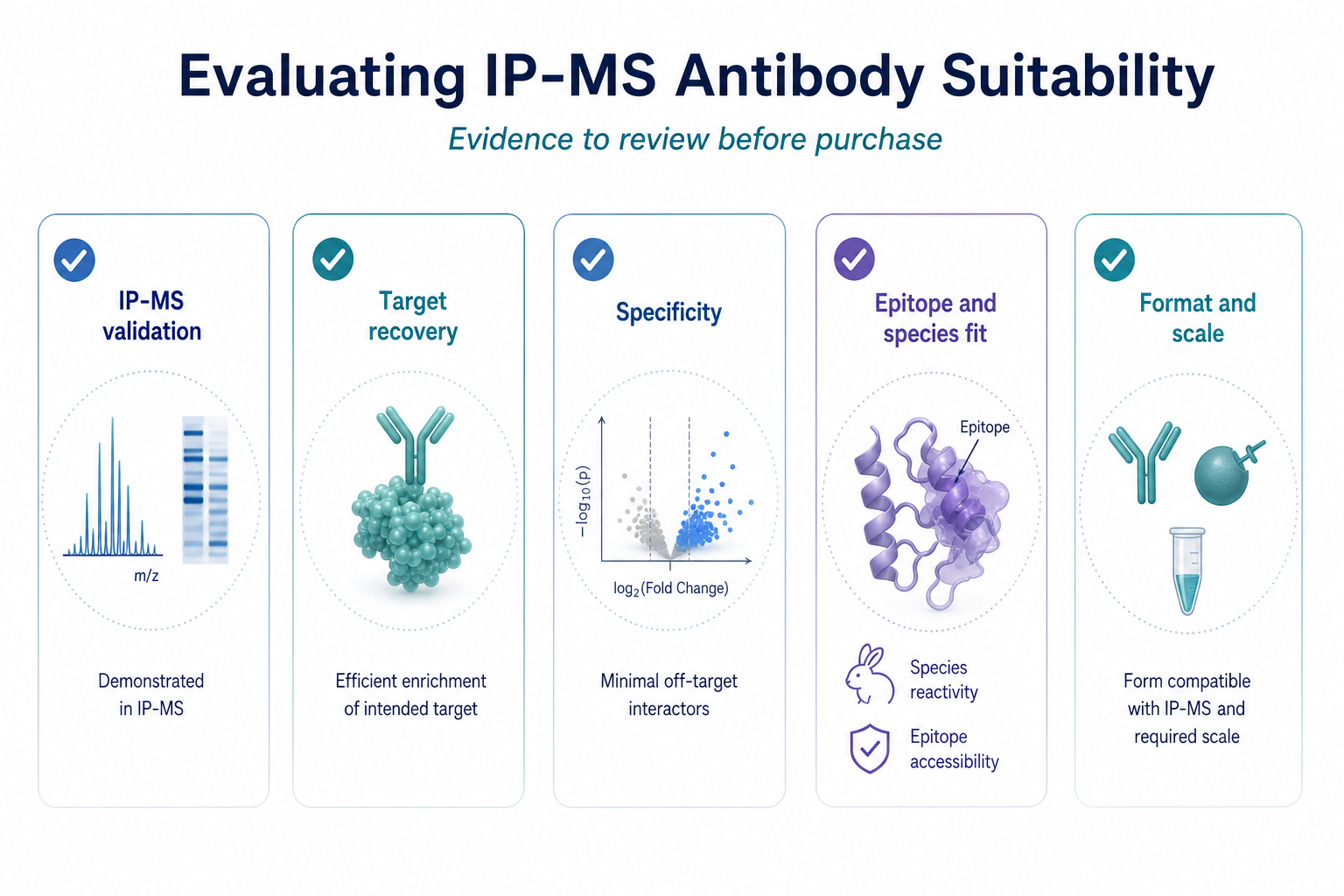
Figure 2. Reliable purchase decisions weigh validation evidence, specificity support, and workflow fit—not label wording alone.
How IP-MS Validation Differs from Other Application Labels
Validated for western blot supports detection after denaturation on membrane. It does not prove native immunoprecipitation performance or MS-compatible enrichment.
Validated for IP or IP-capable supports immunoprecipitation under stated conditions but may not document MS readout unless explicitly shown.
IP-MS validated, antibody validated by IP-MS, or antibody validated for IP-MS should indicate enrichment testing in a workflow intended to feed LC-MS/MS interpretation.
Bead-conjugated or bead-ready SKUs add format validation. The question becomes whether the coupled product was tested in the same matrix and capture chemistry you plan to use.
What Research-Ready Support Looks Like in Practice
Research-ready does not mean “no further experiments needed.” It means the reagent choice is supported enough to justify starting a structured IP-MS plan with appropriate controls.
A research-usable validation package typically enables you to:
- Plan matched isotype or nonspecific IgG controls alongside bait IP
- Estimate whether bait recovery is realistic in a similar matrix
- Judge whether background is likely to remain interpretable after control subtraction
- Shortlist candidate partners with enrichment ranking rather than raw identification alone
- Design orthogonal follow-up for high-priority interactors
If validation evidence is too thin to support those planning steps, the reagent may still work—but the purchase carries more pilot risk and should be scoped accordingly.
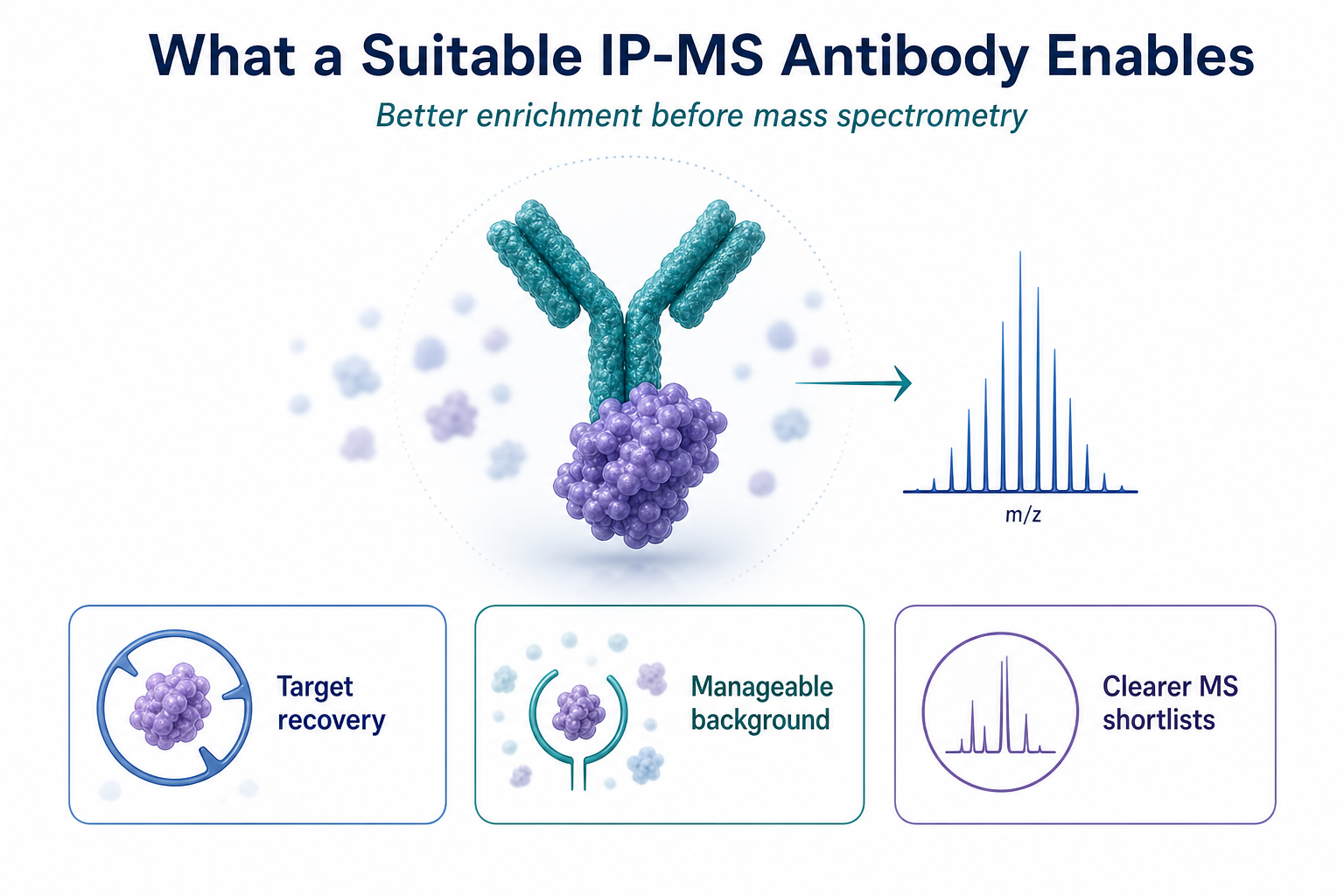
Figure 3. A meaningful validation label should connect reagent choice to enrichment quality that supports research interpretation.
Questions to Ask Before Ordering
- What bait recovery evidence supports the IP-MS claim?
- In which species, cell type, or matrix was validation performed?
- Was LC-MS/MS readout part of the validation path?
- What capture format was used—uncoupled antibody, protein A/G, or bead-ready conjugate?
- What control or background information is available?
- Does the reagent fit my endogenous discovery goal, or should I consider AP-MS or pull-down-MS instead?
- What pilot work remains if my sample differs from the validated matrix?
Documenting those answers before purchase reduces the chance of reordering the wrong application tier after the first failed IP-MS run.
Related Products
Related Services
IP-MS Protein Interactomics Analysis Service
Co Immunoprecipitation (Co-IP) Service
Protein-Protein Interaction Analysis Service
Frequently Asked Questions
1. Does “IP-MS validated antibody” mean the same as “validated for IP”?
Not necessarily. IP validation supports immunoprecipitation performance. IP-MS validation should additionally support enrichment quality relevant to LC-MS/MS readout.
2. Is western blot validation enough for IP-MS purchase decisions?
No. Western blot tests detection after denaturation. IP-MS requires bait capture and MS-compatible enrichment in an immunoprecipitation workflow.
3. Does validation guarantee my experiment will work without controls?
No. Validation supports reagent fit. Matched controls, replicates, and enrichment ranking remain essential for research interpretation.
4. Are “antibody validated by IP-MS” and “antibody validated for IP-MS” different standards?
They should describe the same application logic when used consistently: enrichment evidence tied to MS workflows. Review the actual data rather than wording alone.
5. What if validation was done in a different cell line from mine?
The reagent may still work, but pilot IP with MS readout or control-matched testing is prudent when the matrix differs materially.
6. How can I compare two IP-MS validated products for the same target?
Compare bait-recovery evidence, species fit, format compatibility, background context, and whether the documented workflow matches your planned Co-IP-MS design.
Conclusion
An IP-MS validated antibody is meant to identify a reagent tested for immunoprecipitation performance under conditions relevant to LC-MS/MS—not a generic antibody with broad application icons. Trustworthy validation evidence should show bait recovery, workflow context, and enough specificity support to plan research use with appropriate controls.
The label reduces upstream reagent risk but does not replace control design, replicate IP structure, or partner validation in your system. Before purchase, review what was tested, what was not tested, and whether the evidence matches your sample and readout. Contact MtoZ Biolabs to compare validation support, product shortlists, and IP-MS or Co-IP-MS service fit for your target and interaction question.
How to order?




