






What Can Affect the Results of a Serum, Plasma, or CSF Proteomics Study?
Serum, plasma, and CSF proteomics results are shaped by sample quality, matrix and processing consistency, biological design, acquisition strategy, batch control, and statistical analysis. Severe hemolysis, lipemia, contamination, precipitation, or repeated freeze-thaw can distort protein profiles before LC-MS/MS. Questionable samples should be flagged and reviewed using the same predefined quality criteria across all study groups.
At proposal confirmation, align on what the project must deliver—identification tables, quantitative matrices, differential screening, and pathway views—and on what it cannot promise, such as uniform deep coverage of every low-abundance protein in biofluids. Confirm submission amount and analysis mode with the laboratory before locking the study plan.
Factor Map: What Influences Biofluid Proteomics Outcomes
Use the map below during scheme confirmation. It separates factors you control before samples move from factors that define interpretation limits after data return.
|
Factor group |
Examples |
Typical effect on results |
When to decide |
|---|---|---|---|
|
Biological design |
Replicates and covariates |
Power and confounding |
Before collection |
|
Processing control |
Clotting, centrifugation, time to freeze |
Recovery and variability |
Before collection |
|
Acquisition design |
DDA, DIA, label-free, TMT |
Completeness and precision |
At project design |
|
Batch and QC |
Randomization and pooled QC |
Drift and batch effects |
Before acquisition |
|
Data analysis |
FDR, missing values, statistics |
Result confidence |
Before analysis |
Biofluid proteomics is dynamic-range limited. Even with strong LC-MS/MS performance, serum/plasma/CSF protein analysis may emphasize detectable circulating proteins and robust group contrasts rather than exhaustive recovery of every low-abundance component.
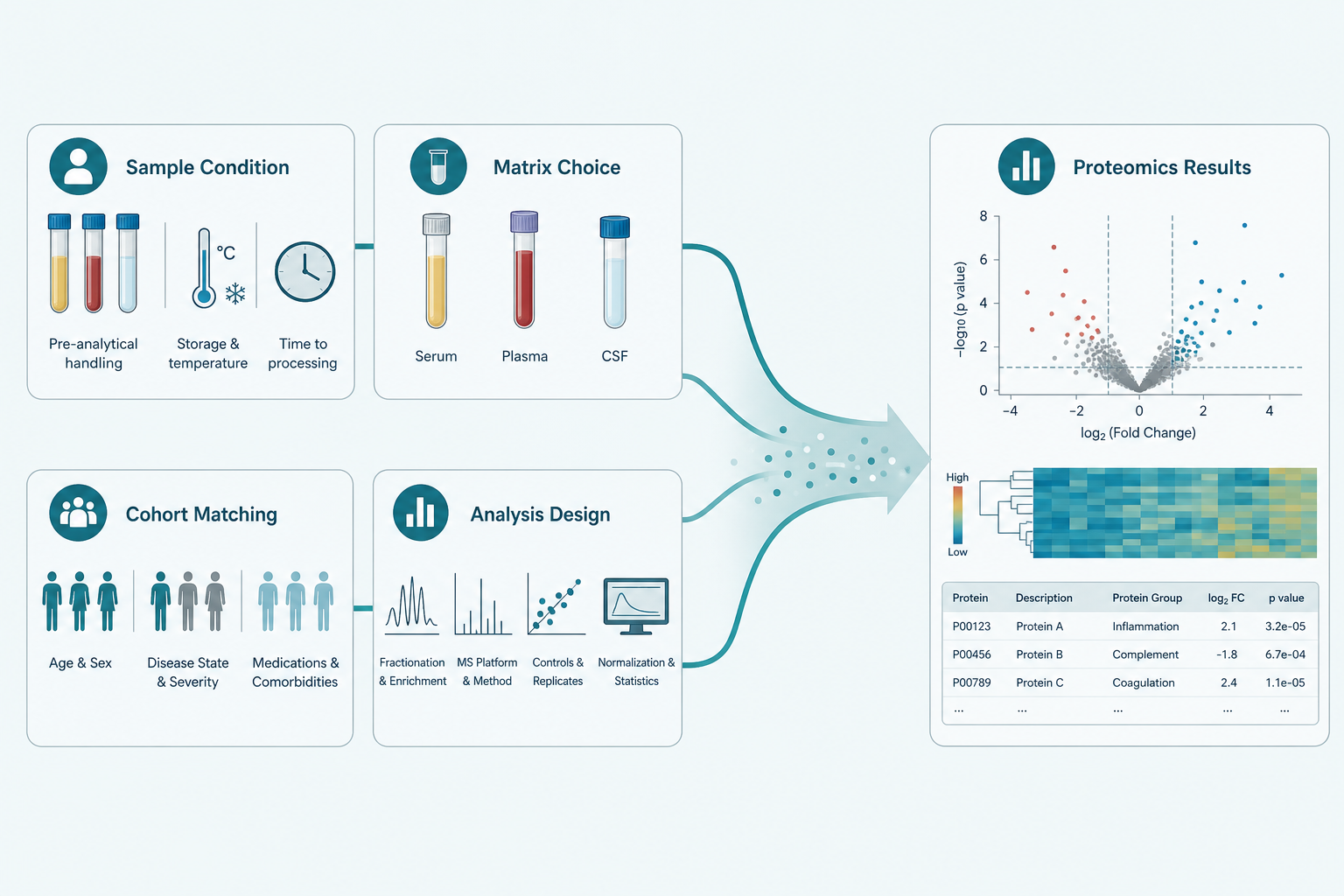
Figure 1. Sample condition, matrix choice, cohort matching, and analysis design all influence biofluid proteomics outcomes.
Pre-Analytical Factors
Sample appearance and integrity
Severe hemolysis adds erythrocyte proteins that can dominate abundant features and distort group summaries. Severe lipemia can interfere with digestion and LC behavior. Visible contamination and heavy precipitation create unpredictable backgrounds and may reduce comparability across arms.
Severe hemolysis adds erythrocyte proteins that can dominate abundant features and distort group summaries. Severe lipemia can interfere with digestion and LC behavior. Visible contamination and heavy precipitation create unpredictable backgrounds and may reduce comparability across arms.
Repeated freeze-thaw increases degradation risk and variable recovery. These conditions are not recommended for the main comparison. For MtoZ Biolabs projects, infectious samples are not accepted.
Handling consistency across arms
Results depend on matched handling as much as on instrument performance. If disease samples were processed on a different day, thawed more often, or stored under a different routine than controls, the proteomics output may reflect process history.
For MtoZ Biolabs plasma proteomics projects, EDTA or citrate plasma is preferred, while heparinized plasma is not recommended. Mixed anticoagulant cohorts can behave like hidden batches in downstream comparisons.
Submission readiness
Confirm submission amount, storage temperature, and shipping method with the laboratory during scheme confirmation. Insufficient sample amount or unclear intake conditions can limit usable data even when the scientific question is strong.
Design Factors That Shape Interpretation
Matrix choice
Serum, plasma, and CSF answer different biological questions. Serum represents a post-clotting protein profile in which coagulation and cellular release can alter the measurable protein composition. Plasma retains more clotting-related components, while anticoagulant type affects the measured background. CSF is CNS-proximal and more sensitive to blood contamination.
Do not merge serum and plasma into one undifferentiated “blood” contrast unless the study intentionally compares matrices. Matrix mixing is a common source of false protein differences.
Comparison structure
Clear disease, control, treatment, or timepoint arms support differential screening. Vague arm labels or post-hoc regrouping after data return weakens interpretation.
Multi-site studies need one written rule for matrix, anticoagulant, labeling, and freeze timing. Site drift can look like biology in the final report.
Species context
Species determines the reference proteome used for peptide identification and also affects downstream annotation and pathway coverage. Confirm Reactome expectations against supported species for plasma or serum projects: Bos taurus, Canis familiaris, Gallus gallus, Homo sapiens, Mus musculus, Rattus norvegicus, Sus scrofa, and Xenopus tropicalis.
Analysis Design Factors
DDA versus DIA direction
Quantification mode should follow cohort structure and the comparison that must be supported.
DDA workflows commonly use MaxQuant or Proteome Discoverer. DIA workflows commonly use Spectronaut or DIA-NN. Software version details are not required at proposal stage; what matters is agreeing whether the project is DDA- or DIA-oriented and what group contrast must be quantified.
DIA can suit broader comparative cohorts with consistent acquisition design. DDA remains a common route for many discovery setups. The best acquisition mode depends on the required identification depth, data completeness, quantitative consistency, cohort design, and platform capability.
Platform context
Instrument platforms available for discussion include Orbitrap Exploris 480, timsTOF Pro, and Orbitrap Astral. Platform choice should follow the locked sample set and quantification design after matrix and quality assumptions are clear.
Platform strength does not remove biofluid dynamic-range limits. High-performing LC-MS/MS can still leave many low-abundance proteins below reliable quantification in serum or plasma without additional enrichment strategies, which are separate design decisions.
What Results Can Support, and What They Cannot
Typical deliverables
A confirmed serum/plasma/CSF proteomics plan usually aligns on deliverables such as:
- protein identification tables
- quantitative matrices
- differential protein screening between defined arms
- pathway and functional views such as GO, KEGG, COG, PPI, and Reactome where species support allows
These outputs support candidate ranking, pathway context, and follow-up experiment planning. They do not by themselves establish clinical diagnosis or replace orthogonal validation.
Interpretation limits to confirm early
Biofluid proteomics rarely yields one uniform depth metric for every project. Coverage depends on matrix, sample condition, input amount, and analysis mode. Do not treat informal depth benchmarks from unrelated studies as guarantees for the current cohort.
Low-abundance circulating proteins may remain near or below reliable quantification even when the run succeeds technically.
Reactome delivery depends on species support. If the study species or annotation expectation falls outside the supported set, adjust pathway expectations during proposal confirmation rather than after report delivery.
Depletion, fractionation, or targeted follow-up are separate design branches. Their absence or presence should be decided explicitly because they change what “coverage” means for the project.
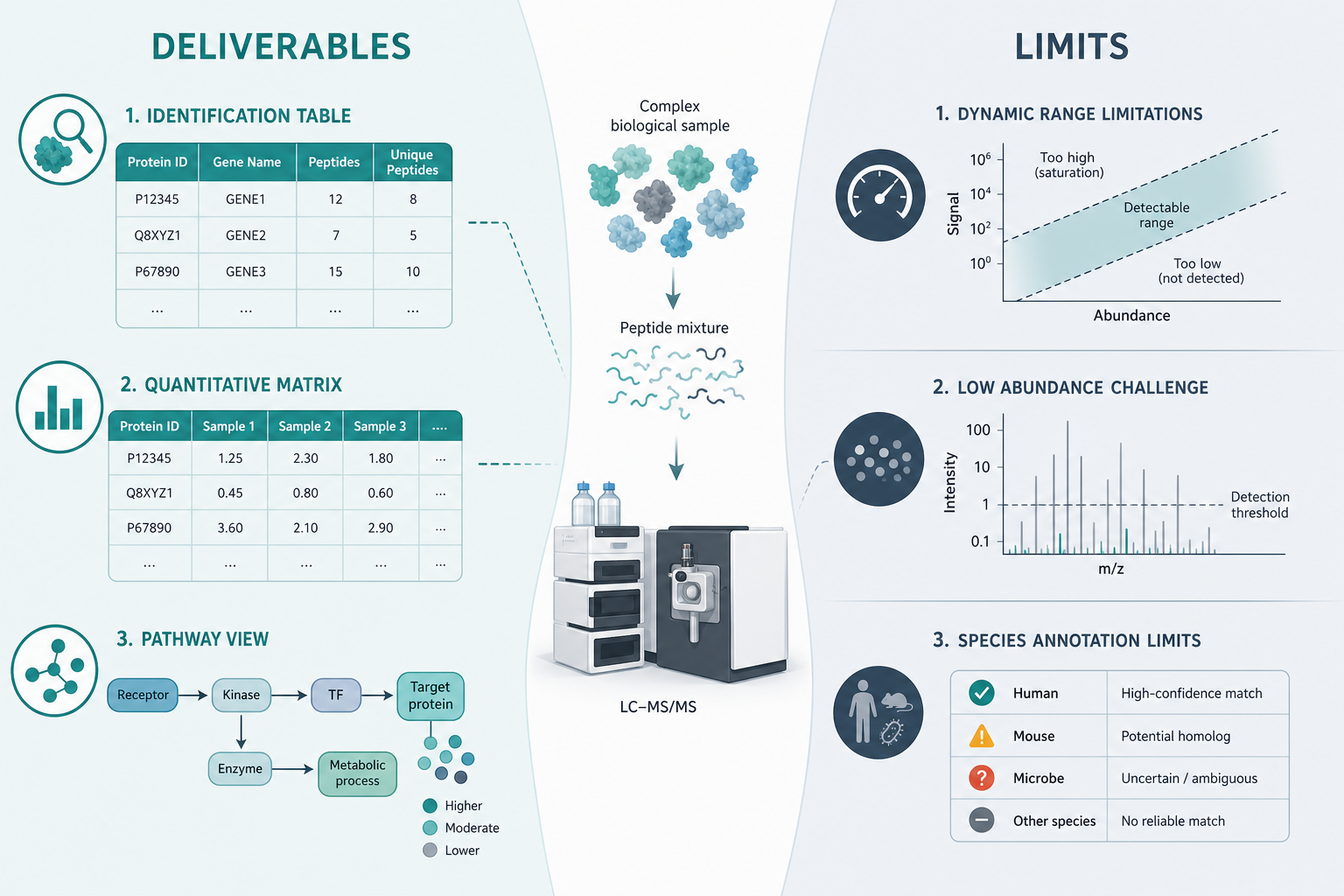
Figure 2. Confirm expected tables, contrasts, and interpretation limits before the study plan is locked.
Matrix-Specific Result Sensitivities
Serum and plasma
Circulating proteomes are dominated by abundant proteins. Group contrasts can be robust for many study goals, but hemolysis, lipemia, anticoagulant inconsistency, processing variation, and labeling errors can all compromise serum or plasma comparisons.
Plasma projects should treat anticoagulant choice as part of the result model. Serum projects should treat clotting and separation timing the same way.
CSF
CSF results are more sensitive to blood contamination and volume constraints. A small contamination event can alter interpretation more strongly than in blood-derived matrices. CSF projects should document blood-contamination indicators, traumatic collection, cell-removal timing, sample volume, and processing consistency across groups.
Proposal-Stage Confirmation Checklist
Before scheme sign-off, confirm:
- primary matrix and comparison arms
- plasma anticoagulant rule when plasma is used
- sample condition expectations and exclusion criteria for compromised vials
- submission amount and shipping assumptions confirmed with the laboratory
- DDA or DIA direction and the group contrast quantification must support
- deliverables list: tables, differential output, and pathway modules
- Reactome and species support alignment for plasma or serum projects
- what the project will not claim: diagnosis, guaranteed full proteome coverage, or automatic validation of every candidate
Related Services
Complementary
Blood/Plasma/Serum Proteomics Solutions
Use when the confirmed design centers on serum or plasma circulating protein comparison.
Complementary
Cerebrospinal Fluid (CSF) Protein Quantitative Proteomics Solutions
Use when the confirmed design requires CSF protein comparison and CNS-proximal interpretation.
Next step
Biofluid Biomarker Discovery Solutions
Consider when proteomics outputs are expected to feed candidate ranking and biomarker follow-up planning.
Frequently Asked Questions
1. What most often affects serum/plasma/CSF proteomics results?
Sample condition, matrix choice, cohort matching, and quantification design. Pre-analytical damage and design mismatch often matter more than late-stage software tweaks.
2. Do hemolysis and lipemia really change proteomics outcomes?
Yes. Severe hemolysis and lipemia can shift abundant backgrounds and add noise. They are not recommended for the main comparison.
3. Does plasma anticoagulant choice affect results?
Yes. Prefer EDTA or citrate and avoid heparin. Mixed anticoagulants within one contrast can create batch-like effects.
4. Can every low-abundance protein be quantified in biofluids?
No. Biofluid proteomics is dynamic-range limited. Many low-abundance proteins may remain difficult to quantify reliably without separate enrichment or targeted follow-up.
5. What deliverables should be confirmed at proposal stage?
Identification tables, quantitative matrices, differential screening, and agreed pathway views such as GO, KEGG, COG, PPI, and Reactome where species support allows.
6. When is Reactome part of standard delivery?
For supported species in plasma or serum projects, including Homo sapiens, Mus musculus, and Rattus norvegicus among others in the supported list. Confirm species fit during scheme confirmation.
7. Can strong instruments remove all sample-quality risk?
No. Orbitrap Exploris 480, timsTOF Pro, and Orbitrap Astral support high-quality acquisition, but they cannot fully reverse compromised sample history or mismatched cohort design.
Conclusion
Serum, plasma, and CSF proteomics results reflect a chain of decisions: sample condition, matrix and anticoagulant rules, matched cohort handling, quantification mode, and agreed deliverables. Confirm those factors during scheme confirmation so expectations for coverage, contrast quality, and pathway outputs stay realistic.
Teams planning biofluid proteomics can contact MtoZ Biolabs to align sample assumptions, analysis direction, and result limits before the project moves from proposal to shipment.
How to order?




