






What Antibody-Related Factors Cause High Background in IP-MS?
High background in IP-MS often appears as long protein lists dominated by ribosomal proteins, cytoskeletal binders, keratins, or antibody-chain peptides—even when bait recovery looks acceptable on a western blot. Not every crowded list means the antibody failed, but antibody-related factors are among the most common reasons nonspecific proteins enter the immunoprecipitate and survive into LC-MS/MS.
The troubleshooting question is narrower than “why is my IP-MS list long.” It is whether the current reagent, format, or input level is driving background, and whether an antibody validated for IP-MS would improve specificity enough to justify a switch. Share the target protein, antibody catalog data, control arms, and representative MS output with MtoZ Biolabs while reviewing a failed or noisy IP-MS run.
Signs That Background May Be Antibody-Driven
Several patterns suggest the reagent or its use—not MS depth alone—is contributing to noise.
|
Observation |
Antibody-related interpretation |
Confirm with |
|---|---|---|
|
Isotype or nonspecific IgG IP resembles bait IP in sticky-protein profile |
Nonspecific immunoprecipitation by the reagent class |
Parallel isotype control processed identically to bait IP |
|
Antibody heavy or light chain peptides dominate MS output |
Excess antibody input or inefficient target capture |
Compare antibody amount to bait recovery; review IP western if available |
|
Background improves when antibody input is reduced |
Over-loading increased nonspecific capture |
Pilot IP with titrated antibody amount |
|
A second antibody to the same target gives cleaner MS background |
Original reagent lacks IP-MS suitability |
Parallel IP with alternative clone or polyclonal |
|
Background worsened after switching antibody lot |
Lot variation, especially for polyclonals |
Compare lots under matched IP conditions |
|
WB-only validated reagent used for discovery IP-MS |
Application mismatch; weak specific capture leaves sticky binders |
Review whether reagent is IP-capable or IP-MS validated |
If bait IP and isotype control diverge clearly and bait recovery is strong, background may reflect wash design, bead chemistry, or analysis filtering rather than the antibody alone. The table helps decide which branch to test first.
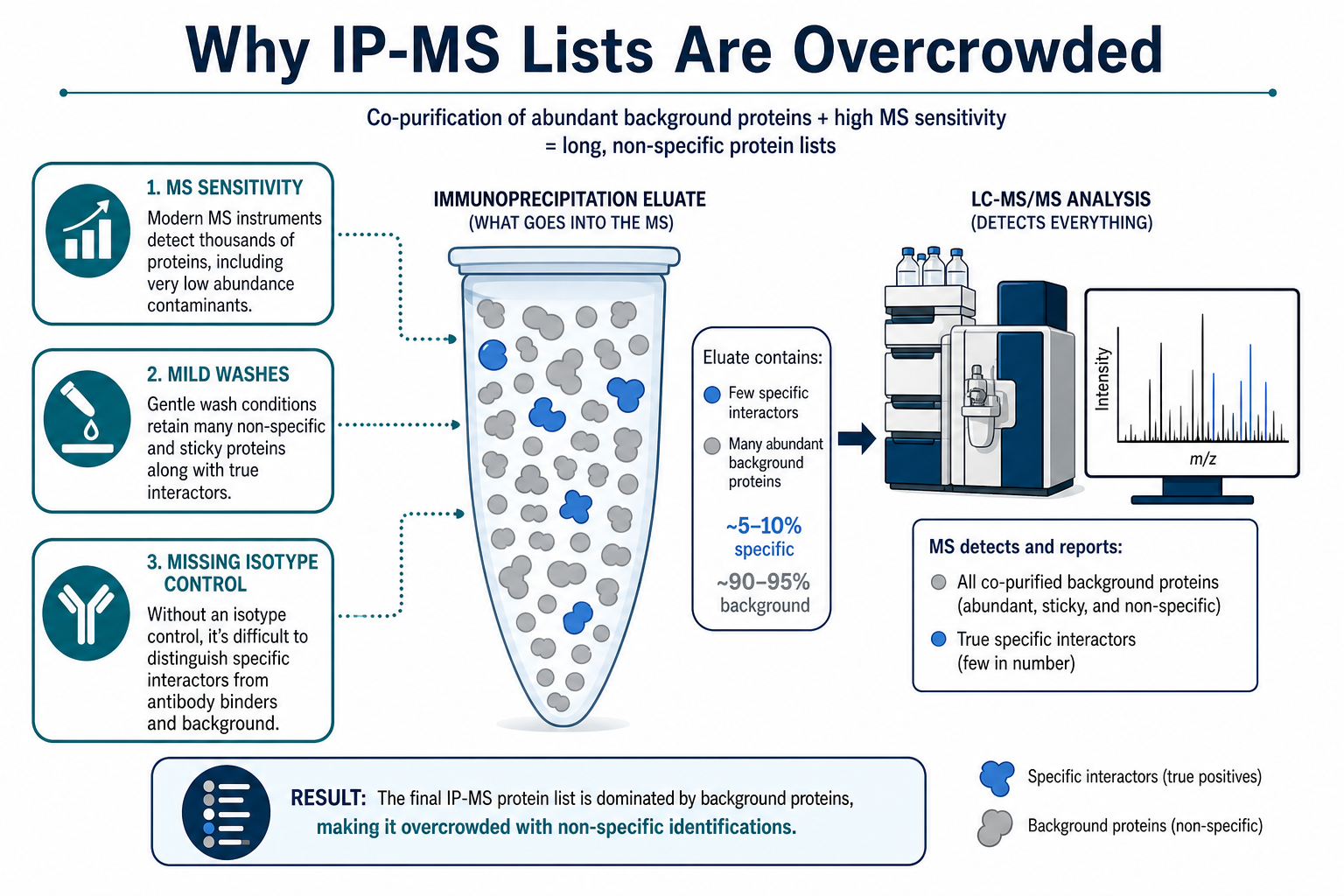
Figure 1. Sensitive MS readout can make antibody-associated background proteins searchable when specificity is weak.
Antibody-Related Factors That Commonly Raise IP-MS Background
Western blot validation without IP-MS evidence
A reagent validated for western blot may detect denatured target on membrane yet immunoprecipitate inefficiently in lysate. Weak bait-specific capture leaves room for abundant sticky proteins to dominate the eluate. Labels such as IP-MS validated antibody, antibody validated by IP-MS, or antibody validated for IP-MS indicate enrichment testing under MS-relevant IP conditions—not general reactivity alone.
Excess antibody input relative to bait recovery
Using more antibody does not always improve partner discovery. High input can increase nonspecific binding to the immunocomplex, raise antibody peptide signal in MS, and mask low-abundance interactors. Background can rise even when a faint bait band appears on IP western.
Polyclonal breadth versus monoclonal consistency
Polyclonal antibodies may improve epitope coverage for some baits but can also increase off-target capture when multiple low-affinity specificities coexist. Monoclonals often give cleaner lot-to-lot behavior, yet a single epitope may be inaccessible in native complexes. Background troubleshooting should compare clonality choice to bait state and matrix, not assume one format is always lower noise.
Host, isotype, and bead compatibility
Protein A, protein G, or custom bead chemistry interacts differently with rabbit, mouse, and other host isotypes. Mismatch can reduce efficient target capture, prolong handling, or increase matrix-associated binders in MS. Bead-ready or conjugated formats can help when coupling chemistry is part of the background problem.
Cross-reactivity and abundant off-target binding
Some antibodies pull close homologs, abundant structural proteins, or shared motif-containing proteins into the immunoprecipitate. That signal may be invisible as a minor western band yet expand into a searchable background list after LC-MS/MS. Reviewing whether known off-targets co-enrich can distinguish cross-reactivity from generic sticky carryover.
Lot drift and storage-related performance change
Polyclonal lots can shift in effective specificity. Even monoclonal lots can underperform if storage, freeze-thaw, or conjugation history changed before IP. When background rises after a reagent change without protocol change, lot comparison is a practical first step.
How to Test Whether the Antibody Is the Main Background Source
Run the checks below before replacing a reagent or switching workflow.
Compare bait IP to matched isotype or nonspecific IgG control. Proteins that enrich similarly in both arms are strong candidates for antibody-associated or matrix-associated background. Isotype IgG is one common control, not the only option; bead-only or matrix-matched negatives may also be needed.
Titrate antibody amount in a pilot IP. If background peptide load drops while bait recovery remains acceptable, over-input may be contributing.
Run a parallel IP with an alternative antibody to the same target. Cleaner bait recovery with lower sticky-protein overlap is direct evidence that reagent choice matters.
Review whether bait is genuinely enriched in the IP eluate. Weak bait capture with heavy background often points to reagent fit rather than true interactome complexity.
Check whether AP-MS with a tagged bait produces cleaner specificity when tagging is feasible. A cleaner tagged route suggests the endogenous antibody IP was background-limited; it does not automatically mean the original antibody was unusable in all contexts.
Document control parity, wash conditions, and replicate structure alongside these tests. Otherwise antibody blame can be assigned to a bead or wash problem.
When to Optimize the Current Antibody vs Switch to an IP-MS Validated Antibody
Optimization may be enough when bait recovery is reproducible, isotype contrast already separates many sticky proteins, and only antibody amount or coupling format has been explored lightly.
Consider switching to an antibody validated for IP-MS when bait is present but background remains unmanageable after matched controls and reasonable wash optimization, discovery still requires endogenous Co-IP-MS, and a validated alternative exists for the target and species. An IP-MS validated antibody should be prioritized when application evidence shows MS-compatible enrichment rather than western blot detection alone.
Consider changing workflow when antibody-driven background persists across reagent options, tagging is acceptable, or the question can move to AP-MS or pull-down-MS with a different capture chemistry.
|
Background pattern |
Likely antibody issue |
Practical next step |
|---|---|---|
|
Isotype mirrors bait IP |
Nonspecific IP by reagent |
Reduce input; test alternate clone; review IP-MS validated options |
|
Antibody peptides dominate MS |
Excess reagent or weak bait capture |
Titrate antibody; confirm bait enrichment |
|
Bait weak, list still long |
Poor specific capture |
Switch toward IP-MS validated reagent if available |
|
Lot change increased noise |
Reagent drift |
Compare lots; reorder validated SKU |
|
Cleaner result with second antibody |
Reagent-specific problem |
Adopt better-performing alternative |
Use the row that fits the observed data, then confirm with replicate controls before scaling the experiment.
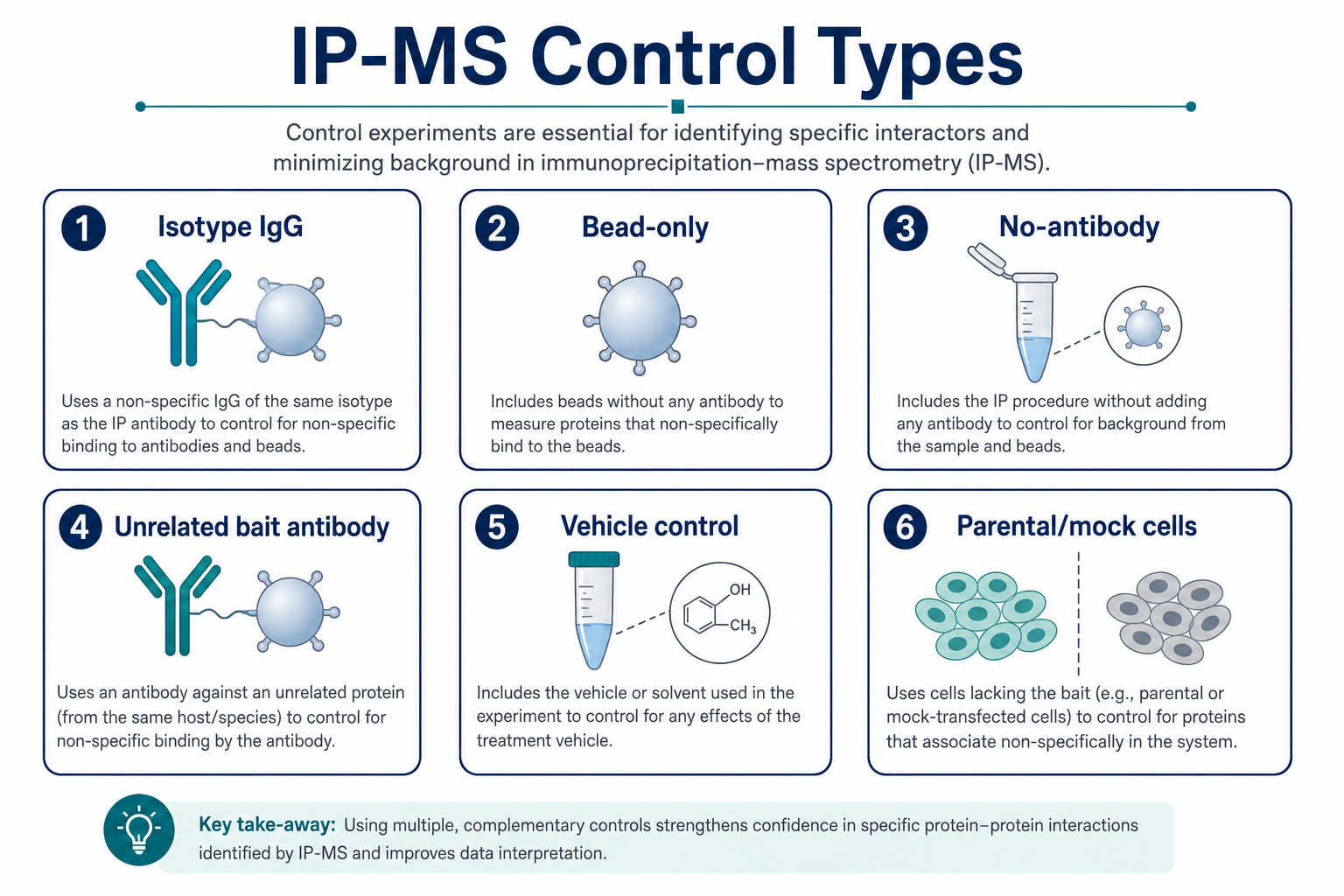
Figure 2. Matched controls clarify whether background tracks the antibody reagent or a broader workflow artifact.
Workflow Adjustments That Reduce Antibody-Associated Background
Before ordering a replacement, test adjustments that directly target reagent use.
- Reduce antibody input to the lowest level that still recovers bait in pilot IP
- Match bead chemistry to host and isotype; review crosslinking or bead-ready formats when coupling is inefficient
- Increase wash stringency only after confirming bait remains in the eluate
- Process bait IP and isotype control in parallel with identical timing and bead batches
- Avoid repeating LC-MS/MS on the same low-specificity eluate without changing IP conditions
These steps can lower background without abandoning the project. They do not replace application validation when the reagent was never suited to IP-MS discovery.
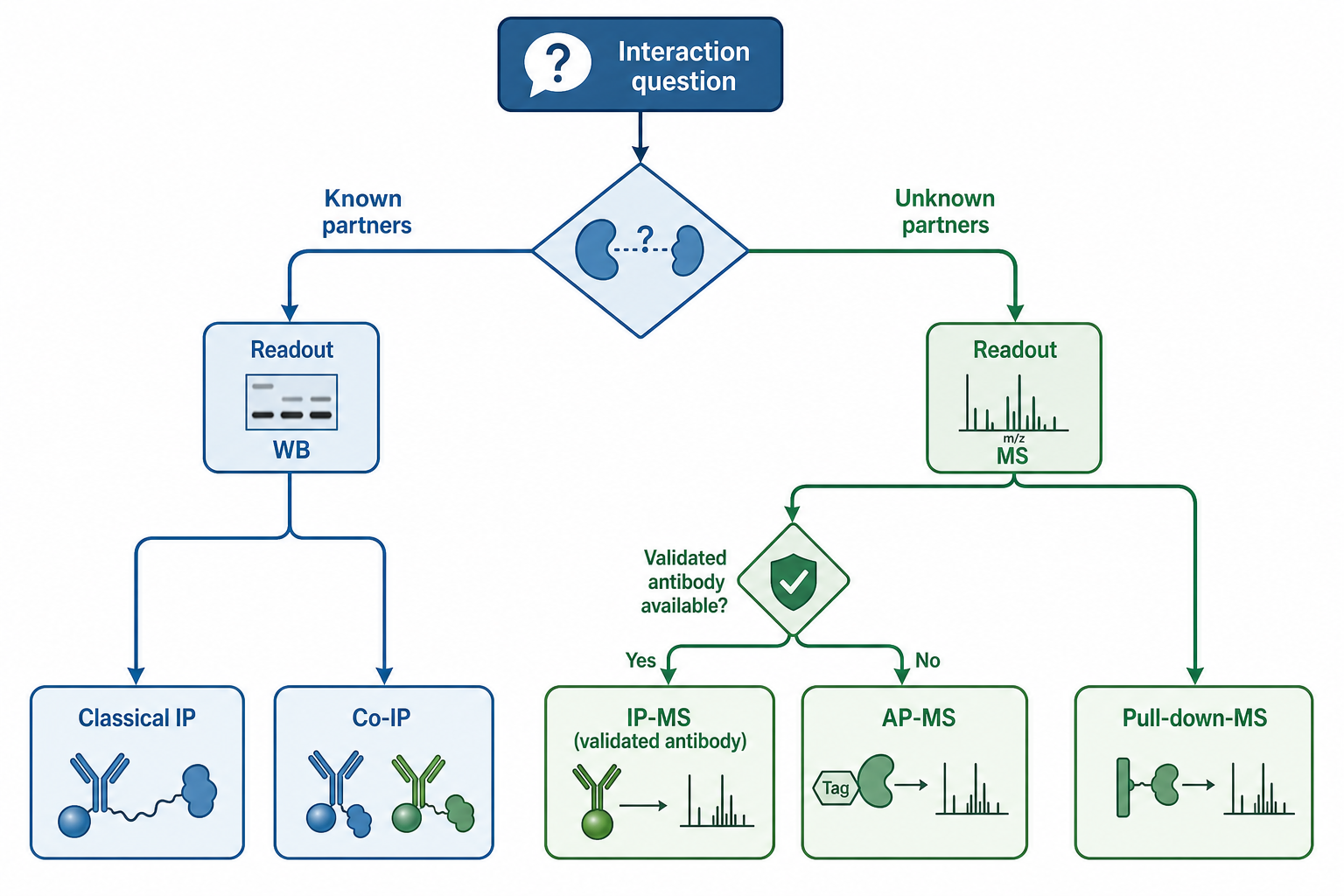
Figure 3. Match the response to whether background is driven by reagent use, reagent fit, or workflow limits.
What to Send Before Changing Antibody or Service Path
Provide the following when requesting troubleshooting review:
- Target protein, species, and sample type
- Antibody catalog ID, clonality, host, stated applications, and lot if relevant
- Antibody amount used and bead chemistry
- Control arms run, including isotype, bead-only, or other negatives
- Whether bait was detected in input and IP
- Example sticky proteins recurring across replicates
- Whether endogenous IP-MS remains required or AP-MS or pull-down-MS is acceptable
That package helps determine whether an IP-MS validated antibody is the right fix or whether control design and analysis filtering should come first.
Related Products
Related Services
IP-MS Protein Interactomics Analysis Service
Co Immunoprecipitation (Co-IP) Service
Protein-Protein Interaction Analysis Service
Frequently Asked Questions
1. Does high background in IP-MS always mean the antibody is bad?
No. Long lists can also reflect mild washes, missing controls, bead binders, or reporting of raw identifications. Compare bait IP to matched negative controls before concluding the reagent failed.
2. What antibody factors most often increase IP-MS background?
Common contributors include WB-only validation, excess antibody input, cross-reactivity, host-bead mismatch, polyclonal lot variation, and weak bait capture that leaves sticky proteins dominant in MS.
3. When should I switch to an IP-MS validated antibody?
Consider switching when matched controls show persistent nonspecific enrichment, bait recovery is acceptable but background remains uninterpretable, and a validated alternative exists for your target and species.
4. Is isotype IgG the only control needed to diagnose antibody background?
No. Isotype or nonspecific IgG is one useful arm. Bead-only, matrix-matched, or tag-empty controls may also be required depending on the design.
5. Can I fix background by running deeper LC-MS/MS?
Deeper acquisition on a low-specificity eluate often detects more background proteins rather than revealing cleaner interactors. Improve IP specificity or filtering first.
6. What if no IP-MS validated antibody exists for my target?
Compare AP-MS if tagging is feasible, pull-down-MS for recombinant bait binding tests, or pilot optimization with the closest IP-capable reagent while documenting control contrast carefully.
Conclusion
High background in IP-MS can stem from several workflow layers, but antibody choice and use are frequent contributors. Western blot validation alone does not guarantee MS-compatible specificity; excess input, clonality, cross-reactivity, and bead compatibility can all inflate searchable background after immunoprecipitation.
After a noisy run, compare bait IP to matched controls, titrate reagent input, and test whether an alternative antibody improves specificity before scaling. When background stays unmanageable despite reasonable optimization, an antibody validated for IP-MS is the relevant product tier for endogenous discovery. Contact MtoZ Biolabs to review control data, reagent evidence, and whether Co-IP-MS, AP-MS, or pull-down-MS is the better next step.
How to order?




