






Starch Enzyme Activity Analysis Service
- Adenosine diphosphoglucose pyrophosphorylase (AGPase)
- Granule-bound starch synthase (GBSS)
- Soluble starch synthase (SSS)
- Starch branching enzyme (SBE)
- α-Amylase
- β-Amylase
- Acid sucrose invertase
- Neutral sucrose invertase
- Sucrose phosphate synthase (SPS)
Enzymes are biological macromolecules that function as highly specific catalysts, accelerating biochemical reactions under mild physiological conditions. In an enzymatic reaction system, the molecule undergoing transformation is called the substrate, which is converted into another molecule through catalytic activity. As direct mediators of most metabolic processes, enzyme activities reflect the physiological and biochemical state of an organism, providing critical insights into metabolic regulation and cellular health.
The activity of certain enzymes can be quantitatively assessed because their substrates or reaction products exhibit measurable absorbance at specific wavelengths, allowing for reliable spectrophotometric detection. In starch metabolism, a complex network of enzymatic reactions governs both synthesis and degradation pathways. The synthetic enzyme system primarily includes adenosine diphosphoglucose pyrophosphorylase (ADPG), granule-bound starch synthase (GBSS), starch branching enzyme (SBE), and soluble starch synthase (SSS), which together determine the molecular architecture of amylose and amylopectin. The degradation system involves enzymes such as α-amylase, β-amylase, acid invertase (AI), neutral invertase (NI), and sucrose phosphate synthase (SPS), which regulate starch hydrolysis and carbohydrate flux.
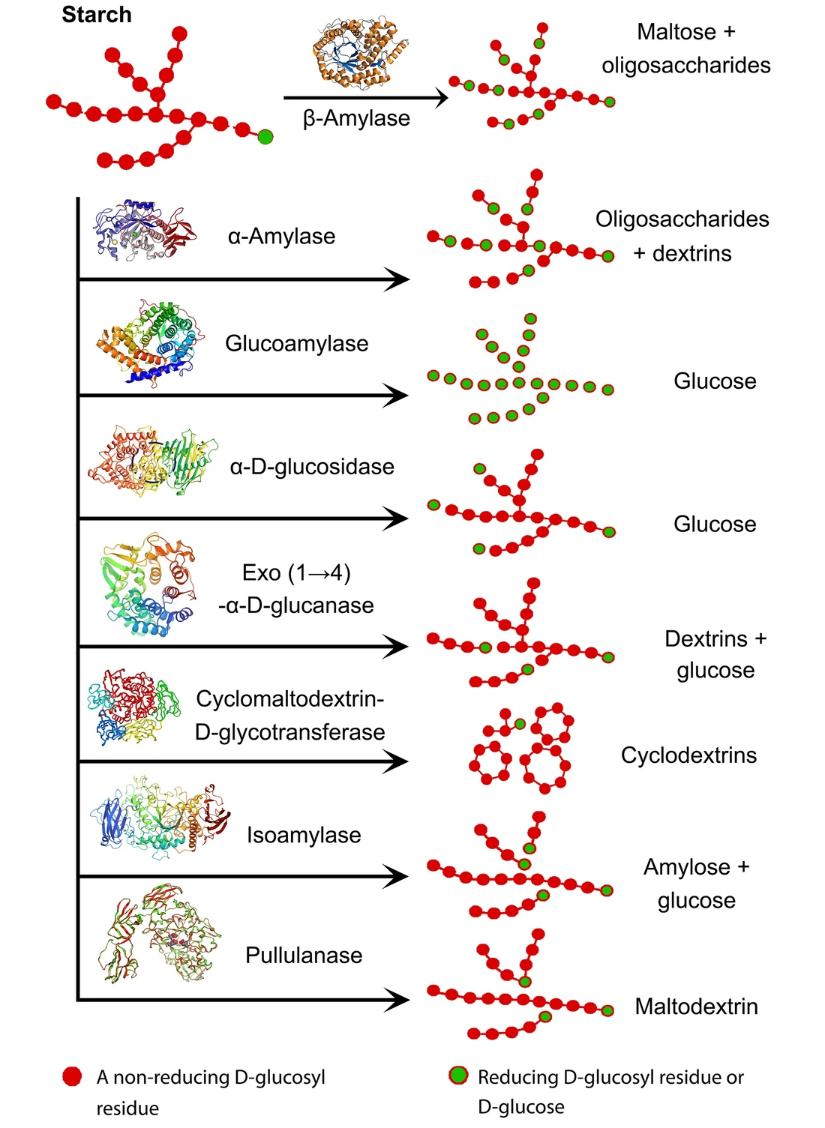
Figure 1. Enzymatic Hydrolysis of Starch Involves the Breakdown of Starch Molecules Into Smaller Carbohydrate Units Through the Action of Specific Enzymes
To provide precise and comprehensive enzymatic characterization, MtoZ Biolabs has established a complete starch enzyme activity analysis platform capable of accurately and efficiently determining key enzymatic activity parameters involved in starch biosynthesis and degradation.
Service at MtoZ Biolabs
MtoZ Biolabs offers a comprehensive Starch Enzyme Activity Analysis Service that provides precise measurement of starch-related enzyme activities in plant, microbial, and processed samples. Utilizing advanced spectrophotometric, chromatographic, and enzymatic assay platforms, we deliver reliable and reproducible data supporting fundamental research, agricultural breeding, and food and bioprocessing applications.
Our starch enzyme activity analysis covering, but not limited to, the following key enzymes:
Our enzymatic assays are designed according to substrate specificity, reaction kinetics, and temperature-pH stability, enabling accurate evaluation of catalytic efficiency and regulatory behavior. By integrating biochemical measurements with data interpretation, we help researchers reveal enzymatic control mechanisms governing starch structure and functionality.
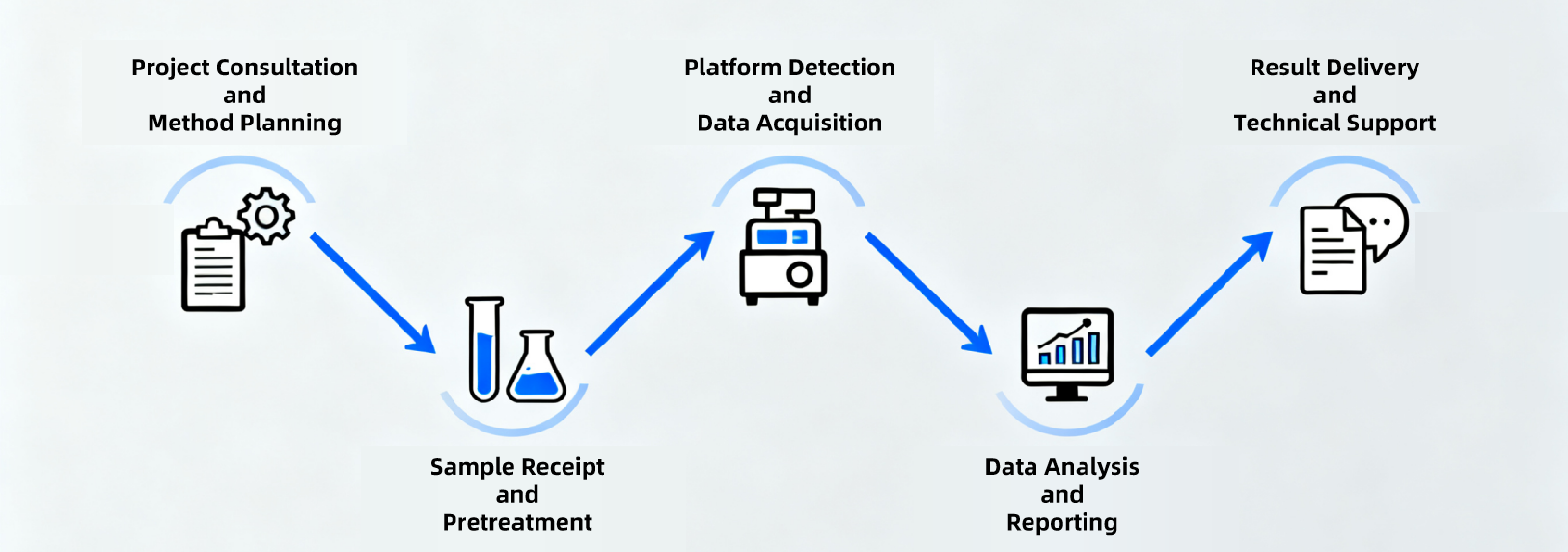
Analysis Workflow
Service Advantages
✔️Comprehensive Enzyme Coverage
MtoZ Biolabs provides a complete analytical framework that encompasses both synthetic and degradative enzymes, enabling full-pathway evaluation of starch metabolism.
✔️High Accuracy and Sensitivity
Optimized assay systems and strict quality control ensure precise quantification of enzyme activity, even in low-abundance samples or complex biological matrices.
✔️Flexible and Customizable Solutions
Our analytical workflows can be tailored according to enzyme type, substrate specificity, and project objectives, supporting diverse research and industrial needs.
✔️Advanced Analytical Platform
Integrated with high-performance spectrophotometric and chromatographic detection systems, our platform ensures rapid, reproducible, and traceable results.
✔️Experienced Scientific Team
Our enzymology experts possess extensive experience in starch metabolic research and offer professional technical support throughout experimental design, execution, and data interpretation.
Applications
The Starch Enzyme Activity Analysis Service supports diverse fields of research and industrial development:
1. Plant Physiology and Crop Breeding: Understanding enzyme regulation helps identify genetic traits linked to starch yield and quality improvement.
2. Food Science and Processing: Provides key data for controlling starch gelatinization, retrogradation, and sweetness development during food manufacturing.
3. Biotechnology and Fermentation: Enables optimization of enzymatic conversion pathways for starch-based bioethanol, bioplastics, and sweetener production.
4. Pharmaceutical and Nutraceutical Formulation: Assesses enzymatic modification potential to produce starches with desired digestibility or controlled release profiles.
5. Academic and Basic Research: Facilitates metabolic modeling and pathway reconstruction for carbohydrate metabolism studies.
Sample Submission Suggestions
1. Sample Type
Plant tissues such as roots, stems, leaves, or other biological materials suitable for starch enzyme activity analysis.
2. Sample Amount
Fresh samples should be greater than 1 g to ensure sufficient material for enzymatic assays.
3. Storage and Transportation
Samples should be flash-frozen in liquid nitrogen immediately after collection, stored at −80°C, and transported on dry ice or with ice packs to prevent enzymatic degradation.
4. Replicates
A minimum of three biological replicates per experimental group is recommended for statistical reliability.
*Note: For samples with limited availability or specific handling requirements, please contact MtoZ Biolabs for customized sample preparation instructions.
How to order?




