


Serum vs. Plasma Proteomics: Key Differences and Sample Selection
Serum and plasma are both used in LC-MS/MS-based proteomics, but they do not have identical protein profiles. Clot formation changes the levels of fibrinogen, other coagulation-related proteins, and platelet-derived proteins in serum. These matrix differences can affect protein identification and relative abundance. Sample choice should reflect the research question, target proteins, and need for consistency across study groups.
How Serum and Plasma Are Formed
1. Serum Formation
Serum is separated from blood after clot formation. During coagulation, fibrinogen is converted into fibrin, and platelets and coagulation pathways are activated. Some proteins become part of the clot, while others are consumed, cleaved, or released into the liquid fraction. Serum composition therefore reflects both the proteins present at collection and changes associated with clotting.
2. Plasma Preparation
Plasma is separated from blood collected with an anticoagulant, which inhibits clot formation and retains fibrinogen and many coagulation-related proteins in the liquid fraction. The anticoagulant also contributes to the sample matrix. MtoZ Biolabs' current plasma workflow is based on K2EDTA collection tubes (purple top). For samples already collected with another anticoagulant, provide the anticoagulant type so suitability can be reviewed before submission.
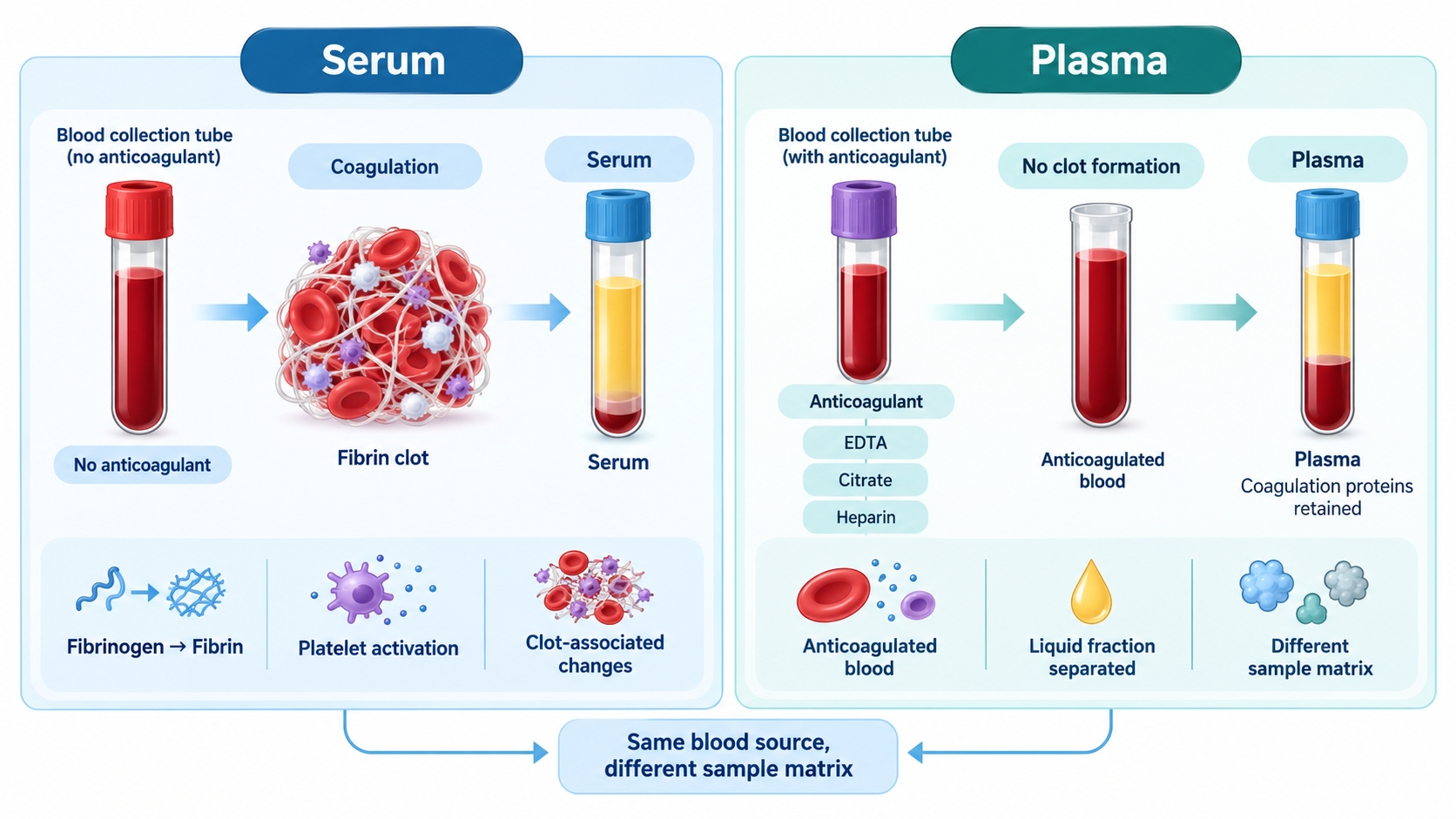
Figure 1. Differences in serum and plasma formation during blood collection and processing.
Key Differences in Protein Composition
1. Fibrinogen and Other Coagulation-Related Proteins
Plasma retains fibrinogen, whereas much of the fibrinogen in serum is converted into fibrin and remains in the clot. Other clot-associated proteins may also be removed or redistributed during serum preparation. Coagulation-related proteins can undergo activation, cleavage, or consumption, so their measured levels may differ between serum and plasma. These differences mainly reflect sample formation and should not automatically be interpreted as biological differences between individuals.
2. Platelet-Derived Proteins
Platelet activation during clotting releases granule proteins into serum. Platelet-associated proteins such as platelet factor 4 (PF4/CXCL4) may therefore show higher signals in serum than in well-prepared platelet-poor plasma. Residual platelets or activation during plasma collection can also contribute platelet-derived proteins to plasma. The amount detected depends partly on how each sample was collected and prepared.
These differences mean that serum and plasma profiles should not be treated as quantitatively interchangeable. Neither matrix guarantees greater protein identification depth in every study.
Effects on LC-MS/MS Proteomics Results
1. Protein Identification
Serum and plasma can produce different protein identification lists even when analyzed with the same LC-MS/MS workflow. Matrix-related changes affect the abundance of peptides available for detection. A protein identified in one matrix but not the other should not automatically be considered biologically absent from the second matrix; sample composition and analytical conditions both affect identification.
2. Relative Protein Abundance
Relative abundance can differ because serum and plasma contain different amounts of selected protein groups after preparation. Coagulation-related proteins may show lower signals in serum, while some platelet-derived proteins may show higher signals. Using different sample types across study groups can cause matrix effects to be mistaken for treatment-, disease-, or phenotype-related changes. Keeping the sample type consistent across comparison groups supports clearer interpretation.
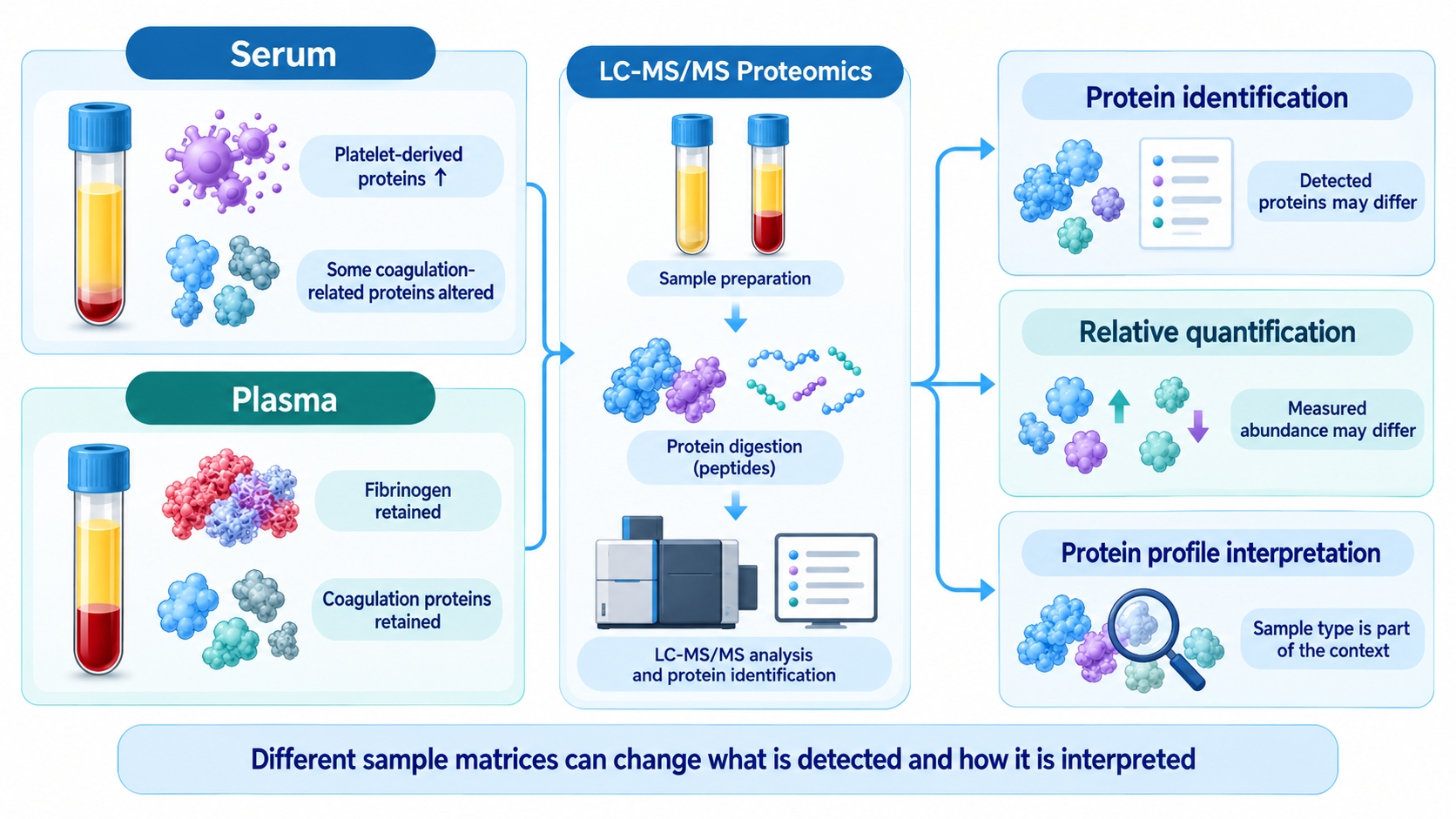
Figure 2. Effects of serum and plasma matrix differences on LC-MS/MS proteomics results.
Comparability of Serum and Plasma Data
1. Different Sample Types Across Study Groups
Direct differential comparison is generally unreliable when study groups use different sample types. For example, using serum for a treatment group and plasma for a control group may produce differences in coagulation-related or platelet-derived proteins that reflect sample formation rather than treatment. The biological effect and matrix effect cannot be separated reliably in that comparison.
2. Paired Serum-Plasma Studies
Paired serum and plasma samples are useful when the research question is specifically about matrix-related differences. Samples collected from the same individual at the same time point can be compared to examine differences in protein identification and relative abundance. For studies focused on disease, treatment, or phenotype, using the same sample type across groups usually supports clearer interpretation.
For guidance on defining comparison groups and planning differential serum proteomics, see Comparative Serum Proteomics: Study Design for Differential Protein Analysis.
Choosing a Sample Type for Proteomics
1. Start With the Research Question and Target Proteins
Serum is appropriate when the study relies on serum reference data, an established serum cohort, or direct comparison with previously collected serum. Plasma may be more suitable when fibrinogen or other coagulation-related proteins are key targets because plasma retains these proteins before clot formation. For platelet-associated proteins, consider how platelet activation during serum formation and residual platelets in plasma may affect measured abundance. The choice should match the target proteins and planned group comparisons.
2. Maintain Consistency With Existing Cohorts
For archived samples or ongoing studies, retaining the original sample type often makes comparison with earlier data more straightforward. A change from serum to plasma, or from plasma to serum, can introduce matrix-related differences that complicate interpretation. Published datasets can provide useful context, but direct comparison of abundance values may be limited by sample type and differences in analytical methods.
3. Sample-Type Selection for a New Project
For new projects, define the primary sample matrix before collection and keep the same sample type across comparison groups. Serum-based projects can use Serum Proteomics Service.
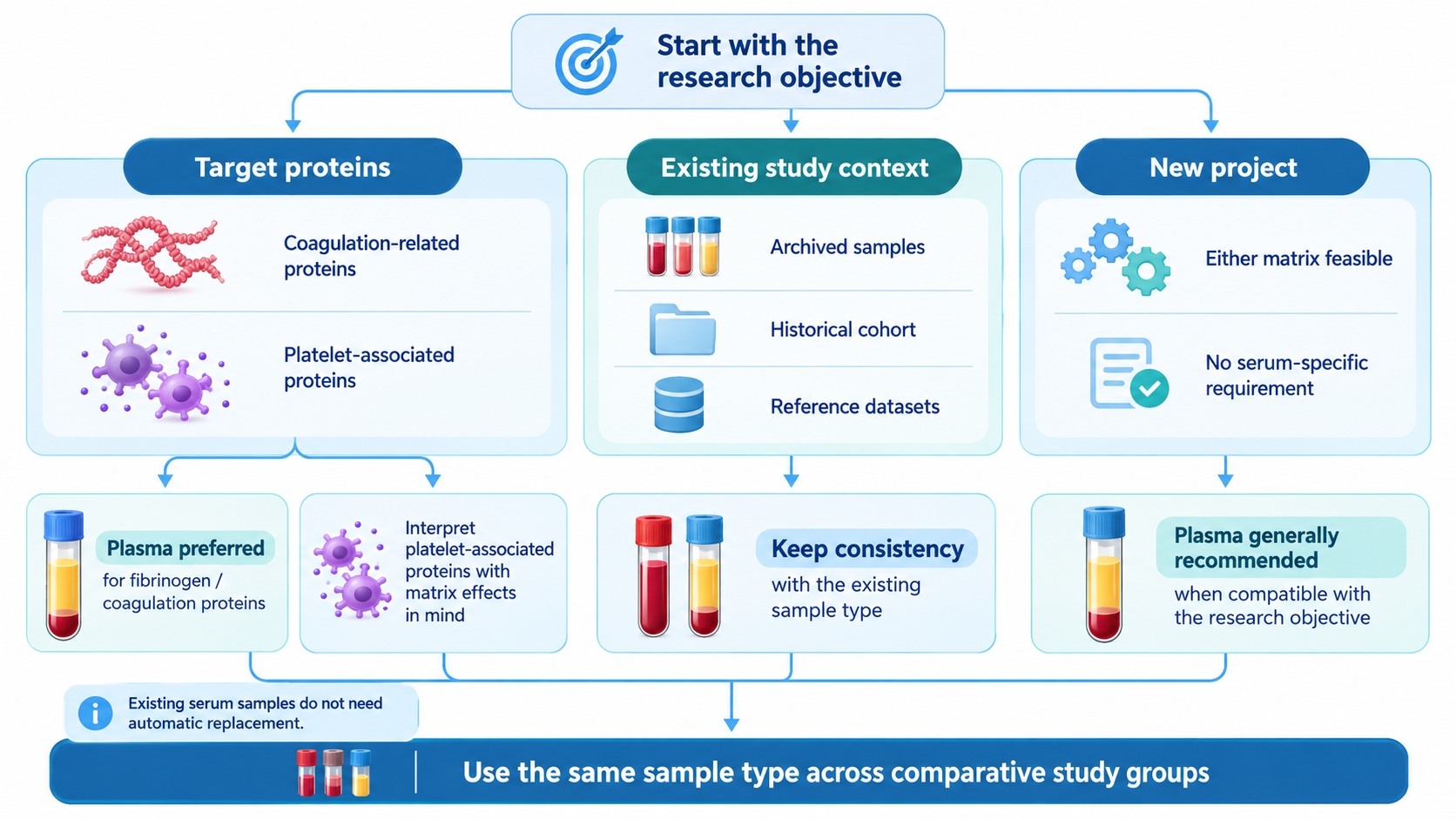
Figure 3. Serum and plasma sample selection based on research objectives and existing study samples.
Sample Submission Requirements
Sample requirements depend on the sample type and selected analysis. The table below summarizes key submission information for serum and plasma proteomics.
|
Analysis / submission item |
Plasma |
Serum |
|
Routine/deep proteomics sample volume |
Minimum 15 μL; recommended 20–50 μL. |
Minimum 10 μL without high-abundance protein depletion; minimum 50 μL with high-abundance protein depletion. |
|
PTM proteomics (phosphorylation/glycosylation) |
Minimum 0.5 mL; recommended 1 mL. Enrichment is performed at the peptide level. |
Recommended starting volume: 100 μL. |
|
PRM targeted validation |
Minimum 20–50 μL; recommended 50–100 μL. Protein input: minimum 50 μg; recommended 100 μg. |
Minimum 20–50 μL; recommended 50–100 μL. Protein input: minimum 50 μg; recommended 100 μg. |
|
Collection tube and initial processing |
K2EDTA tube (purple top); gently invert 8–10 times. Centrifuge at 4°C and 1,000 × g for 10 min, transfer the plasma, then centrifuge again at 2,000–2,500 × g for 10–15 min. Aliquot at 200 μL per tube, snap-freeze in liquid nitrogen, and store at −80°C. |
Use a blood collection tube without anticoagulant (red-top recommended) or collect whole blood into a clean centrifuge tube. Gently invert 8–10 times and leave at 4°C for 30 min. Centrifuge at 4°C and 1,000 × g for 10 min. Transfer the upper pale-yellow serum to a centrifuge tube, mix, and briefly centrifuge. Aliquot 100-200 μL per tube according to study needs; snap-freeze in liquid nitrogen for 10 min and store at −80°C. |
|
Storage, transport, and freeze-thaw history |
Store at −80°C after snap-freezing; ship on dry ice. Keep freeze-thaw cycles to 2–3 where possible and record the actual history. |
Store at −80°C or in liquid nitrogen and ship on dry ice. The listed storage window is approximately 6 months to 2 years at −80°C/liquid nitrogen without freeze-thaw. Keep freeze-thaw cycles to 2–3 where possible and record any cycles that have occurred. |
For a broader overview of serum proteomics workflows and applications, see Serum Proteomics: Sample Preparation, Workflow Analysis, and Research Applications.
Frequently Asked Questions
1. Does plasma proteomics support animal samples and non-model species?
Yes. The plasma service supports animal samples, including non-model species. UniProt and NCBI protein databases can be used when suitable reference sequences are available.
2. Can a customer-provided protein FASTA database be used?
Yes. A customer-provided FASTA file can support customized database searching when suitable reference sequences are unavailable or incomplete. GO, KEGG, Reactome, and PPI analyses are not included by default for a customer-provided database.
3. Can lower-abundance proteins be enriched without removing high-abundance proteins?
Yes. The standard plasma workflow supports low-abundance protein enrichment, including SP3-based processing, without removing the high-abundance protein fraction. This approach may improve detection of lower-abundance proteins, but it does not guarantee identification of every target.
4. Does the plasma service support PTM and targeted validation?
Yes. The plasma service supports phosphorylation and glycosylation PTM analysis, PRM/MRM targeted validation, and biomarker validation. PTM and targeted-validation results may be less stable than routine quantitative proteomics, so the target and study scope should be reviewed before the project begins.
Serum and plasma differ because clot formation changes the protein composition of serum, while plasma is collected with an anticoagulant. These differences can affect protein identification, relative abundance, and differential analysis. Choose the matrix according to the research question and target proteins, and keep sample type consistent across comparison groups whenever possible.
For serum-based projects, see Serum Proteomics Service. For plasma projects, see Plasma Proteomics Analysis Service. For a broader overview, see Serum Proteomics: Sample Preparation, Workflow Analysis, and Research Applications.
How to order?