






SCX-Based Peptide Fractionation Service
- Raw data files from LC-MS systems
- Processed result tables in CSV or Excel format containing peptide and elution information
- Summary reports in PDF format with experimental methods, quality control data, and key results
- High-resolution chromatograms and figures in TIFF or PNG format
MtoZ Biolabs provides SCX-Based peptide fractionation service based on strong cation exchange (SCX) chromatography. By utilizing the charge properties of peptides under different pH and ionic strength conditions, this service enables efficient separation and enrichment of peptides from complex samples. It significantly enhances the depth and coverage of proteomic analysis, providing high-resolution sample pretreatment solutions for research and biopharmaceutical clients to support accurate quantification and functional studies.
The Principle of SCX
SCX chromatography is a liquid chromatography method that separates peptides based on differences in their net charge.
When samples are loaded onto the SCX column under low-salt buffer conditions, positively charged peptides interact with the negatively charged stationary phase.
As the salt concentration or pH gradually increases, peptides with weaker charges or different isoelectric points (pI) are eluted sequentially.
This process achieves high-resolution fractionation based on charge gradients, providing evenly distributed peptide fractions for subsequent LC-MS/MS analysis.
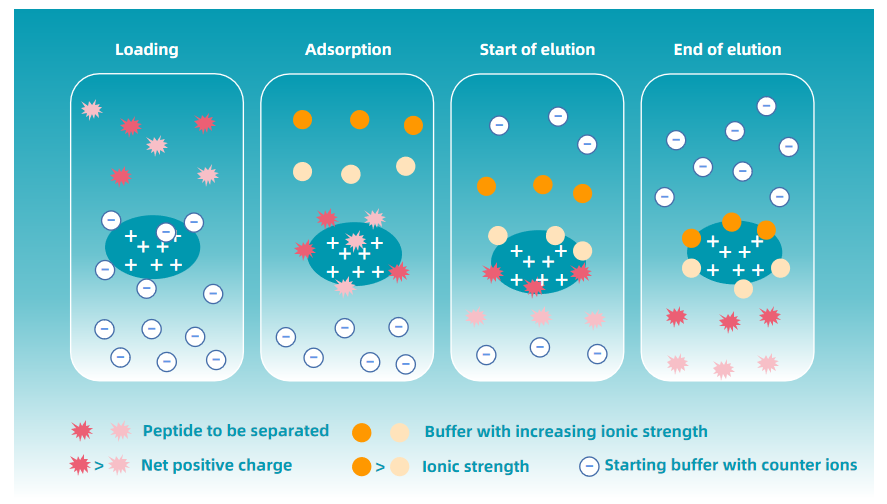
Figure 1. The Principle of SCX-Based Peptide Fractionation
The method is compatible with various buffer systems and offers high reproducibility, making it ideal for complex sample pretreatment such as whole proteome and post-translational modification studies.
SCX-Based Peptide Fractionation Service at MtoZ Biolabs
🔹 High-Resolution SCX System: Employs precisely controlled gradient elution for accurate separation of charged peptides.
🔹 Multimodal Fractionation Options: SCX–RP-LC and SCX–HILIC combinations can be customized based on research goals to improve the resolution of complex samples.
🔹 Compatible with Multiple Sample Types: Applicable to cell lysates, tissue extracts, and plasma samples.
🔹 Seamless Downstream Integration: Fractionated samples can be directly subjected to LC-MS/MS analysis, improving detection sensitivity and signal-to-noise ratio.
Workflow of SCX-Based Peptide Fractionation Service
1. Sample Digestion: Proteins are digested into peptides using proteases such as trypsin.
2. Sample Loading: Peptides are dissolved in low-salt buffer and loaded into the SCX system.
3. Gradient Elution: Gradually increasing salt concentration or adjusting pH elutes peptides with different charge states.
4. Fraction Collection: Each fraction is collected, desalted, and concentrated.
5. Downstream Analysis: Fractions can be directly used for LC-MS/MS identification or quantitative analysis.
Why Choose MtoZ Biolabs
☑️ Experienced Technical Team: Specialized in peptide fractionation and mass spectrometry sample preparation to ensure consistent and controllable separation performance.
☑️ High-Performance SCX System: Offers precise salt gradient and pH control to achieve excellent resolution.
☑️ Mass Spectrometry Integration: SCX fractionation results are directly compatible with Orbitrap, Q Exactive, or timsTOF high-resolution MS systems.
☑️ Stable High-Throughput Processing: Supports batch sample handling for both research and pharmaceutical projects.
☑️ Multimethod Combination: We provide complementary separation modes such as HILIC and RP-LC that can be combined with SCX to build flexible and customizable multidimensional fractionation systems, offering more comprehensive and accurate solutions for complex sample analysis.
Applications of SCX-Based Peptide Fractionation Service
1️⃣ Proteomics Research: Enhances protein identification depth and coverage.
2️⃣ Post-Translational Modification Analysis: Serves as a pretreatment for phosphorylation, acetylation, and ubiquitination enrichment.
3️⃣ Quantitative Proteomics: Improves quantification accuracy in TMT, iTRAQ, and label-free experiments.
4️⃣ Biomarker Discovery: Enhances detection of low-abundance peptides in complex samples.
Deliverables
1. Experimental Report (PDF Format): Includes chromatographic parameters, fractionation profiles, and fraction information.
2. Peptide Fractionation Data Tables (CSV/Excel): Lists peptide counts, elution conditions, and peak distribution for each fraction.
3. Desalted and Concentrated Fractions: Ready for direct LC-MS/MS analysis.
4. Optional MS Analysis Services: Follow-up proteomics analysis services available from MtoZ Biolabs.
FAQs
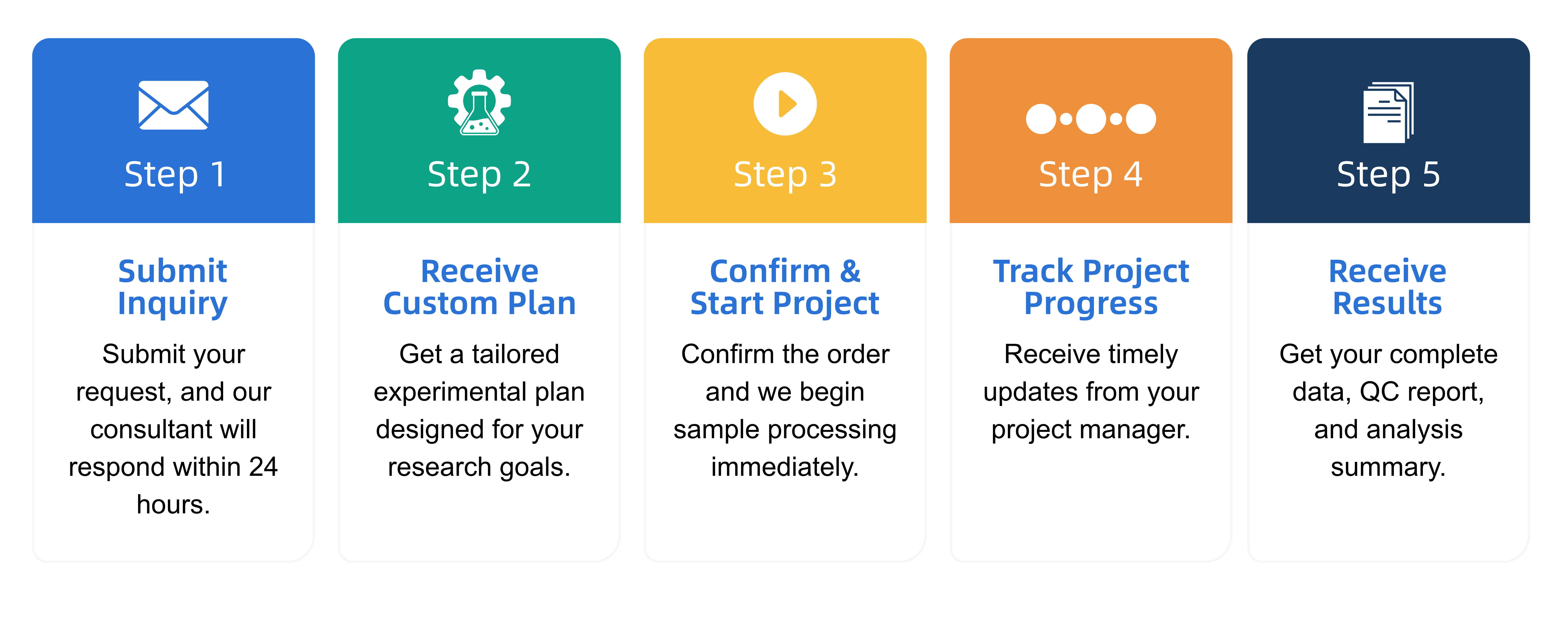
Q1: What is the service's general workflow?
Q2: What data formats are provided?
A2: MtoZ Biolabs provides multiple standard data formats to meet different analysis and presentation needs. Typical deliverables include:
Additional file formats or customized structures can be provided upon request to meet publication or specific project requirements.
Q3: How should I prepare my samples?
A3: To ensure accuracy and reproducibility of SCX-Based Peptide Fractionation results, MtoZ Biolabs recommends the following sample preparation guidelines:
2. Purity Requirement: Samples should be particle-free, low in salt, and free of detergents or organic solvents that may interfere with chromatography.
3. Sample Amount: At least 500 µL of liquid sample or 100 mg of solid material is recommended. Reserve extra material for replicate analyses if needed.
4. Storage and Shipping: Store biological samples at −80°C and ship on dry ice using leak-proof containers.
5. Documentation: Provide details on sample origin, preparation method, buffer composition, and intended analysis.
For more information, please refer to Sample Submission Guidelines for Proteomics and Sample Submission Guidelines for Metabolomics.
If you are unsure about your sample preparation, our technical team can provide personalized pre-analysis consultation and a sample submission guide to help you optimize preparation and shipping conditions.
Start Your Project with MtoZ Biolabs
Contact us for more information, customized fractionation solutions, or a quotation. MtoZ Biolabs will provide professional support and personalized analytical guidance.
How to order?




