






Scoping N-Terminal Sequencing for Release Testing: Read Length, Sample Format, and Deliverables
Introduction
N-terminal sequencing projects move faster when scope is defined before samples ship. Teams often request a fixed read length without confirming whether the material supports that depth, whether the N-terminus is accessible, or whether the final report must satisfy internal QC, regulatory documentation, or publication standards. Unclear scope leads to repeated runs, extended timelines, and reports that do not match the decision the project team actually needs to make.
A well-scoped N-terminal project begins with three questions: what material is available, how many residues must be confirmed, and what evidence format is required for the next milestone. Sample purity, N-terminal blocking risk, submission format, and planned read length all influence feasibility, cost, and turnaround. If your team is preparing an N-terminal confirmation package for recombinant protein release, peptide verification, or biopharmaceutical documentation, MtoZ Biolabs can Scope an N-terminal sequencing project before material leaves the lab.
Related Services
| Customer Need | Recommended Service Direction |
| Need N-terminal sequence analysis | N-Terminal Sequencing Service |
| Need Edman degradation protein sequencing | Protein Sequencing Service by Edman Degradation |
| Need Edman-based N-terminal workflow | Edman Degradation for N-Terminal Sequence Analysis Service |
| Need blocked N-terminus handling | N-Terminal Sequencing (N-Terminal Unblocked) Service |
| Need MS-based N-terminal confirmation | MS-Based Protein N-Terminal Sequence Analysis Service |
| Need biopharmaceutical N-terminal QC | Biopharmaceutical N-Terminal Sequencing Service |
What to Define Before Requesting a Quote
Most project delays come from missing information rather than instrument capacity. Before requesting N-terminal sequencing support, define the following:
1. Sample Identity and Target Sequence
Provide protein or peptide name, expected N-terminal sequence, expression host, and any known modifications.
2. Material Format
Liquid purified protein, HPLC fraction, or PVDF blot band each require different handling and feasibility review.
3. Required Read Length
Specify how many N-terminal residues must be confirmed, not just a maximum cycle count.
4. QC Purpose
Lot release, mature start verification, biosimilar comparison, and publication support may require different report depth.
5. Prior Analytical Data
Share failed runs, gel purity images, or intact mass results when available.
6. Timeline and Documentation Needs
Confirm whether a formal report, chromatogram summaries, or comparison against a reference sequence is required.
Clear scoping reduces the risk of paying for read depth that sample chemistry cannot support and helps the provider recommend pretreatment or MS fallback when needed.
Sample Requirements That Drive Feasibility
N-terminal sequencing performance depends heavily on sample quality at submission.
1. Purity
Co-purifying proteins or overlapping HPLC peaks can dominate response and obscure the target N-terminus.
2. Amount
Insufficient load reduces signal and shortens usable read length.
3. N-terminal Accessibility
Blocked or modified termini may require N-Terminal Sequencing (N- Terminal Unblocked) Service or an MS-based route.
4. Submission Format
Liquid samples and PVDF blots are both common, but transfer quality and washing history affect yield.
5. Storage and Handling
Freeze-thaw damage, prolonged storage, or incompatible buffers can reduce success before analysis begins.
For recombinant proteins, note whether the expression system is prokaryotic or eukaryotic because N-terminal acetylation risk differs. For synthetic peptides, confirm whether N-terminal modification was introduced during synthesis. For PVDF submissions, describe gel percentage, transfer method, and whether the band was excised cleanly.
When purity or blocking status is uncertain, request feasibility review before final shipment. A short consultation often prevents a full rerun.
How Read Length Affects Scope and Cost
Read length is not interchangeable with project success. A ten-residue request may be appropriate for one QC package and excessive for another.
| Project Need | Typical Read Length | Notes |
| Confirm first residue only | 1 to 2 residues | Useful when a single N-terminal amino acid must be verified |
| Short QC confirmation | 3 to 5 residues | Common for recombinant lot release or peptide identity checks |
| Mature start verification | 5 to 10 residues | Often sufficient to confirm signal peptide removal or tag cleavage |
| Extended N-terminal read | 10 to 15 residues | Requires higher purity and stronger initial signal |
| Documentation-heavy biopharm package | Defined by SOP | May include comparison to reference and orthogonal confirmation |
Cost and timeline usually scale with read length, sample complexity, and whether pretreatment or repeat analysis is needed. Request only the depth required for the decision at hand. If signal fades after five residues, additional cycles may not add usable information without sample improvement.
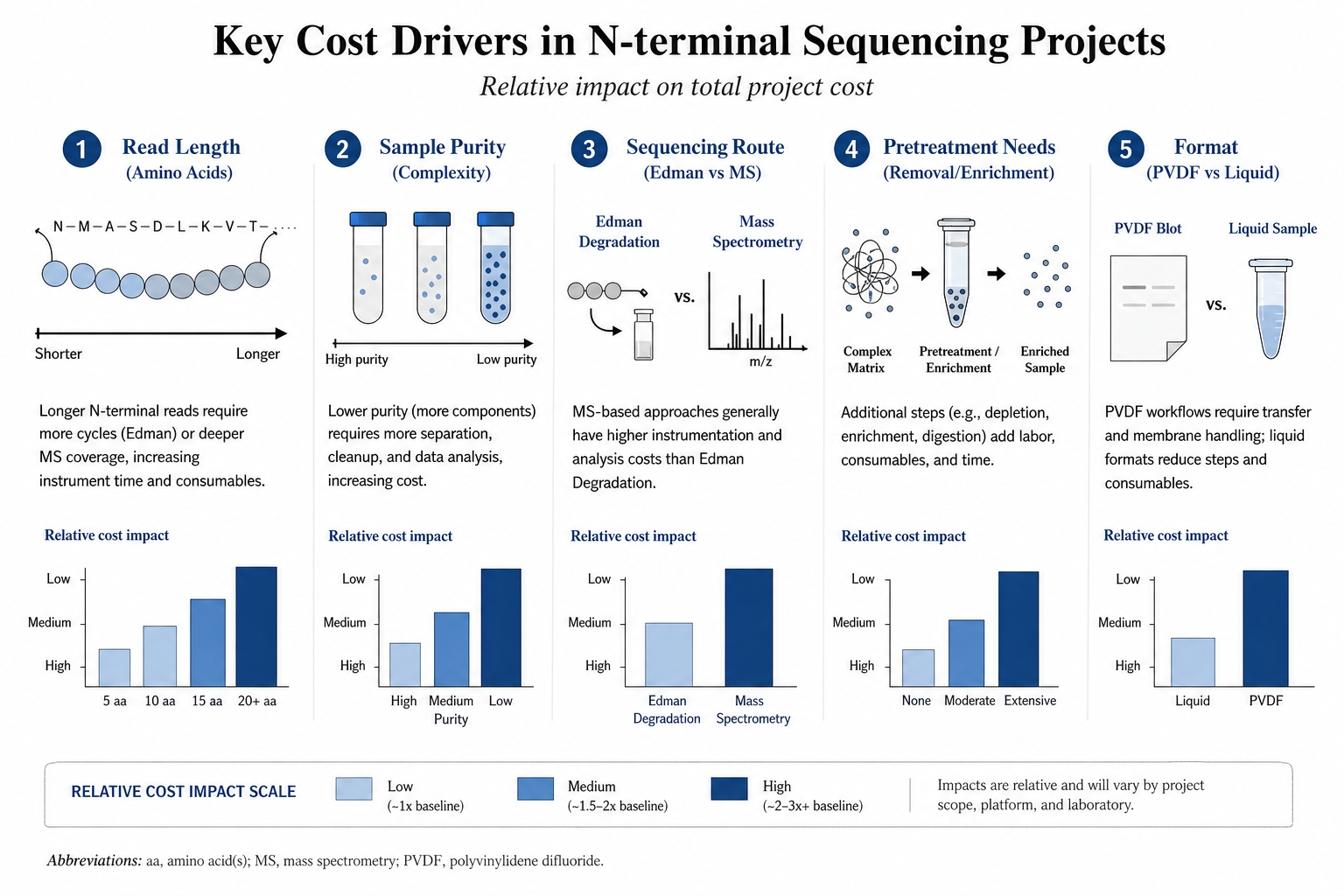
Figure 1. Read length, sample purity, and route selection are the main drivers of N-terminal sequencing scope and cost.
Typical Project Timeline
Turnaround depends on sample readiness, queue capacity, and whether pretreatment is required.
| Stage | Typical Activity |
| Feasibility review | Confirm sample format, blocking risk, and read length target |
| Sample receipt and QC | Verify identity, load, and handling notes |
| Analysis run | Perform Edman cycles or MS-based N-terminal workflow |
| Data review | Assign residues or peptides and assess signal quality |
| Report delivery | Provide sequence, method notes, and comparison summary |
Simple unblocked liquid samples with short read requirements often move quickly. PVDF submissions, blocked termini, or repeat runs after failed prior attempts extend the schedule. Planning orthogonal MS confirmation at the start avoids sequential delays when Edman alone cannot satisfy the documentation requirement.
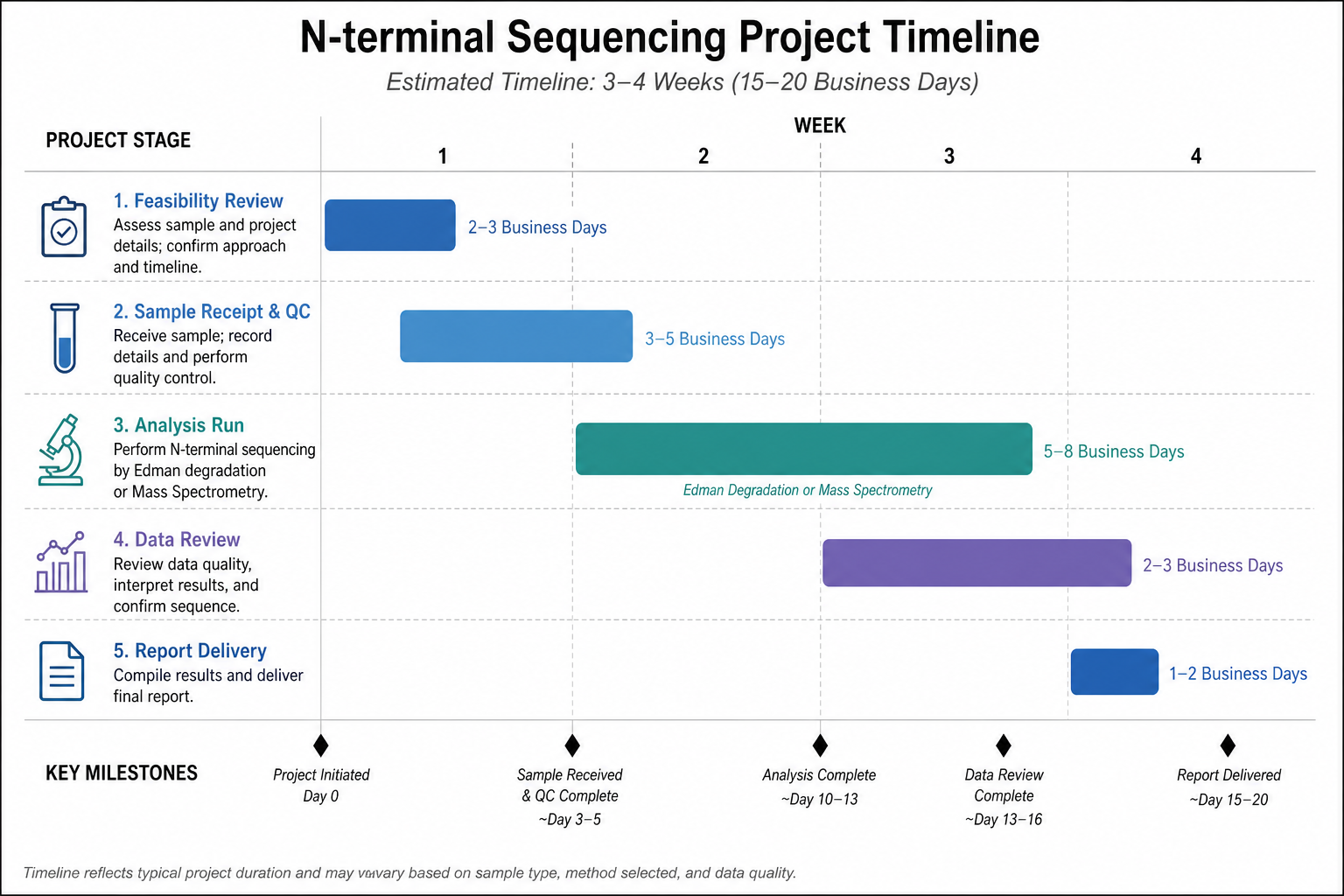
Figure 2. Feasibility review before shipment shortens total time to a usable N-terminal report.
Report Deliverables to Request Up Front
Different stakeholders need different outputs. Define deliverables during quoting rather than after the run is complete.
Minimum useful deliverables often include:
-
assigned N-terminal sequence over the requested read length
-
method notes indicating Edman, MS, or combined analysis
-
residue confidence notes for early positions
-
comments on signal fade or cycle dropout
Additional deliverables may include:
-
comparison against provided target sequence
-
notes on leucine/isoleucine ambiguity in Edman data
-
recommendation for repeat run, unblocking pretreatment, or MS confirmation
-
report format suitable for internal QC or regulatory documentation
For biopharmaceutical projects, ask whether Biopharmaceutical N-Terminal Sequencing Service includes the documentation depth your quality system expects.
Vendor Evaluation Criteria
When comparing N-terminal sequencing providers, look beyond price per residue or cycle.
1. Sample Feasibility Review
Does the vendor assess blocking risk and purity before accepting material?
2. Blocked N-terminus Capability
Can the provider offer pretreatment or route the project to MS if Edman fails?
3. Experience with Your Sample Type
Recombinant proteins, synthetic peptides, and PVDF blots each present different challenges.
4. Report Clarity
Are sequence assignments, limitations, and comparison notes documented clearly?
5. Fallback Options
If Edman degradation cannot proceed, can the same provider support MS- Based Protein N-Terminal Sequence Analysis Service?
6. Turnaround Transparency
Are timeline estimates tied to sample complexity rather than a generic promise?
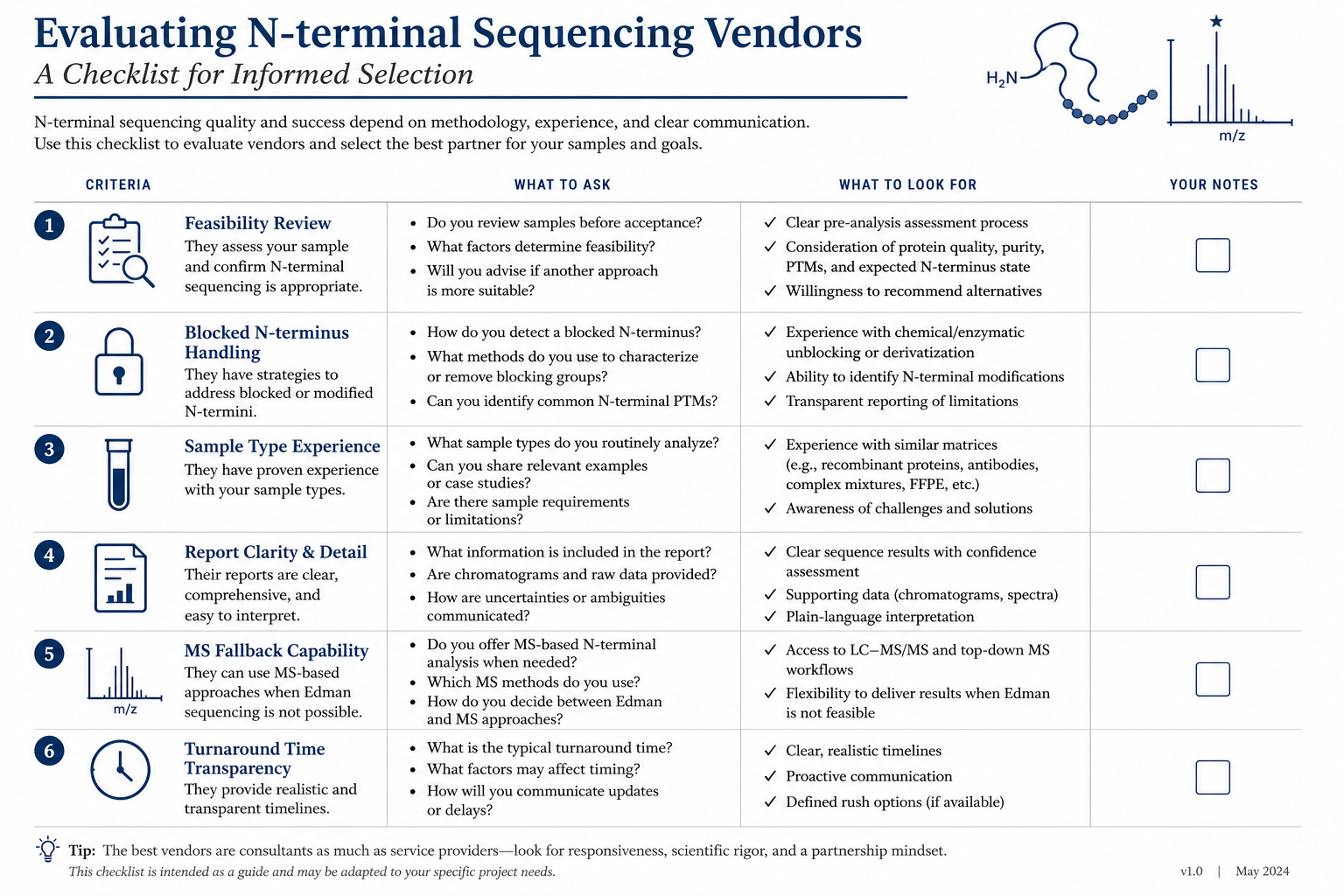
Figure 3. Feasibility review, blocked N-terminus handling, and report quality matter more than per-cycle price alone.
Budget Planning Tips
To keep N-terminal projects within budget:
-
submit the purest available material the first time
-
define the minimum read length needed for the decision
-
share target sequence and modification history upfront
-
request feasibility review for PVDF or suspected blocked samples
-
plan MS fallback early if blocking is likely
Avoid requesting long read lengths on low-load or impure material. A shorter successful read often has more value than a long failed run.
When budgeting for a multi-sample campaign, group samples by complexity. Unblocked liquid proteins with short read requirements can often be quoted as routine runs. PVDF bands, suspected blocked termini, or extended read lengths should be scoped individually because pretreatment and repeat analysis add cost unpredictably if not reviewed upfront.
Including a one-page sample summary with each quote request speeds feasibility review. List target N-terminal sequence, expression host, purification method, prior QC results, and the minimum read length required for the release decision. That information helps the provider recommend Edman, MS, or combined analysis before samples are shipped.
Frequently Asked Questions
1. How much sample is needed for N-terminal sequencing?
Requirements depend on sample type, purity, and requested read length. Providers can advise after reviewing format and target depth.
2. Can I request ten residues for every sample?
Only when sample purity and N-terminal accessibility support that read length. Over-scoping increases cost without improving outcomes.
3. What information should I include in the quote request?
Target sequence, sample format, expression system, known modifications, required read length, and prior analytical data if available.
4. Does PVDF submission cost more than liquid sample?
Pricing depends on provider workflow and sample handling complexity. Feasibility review clarifies the best submission route.
5. Can one vendor handle Edman and MS fallback?
Yes. Integrated N-terminal support reduces resubmission delays when the first route is blocked or ambiguous.
Conclusion
Successful N-terminal sequencing projects are planned around sample chemistry and documentation needs, not read length alone. By defining material format, required residue confirmation, blocking risk, and report deliverables before shipment, teams reduce rework and obtain terminal evidence that supports the next QC or release decision.
MtoZ Biolabs can Plan your N-terminal sequencing scope across N-Terminal Sequencing Service, Biopharmaceutical N-Terminal Sequencing Service, and MS-based alternatives. Contact the technical team with sample details and target read length to receive a feasibility-aligned project plan before samples are shipped.
How to order?




