






Resources
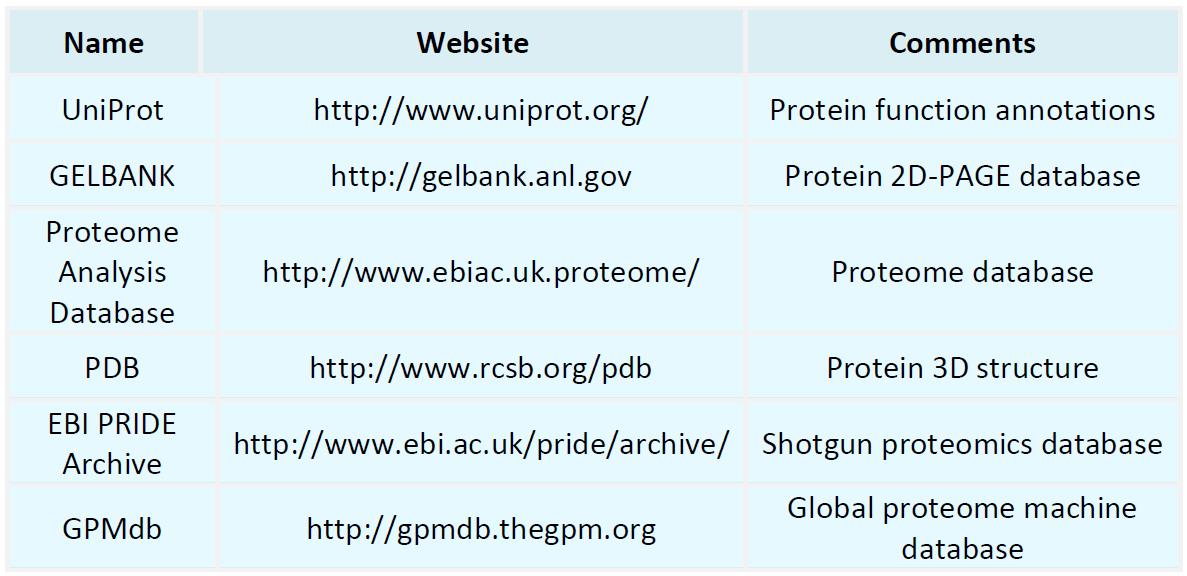
Proteomics Databases
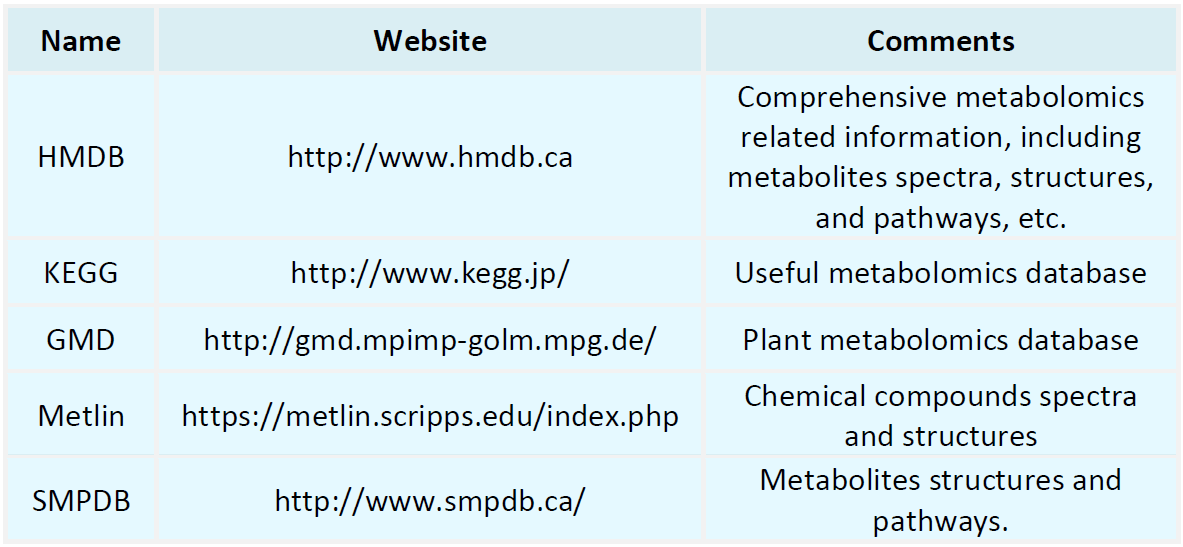
Metabolomics Databases
-
• Recombinant Protein Drug Analysis Using Dynamic Light Scattering (DLS)
Recombinant protein drugs refer to protein products that originate from animals and plants and are developed through biotechnology research. These have certain biological activities that can prevent, treat, and diagnose diseases in humans and animals. Compared with small molecule drugs, recombinant protein drugs have advantages such as high activity, high specificity, and low toxicity, and are therefore favored by researchers.
-
• Analysis of Thermal Stability of Recombinant Protein Drugs
Recombinant protein drugs refer to protein products that originate from animals or plants and are developed through biotechnology research. These products possess certain biological activities and are capable of preventing, treating, and diagnosing diseases in humans, animals, and plants. Compared to small molecule drugs, recombinant protein drugs have the advantages of high activity, high specificity, and low toxicity, and are thus highly favored by researchers.
-
• Peptide Drug Residue Solvent Analysis
Peptide drugs are bioactive molecules formed by the connection of multiple amino acids through peptide bonds. Typically, they are composed of 10-100 amino acids, with a relative molecular weight less than 10,000. Most peptide drugs are derived from endogenous peptides or natural peptides, so they have little or no side effects on the human body. Compared with protein drugs, peptide drugs also have advantages such as good stability, high purity, low production cost, and low immunogenicity.
-
• X-Ray Powder Diffraction Determination of Antibody Drug
Antibody drugs are a type of drugs that treat diseases through artificially synthesized antibodies. They achieve their therapeutic purpose by specifically binding with target molecules. Common types of antibody drugs include monoclonal antibodies, artificially synthesized antibody fragments, immunotoxins, antibody-drug conjugates, and others.
-
• Recombinant Protein Vaccine AUC Analysis
Recombinant protein vaccines are a type of vaccine that do not contain a complete pathogen and are made from specific protein antigens produced by heterologous expression systems. Common heterologous expression systems include bacteria, mammalian cells, plant cells, and insect cells, and the appropriate heterologous expression system needs to be selected according to the type of antigen produced.
-
• Recombinant Protein Vaccine DLS (Dynamic Light Scattering) Analysis
Recombinant protein vaccines are a type of vaccine that do not contain a complete pathogen and are prepared from specific protein antigens produced by a heterologous expression system. Due to their high safety, stability, and relatively low cost, recombinant protein vaccines have gained widespread attention from researchers in recent years.
-
• HPLC Peptide Mapping Analysis of Recombinant Protein Drugs
Recombinant protein drugs are produced by biotechnological means, especially gene recombination technology. These drugs have high specificity and activity, and can produce precise pharmacological effects on target molecules. Since they are prepared based on biological processes, their purity, stability, and structural integrity are key quality attributes. Accurate and reliable analysis and quality control of these drugs is crucial to ensure their safety and efficacy.
-
• Detection of Proteomic Changes Using SILAC/Dimethyl Labeling
In contemporary biological research, proteomics stands at the forefront of elucidating the functions and mechanisms of biological systems. Protein expression levels, post-translational modifications, and interactions are pivotal in cellular biology studies. Within proteomics, quantitative analysis serves as a vital approach to uncovering these molecular shifts.
-
• DIA-Based Detection and Analysis of Protein Biomarkers
In modern biomedical research, the detection and analysis of protein biomarkers are critical for diagnosis, treatment, and disease monitoring. Data-Independent Acquisition (DIA), an advanced mass spectrometry technique, is widely used in proteomics due to its high throughput, reproducibility, and broad data coverage.
-
• Phosphoproteomics Analysis Based on TMT Labeling
Phosphorylation is a crucial post-translational modification (PTM) that plays an essential role in controlling protein function, cellular signaling, and metabolic processes. Aberrant phosphorylation is often closely linked to the development and progression of various diseases. Therefore, comprehensive phosphoproteomic analysis is vital for understanding biological processes and disease mechanisms.
How to order?




