






Resources
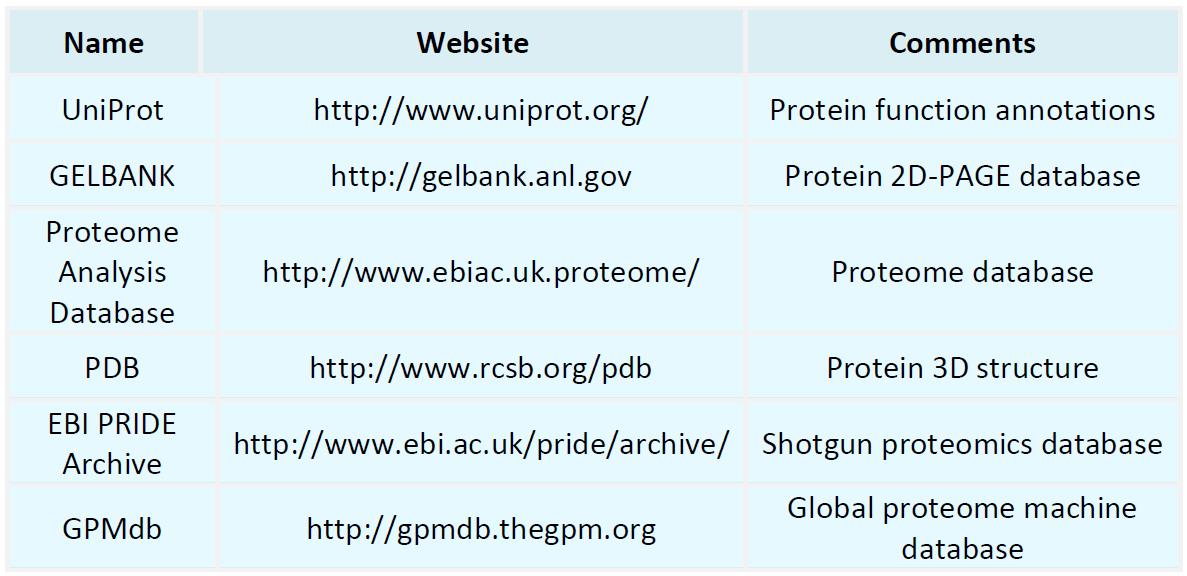
Proteomics Databases
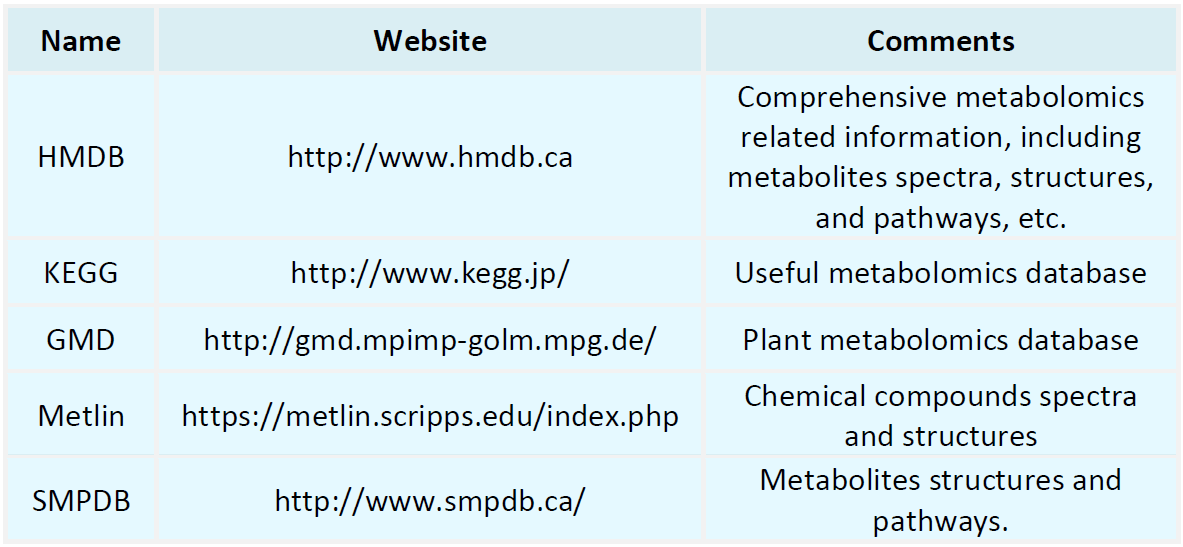
Metabolomics Databases
-
• LFQ Quantitative Proteomics: Exploring the Key Units of Precise Quantification
Protein is the most fundamental functional molecule in organisms and plays a crucial role in understanding physiological and pathological processes. With the development of biotechnology, researchers have turned their attention to the field of proteomics, hoping to reveal the changes in protein expression under different physiological conditions through quantitative proteomics methods such as Label-Free Quantification (LFQ).
-
• Label-Free Proteomics Mass Spectrometry: Comparison and Application Analysis
Protein is one of the most important functional molecules in living organisms, and studying the composition and function of proteins is essential for understanding biological processes and disease mechanisms. In traditional proteomics research methods, labeling agents are often used to label protein samples, which are then analyzed using mass spectrometry. However, the introduction of labeling agents may affect the structure and function of proteins.
-
• Exploring Efficient and Accurate Methods for Protein Sequencing
Protein is an important functional molecule in organisms, and its sequence determines its structure and function. Therefore, accurate determination of protein sequences is crucial for drug development in the field of biotechnology. With the continuous development of technology, modern biotechnology has provided various efficient and accurate methods for protein sequencing.
-
• Unveiling the Principles and Workflow of Protein Sequencing
Overview of Protein Sequencing Techniques Protein sequencing techniques refer to methods used to determine the amino acid sequence of a protein. They can help us understand the structure, function, and interactions of proteins, thereby advancing areas such as drug development, disease diagnosis, and treatment. Currently, commonly used protein sequencing techniques mainly include mass spectrometry and sequencing methods.
-
• Cyclic Peptide Sequencing Unveils Protein N-Terminal Structure and Function
Protein is an important functional molecule in organisms, and its structure and function are closely related. The N-terminal sequence of a protein plays a crucial role in determining its structure and function. However, due to the complexity and diversity of proteins, accurately determining the N-terminal sequence of a protein has always been a challenge.
-
• The Methods for Detecting Amino Acid Sequences
The amino acid sequence is the fundamental building block of proteins in living organisms, and it is of great significance in studying protein structure, function, and interactions. Therefore, the development of efficient and accurate amino acid sequence detection methods is important for drug development in the field of biotechnology.
-
• PRM Mass Spectrometry vs. ELISA: Decoding Protein Quantification
One of the important tasks in the field of biotechnology is protein quantification. Accurate measurement of protein abundance is crucial for understanding biological processes, disease diagnosis, and drug development. In protein quantification methods, Parallel Reaction Monitoring Mass Spectrometry (PRM) and ELISA are two commonly used techniques.
-
• Shotgun Proteomics: Efficient Analysis of Complex Protein Samples
Proteins are important functional molecules in organisms and have significant implications for understanding physiological and pathological processes. However, traditional protein identification methods have limitations due to the complexity and diversity of proteins. In recent years, with the development of biotechnology, shotgun proteomics has become an important tool for researchers to decipher the protein composition in complex samples.
-
• PRM Absolute Quantification: A Revolutionary Approach in Proteomics
Proteomics is an important approach to study the composition and function of proteins in organisms. In the past few decades, scientists have made significant breakthroughs in proteomics research through the continuous development of mass spectrometry techniques. Among them, quantitative mass spectrometry plays a crucial role in proteomics research.
-
• PRM Proteomics: Applications in Disease Physiological Processes
With the continuous development of biotechnology, proteomics analysis has become an important approach to studying the composition and function of proteins in organisms. Among them, the quantitative mass spectrometry-based Parallel Reaction Monitoring (PRM) technique has gained considerable attention due to its high sensitivity, accuracy, and throughput. This article will explore the application prospects of PRM proteomics analysis in disease pathophysiology.
How to order?




